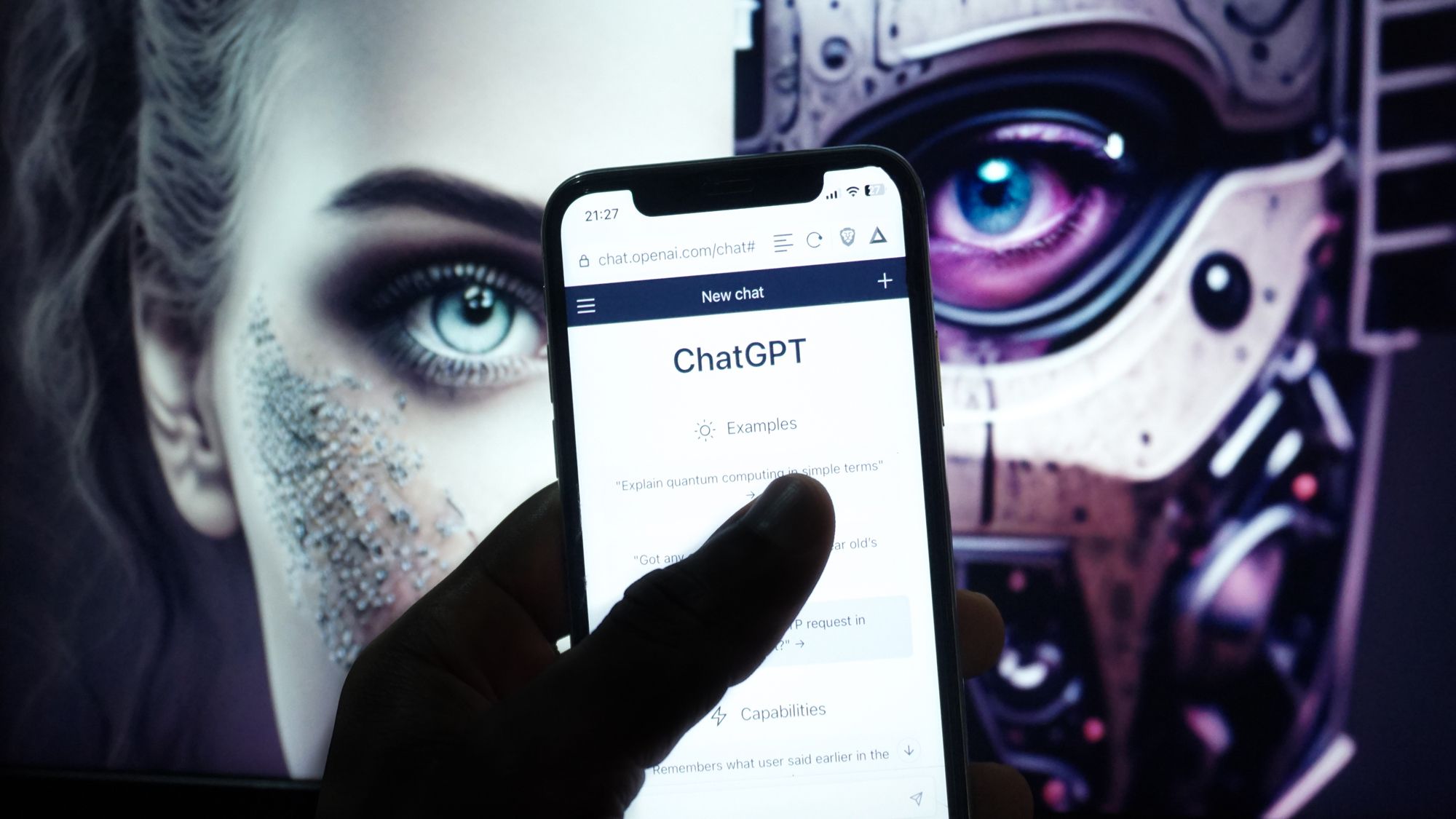
(Image credit: Shutterstock)
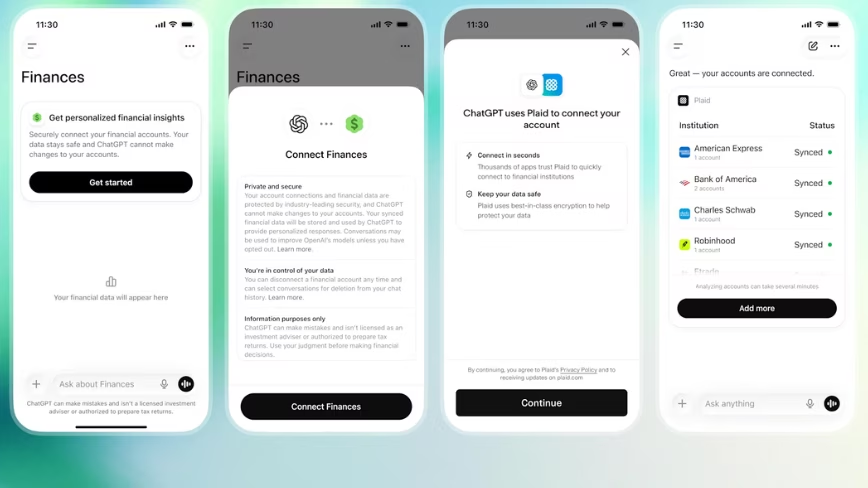
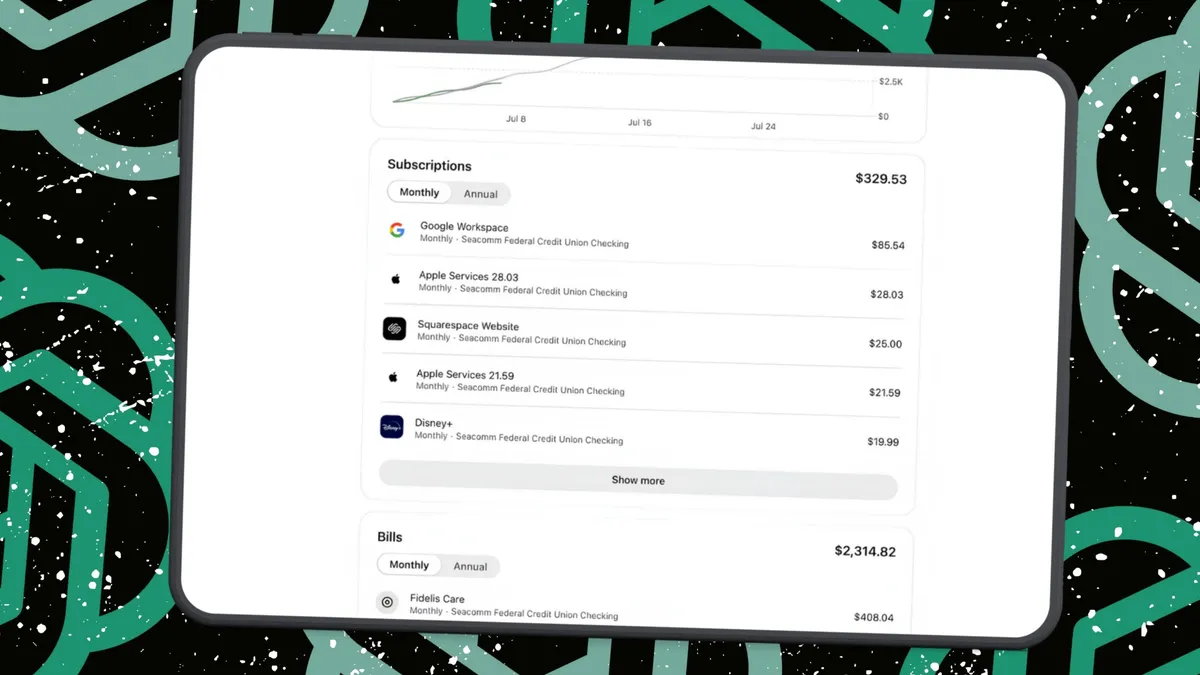
ChatGPT recently announced that users can now connect their bank accounts directly to the AI. While some people immediately raised concerns about security and privacy, I realized that I’m honestly more afraid of my ChatGPT history leaking than my financial information.That probably sounds ridiculous. I mean, a bank account leak could expose financial information, payment history and could cause a lot of havoc. But the more I thought about it, the more I realized my AI chats contain something far more intimate: my actual inner life.One of my favorite things about ChatGPT is that it “knows” me. I keep Memory mode enabled, which means the more I use it, the more personalized and helpful it becomes over time.Now I use it for everything. I journal with it almost every night. I turn to it when I’m anxious and need help calming my thoughts and even before medical appointments, I ask it what to expect. Sometimes reassurance feels easier to get from AI than from endlessly doomscrolling through forums online.ChatGPT isn't just a normal app anymore
(Image credit: Future/Amanda Caswell)When the internet first appeared, I remember my teachers telling me "Never write something in an email what you wouldn't want your grandmother to read at Thanksgiving dinner." Gulp. Not only have I not followed that rule, but if my grandmother knew what I share with ChatGPT she'd be horrified. I can't be alone in this. From talking to friends, neighbors and the internet, I know people use AI like a life coach, therapist, friend, diary, brainstorming partner, late-night emotional support system and even parenting assistant.Get instant access to breaking news, the hottest reviews, great deals and helpful tips.That's why a leaked AI chat history feels like someone cracking open your internal monologue and dumping it onto the internet. And unlike Instagram, LinkedIn or TikTok, those thoughts were never designed to be seen or performative.While much of the internet is curated, AI conversations are often unedited humanity. Messy humanity. And frankly, we've accidentally turned AI into a second brain. AI stopped feeling like software and started feeling like cognitive infrastructure, and for me, that changes the privacy conversation entirely.The new real fear isn't fraud — it’s psychological exposure