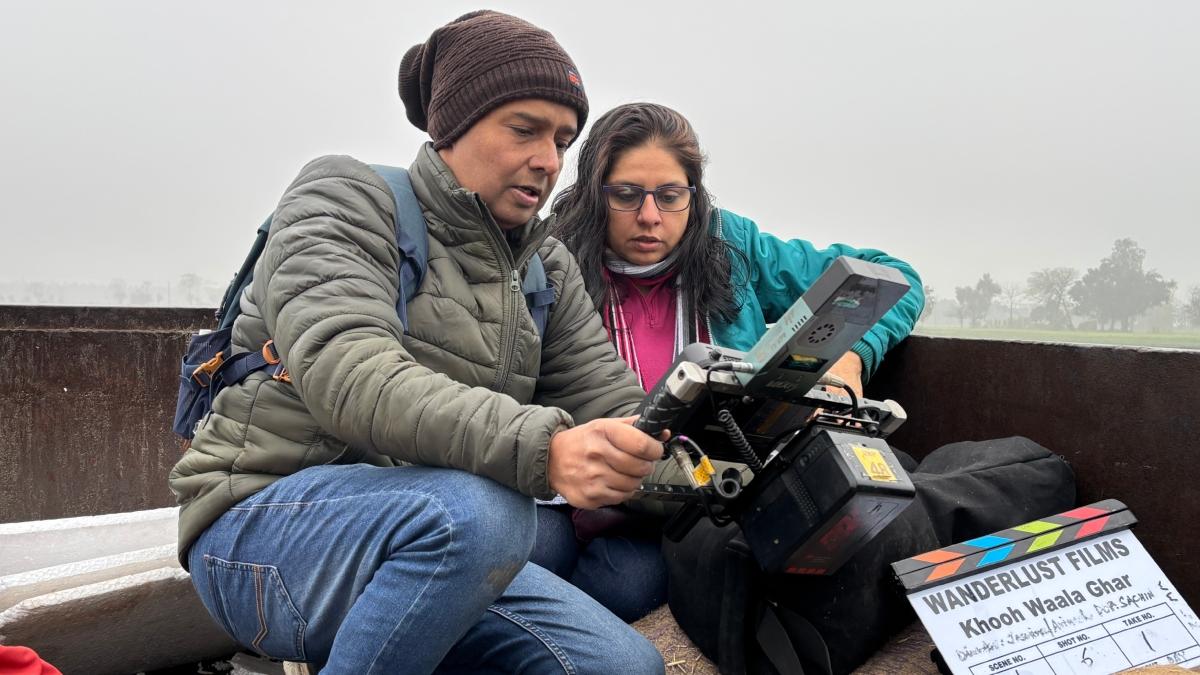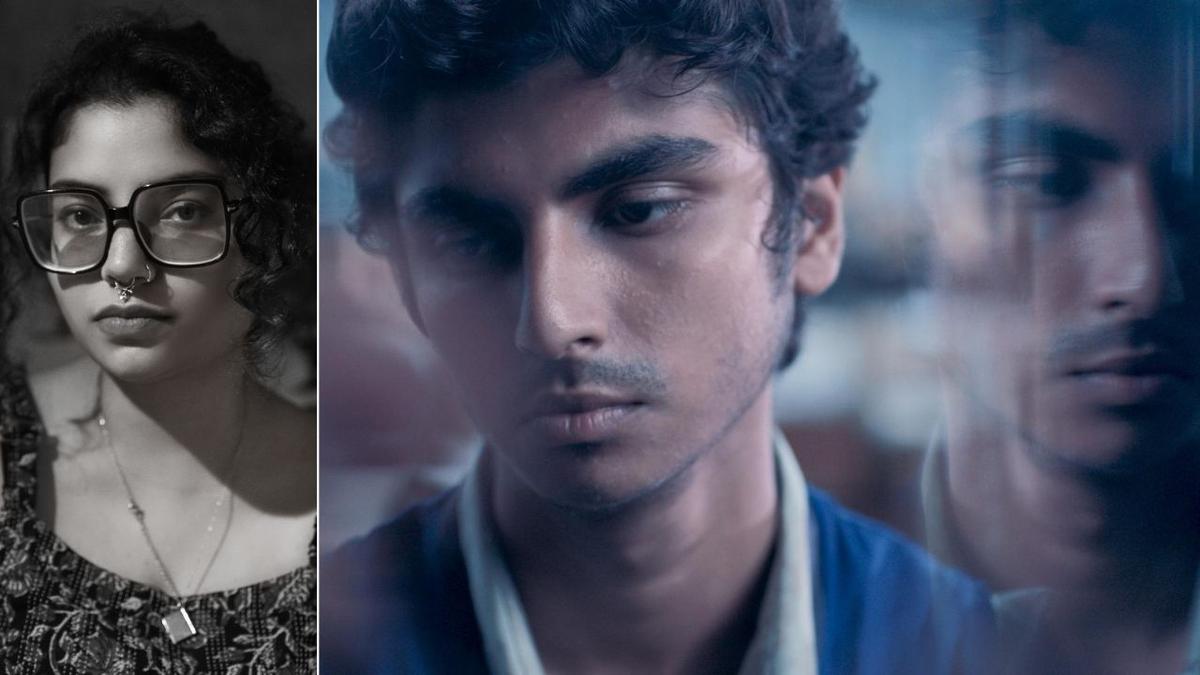
On some days, she feels low, with zero energy, and takes longer to do simple tasks. On other days, she’s energetic, makes a lot of impulsive decisions, and is chasing the next big project. Recently diagnosed as neurodivergent, an upbeat Mehar Malhotra, 26, who calls herself “neurospicy” instead, says filmmaking is her therapy. On the set, she isn’t impulsive. The process of creating gives her the dopamine boost she seeks on most days.One among the 14 live-action and 5 animated films, chosen from a pool of 2,750 global submissions, at La Cinef school films’ competition, the Film and Television Institute of India (FTII) graduate’s 24-minute Punjabi short film Parchaave Massiah Raatan De (Shadows of the Moonless Nights) is the only Indian film to be selected in competition at the 2026 Cannes Film Festival (May 12-23). The only other Indian selection at this year’s festival is John Abraham’s Amma Ariyan (1986), restored in 4K by Film Heritage Foundation, in Cannes Classics.There is an unsaid pressure. After the past wins of its students Ashmita Guha-Neogi (CatDog, 2020) and Chidananda S. Naik (Sunflowers were the First Ones to Know, 2024) at La Cinef, can FTII deliver a three-peat feat this time too? “There’s pressure, but I never expected this to happen. The selection is already a win for me. I have never been bothered about outcomes in my life,” says Malhotra, who studied at Delhi’s Vivekananda Institute of Professional Studies before going to FTII, Pune in 2020, and then to Bombay for stints at an advertisement firm and as an assistant director on Sudhanshu Saria’s Sanaa (2022).The weight of un-restThe original title of the film was going to be just Massiah, which in Punjabi means amavasya (moonless night). This is the story of an impecunious, displaced family from Punjab living in urban Pune. Rajan (Prayrak Mehta, of Black Warrant, Kohhra fame) lives with his sister’s family and pulls night shifts as a factory worker. The mornings are noisy; he can barely keep his eyes open, but is tasked with chores like dropping his niece to school. He has just one desire, one that’s unavailable to him: a good night’s rest.To write her film, Malhotra dipped into personal history. She recalls her maasi (maternal aunt), who lived with them and pulled night shifts at a call centre. “She used to be so irritated in the mornings because it is a loud, noisy Punjabi household, and I had to go to school, Papa would get ready for office. Even if she wanted to sleep, she couldn’t. She was always sleep deprived and had breakdowns. I felt the same in Mumbai initially. I had a very noisy roommate in my PG, and one day, I went and slept on the stairs of my building. When I woke up, my bag, everything was gone. I called my mother and kept crying that I want to sleep,” she says.Sleep is a universal thing. In her film, she shows how sleep is a luxury in a capitalist society, unavailable to the working class. The first image for the film that came to Malhotra was of the factory worker who works night shifts and is unable to sleep. Of a person at night, wandering the city and watching people sleep in pockets under the moonlit sky, crawling into whatever is nigh, in the underpasses and under the bridges, street vendors on their own cart, watchmen in their chairs, etc., to see people catch a nap while himself being in a state of unrest. This montage is her favourite scene from the film.
Cannes 2026: Meet FTII’s Mehar Malhotra, whose Punjabi short is India’s only film in competition
Malhotra, who calls herself ‘neurospicy’ says filmmaking is her therapy, and why she made Shadows of the Moonless Nights; previously, two FTII films have won at La Cinef
1,489 words~7 min read