in Artificial Intelligence, Film, Technology | May 20th, 2026 Leave a Comment
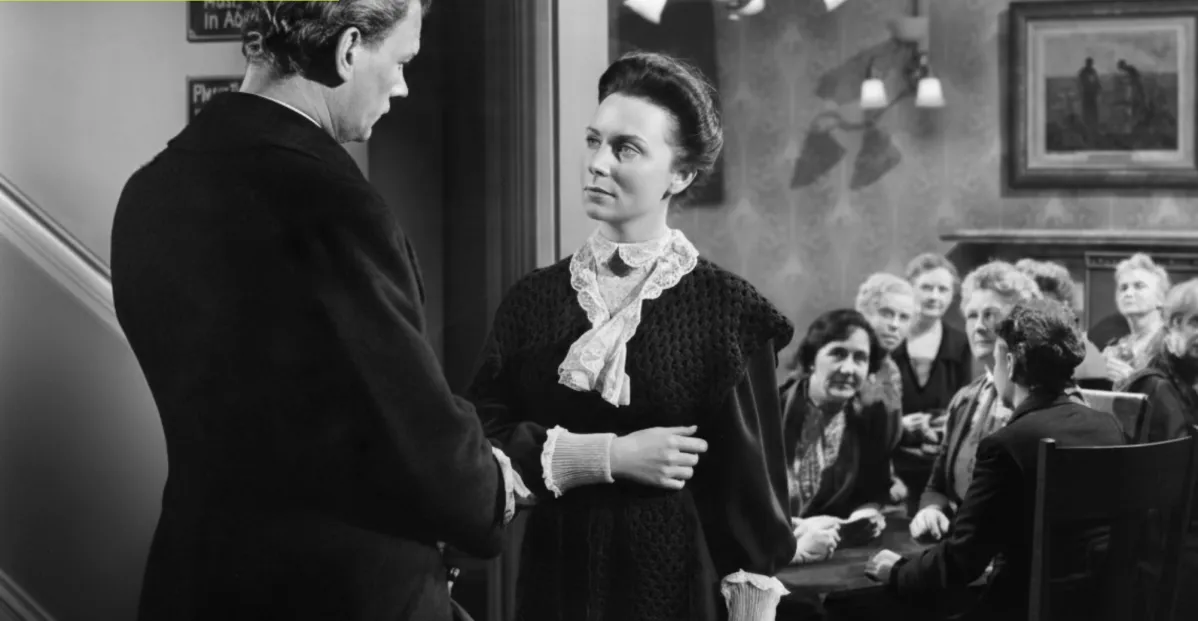
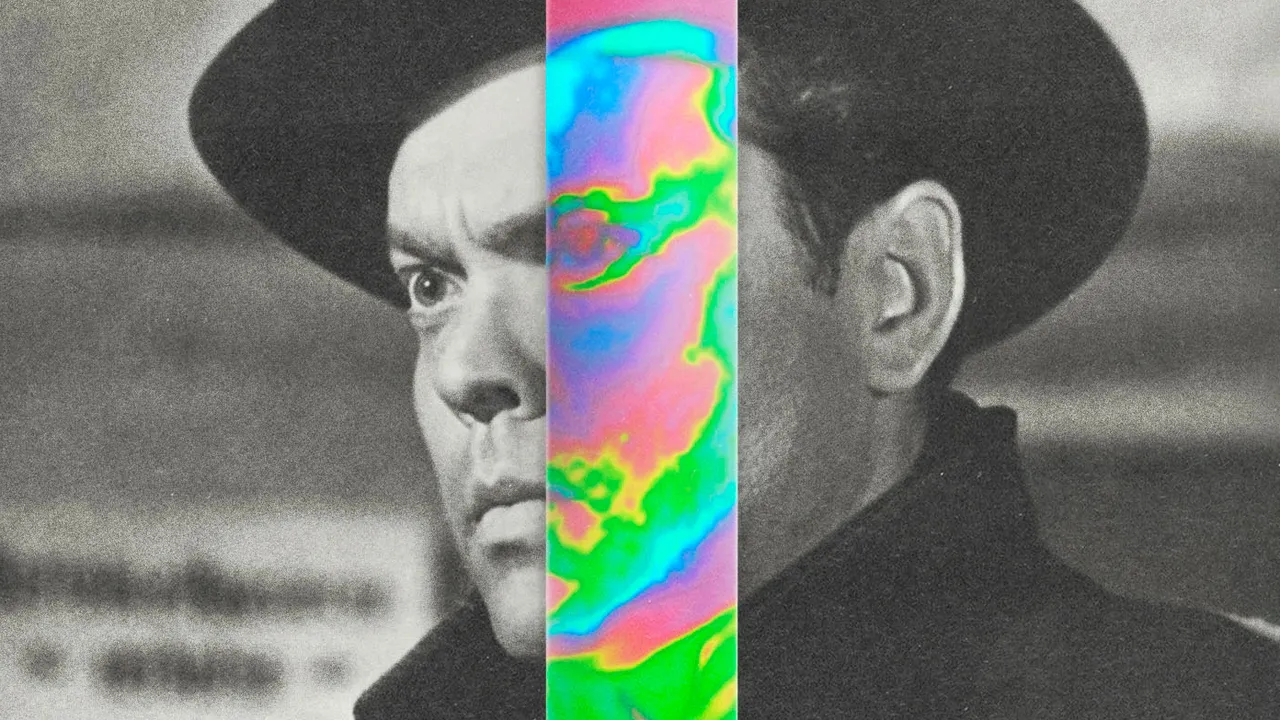
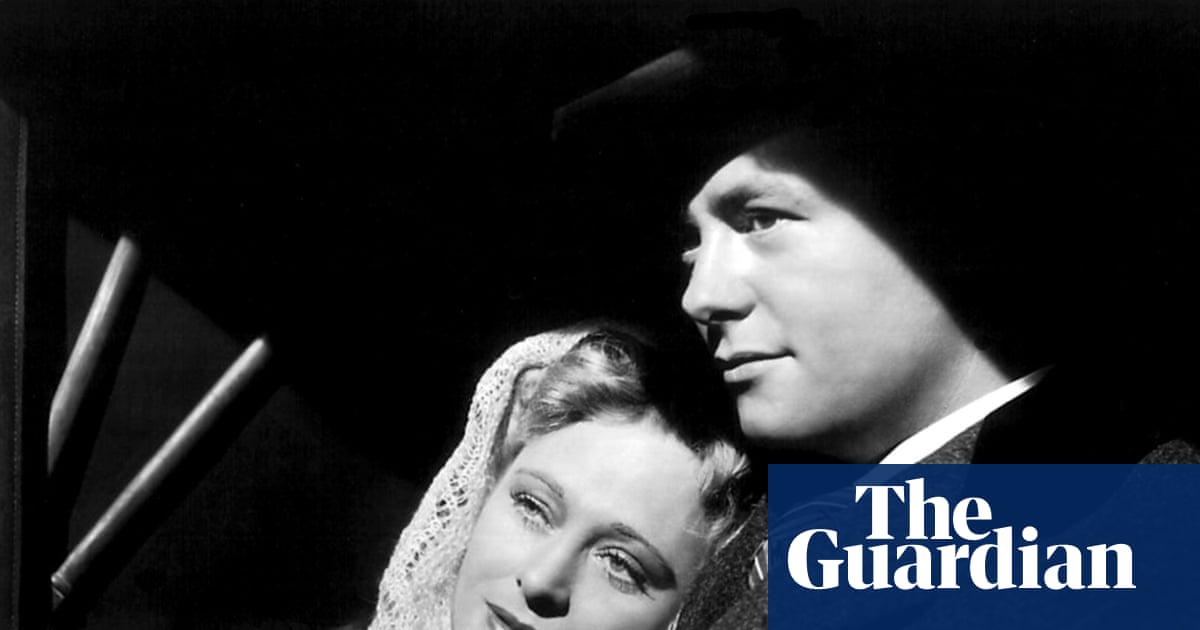
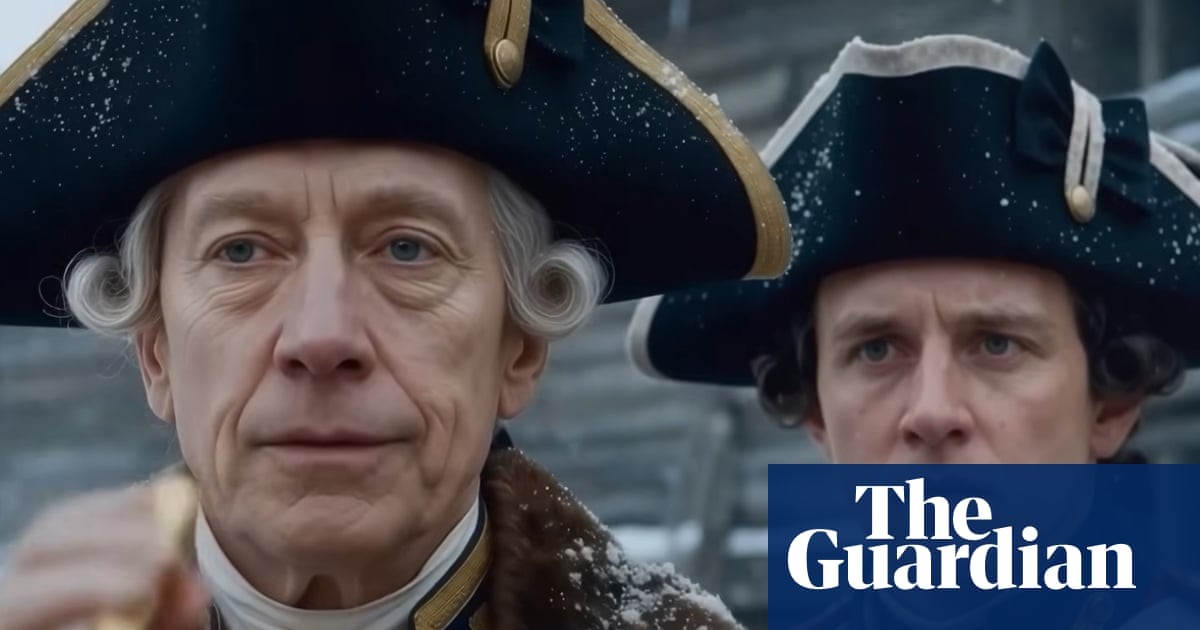
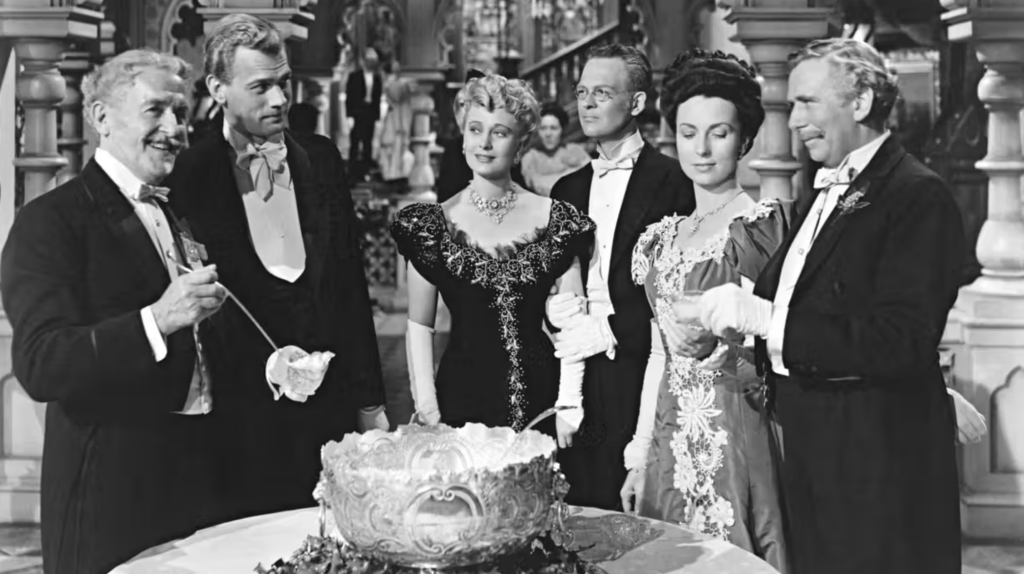
When television mogul Ted Turner died earlier this month, it gave cinephiles occasion to remember his brief but high-profile foray into colorization. In the mid-nineteen-eighties, he commissioned for broadcast colorized versions of more than 100 classic movies, from The Treasure of the Sierra Madre to It’s a Wonderful Life to Casablanca. It was only thanks to a clause specifying a black-and-white picture in Orson Welles’ contract with RKO that Citizen Kane never got the full Turner treatment. That blessedly failed project is now being invoked again in comparison with the startup Fable Studio’s enterprise, underway even now, of using artificial intelligence to restore Welles’ sophomore feature The Magnificent Ambersons, which was notoriously mutilated by the studio before its release in 1942.
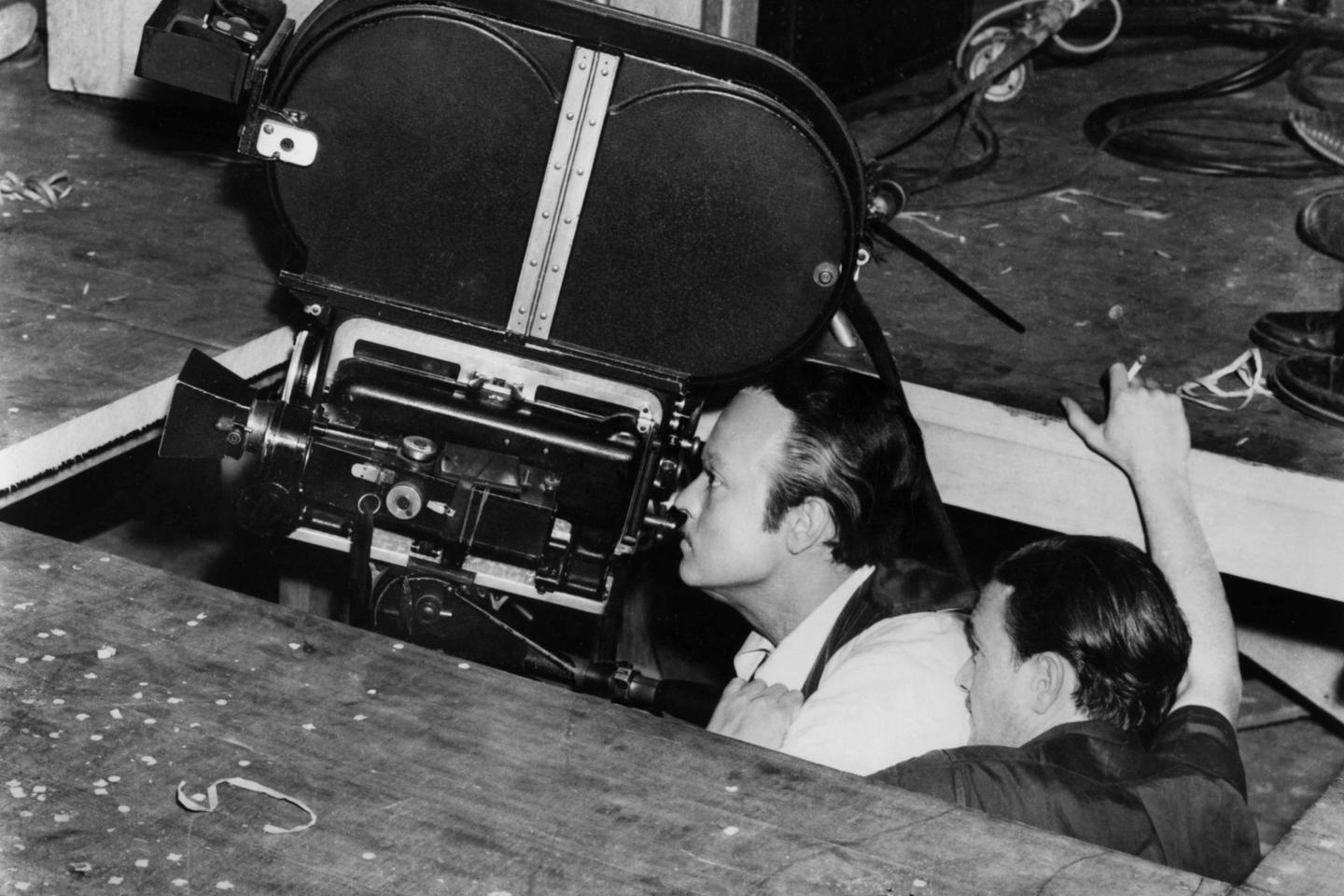
The recut happened in Welles’ absence. After the attack on Pearl Harbor, he received what sounds like something more than a request from Nelson Rockefeller, then the government’s Coordinator of Inter-American Affairs, to go to Brazil and shoot a documentary about Carnival in the interest of “Pan-American unity.” Due to a disastrous test screening, as Welles explains in the clip from a 1982 Arena broadcast above, “it was thought by everyone in Hollywood, while I was in South America, that it was too ‘downbeat,’ a famous Hollywood word at the time.” Yet the entire film, to his mind, was about the downfall of the titular family, who lose their wealth and prestige as the society they knew slips out from underneath them during the transformations of the early automobile age: not a widely resonant theme, it seems, in mid-twentieth-century America.