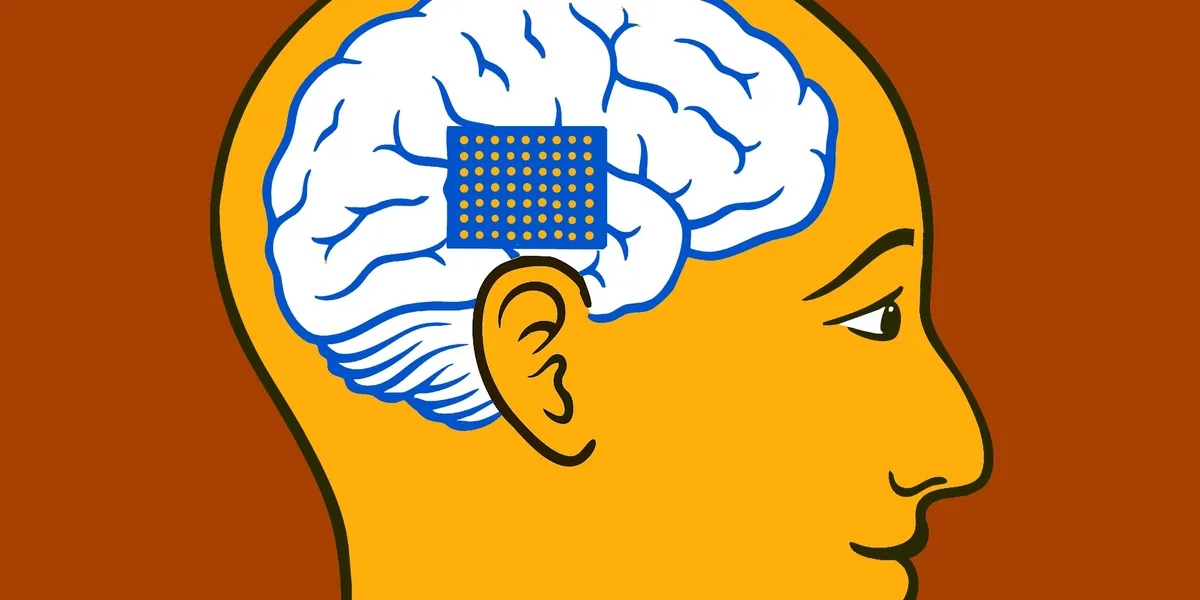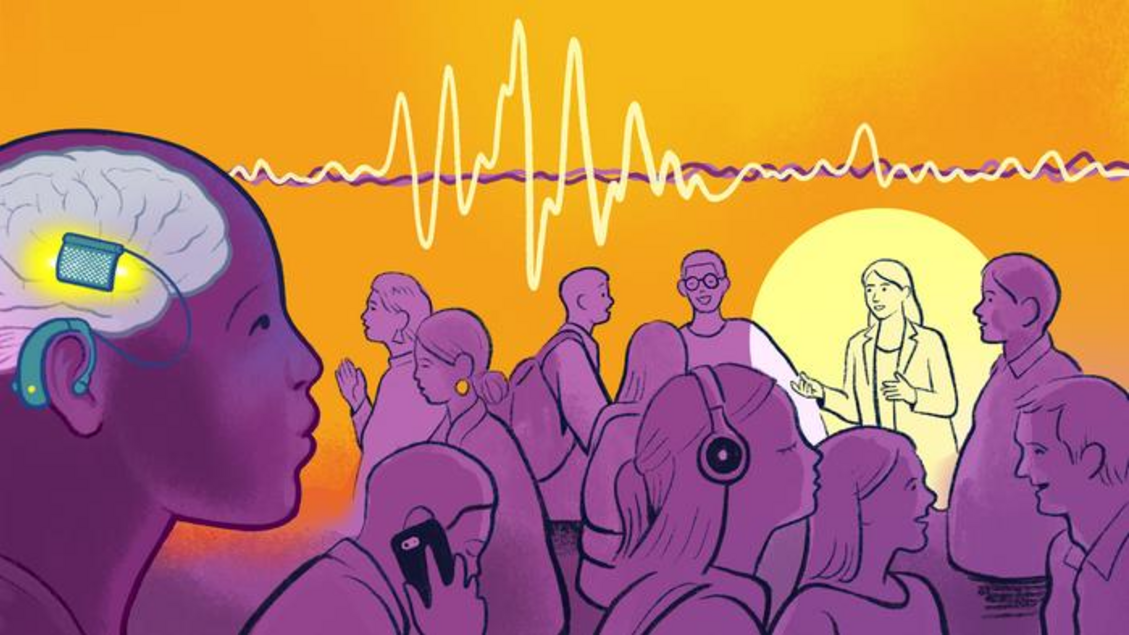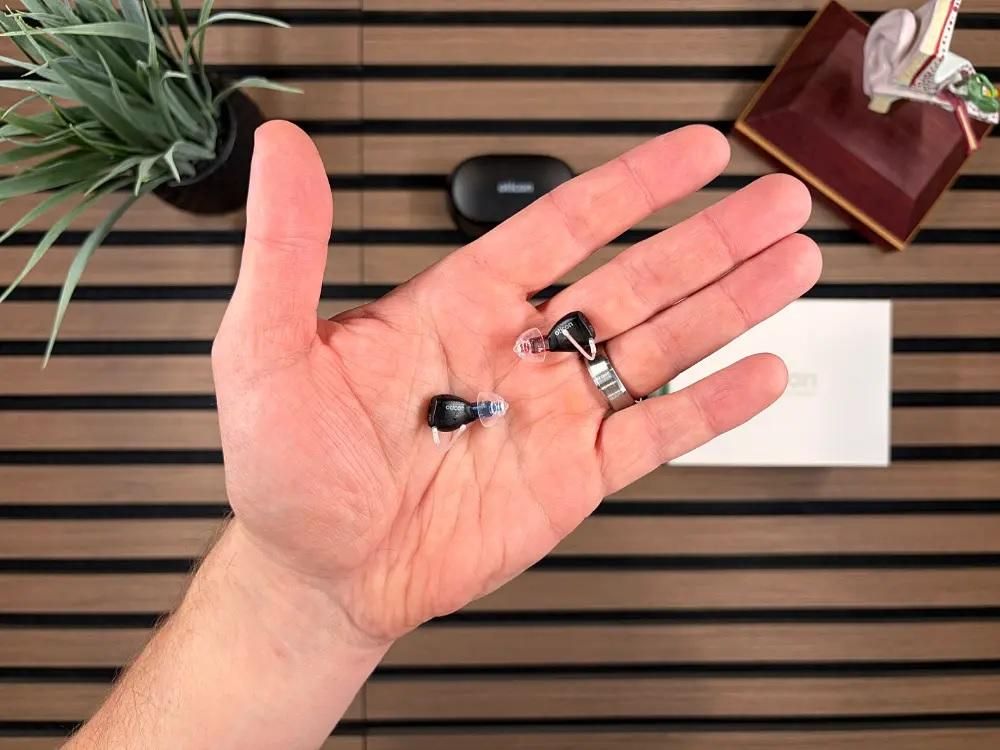
Hearing aids amplify everything — "indiscriminately" — wrote a group of scientists working on a system that may make brain-controlled hearing aids possible.
"Current hearing aids are good at amplifying sounds and voices, but they struggle with the classic 'cocktail party problem' — deciding which voice matters to the listener," said Vishal Choudhari*, lead author on their study published in Nature Neuroscience.
It can take a lot of effort to focus your attention on one voice in a crowded room. "Hearing is not only about whether words are understood correctly," Choudhari told DW. "Two people may both understand [what they're saying], but one person may need far more mental effort to follow the conversation. That can become exhausting over time."
As a result, many people stop using hearing aids just when they need them most — in restaurants, cafeterias, parties, or busy social spaces.
So, Choudhari and his colleagues are trying to develop a smart technology that knows what a hearing aid user is listening to. They want to enhance that one sound or voice, while at the same time reducing the volume of any other sounds, voice or background noise.