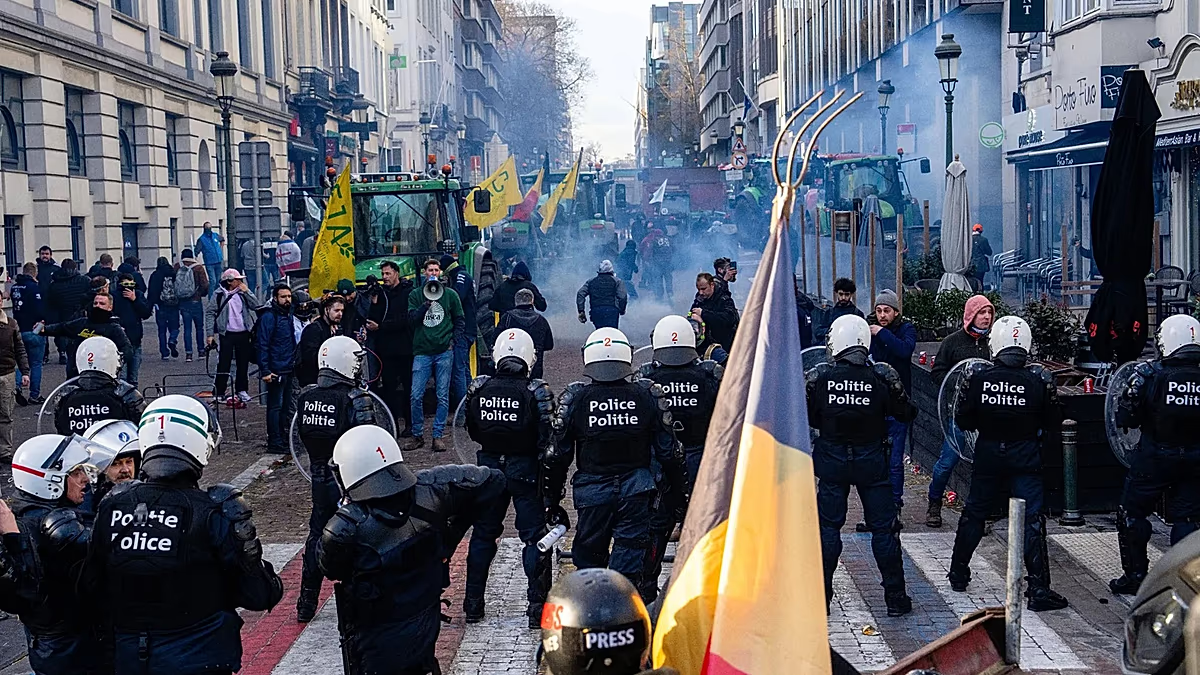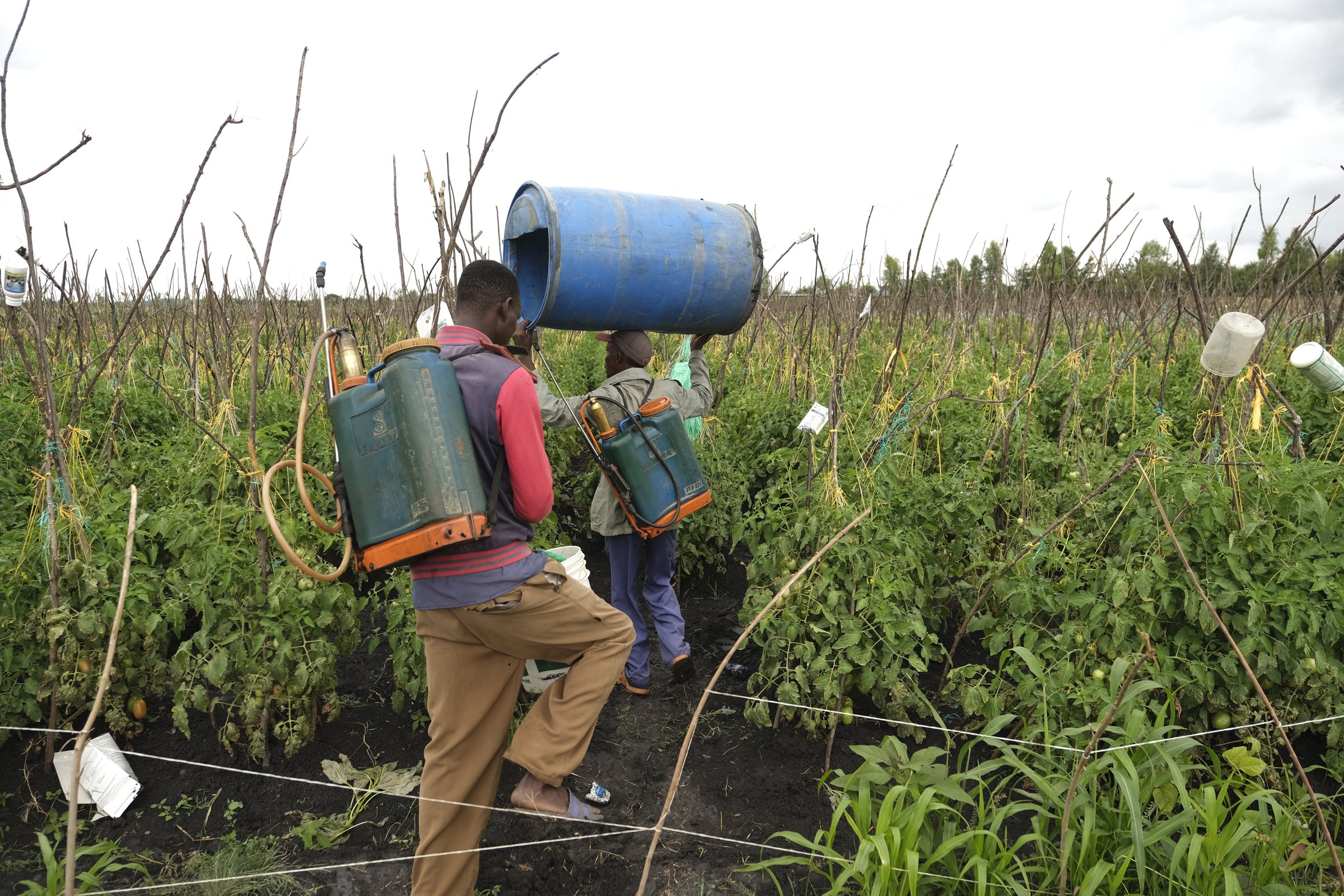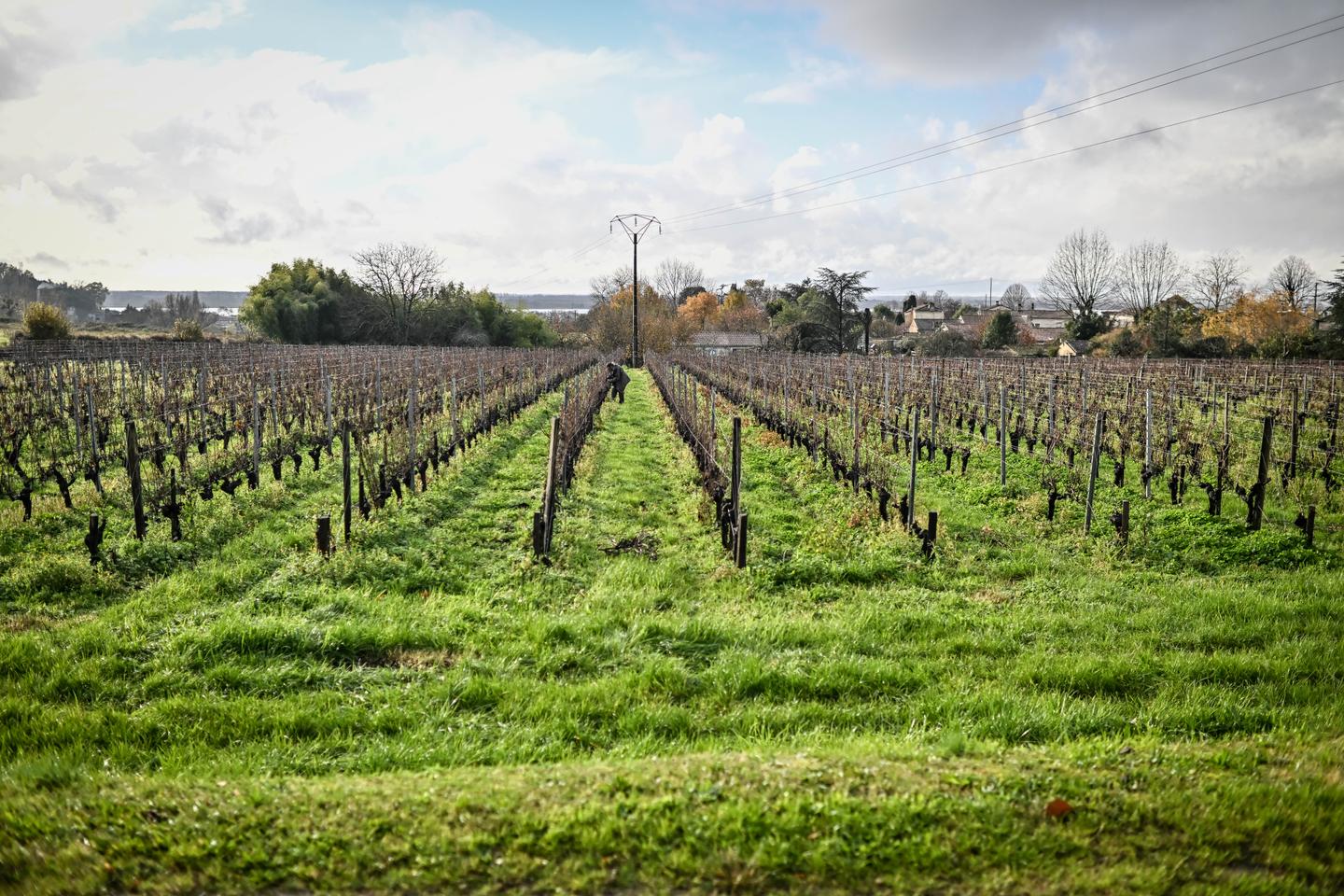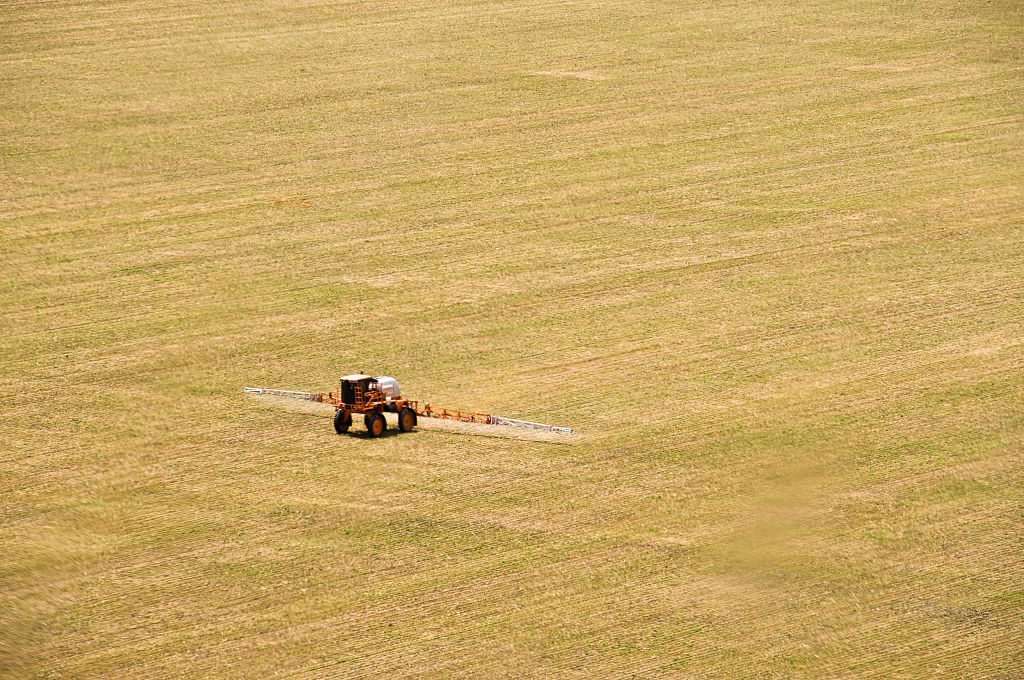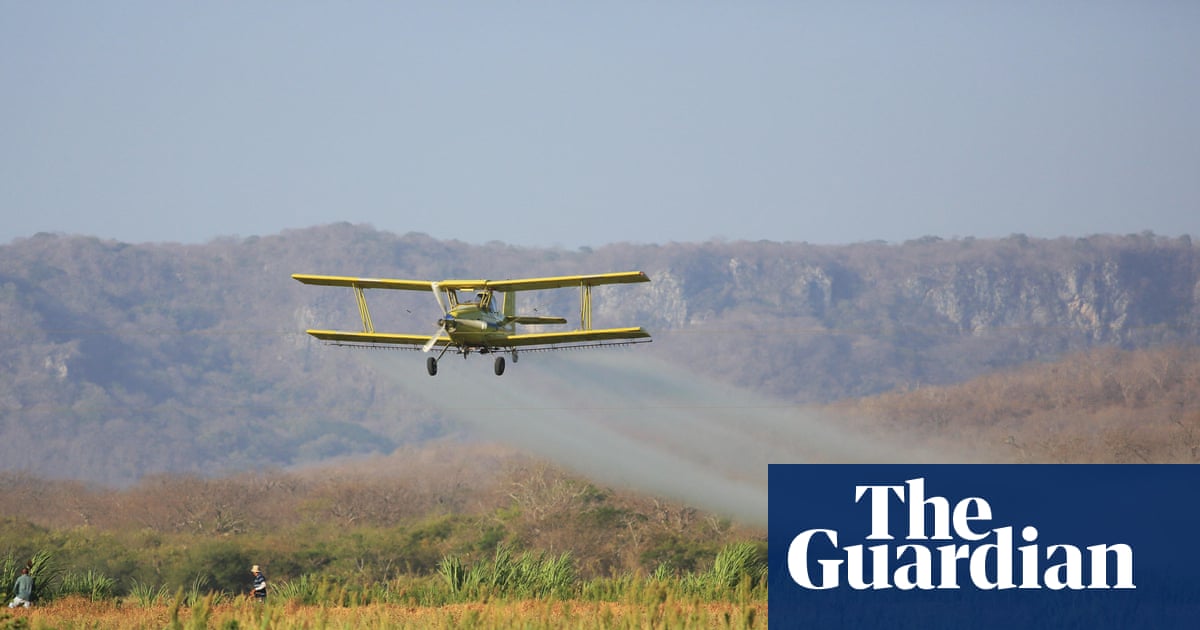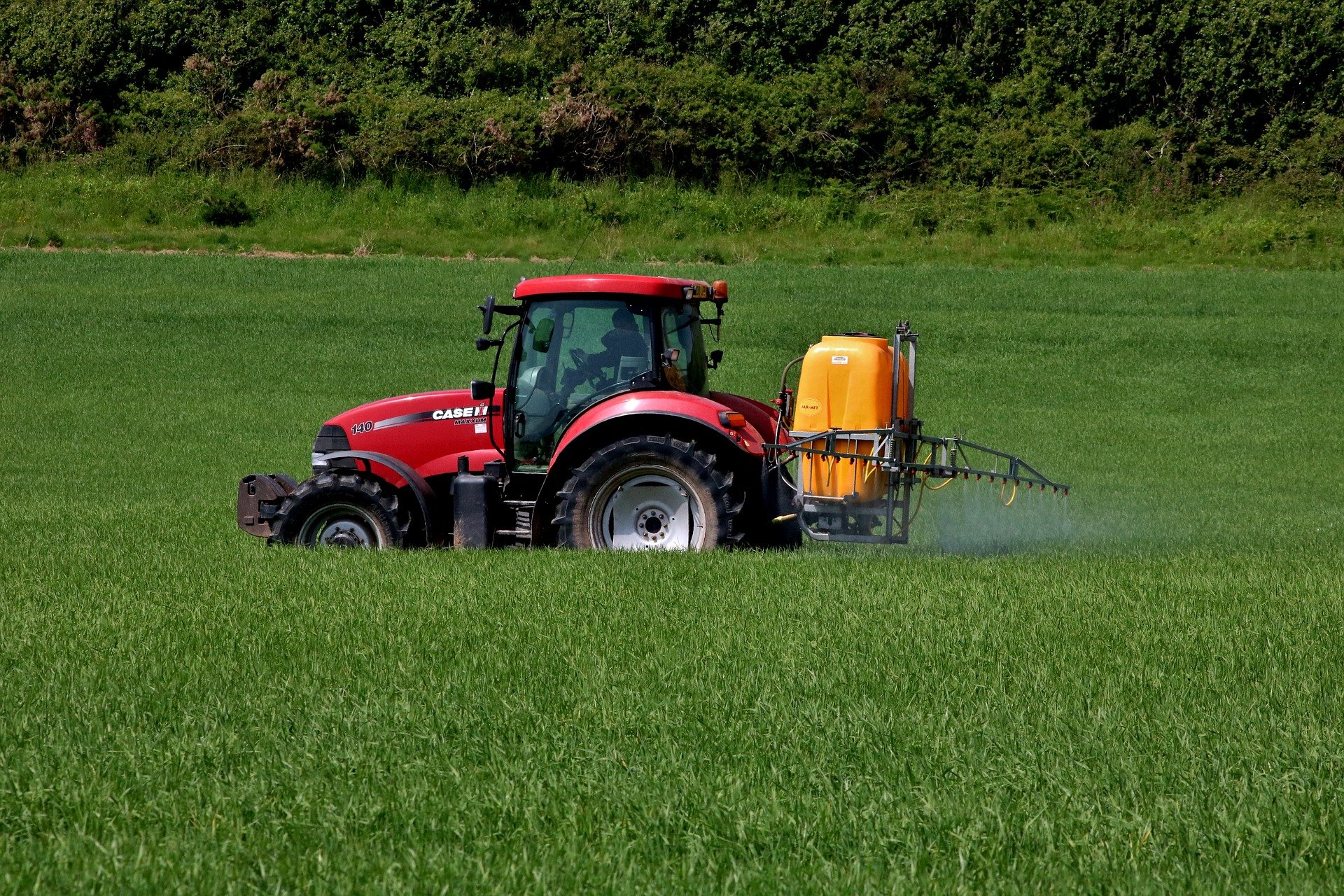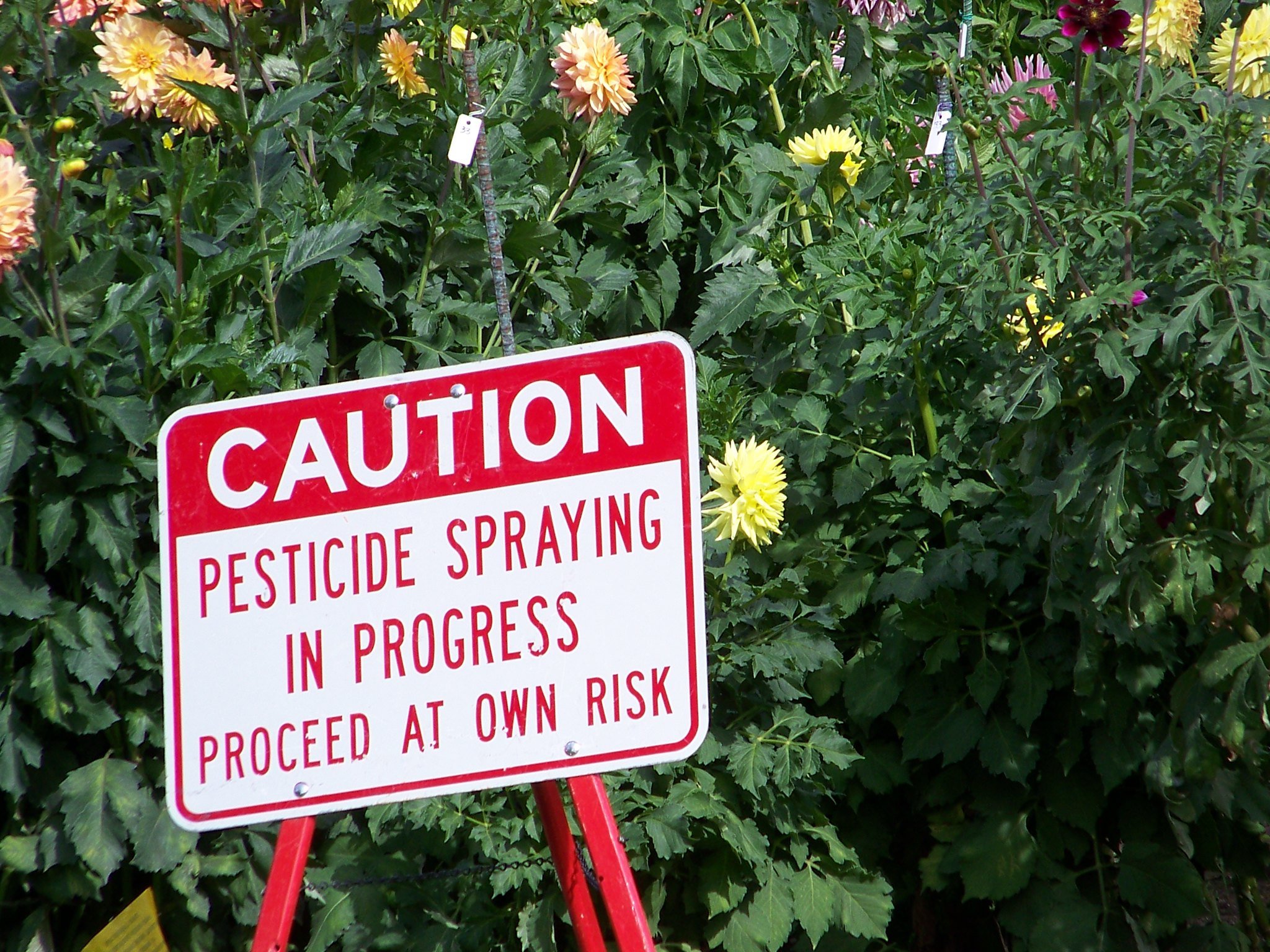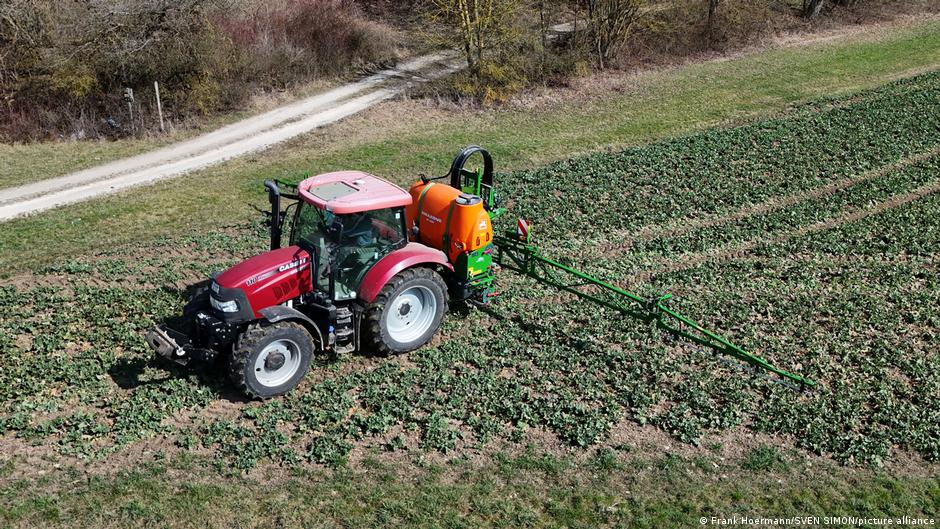
Three years ago, the European Union seemed to be getting serious about pesticides. Some 40% of the bloc's citizens had expressed concern about finding them in their food and over a million people were calling for a phaseout. As a sign of the times, the European Parliament was set to vote on a binding proposal to halve pesticide use by 2030 — taking the 2015-2017 average as a baseline.
"Without these changes, we risk pollinator and ecosystem collapse which will have even greater impacts on food security and food prices," Stella Kyriakides, the former EU commissioner for health and food safety, said at the time.
Fast forward to 2026, and the bloc has shelved the mandatory reduction regulation for good. What's more, in an effort to remove regulatory burdens for companies, the European Commission, the EU's executive body, is now considering approving most pesticides permanently.
This move to loosen controls has met with resistance from campaign groups. Manon Rouby from Pesticide Action Network International said it would undermine "the link between pesticide use and the impact it has on human health."
DW has analyzed how the use, sales and impact of pesticides evolved before and after the EU dropped its binding 50% cut.