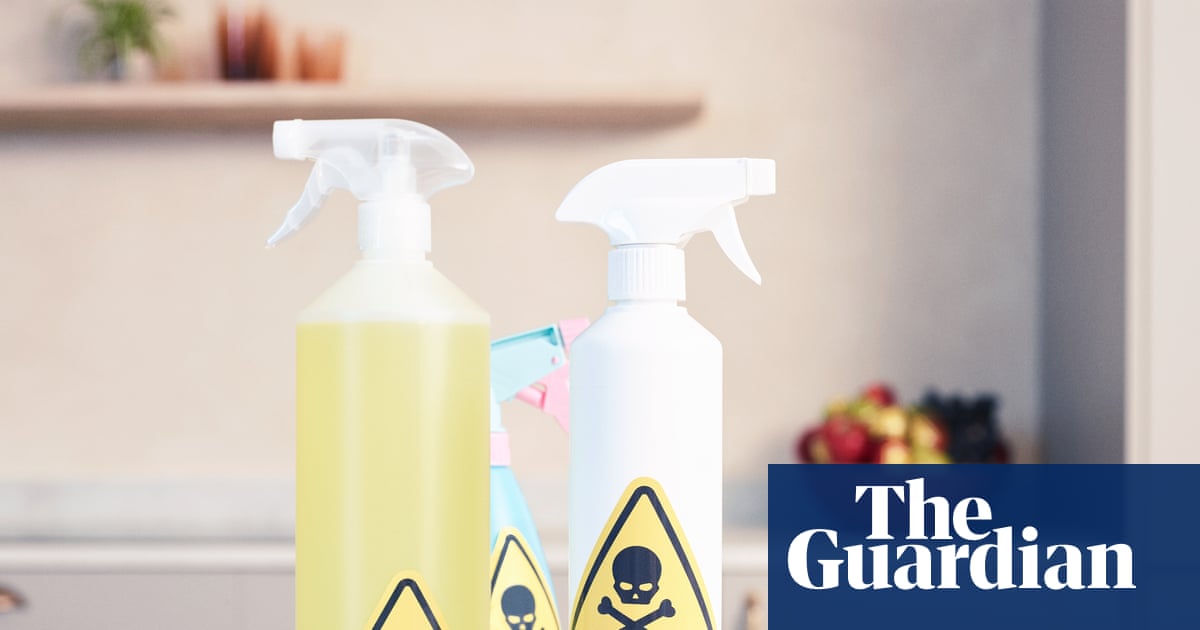
Could Europe be sabotaging its own environmental plan? Launched in April 2022, the European Commission's roadmap to eliminate the most hazardous chemicals to health and the environment from consumer products was praised by environmental advocates as a "historic" turning point. It was seen as the world's most ambitious program in this field.
The European Environmental Bureau (EEB), the largest network of environmental NGOs in Europe with more than 190 organizations, estimated that the plan would lead to the ban of up to 7,000 substances found in manufactured products like baby diapers, toys, textiles and furniture by 2030. The initiative was expected to bring the European Union closer to its "zero pollution" goal, set as part of the Green Deal.
Four years later, the EEB, in partnership with ClientEarth, published a scathing assessment of the Commission's stated ambitions. Out of 22 substances or groups of substances prioritized in the roadmap, the report's authors counted 14 cases that have stalled. For seven of them, the Commission has not even started the regulatory process. For the rest, delays have continued to mount, in violation of the law.
Delays of up to four years
Under the European regulation on the Registration, Evaluation, Authorization and Restriction of Chemical substances (REACH), the Commission is required to act within three months of receiving an opinion from the European Chemicals Agency (ECHA) on a proposed restriction. But the BEE and ClientEarth say this deadline has never been met.