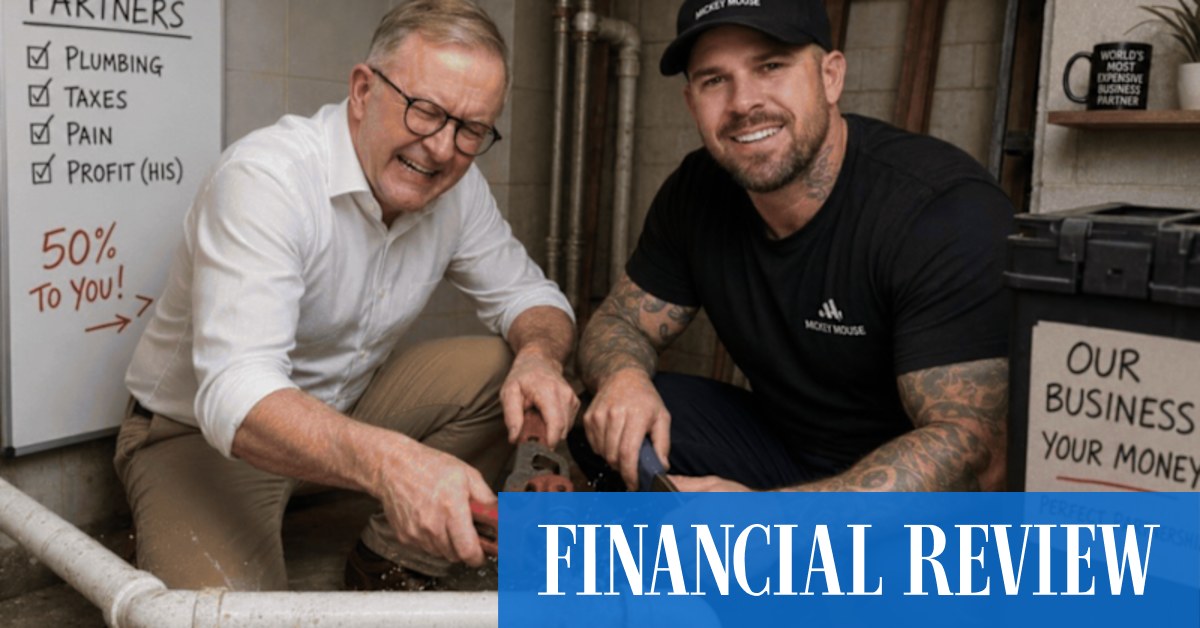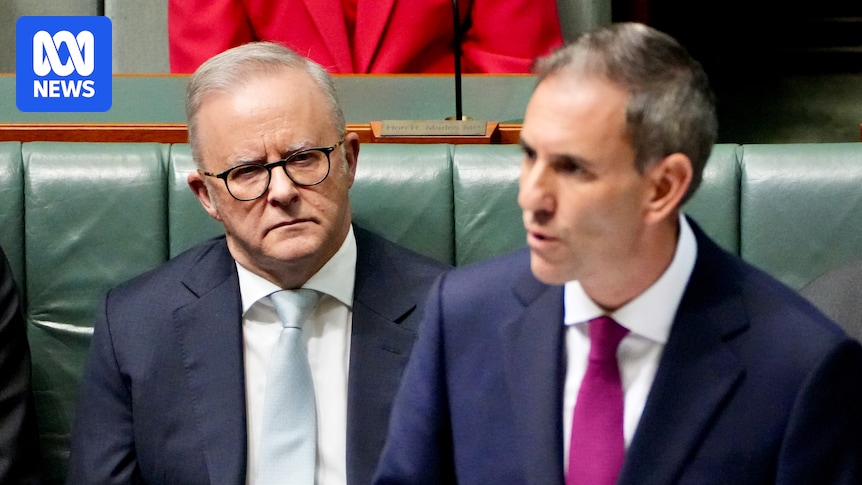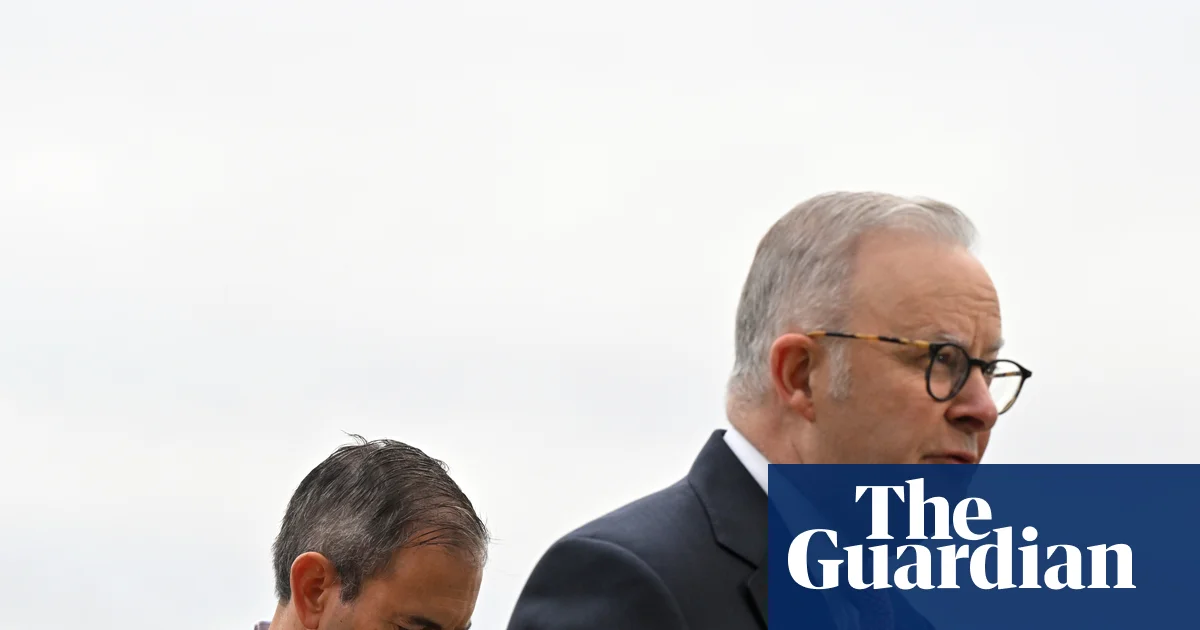
The founder of Australian startup success story Canva says the capital gains tax discount is critical to entrepreneurs launching new companies, heaping more pressure on the Labor government to reconsider its budget changes which critics warn could stifle innovation.Prime minister Anthony Albanese and treasurer Jim Chalmers say they remain in consultation with the startup and tech sectors, but have given no indication of winding back their changes or giving CGT concessions to those businesses. Shadow treasurer Tim Wilson claimed the CGT changes would “kill startups”.Canva, the graphic design software company valued at over $60bn, is often held up as a leading example of Australian innovation and tech, with critics of the government’s changes citing fears that “the next Canva” may be discouraged by the shift away from a 50% CGT discount.Cliff Obrecht, co-founder and COO of Canva, said the company was working with the government and keen to “iron out all of the details” of the CGT changes.“We’ve loved building Canva here in Australia, and we want to keep seeing ambitious companies start, scale, and stay here. A big part of that is making sure Australia remains one of the best places in the world to take the risk of building something from scratch,” Obrecht told Guardian Australia.“The capital gains discount has played an important role in encouraging this. We appreciate the government understands the importance of this, and that they’re engaging closely with the startup community as they iron out all of the details.”The CGT changes – replacing the 50% tax discount on profits with “cost-base indexation”, meaning tax on profits after inflation, and a minimum 30% tax rate – were strongly opposed by some tech founders. Early stage startup companies with little cashflow often offer employees equity in the company, or stock options, in lieu of higher pay, while founders can be motivated to take risks with new ventures by a large potential payday when they sell their companies. Both could be affected by the CGT changes, the Tech Council of Australia warned.Wilson claimed the changes were a “war on the self-starters and small businesses”, arguing that many young people were keen to build wealth through investing, starting small businesses or startups, or working for new businesses that offered equity or shares.“We need courage to fight for a new dawn – a dawn that restores living standards and protects our way of life. A dawn that fills young Australians with hope, aspiration and confidence,” he said.“To build an economy that favours the Australian people, rather than Labor, big union and big superfund oligarchs. And not a government that is empowered to kick the lemonade stands of the next generation.”Government sources remained tight-lipped on the consultation, declining to indicate how that process would play out. While some economists and Labor MPs quietly expect the government may offer extra concessions to new businesses facing unique conditions, senior sources said while they recognised the issues, there was no guarantee they could be addressed.Obrecht said the sector was keen to keep talking to government through the consultations.“We don’t want to get ahead of those conversations, but we’re continuing to work constructively with government to make sure Australia remains a great place to build a global company,” he said.Albanese said consultation with the startup sector would continue, but defended the government’s moves to change how CGT worked, in a bid to increase housing affordability and level the playing field between young homebuyers and property investors.The prime minister told ABC Perth radio that the CGT changes would only apply when a business or stocks are sold, would not constitute any form of ongoing or annual tax, and that exemptions for small businesses would remain.“There are campaigns being run from the right-wing parties and their allies to distort some of what’s being offered,” he said.Andrew Charlton, the assistant minister for the digital economy, rejected claims in social media memes from startup owners that the government would level a 47% tax on companies. On ABC Sydney, he said they would pay tax on the profits of their business or asset sale, adjusted for inflation, which he called “a fairer and a level playing field for all assets.”“It is absolutely not true to say that we are somehow increasing tax to 47% on entrepreneurs or small businesses,” Charlton said.Frank Greef, a startup founder who was among the first to produce the AI-generated memes of Albanese, admitted in an ABC interview that companies were unlikely to be paying 47% tax, but said he and others had made such claims to gain attention.
Labor denies CGT reform will ‘kill startups’ as tech giant Canva warns of stifling innovation
Albanese and Chalmers say they remain in consultation with tech sector, but give no indication of winding back proposed changes or giving CGT concessions
754 words~3 min read