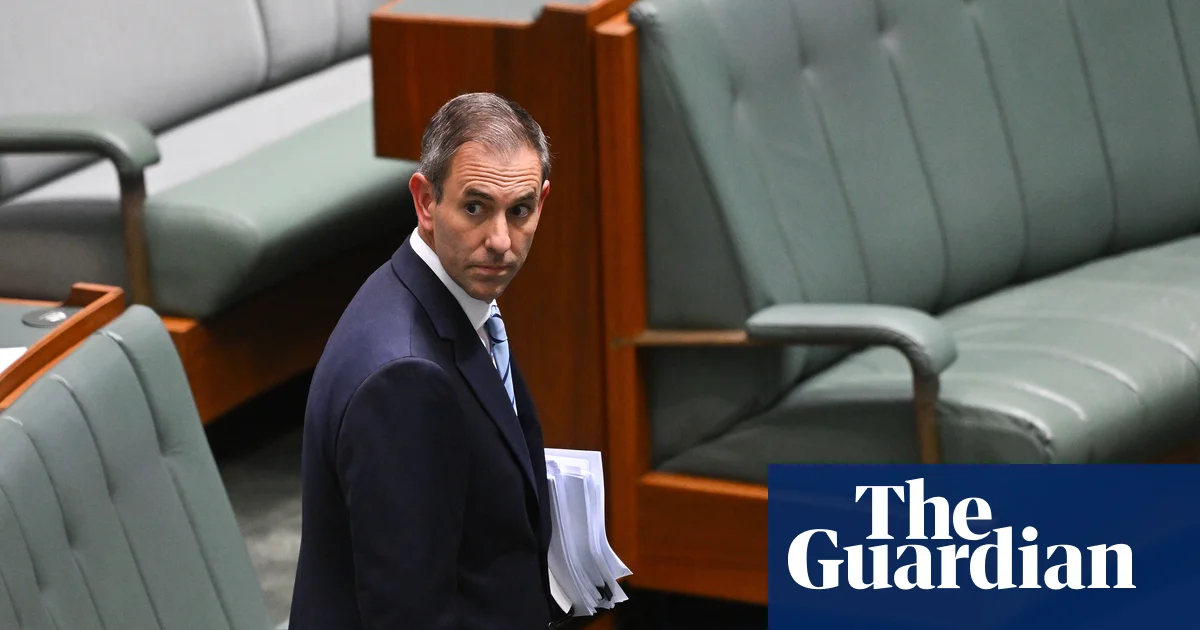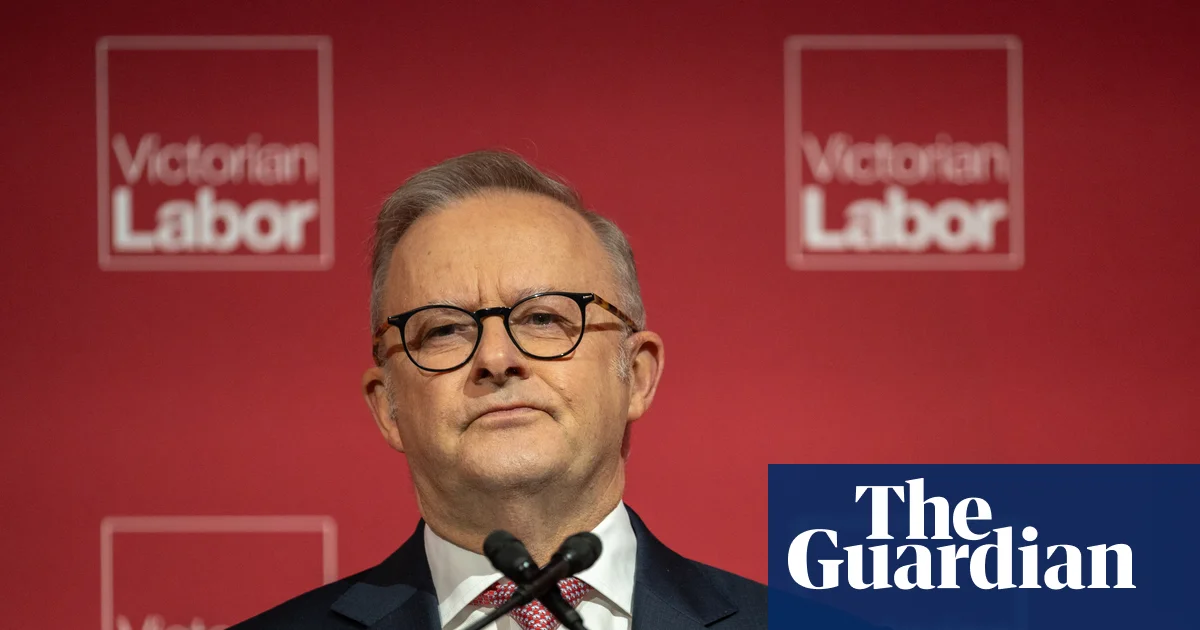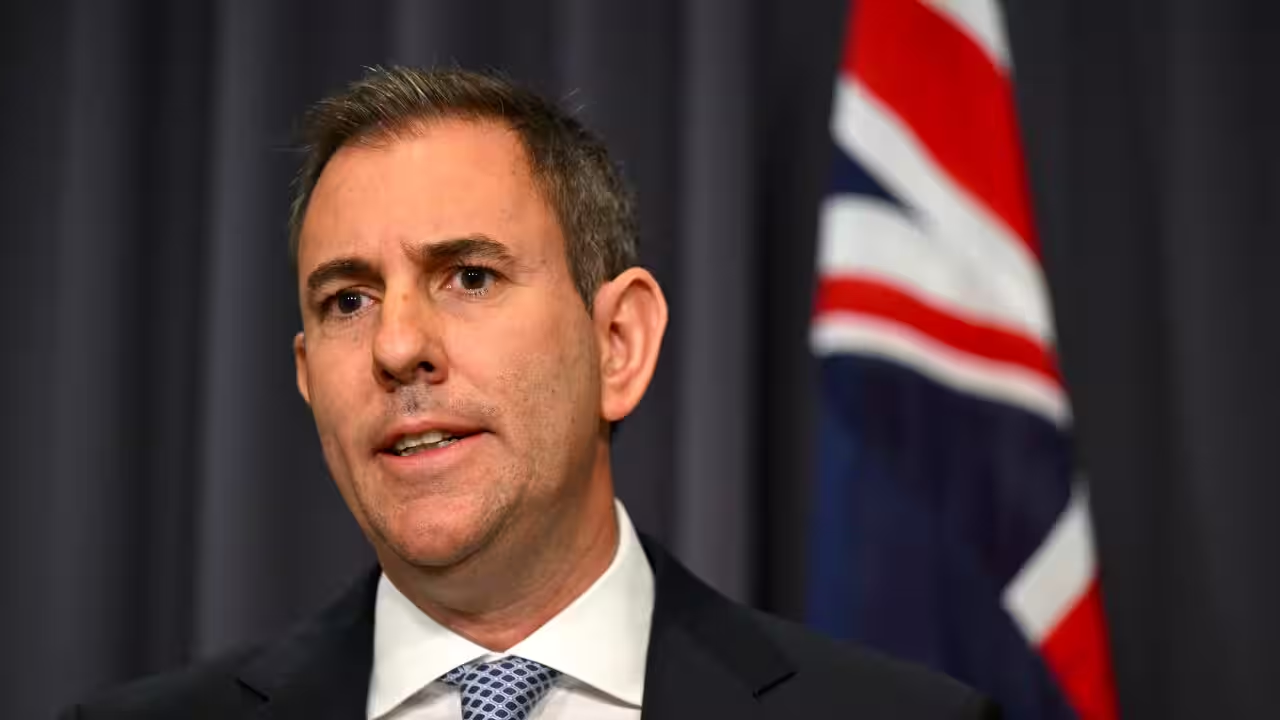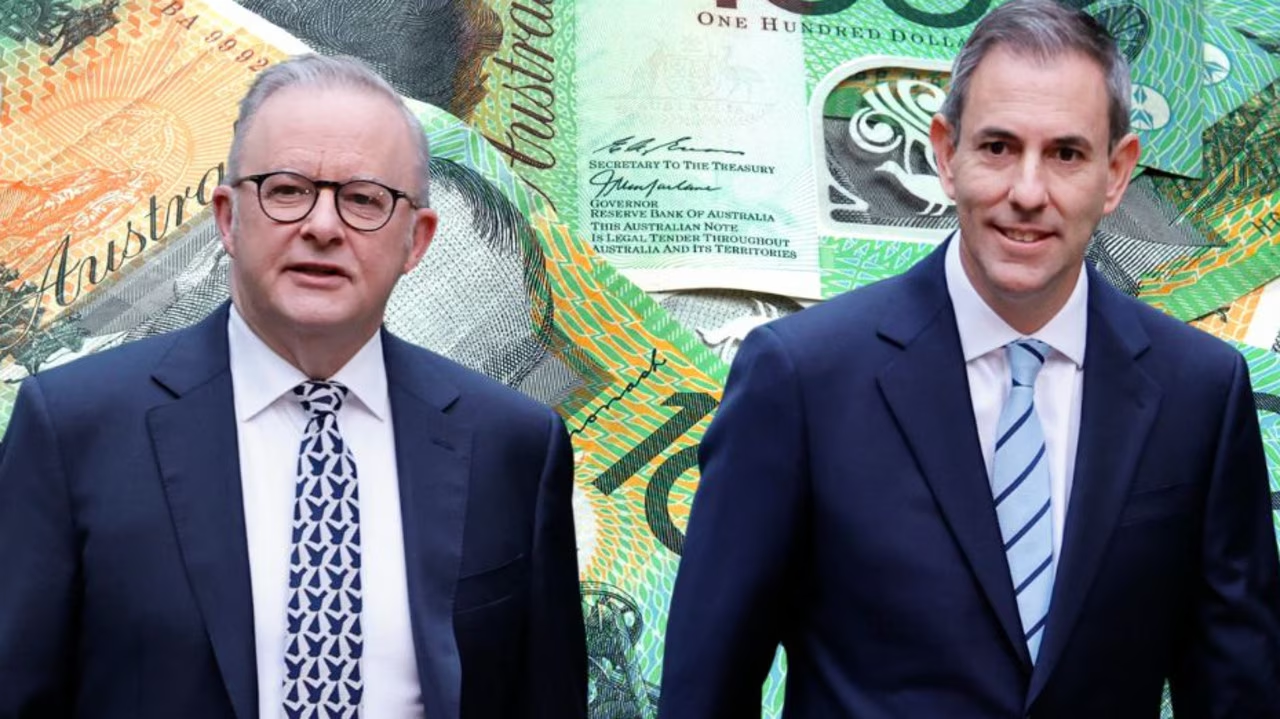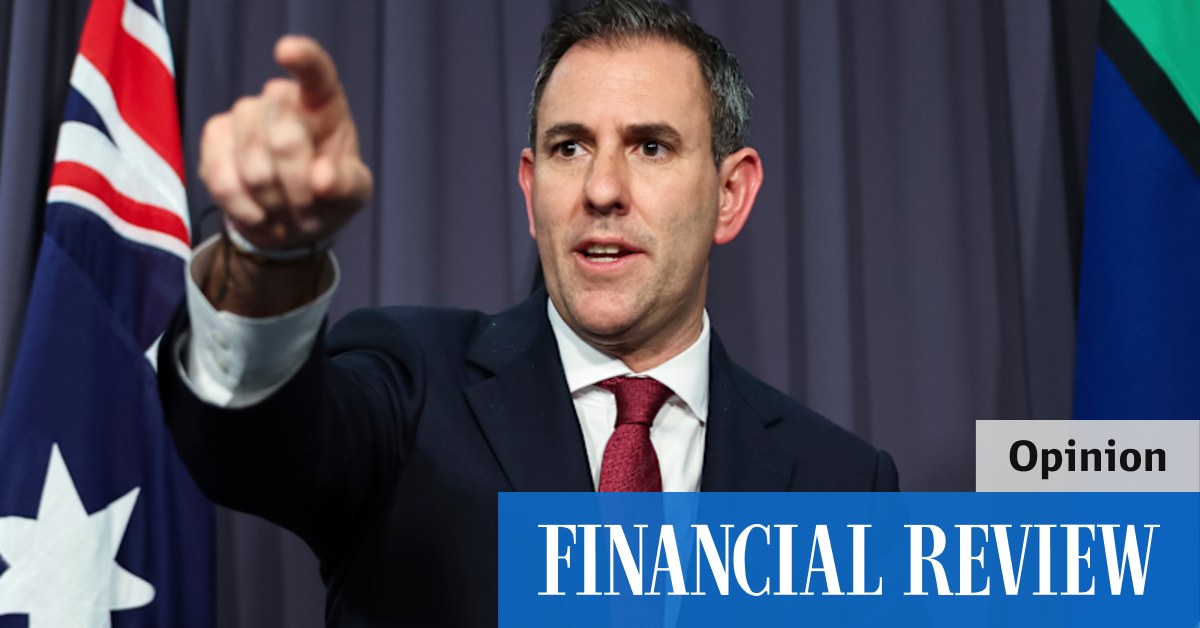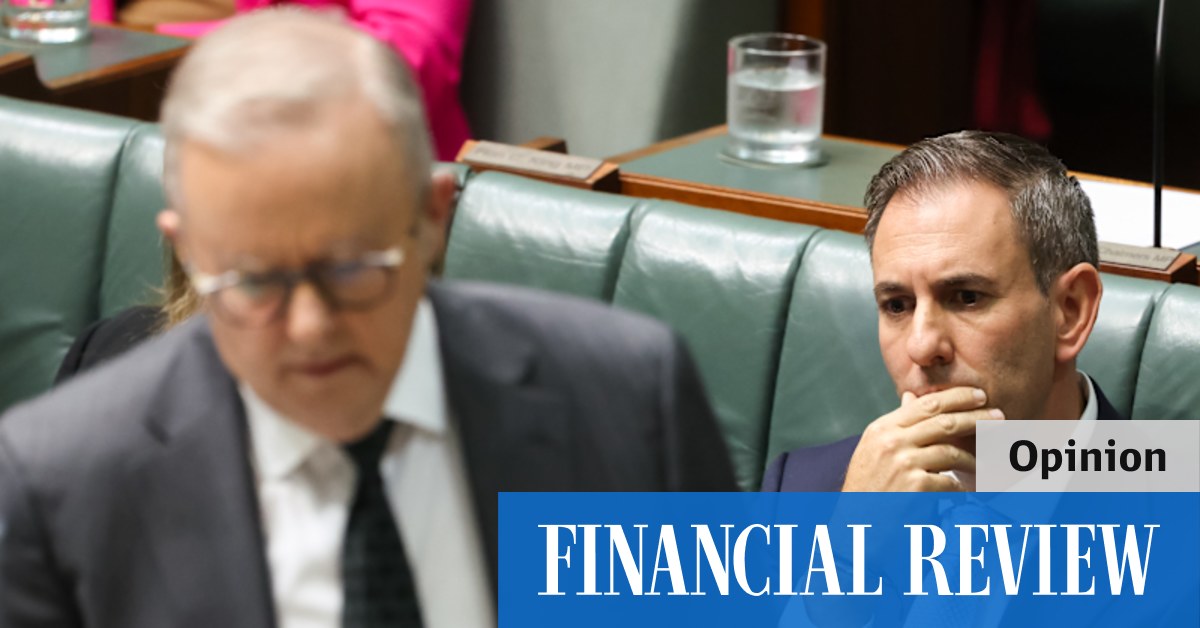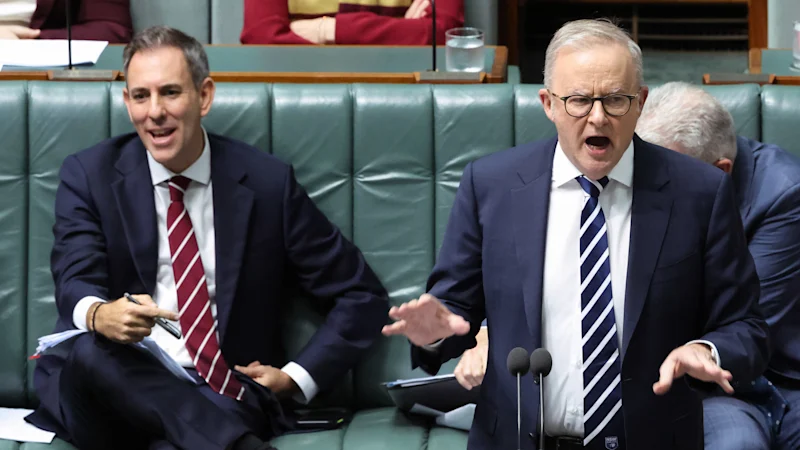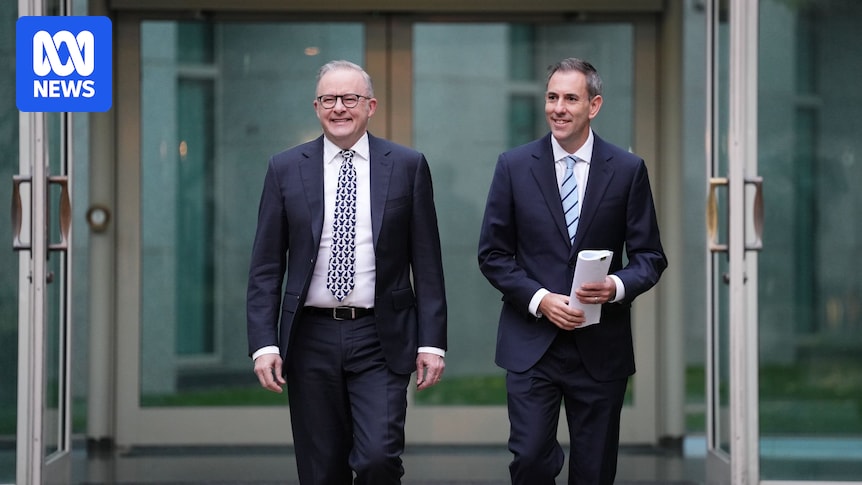
Labor MPs are gearing up for a hard sell on the impact of the federal government's tax changes for some small businesses, trusts and shares despite many reporting "positive" feedback on housing reforms.As Prime Minister Anthony Albanese and Treasurer Jim Chalmers have been travelling around Australia spruiking the budget, they have come under pressure over how their proposed changes will affect certain types of businesses, startups and investors.Reassurances that further consultation and transition support would resolve many of the concerns raised in recent days have not appeased opponents of Labor's planned changes to the capital gains tax (CGT) discount and trusts.Multiple polls published in the wake of the budget have suggested most Australians believe Labor's changes will make them worse off, while none of the tax measures have attracted majority support.Budget changes pose 'scare campaign' riskLabor MPs who have been out in their communities knocking on doors, holding mobile offices and attending local events have reported a mixed reaction to last Tuesday's budget.Of the eight backbenchers who spoke privately to the ABC about the mood in their electorates, all said the idea Labor had broken election promises over negative gearing and CGT was not voters' primary focus.But many detected unease about the impact on small businesses and startups, with several acknowledging changes to trusts were ripe for a "scare campaign" if not carefully explained.One Labor MP said at the 2025 election Mr Albanese had gained unlikely supporters, such as small business owners, by successfully positioning himself as a "low-risk" option.They said some budget measures would now prompt those voters to rethink that view.Negative gearing and CGT on housing 'positive'One MP said most people were interested in understanding the policy changes and what it would mean for them.Another said they were "pleasantly surprised" by the apparent support for Labor's attempt to rebalance the housing market toward first home buyers by reining in tax incentives for property investors."The reaction from a lot of young people has been positive," a Labor MP said.Another said that after years of hearing from voters a desire for Labor to "do something", there was an appreciation for what the government was now attempting.Labor plans to limit future negative gearing to new builds and scrap the 50 per cent CGT discount in favour of a tax deduction based on inflation.The CGT change is for property as well as other asset classes like shares and cryptocurrencies, and a 30 per cent minimum tax rate will apply.This has sparked backlash from younger investors and owners of small businesses and startups.CGT on startups spark AI Albanese viral trendOne popular social media trend involves small business and startup owners using AI to superimpose Mr Albanese into photos at their work, suggesting the government is now a surprise 47 per cent stakeholder in their operation.The figure is based on the idea that, without the 50 per cent CGT discount, a small business owner faces a tax rate of up to 47 per cent when they sell their business.The original AI-generated call-out on Frank Greef's social media where he posted: "Aussie founders share your favourite pics with your new co founder and tag me." (Instagram: @frankgreeff_)Independent economist Kristen Sobeck said, in reality, few businesses would be hit with that tax rate due to other discounts available."This is the worst-case scenario because small businesses, which aren't companies, are eligible for small business capital gains tax concessions," she said.Kinso AI co-founder Frank Greef was an originator of the "47 per cent" memes and said his focus was not whether most businesses would actually pay that tax."Unfortunately, the more nuance you have, the quicker someone will just scroll past and not care about what you're saying," he said."This 'consultation period' [the government is talking about] would have just happened, and so I had a choice: do something that is bold, that will catch fire on the internet, and that gets enough attention to create a conversation … that's all I'm looking for."Multiple Labor MPs said the viral online trend had not reached the general public, but one said there was definitely a "wariness" among small business owners that would need to be carefully managed."Every change is hard to sell because there is that initial uncertainty," the MP said.Anne Aly is advising people not to turn to memes for advice. (ABC News: Ian Cutmore)Small Business Minister Anne Aly said about 90 per cent of small businesses would experience "absolutely no impact"."What I would say to small business is, do not rely on social media memes for your advice on how these changes impact you," she said.Tax on discretionary trusts worries small businessesMr Albanese went on the defence during a visit to Perth on Tuesday when pushed on whether a new 30 per cent tax on most discretionary trusts would have unintended consequences for some small businesses.This included the potential for business owners to be hit with stamp duty fees when they moved to restructure away from discretionary trusts.Businesses in Queensland and Western Australia are particularly exposed as those states impose a fee on the transfer of assets like stock and equipment, as well as real estate.Anthony Albanese went on the defence during his visit to Perth on Tuesday. (ABC News)"Stamp duties are imposed by state governments, not by us. And so we will work through with state governments those issues," Mr Albanese said.The new tax will apply to discretionary trusts, with exemptions for categories like agriculture and vulnerable children, as well as fixed trusts, deceased estates and existing discretionary testamentary trusts.The changes are due to take effect from mid-2028, but uncertainty around the details has worried small business owners.Labor is planning to offer them support in the next two years as they transition to different structures that would avoid the 30 per cent tax.Peak bodies and accounting groups are being briefed in an effort to reduce confusion within the sector.Labor consulting before CGT legislation introduced in JuneThe PM said the government was also consulting about how to ensure the tax changes did not disproportionately hurt or disincentivise startups and venture capital."We'll work through those issues over the next brief period before we introduce the legislation," he said.Labor is planning to introduce the draft bills reining in negative gearing and the CGT discount in the second half of the next sitting fortnight, which would be early June.Mr Albanese said the changes to trusts, which were intended to take effect in July 2028, would take "longer to develop" though the legislation would be introduced "this year".The federal Coalition has accused Labor of introducing a "death tax by stealth" due to the inclusion of future testamentary discretionary trusts in the budget changes.Shadow Treasurer Tim Wilson will use his speech to the National Press Club on Wednesday to argue Labor has failed to understand the role trusts play in protecting small businesses and vulnerable people.Mr Wilson will also accuse Labor of becoming "freeloaders off the hard work of Australians", suggesting capital gains tax levels are not too low but income tax is "too high".In Western Sydney on Tuesday, Mr Chalmers rejected suggestions the government was failing to sell its budget, adding that "difficult" reforms could be "contentious".He said the CGT changes would apply a "fairer, more neutral" tax treatment to different types of assets, arguing the previous settings locked young Australians out of the housing market.
Labor walks tightrope as tax overhaul alarms startups and investors
Labor MPs are gearing up for a hard sell on the impact of the federal government's tax changes on some small businesses, trusts and shares, despite many reporting "positive" feedback on housing reforms.
1,214 words~6 min read