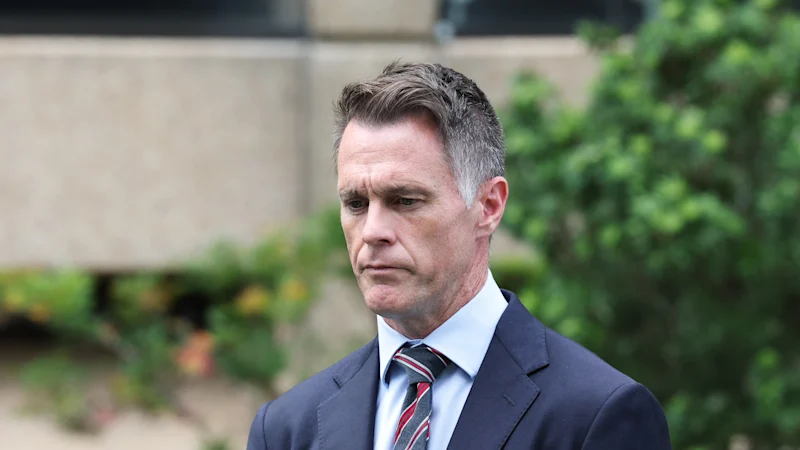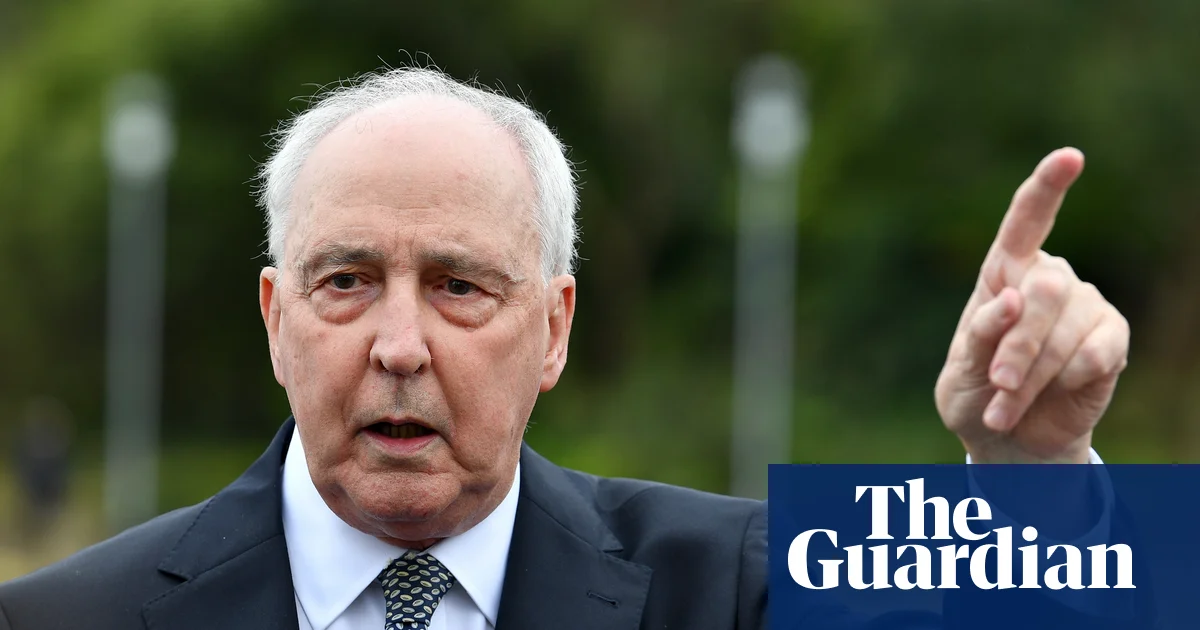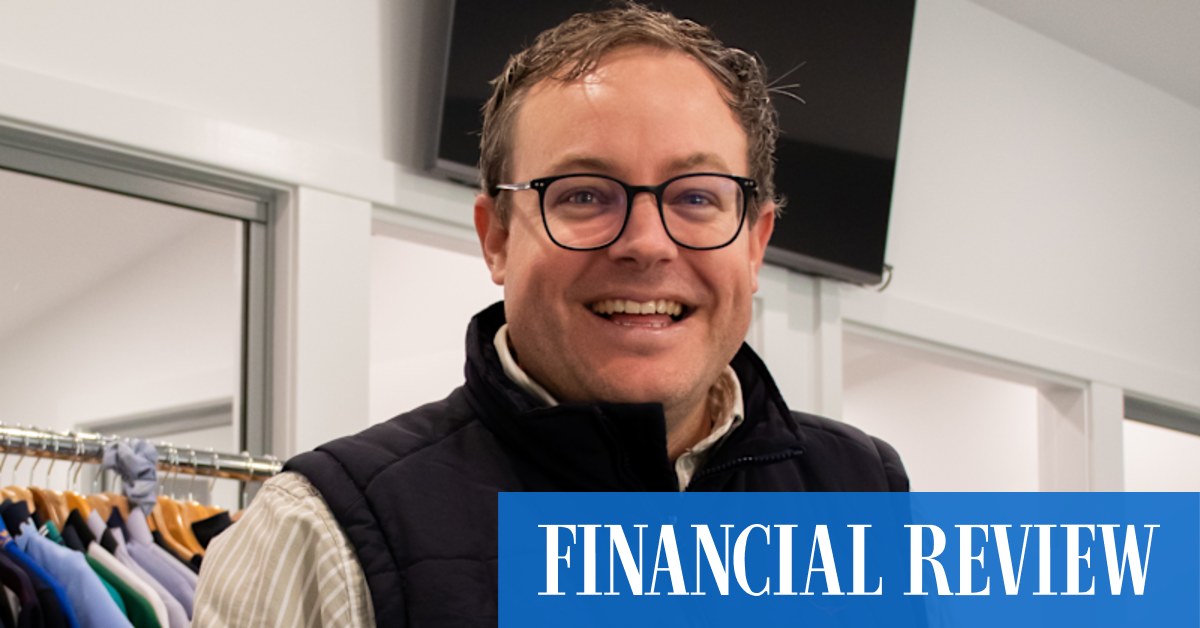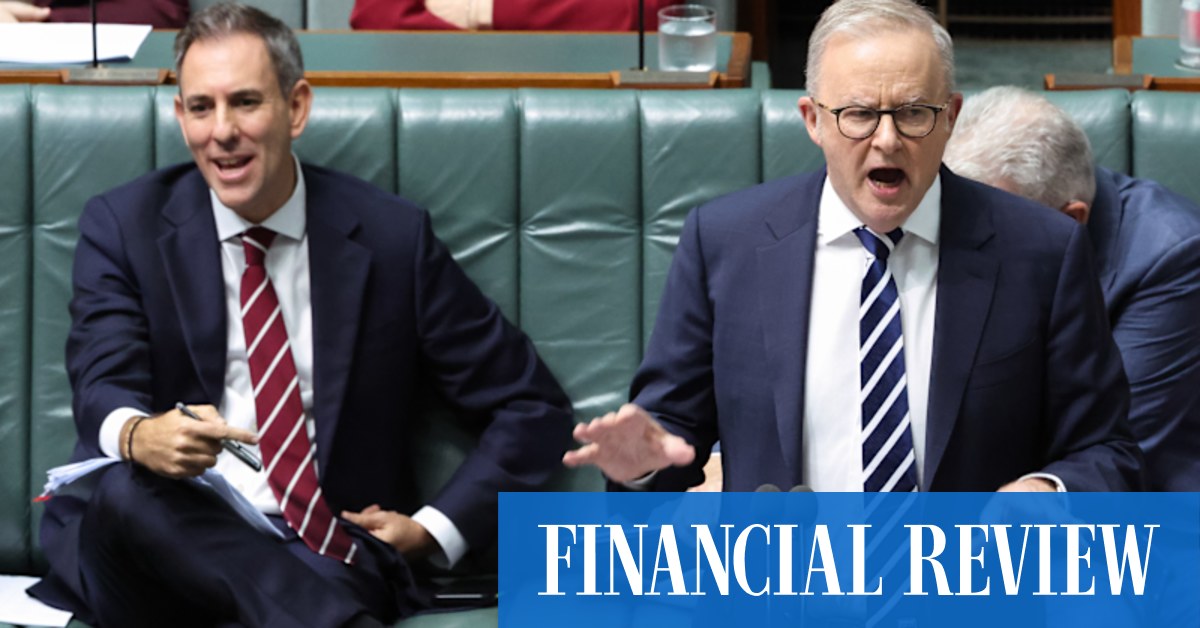
May 20, 2026 — 3:28pmNSW Premier Chris Minns has demanded urgent action from the federal government to prevent working families from getting stung by bracket creep, as he refused to support controversial tax changes for small businesses.The extraordinary broadside against his federal counterparts came as Prime Minister Anthony Albanese also faces the ire of the business community, which fears changes to capital gains tax and discretionary trust settings will make Australia unattractive for entrepreneurs and investors.Small business owner Chris Nour has backtracked from plans to expand his business. James BrickwoodThe premier said those in the top tax bracket paying 47 per cent tax on earnings above $190,000 were working Monday, Tuesday and part of Wednesday for themselves, then working the rest of the week to pay the government.“I know budgets are under pressure but, in a general sense, whether it’s now or in the future, we do need to make sure we’re taking urgent action when it comes to personal income taxes because at the moment a lot of working families are getting stung,” he said.Removing the wages cap was a key election promise of the NSW government, and many essential workers including teachers and nurses have been granted pay rises in recent years.“In some cases it’s pushing them up into higher tax brackets, or they miss out on family tax benefits, and as a result, they may be slightly in front of where they were, notwithstanding the fact that it’s a big cost on the NSW budget,” Minns said.Chris Minns says working families are getting stung by bracket creep. Steven SiewertFederal Opposition Leader Angus Taylor vowed in his budget reply speech to end bracket creep by indexing personal income tax rates to inflation.The federal government is replacing the 50 per cent discount on capital gains tax to a model indexed to inflation, with a minimum of 30 per cent. When asked if he held concerns that changes would reduce investment and risk-taking for small businesses, Minns did not defend the changes.“I’m saying they’re not my changes, it’s a matter for the federal government, you should ask them,” he said.He also pointed to existing volatility from war in the Middle East and inflationary pressure on businesses.For small business owner Chris Nour, uncertainty around the changes mean he has paused plans to hire more staff and expand his North Sydney physiotherapy and Pilates business to other locations, and will instead be “as conservative as possible”.“We’re the only business on the whole floor,” he said. “One at the very end of the floor went broke, the guys next door also went broke. When you’re seeing that happening on your floor, you’d be stupid to say, let’s invest. Right now we just want to weather the storm.”Nour founded Urban Pilates and Physiotherapy in 2019, and has endured economic headwinds from rising inflation, the pandemic and global conflicts. But he said it was the “alarming” changes to tax settings that could deal the final blow to him and his 16 employees.Some days he would rather just be an employee again and not have to worry, he said.“I think we’re not being encouraged to be innovators, to take risks at all, and that’s how you see everything just dwindle away,” Nour said.The federal government has held off introducing the changes into legislation to allow for consultation with business groups. Changes to trusts won’t come into effect until 2028, giving businesses some time to change structures to avoid the 30 per cent tax.Business NSW described the changes as a “tax bomb”. CEO Daniel Hunter is calling on the government to reconsider the changes which he says make Australia uncompetitive compared to places like New Zealand, which has more favourable tax settings for asset owners.“I think that people agree with the changes to property (CGT) but the inclusion of business in these tax changes came as a surprise and I don’t think we need any more disincentives in Australia to start and operate small businesses,” he said.Treasurer Daniel Mookhey said the nation had a tax system built for an economy that existed at the turn of the millennium rather than today, saying the need for modernisation was without doubt and that national conversations about the reforms were fair.“I will just remind everyone that the tax code we had a week ago wasn’t fit for purpose, it wasn’t helping us build productive enterprise, wasn’t helping people convert work into wealth, and wasn’t helping us build new businesses,” he said.“We do need a tax system at a federal level and at a state level that helps us back enterprise, helps people build new businesses that also helps wage earners to get ahead.”Start the day with a summary of the day’s most important and interesting stories, analysis and insights. Sign up for our Morning Edition newsletter.From our partners
‘You’d be stupid to say, let’s invest’: Tax changes mean Chris is putting expansion on hold
While small business protests against changes to capital gains tax rules, the premier is demanding action on income tax.
798 words~4 min read