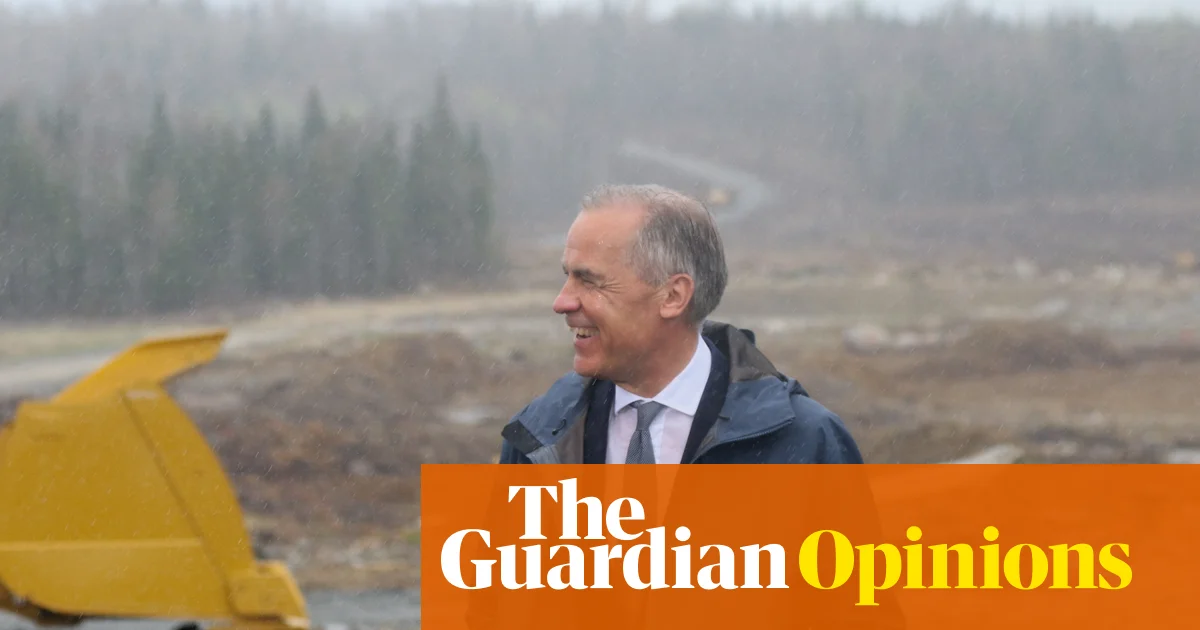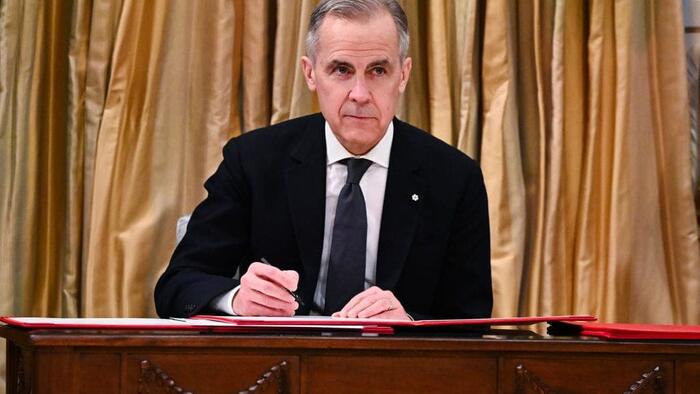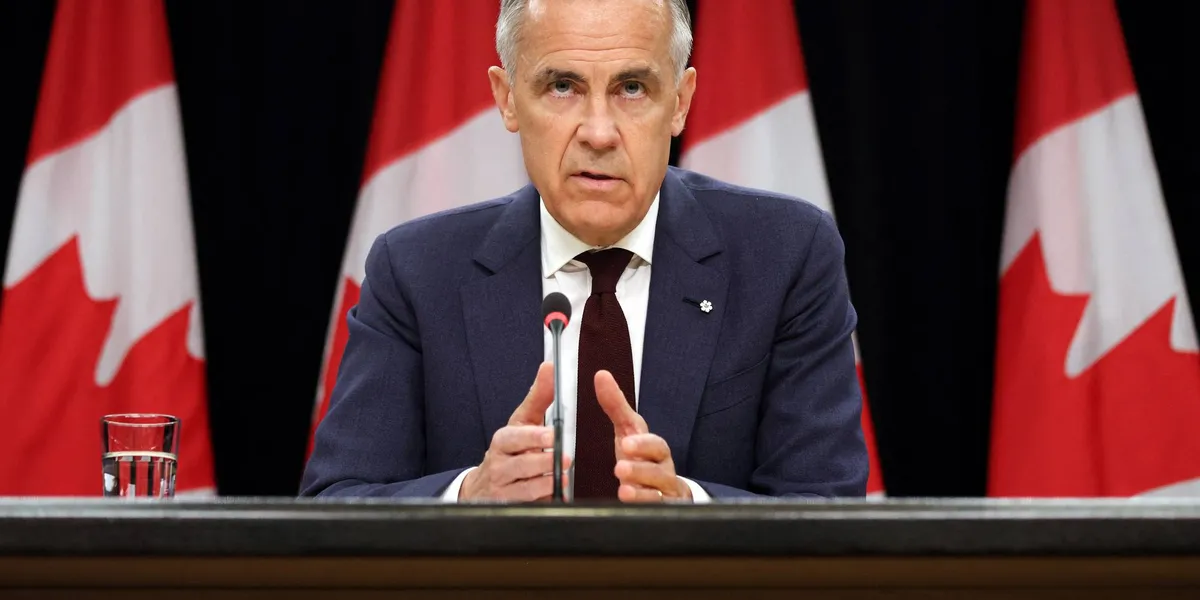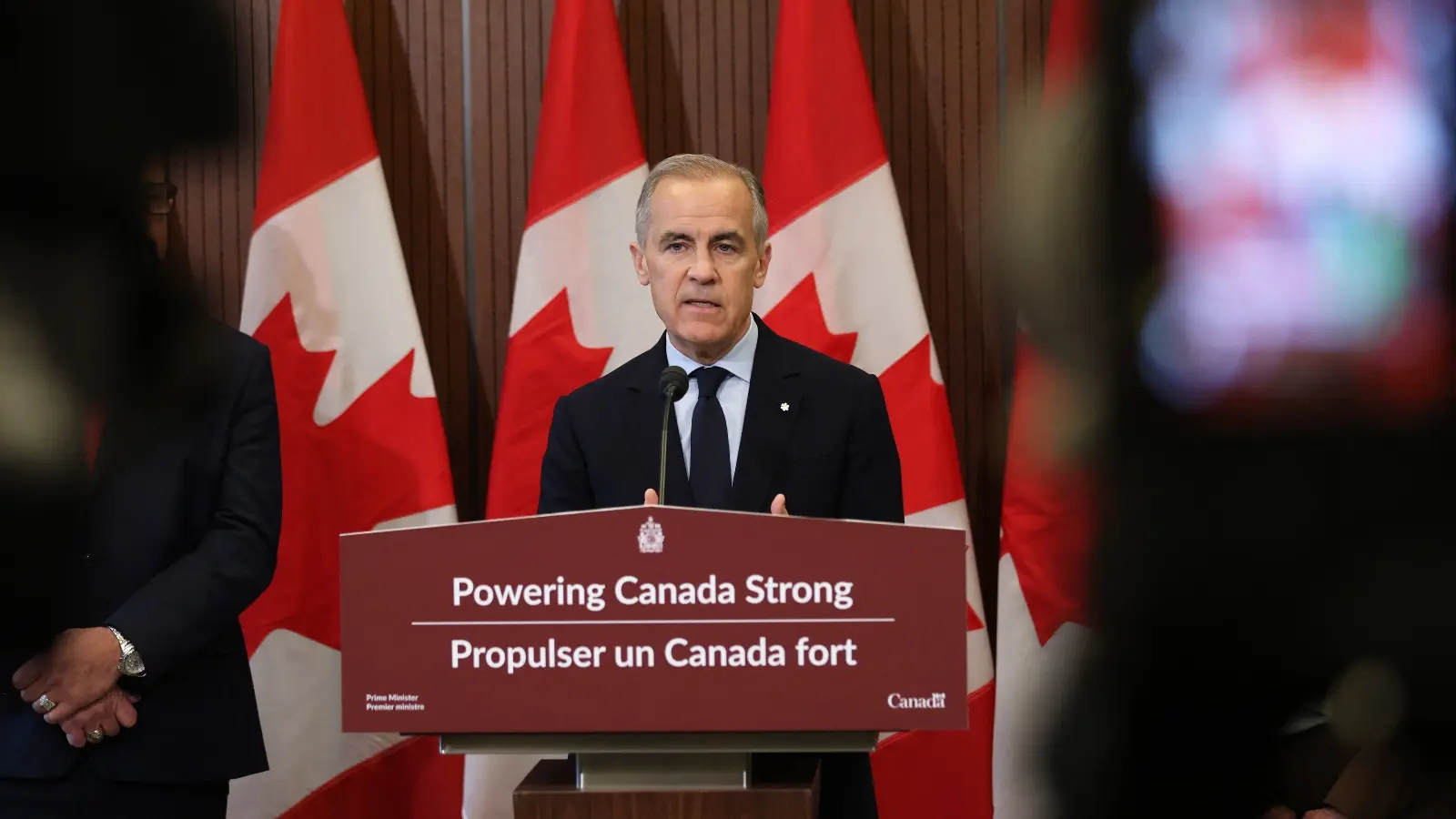
Before he became prime minister of Canada, Mark Carney was perhaps one of the world’s biggest supporters of the idea that climate action was good business. He led the clean energy investment fund for Brookfield, one of the world’s largest financial firms, and founded a global alliance of bankers and politicians who wanted to channel their resources toward green energy. When he took over from outgoing Prime Minister Justin Trudeau, many expected that he would follow the previous Liberal leader’s ambitious climate agenda, which included taxing fossil fuels and subsidizing clean technology.
But just like in Carney’s beloved sport of hockey, momentum in the climate world can change fast. In the year since he took over, Carney has unveiled a suite of new policies to gut Canada’s ambitious climate regulations and support the country’s powerful fossil fuel industry. This reversal reached a climax last week when he struck a deal with the province of Alberta to prop up its tar sands oil industry and vowed to expand the country’s power grid through the use of natural gas.
Carney is pitching the reversal as a political and economic necessity. Canada is facing the prospect of a severe economic downturn as a result of President Trump’s disruptive trade agenda, and a group of conservatives in Alberta are waging a campaign to secede from Canada altogether. He has claimed that the country can achieve economic security by investing in oil and gas production while still making progress toward reducing its own carbon emissions.