Tourism industry expects strong boost from Eid holiday
Özge Esen-ISTANBUL
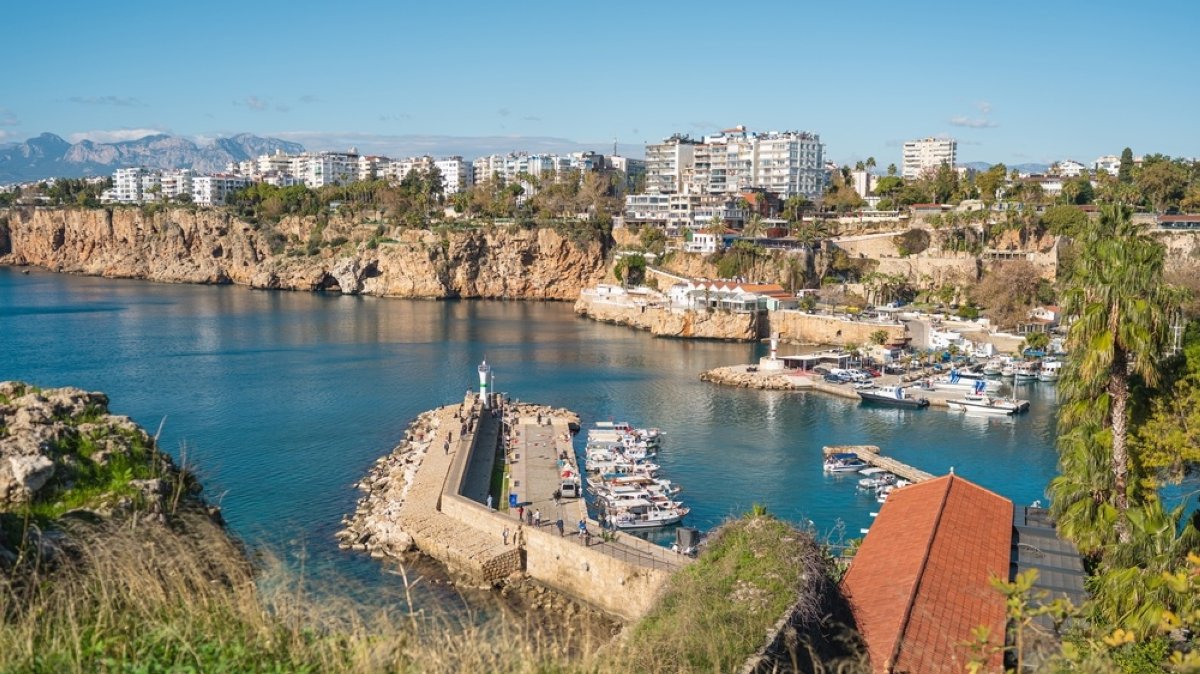
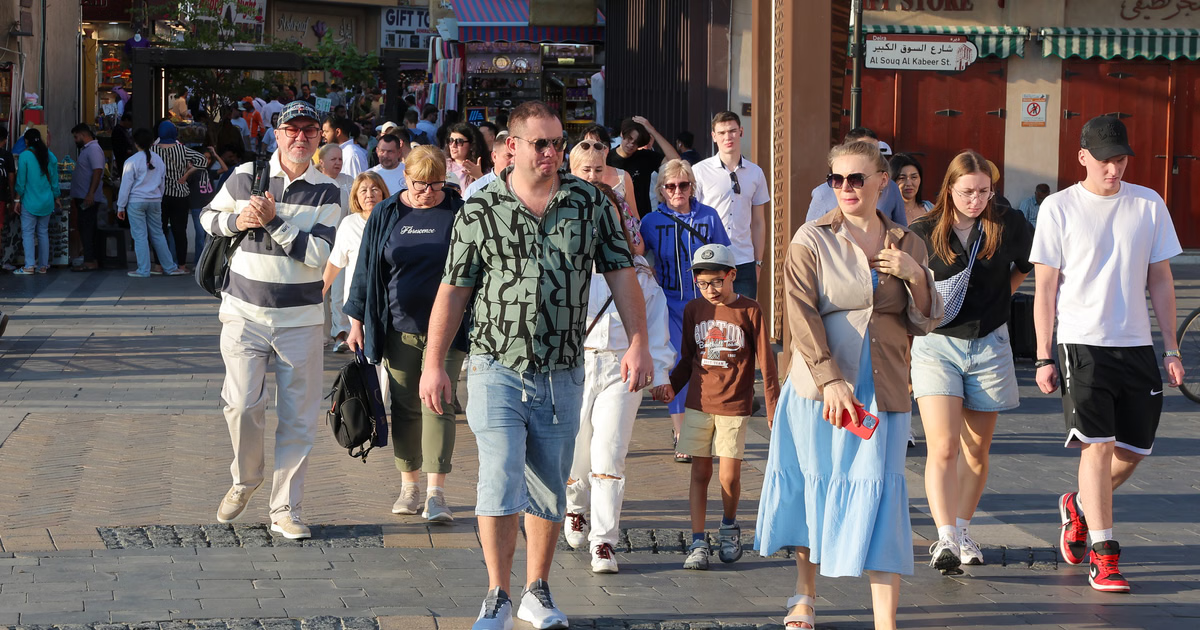
Hotel occupancy rates in Türkiye are expected to reach 100 percent following the extension of the Eid al-Adha holiday to nine days and the overlap with the Pfingsten holiday in Europe, according to sector representatives.Despite the ongoing war in the Middle East, occupancy levels remain close to full capacity, with industry officials expecting a strong holiday period. The lengthening of the holiday has also led to longer stays. The Mediterranean, Aegean, and Cyprus stand out as the most preferred destinations, while visa-free countries are prominent among outbound travel choices.Kaan Kavaloğlu, president of the Mediterranean Touristic Hoteliers and Investors Association (AKTOB), said the tourism season will effectively begin with the Eid holiday, with hotels approaching full occupancy rates. He noted that since the Pentecost and Eid al-Adha holidays coincide during the same period, hotels will be filled with Turks living abroad, domestic travelers, and Europeans.Kavaloğlu also noted that flights from Russia resumed last week. He emphasized that the early announcement of the extension of the Eid holiday provided a major advantage, preventing last-minute bookings. Firuz Bağlıkaya, president of the Association of Turkish Travel Agencies (TÜRSAB), said they expect more than 10 million people to travel during the holiday period, including visits to hometowns. He also projected that approximately 2.5 million people will travel for tourism purposes, adding, “We estimate the total economic volume will reach around 180 billion Turkish lira.”Bağlıkaya noted that the domestic market has become more strategic due to geopolitical developments, stating, “We can say that the holiday period serves as an important pre-season rehearsal, particularly in terms of domestic tourism.”Culture and Tourism Minister Mehmet Nuri Ersoy said they are aware that the negative effects of the war will be felt more intensely in the second quarter, adding that efforts have been ongoing on a country-by-country basis, particularly in Germany, since the outbreak of the conflict.“We are focusing on promotion. We have been meeting with tour operators and continue to do so. The sector needs to be resilient against crises. Following the war, we doubled the promotional activities carried out by the Tourism Promotion and Development Agency,” Ersoy said.Stressing efforts to diversify tourism markets since 2019, Ersoy said, “We have increased product diversity in tourism." Visitors no longer come only for sea, sand, and sun. Areas such as archaeology and gastronomy are now among the key attractions.”[HH] German travel demand for Türkiye reboundsThe German Travel Association (DRV), the umbrella organization of the German tourism sector, said that the Middle East conflict has had a direct impact on the travel industry but highlighted a recovery in demand for Türkiye.It noted that immediately after the outbreak of the war, there was a marked hesitation in new bookings in March. However, this was not due to weak demand, but rather to increased uncertainty and changing booking behavior. Potential travelers postponed their decisions, but demand itself did not disappear, it noted.The DRV said that popular flight package tour destinations for the coming weeks and months include the Canary Islands, as well as Spain, Türkiye, Egypt, Greece, Morocco, Tunisia, Portugal, and Croatia, in addition to cruise travel.The statement added that as of mid-April, while there had been noticeable hesitation toward destinations such as Türkiye and Egypt at the outset of the crisis, bookings to these countries began to pick up significantly again starting from the week following Easter.