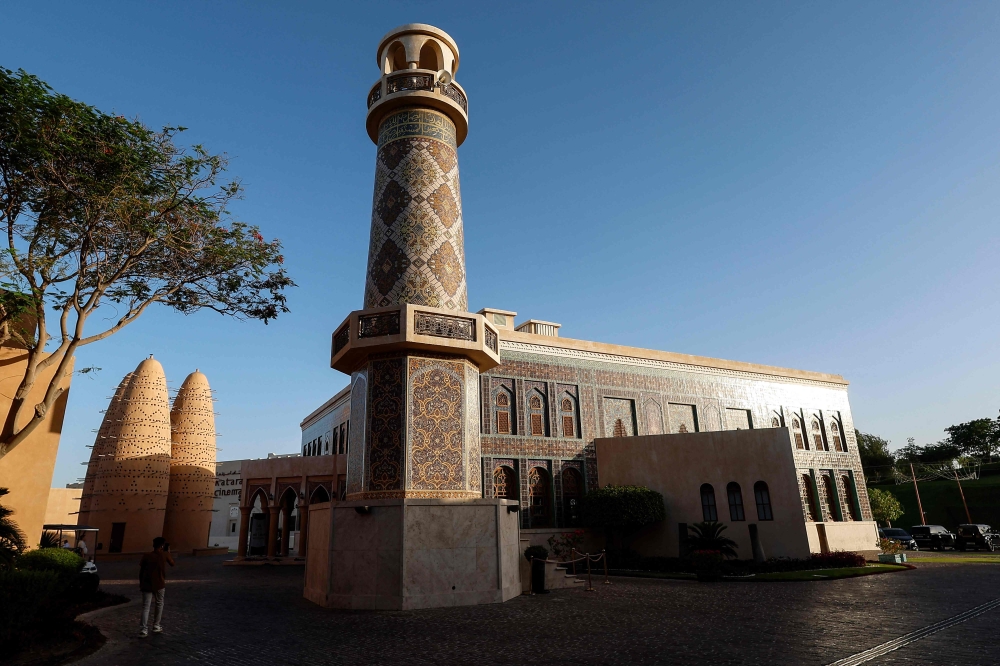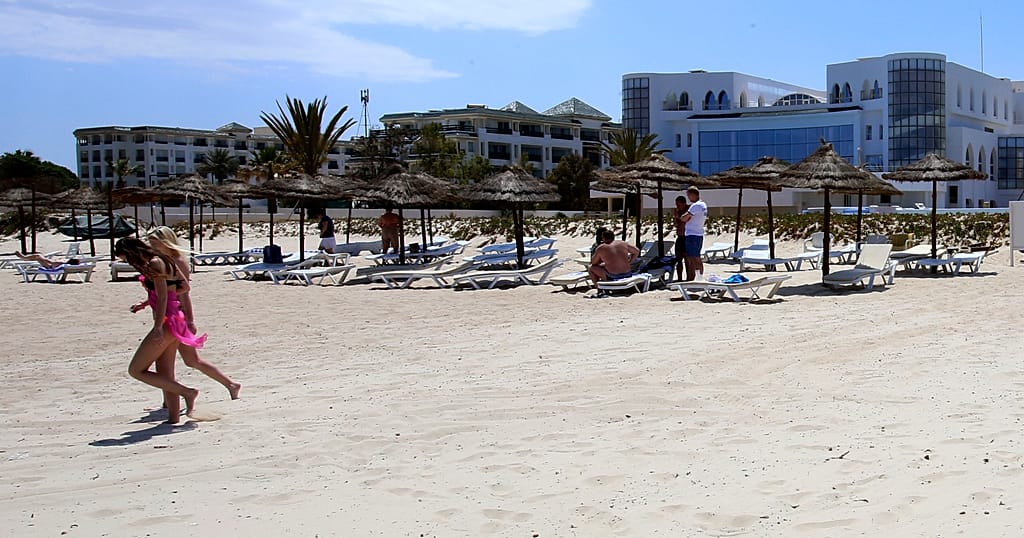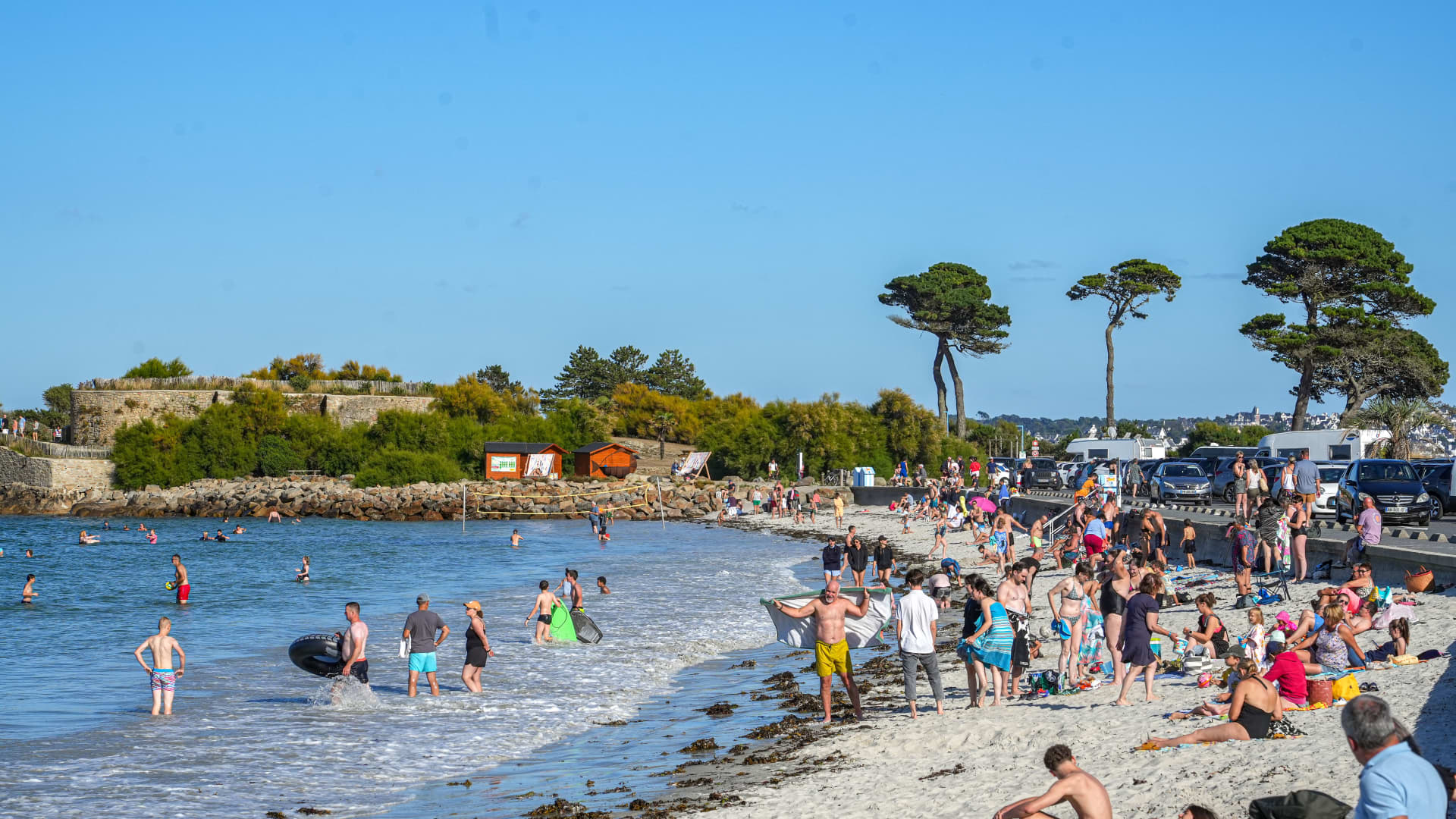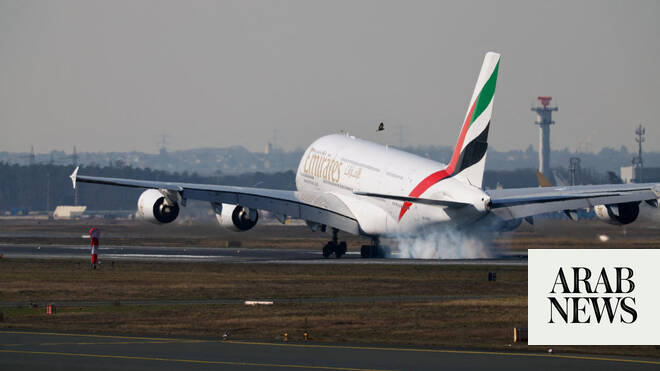
The outbreak of the conflict at the end of February has led to sharp drops to tourist destinations across the Middle east. Foreign tourists have to brave few lines to visit Jordan's ancient city of Petra these days. On Tunisia's Djerba island, the tourist season has gotten off to a slow start. Normally "we receive 100 new reservations per day, now it's just 50," the director of the Royal Garden Palace hotel, Anane Kamun, told AFP.The impact is being felt further afield.Disruptions to Gulf airports and airspace, along with higher airfares due to the jump in fuel prices, have also led to Europeans travelling to southeast Asian destinations.According to Thailand's tourism ministry, the country suffered a sharp drop in the number of Europeans arriving in April -- down 29 percent among Germans and 44 percent for Italians.Germany's TUI, the world's largest tour operator, cut its profit outlook last month and withdrew its revenue guidance as it warned of "consumer caution" driven by the Middle East war.But caution doesn't mean abstinence."It doesn't appear that holidaymakers are abandoning their vacation plans completely," said Aarin Chiekrie, an analyst at stock brokerage Hargreaves Lansdown.
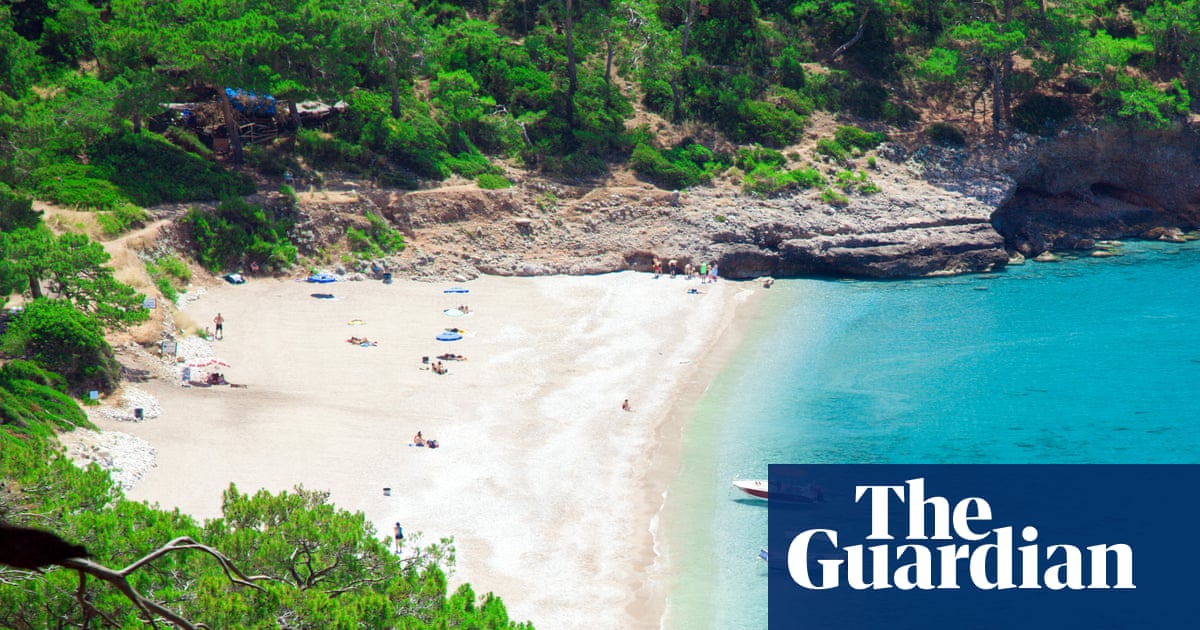
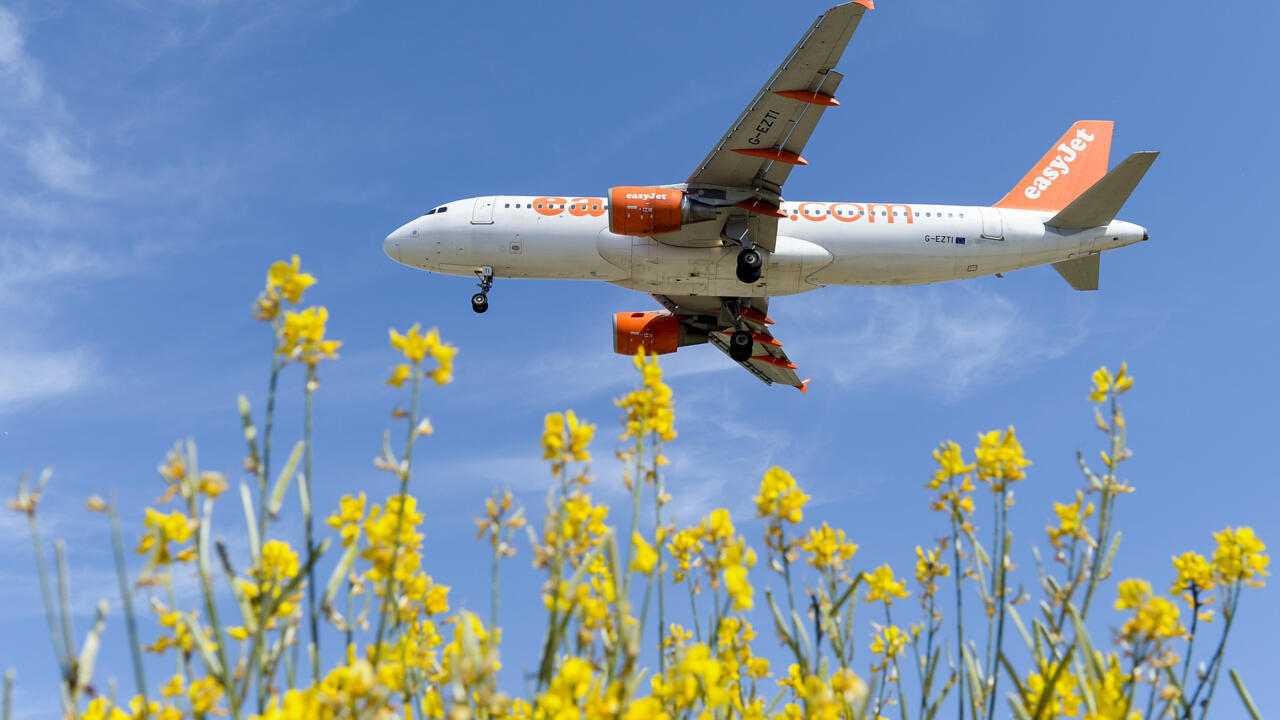
Middle East tourism pain is Europe's gain
Europeans are choosing to vacation closer to home as the war in the Middle East has amplified security concerns and made long-haul flights more expensive.
563 words~3 min read