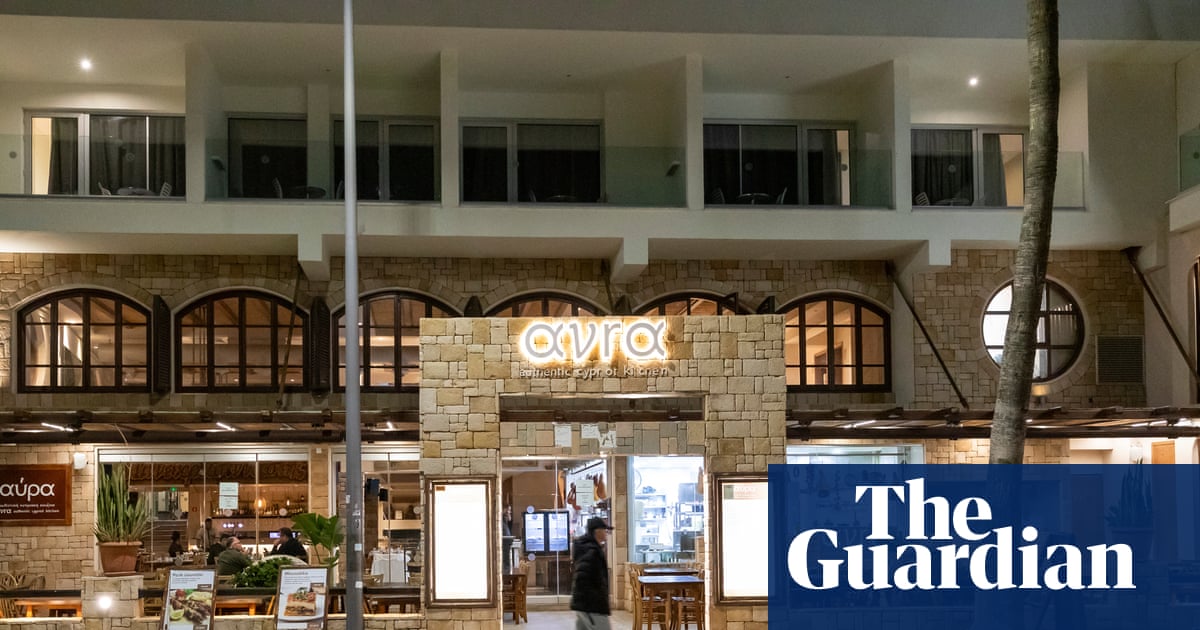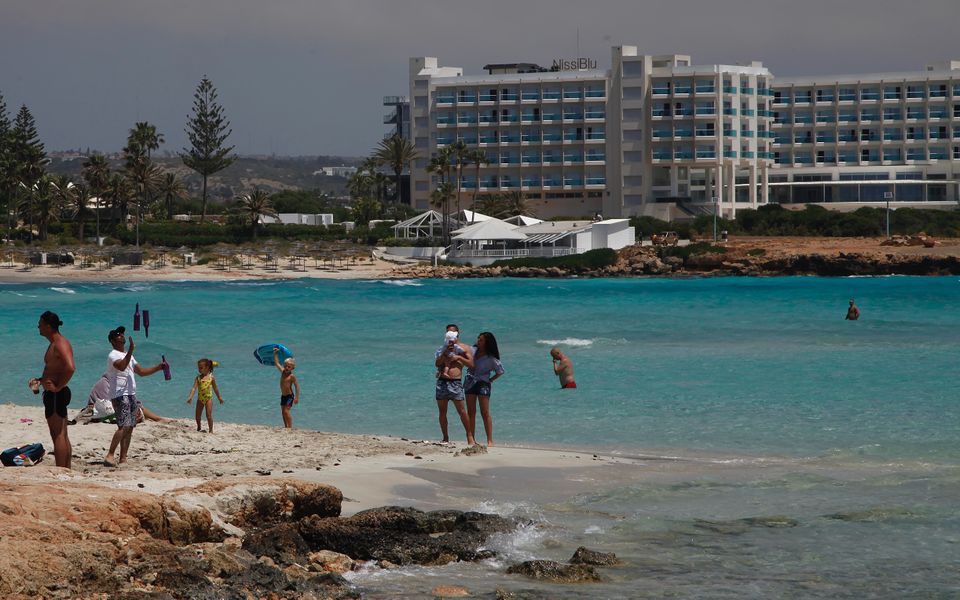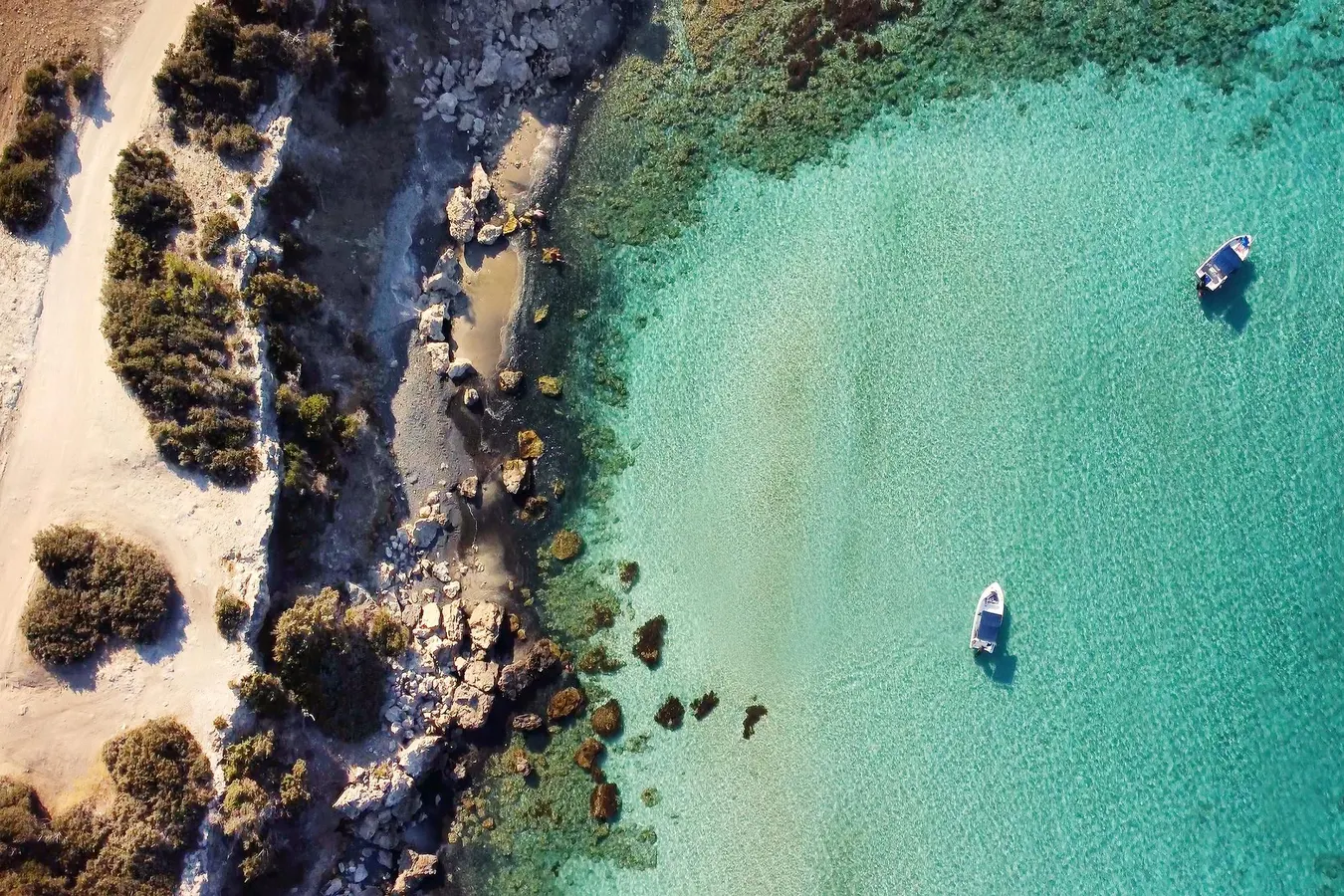
The Akamas Peninsula National Park in Cyprus—its tourist industry has been heavily impacted.gettyTourism is often one of the first sectors to feel the ripple effects of instability. Even when conflict doesn’t occur directly within a destination, proximity, perception and practical disruptions—from fuel shortages to rising costs—can quickly alter traveler behavior.The third-largest and most populous island in the Mediterranean, Cyprus, is a good example. Tourism is its biggest industry, and it's taking a hit. At just 1,200 kilometers from Iran (745 miles), a British naval base was hit in early March on the island. Foreign governments advised their citizens to travel with caution, leading to a slew of holiday cancellations, per Politico. Surging airfares are not helping either.As the current holder of the EU rotating presidency, Nicosia, its capital, is preparing to host all 27 member states soon for an EU summit, something it hopes will change the optics to sell Cyprus as “open, calm and still very much in business.” The summit will also help the economy by filling hotel rooms and restaurants, which the tourism industry needs.Is There Enough Fuel To Keep Flying?The head of the International Energy Agency warned that there are just six weeks of jet fuel remaining to keep planes flying.The Agency, which advises 32 member countries on energy supply and security, said that unless Europe could make up at least half of its Middle East imports, “stocks would reach a tipping point,” possibly leading to flight cancellations.It is just one of the impacts of Iran's closure of the Strait of Hormuz, which lies between Oman and Iran, for more than six weeks. Usually, as much as 20-25% of European kerosene arrives by this strategic maritime route.Kerosene prices doubled in March, and EasyJet has indicated this will continue, affecting airfares after Easter and into the summer. The price of jet fuel accounts for upwards of 20% of an airline’s total operating costs.The Scandinavian airline SAS recently canceled 1,000 flights, and countries more dependent on tourism, like Croatia, Greece and Portugal, are likely to be most affected by the crisis. Deutsche Bank analysts also told The New York Times that global airlines have already begun trimming routes, so travelers may have fewer options should they need to travel.Even When Destinations Are Far From War, The Effects Easily SpreadWar affects tourism, even for countries not directly in conflict, simply because they are in the same geographical area. As Bloomberg notes, tourism is a discretionary purchase, particularly the high-end kind. And because no one needs to do it, it can easily be impacted by factors and events that logically have no direct connection to consumer choices, but just turn people off the idea.Politics, diseases, and war are good examples of this. In 2014, the Gambia saw a 65% drop in hotel bookings due to the Ebola outbreak, even though it had no cases of the disease. One of the best, more recent examples is the decrease in bookings to Warsaw, Prague, Bratislava and Budapest after Russia's invasion of Ukraine, countries unaffected by the war. Bloomberg reports on a recent paper in the Tourism Management Journal on the repercussions of the Ukraine war. Peace, safety and security are essential for all economic activity, especially tourism, where visitors don’t want additional risk and will avoid it. That means, “tourism to anywhere near a geopolitical stress point is almost certain to feel repercussions.”This is also set against the backdrop of many European countries considering food stockpiling, as nearly one-third of global commerce passes through the Straits of Hormuz.It could also lead to something Bloomberg recently noted: a fear of not flying—the idea that you could be stranded somewhere because flights are grounded and you’re unable to make it out in an emergency.Geopolitical Pressure Is Now Colliding With More Familiar Problems Of Cost And SafetyThese concerns around higher air fares, cancellations, lack of fuel and fewer routes, as well as safety issues, are offset against the general feeling of financial insecurity and overall uncertainty.Bloomberg reports that the consumer price index has risen since 2020, so what would cost a consumer $1 now costs $1.26, with price increases much higher across groceries, electricity and car insurance. And almost everyone is feeling the pinch, with more affluent consumers heading into the aisles of Walmart and Dollar Tree to complete their weekly shopping.In addition, The New York Times reports that many airlines are adding extra fees and surcharges to tickets to offset rising fuel costs. Delta Air Lines is charging $10 more a bag, following increases by United Airlines and JetBlue. Aviation industry consultant Robert Mann told The New York Times that there is also the risk that these additional costs become “sticky” and are unlikely to be reduced once added.In short, war raises costs, disrupts supplies and makes travelers more cautious, which means tourism suffers even far beyond the conflict zone. MORE FROM FORBESForbesEU Citizenship—Which Countries Issued The Most Passports In 2024?By Alex LedsomForbesItaly Strengthens Defenses Against OvertourismBy Alex LedsomForbesEuropeans Urged To Travel Less As Fear Of Energy Shortage IncreasesBy Alex Ledsom
War And Rising Costs Threaten Europe’s Summer Tourism Season
The European summer tourist season is already seeing signs of the impacts of geopolitical instability and rising costs.
837 words~4 min read