No country in Europe is likely to be affected more than Cyprus, the nearest EU member to the Middle East
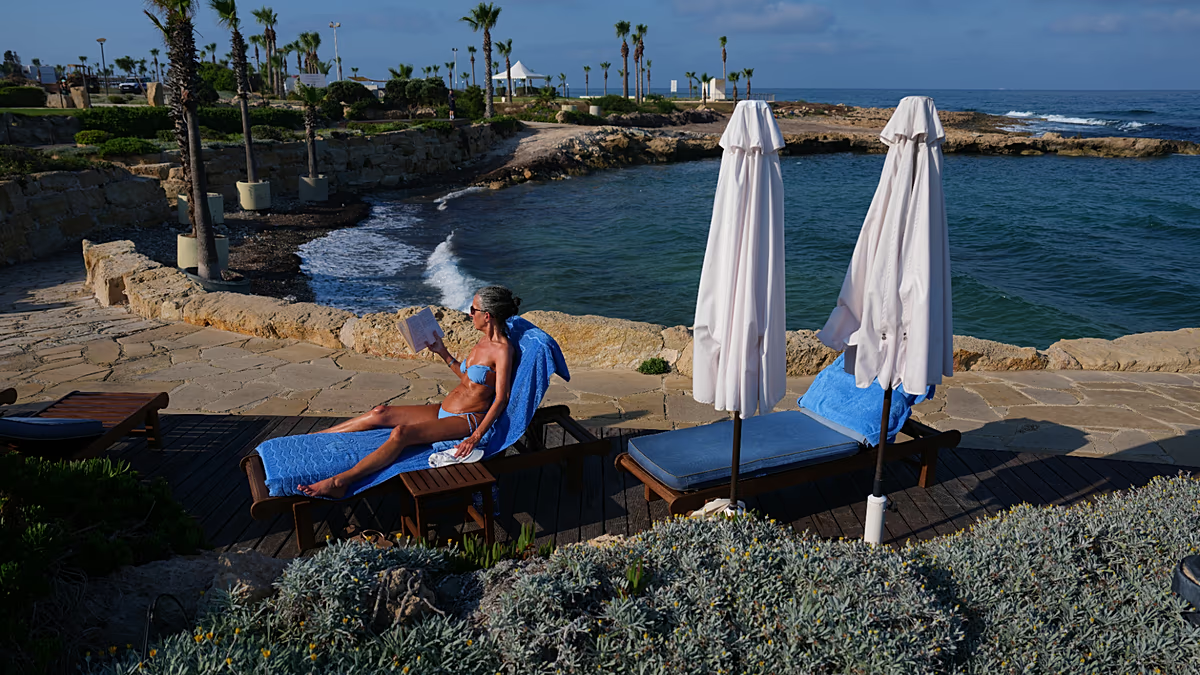
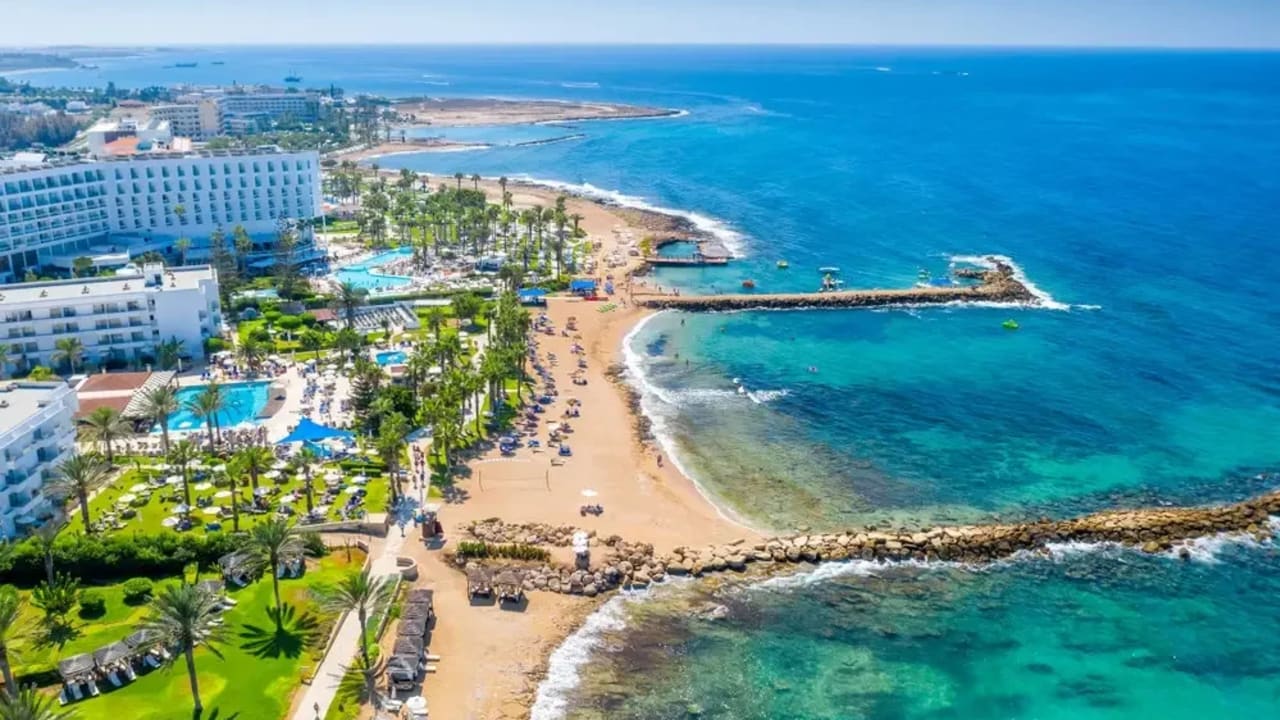
The season has barely begun but Ayia Napa is beginning to feel the pulse. Tourists are trickling back, enjoying the Cypriot resort’s sunsets, eateries and shoreline views.
On the seafront, Vassilis Georgiou is busy overseeing the construction of a new ramp for the jetskis that are a highlight of his water sports business. Last year, more than 500,000 holidaymakers visited the beachside booth, snapping up tickets for the boat cruises and parasailing also on offer.
Until last weekend’s US-led offensive against Iran, Georgiou was betting on another bumper year. “That’s far from certain now,” he said, cupping his eyes against the setting sun. “It may be early days but I’ve been here since 1992 and suddenly hoteliers are saying bookings are down. People are thinking twice.”
No place in Europe, or indeed the Mediterranean, is set to feel the impact of the conflict unfolding across the horizon more than Cyprus. The tourist-dependent nation, the EU’s nearest member to the Middle East, attracted 4 million visitors last year, a third of them Britons for whom the former colony is an old favourite.