Geopolitics, currency moves and extreme weather are increasingly playing into tourists’ considerations for their next vacation and affecting classic holiday destinations.
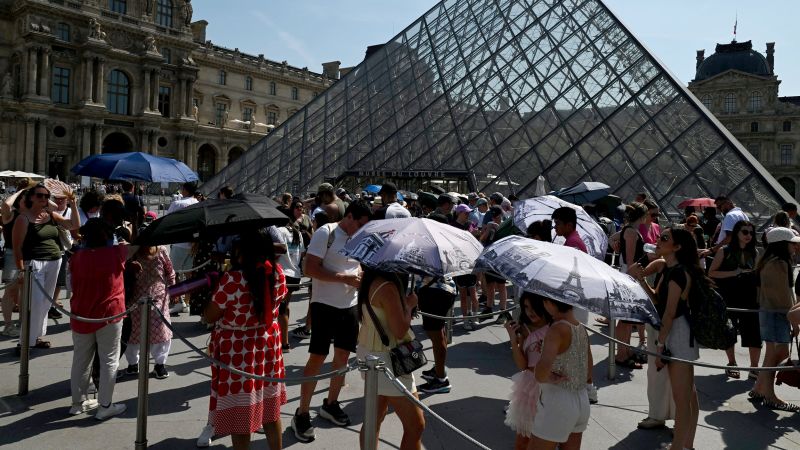
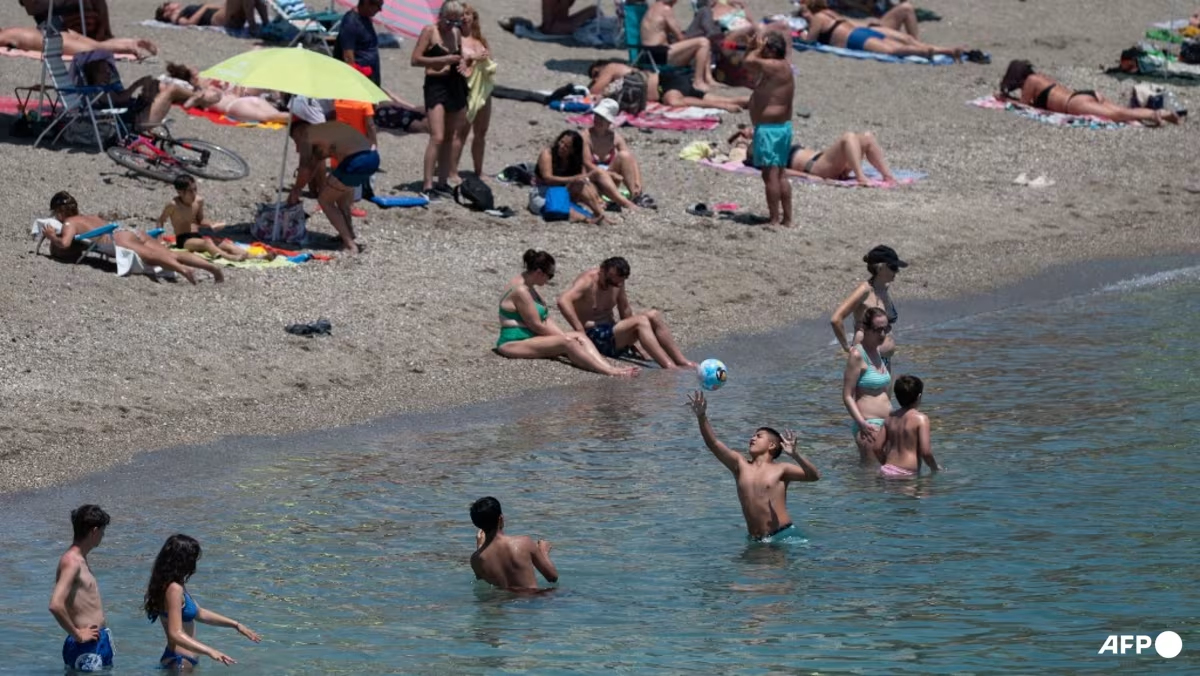
Staple European spots France, Spain and Croatia, for example, have been facing record-breaking heat in recent weeks, which triggered wildfires in some locations. Conflict in the Middle East has meanwhile meant that tourists in nearby Cyprus were able to see missiles and smoke in the sky from the beach.
Sluggish economic growth and inflationary fears, largely linked to U.S. President Donald Trump’s tariff policies, appear to be making consumers more cautious with their spending.
A weaker U.S. dollar has also diminished the currency’s purchasing power abroad, with a June report from the European Travel Commission showing that high travel costs, alongside the current global perception of the U.S., have been weighing on voyage plans.
“For American travellers, a weaker dollar has fuelled demand for countries where their purchasing power goes further, from parts of Latin America to Southeast Asia. Many are opting for package deals that lock in rates upfront, effectively turning travel planning into a smart financial strategy,” Nicholas Smith, holidays digital director at Thomas Cook and the eSky Group online travel agency, told CNBC by email.