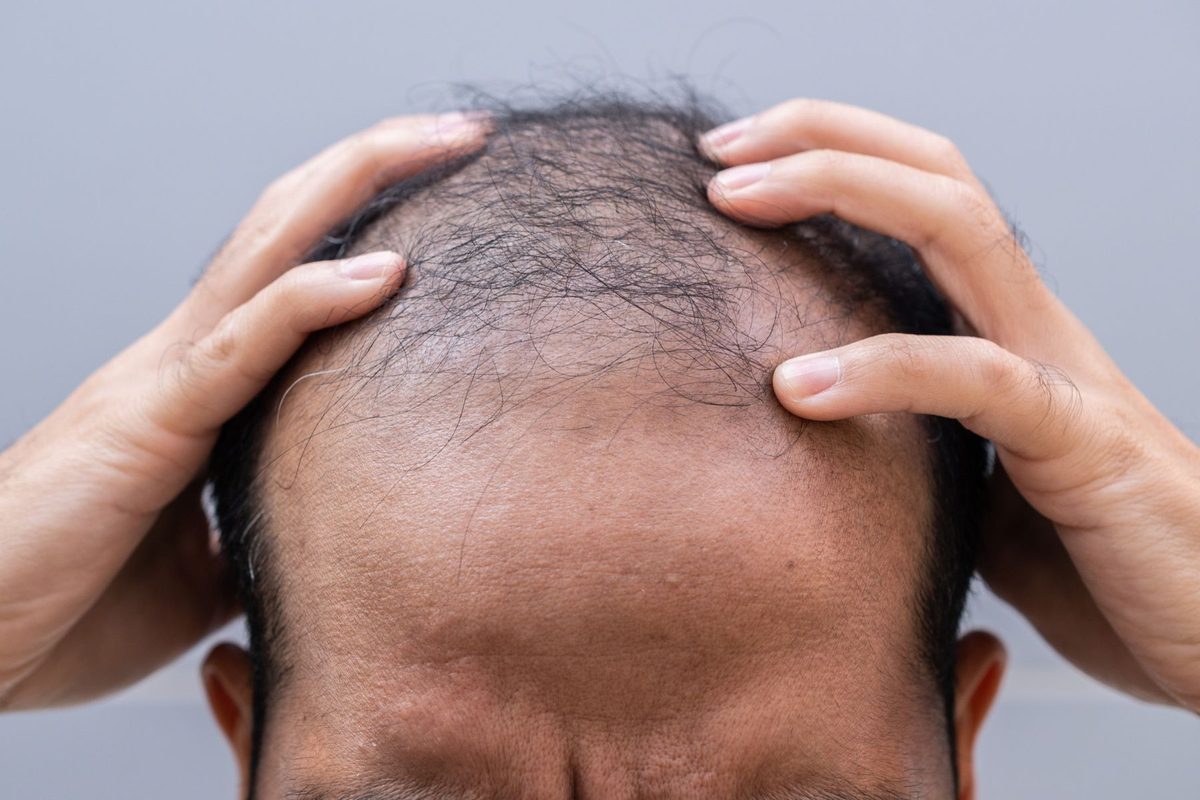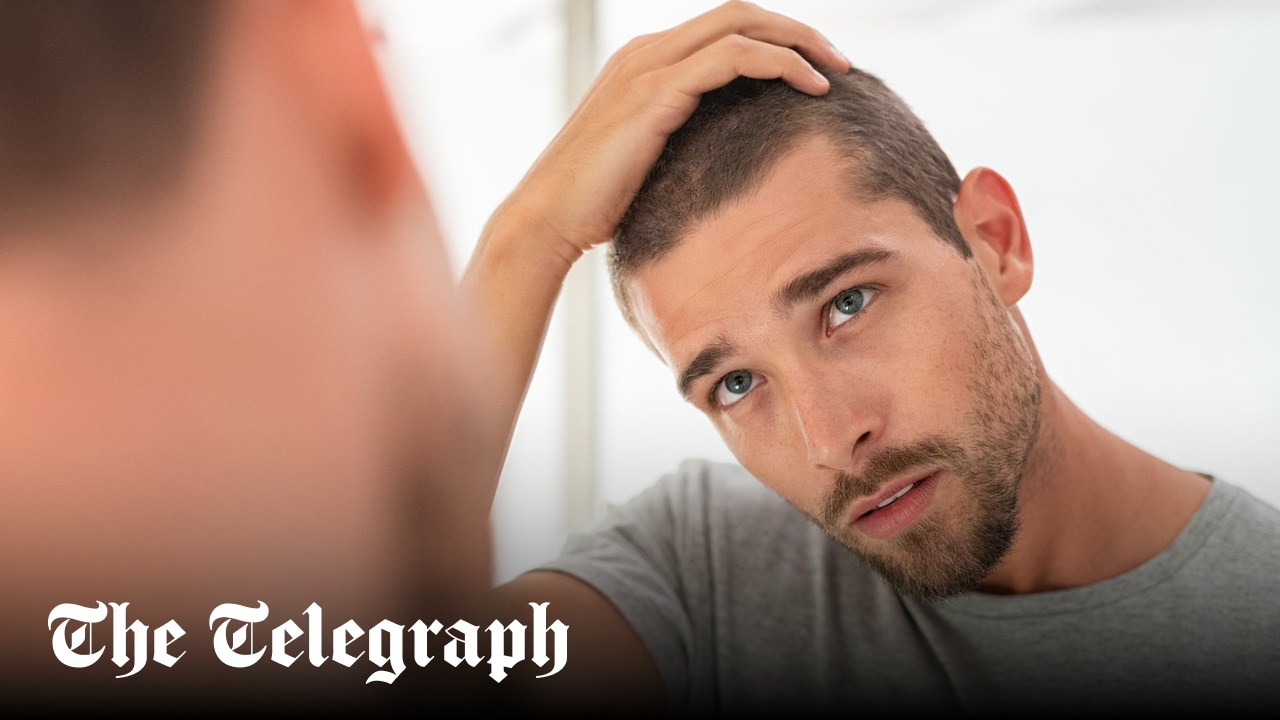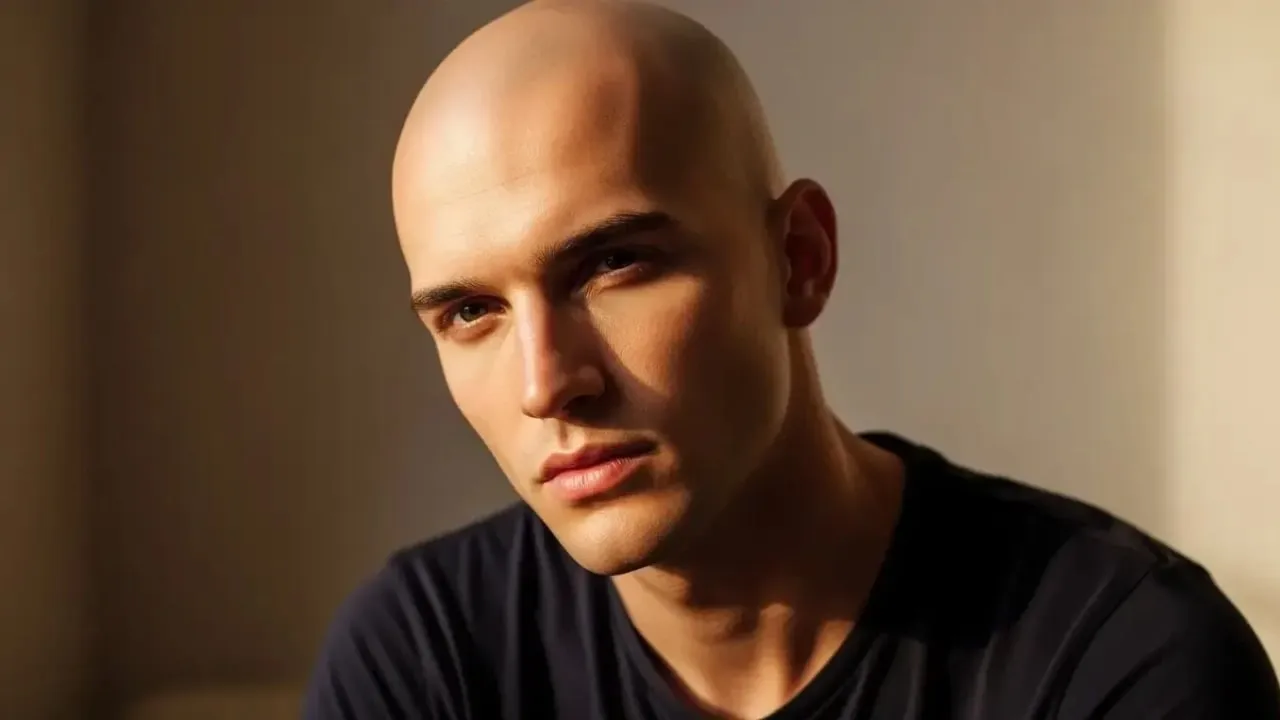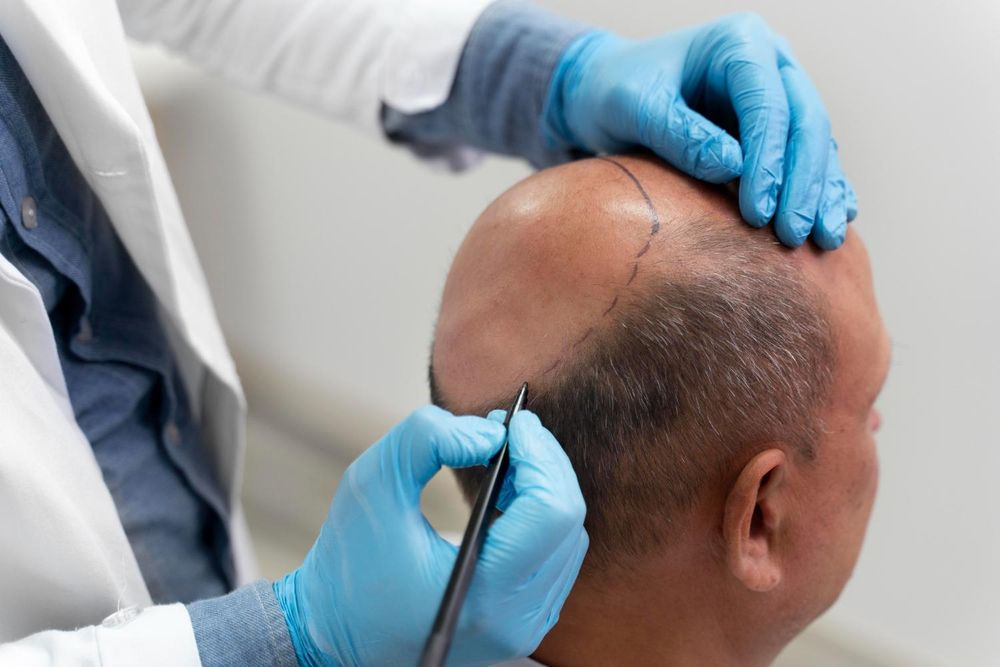
A shortage of donor hair has always been the main reason patients are turned away.
Hair restoration is going through its biggest change in decades, and much of it is happening in the laboratory rather than the operating theatre.
Scientists are now growing new hair follicles from cells, an advance that could one day help patients long told nothing more can be done for them: those with extensive hair loss and little donor hair left, women with diffuse thinning, people with scarring or autoimmune conditions, and cancer survivors whose hair never fully returns after chemotherapy.
Dr Kashmal Kalan, Medical Director at Alvi Armani South Africa, sees this as one of the most important developments of his career.
"Regenerative technology has the potential to turn candidates who were previously limited into fully treatable patients," he says. "This is why research matters so profoundly. Without it, we could never give these patients hope."