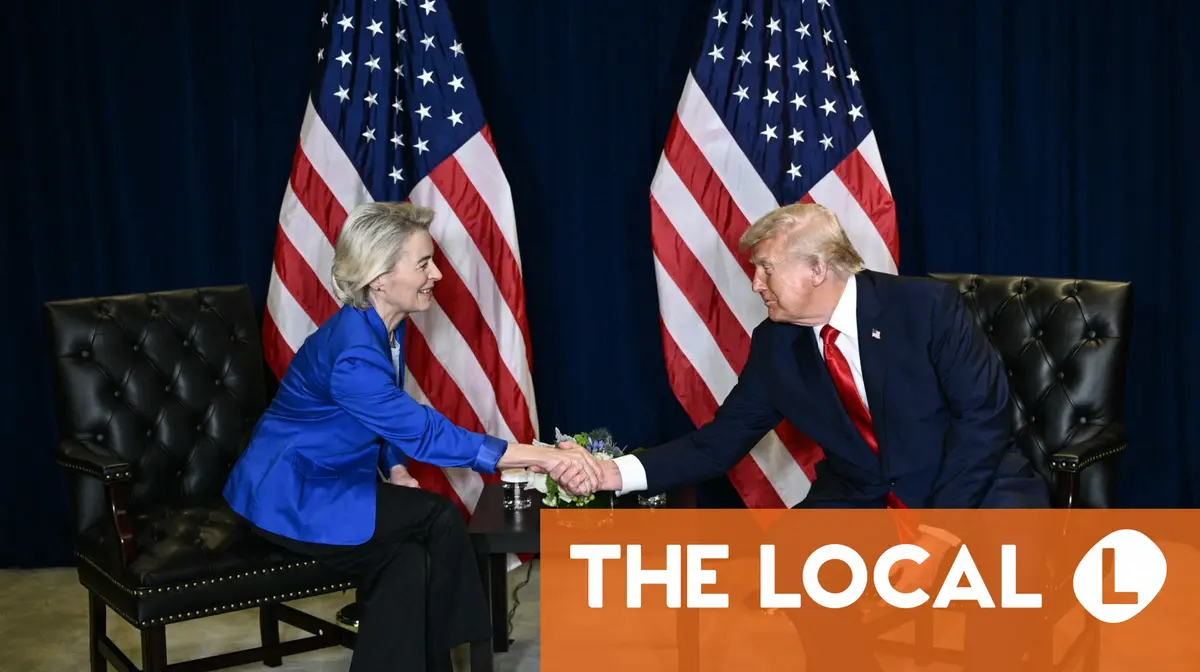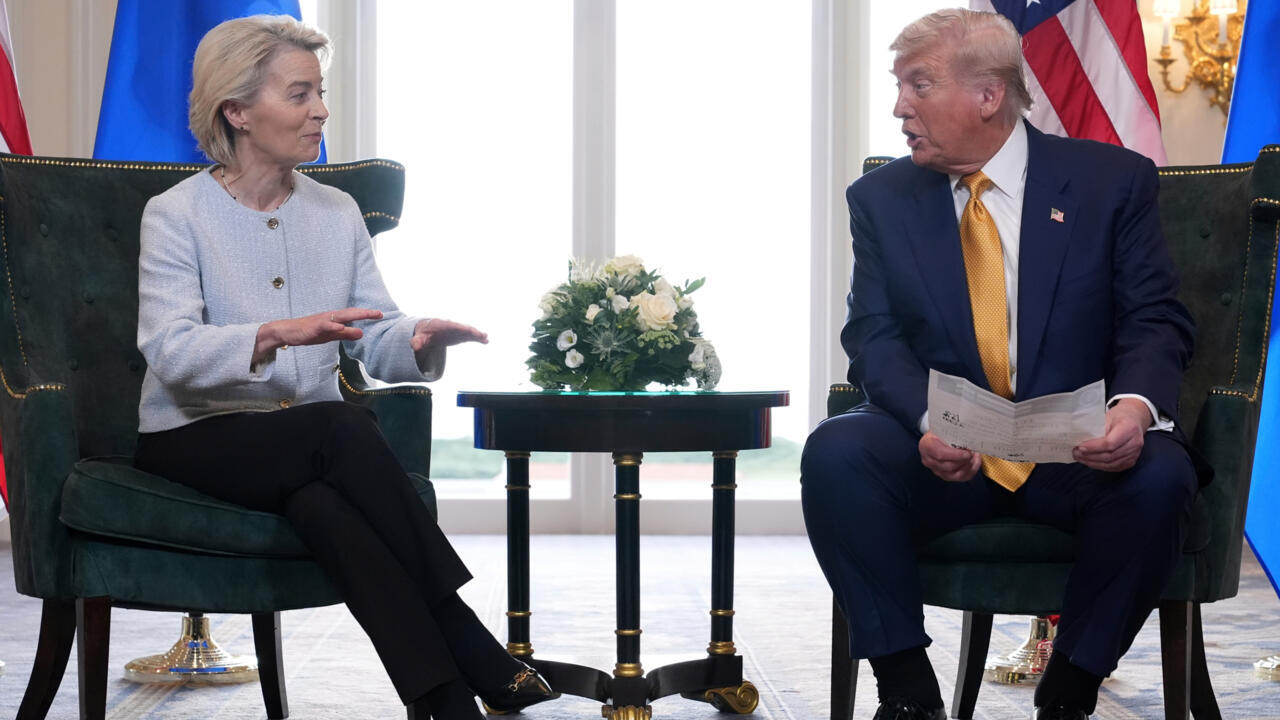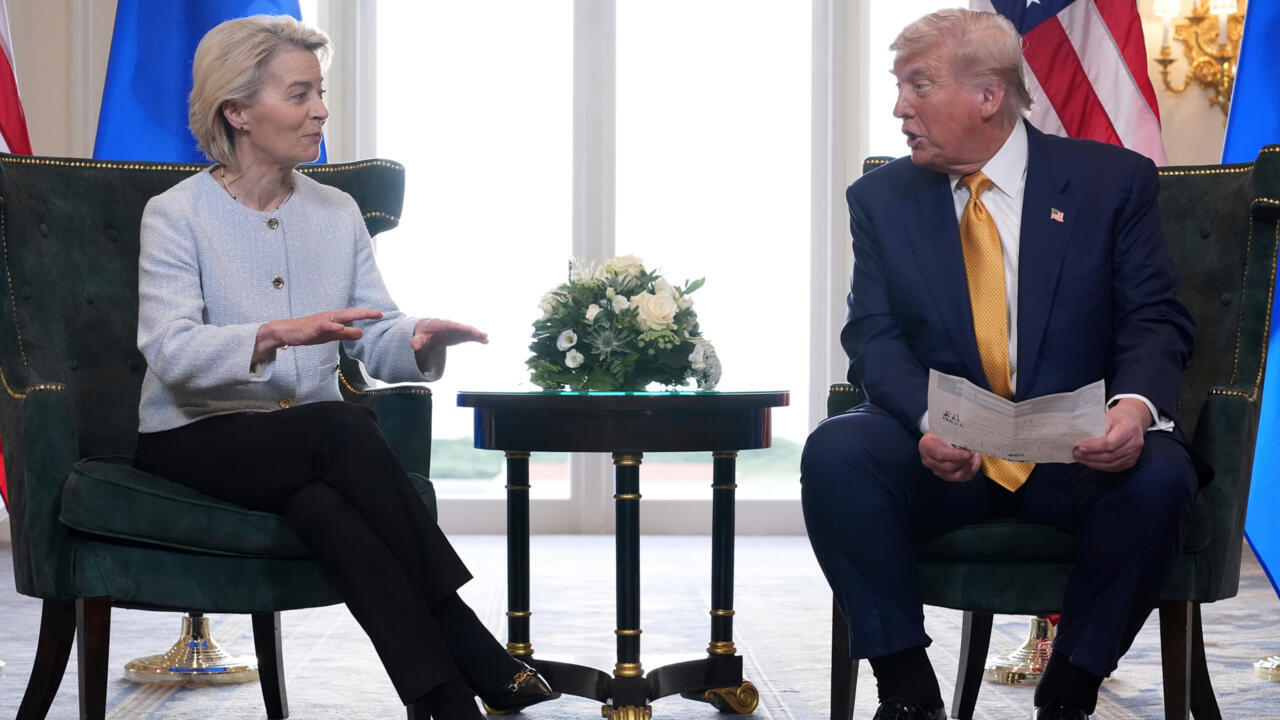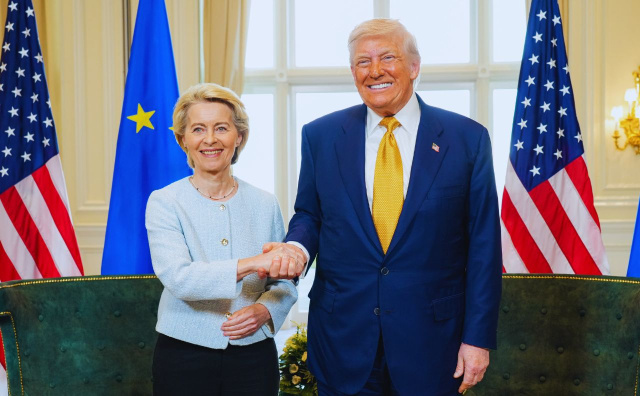
The European Union moved closer to fully implementing its trade agreement with the United States after negotiators from the European Parliament and EU member states reached a late-night compromise, easing fears of a new tariff escalation threatened by US President Donald Trump.
The agreement came after months of political disputes inside the bloc and growing pressure from Washington. Trump had warned that unless the EU finalized the implementation of the trade pact by July 4, the United States would introduce significantly higher tariffs on European products, including increasing duties on European cars and trucks from 15% to 25%.
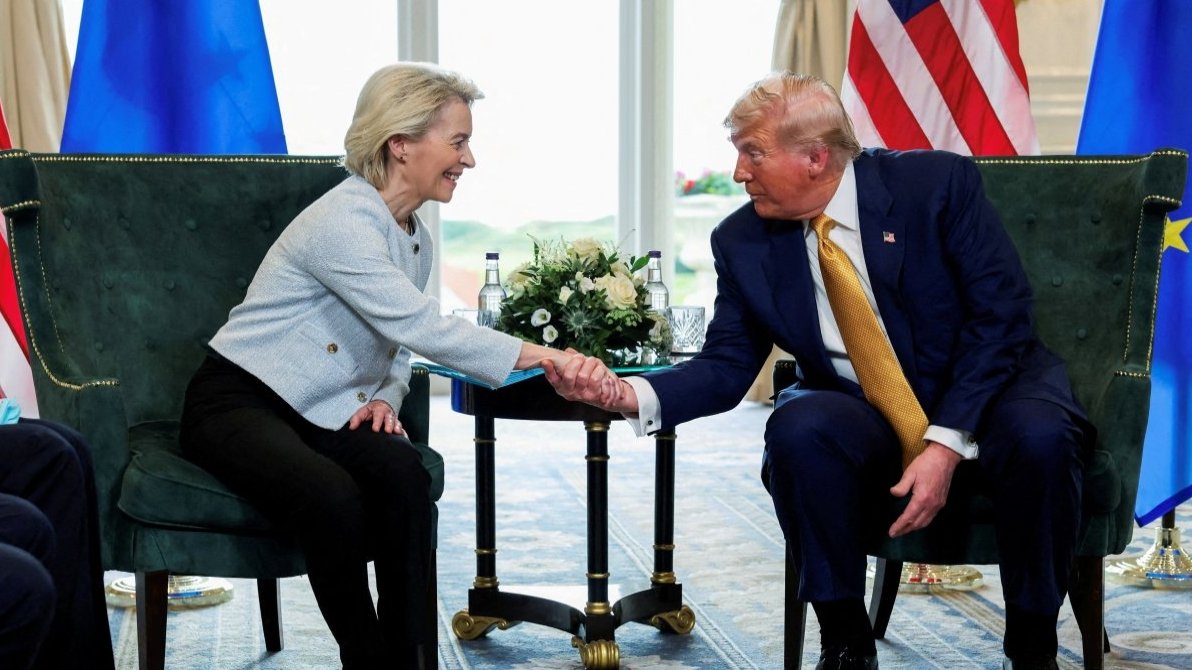
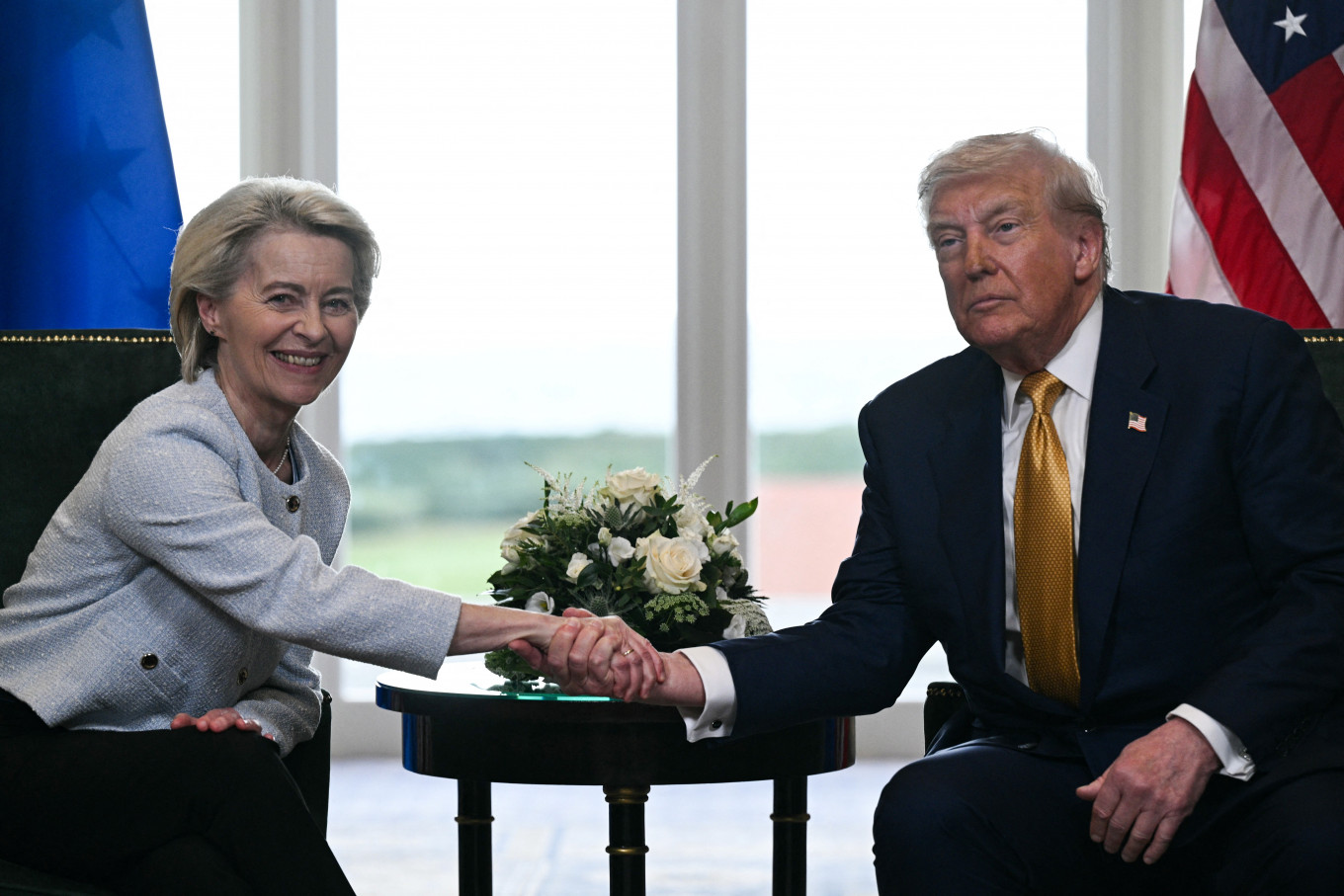
The original deal between Brussels and Washington was reached last summer during talks in Turnberry, Scotland, between Trump and European Commission President Ursula von der Leyen. Under the arrangement, the EU agreed to remove tariffs on many American industrial and agricultural imports, while the United States committed to capping tariffs on most European goods at 15%.
However, the European side delayed ratification for months amid tensions in transatlantic relations. Among the reasons were Trump’s controversial statements regarding Greenland and legal uncertainty after a US Supreme Court ruling weakened parts of his tariff policy.