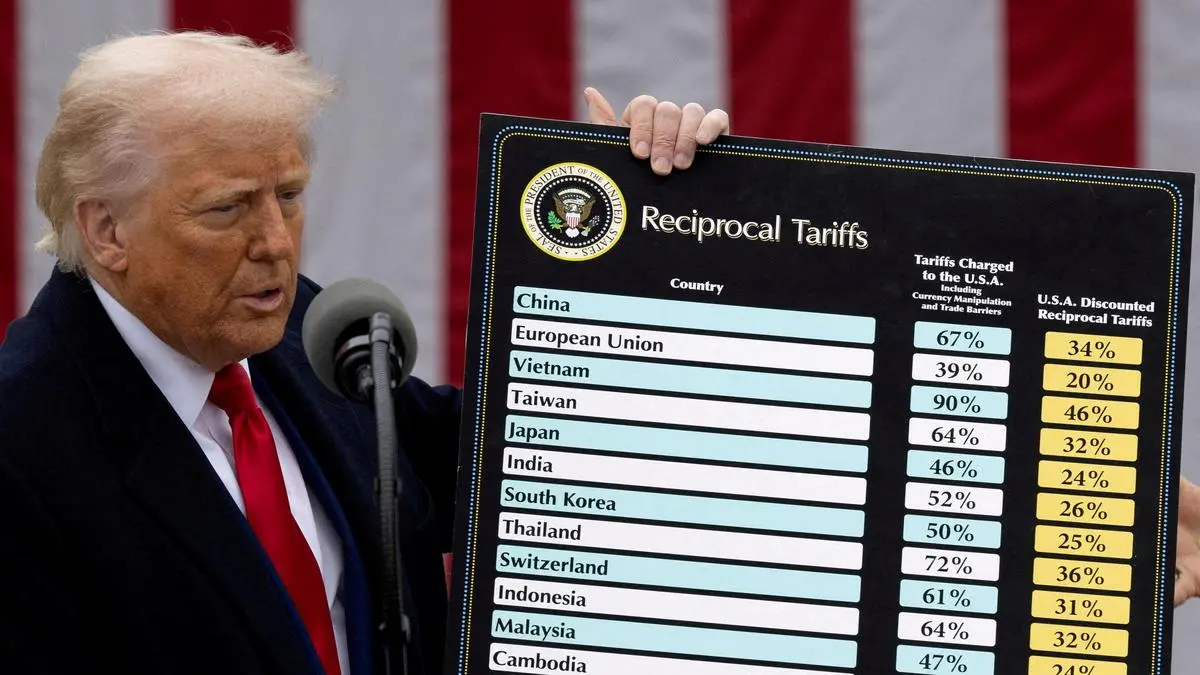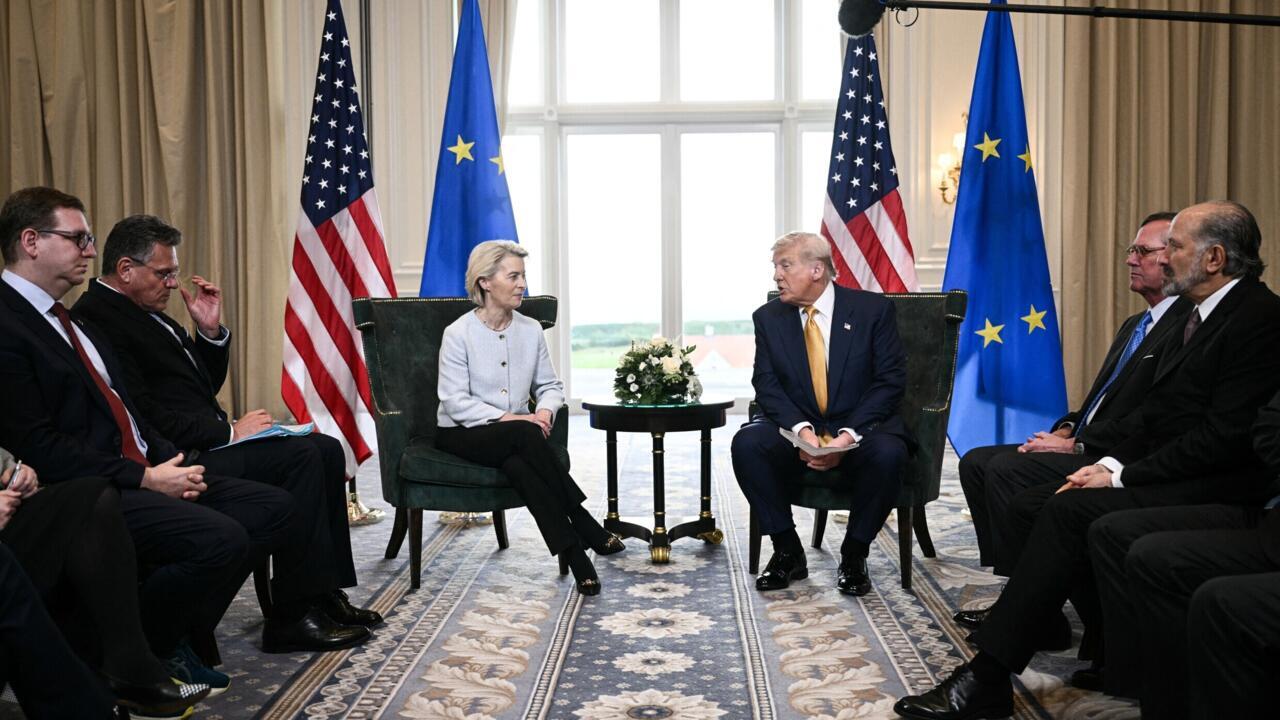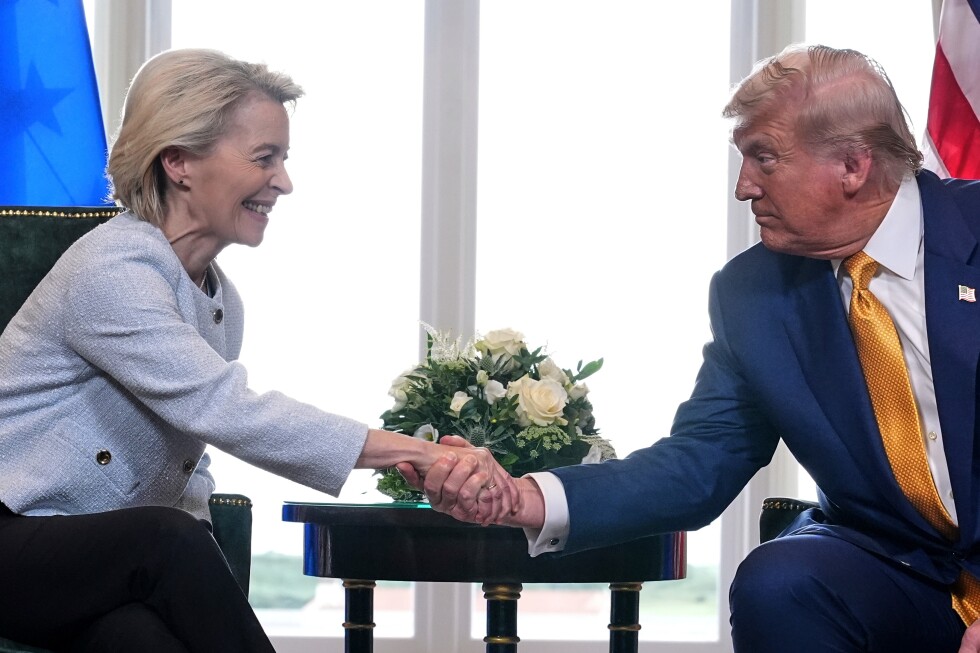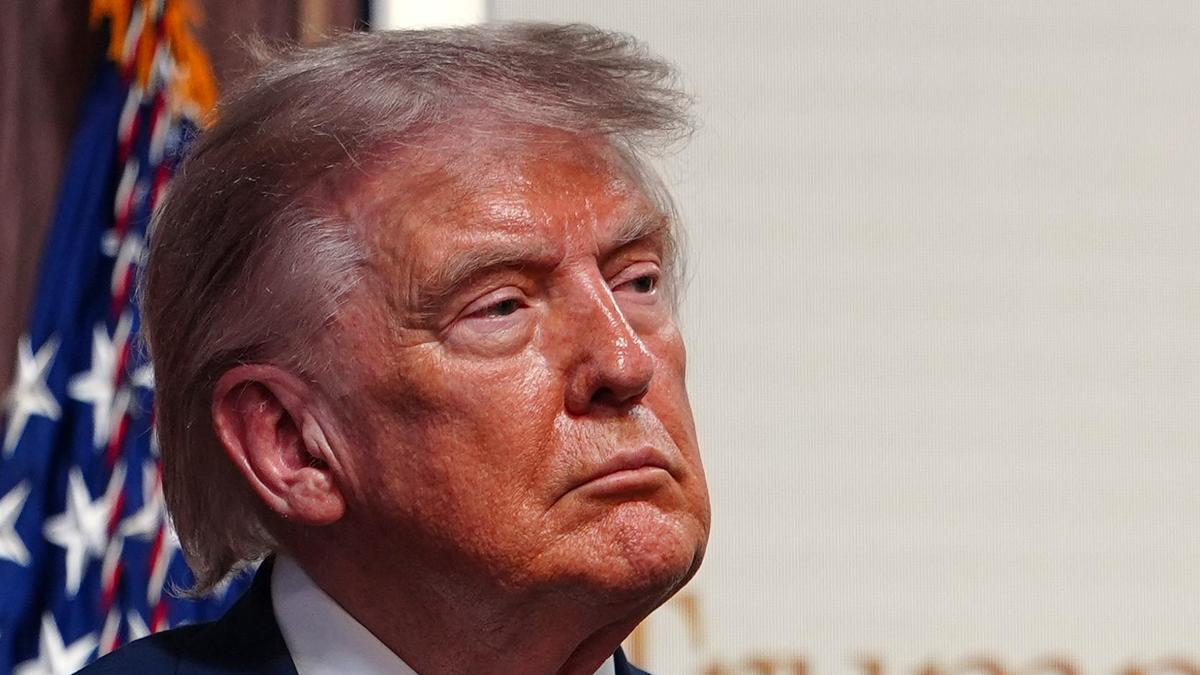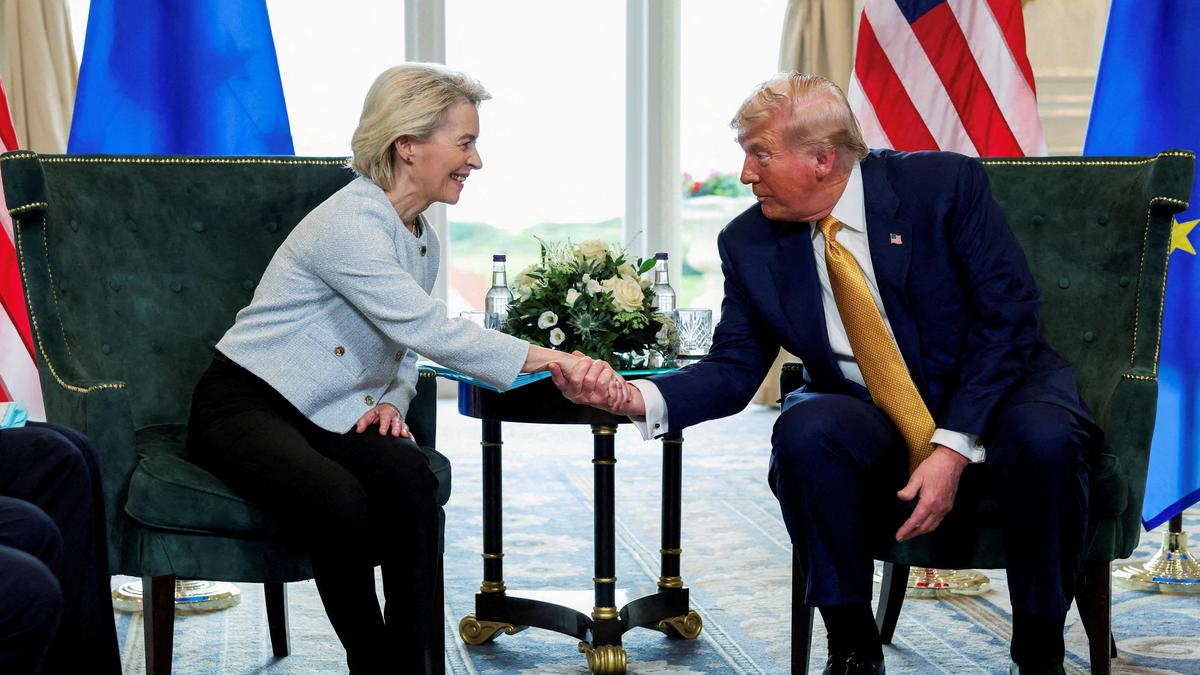
U.S. President Donald Trump said he would impose much higher tariffs on EU goods including cars if the EU did not implement its trade deal commitments by July 4, having earlier threatened to raise tariffs on EU car imports to 25% from the current 15%. File
| Photo Credit: Reuters
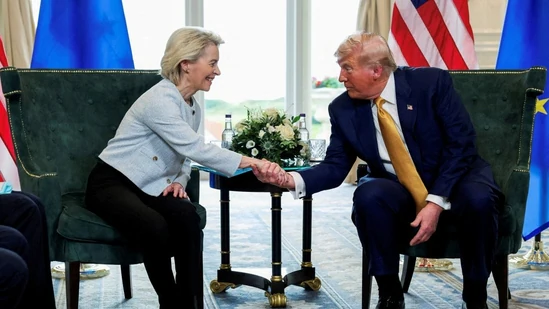
The European Union (EU) struck a provisional agreement on Wednesday (May 20, 2026) on legislation to remove import duties on U.S. goods, a key part of the trade deal reached with Washington in July and a move likely to avert higher U.S. tariffs on EU products.Under the terms of the deal struck at U.S. President Donald Trump’s Turnberry golf resort in Scotland last July, the EU agreed to remove import duties on U.S. industrial goods and grant preferential access to U.S. farm and sea produce, while the U.S. imposes tariffs of 15% on most EU goods.Nearly 10 months since that framework accord, the European Parliament and the Council, the body representing EU governments, agreed on a legislative text to allow the EU duty reductions to come into force. After five hours of negotiations, they also agreed reinforced provisions to suspend the concessions in case Mr. Trump reneges on the agreement and a sunset clause to terminate the deal at the end of 2029 unless there is new legislation to renew it.The internal EU deal should bring some calm to the world’s largest trading relationship, with an annual exchange of $2 trillion in goods and services, coming a week after Mr. Trump’s visit to China that had warm words but no major breakthroughs. The EU has relied on the U.S. to take in some 20% of its goods exports, but Mr. Trump is determined through tariffs to reduce the goods trade deficit with the bloc of more than $200 billion.We have a deal!As the @EPPGroup Standing Rapporteur for the EU-US Framework agreement on trade, I am proud to announce that Europe has avoided a damaging escalation of transatlantic trade tensions and protected European companies, investments and millions of jobs on both sides… pic.twitter.com/jV9FWC7roA— Željana Zovko (@ZovkoEU) May 20, 2026“I am proud to announce that Europe has avoided a damaging escalation of transatlantic trade tensions and protected European companies, investments and millions of jobs on both sides of the Atlantic,” Zeljana Zovko, the lead trade negotiator in the European People’s Party (EPP) on the U.S. deal, said in an X post.“The EU walks the talk, while defending our interests. Once approved, it’ll boost transatlantic stability and cooperation,” European Trade Commissioner Maros Sefcovic wrote on X.Collective effort. Strong result. Meaningful impact.After >5h of negotiations, I welcome a successful trilogue fully aligned with the 🇪🇺🇺🇸 Joint Statement.The EU walks the talk, while defending our interests. Once approved, it'll boost transatlantic stability and cooperation. pic.twitter.com/kIdPjwOlAF— Maroš Šefčovič🇪🇺 (@MarosSefcovic) May 20, 2026Trump set July 4 DeadlineMr. Trump has said he would impose much higher tariffs on EU goods including cars if the EU did not implement its trade deal commitments by July 4, having earlier threatened to raise tariffs on EU car imports to 25% from the current 15%.EU lawmakers had twice paused the required legislation after Mr. Trump’s threats to impose new tariffs on European allies who did not back his proposed acquisition of Greenland and after the U.S. Supreme Court struck down his global tariffs.The bloc should now meet Mr. Trump’s July 4 deadline, with a final vote of approval in the European Parliament (EP) expected in mid-June.EU lawmakers had wanted tougher guarantees, but the two sides did not accept their proposed “sunrise clause” under which the EU would only cut duties when the U.S. fulfilled its side of the deal and the “sunset clause” was pushed from the end of March 2028 to the end of 2029.The European Commission can also suspend tariff preferences by the end of this year if the U.S. keeps in place tariffs higher than 15% on steel and aluminium “derivative” products like wind turbines and refrigerators.EU governments had had less appetite for inserting such items, concerned they could antagonise the Trump administration and create uncertainty for EU businesses. Published - May 20, 2026 02:40 pm IST