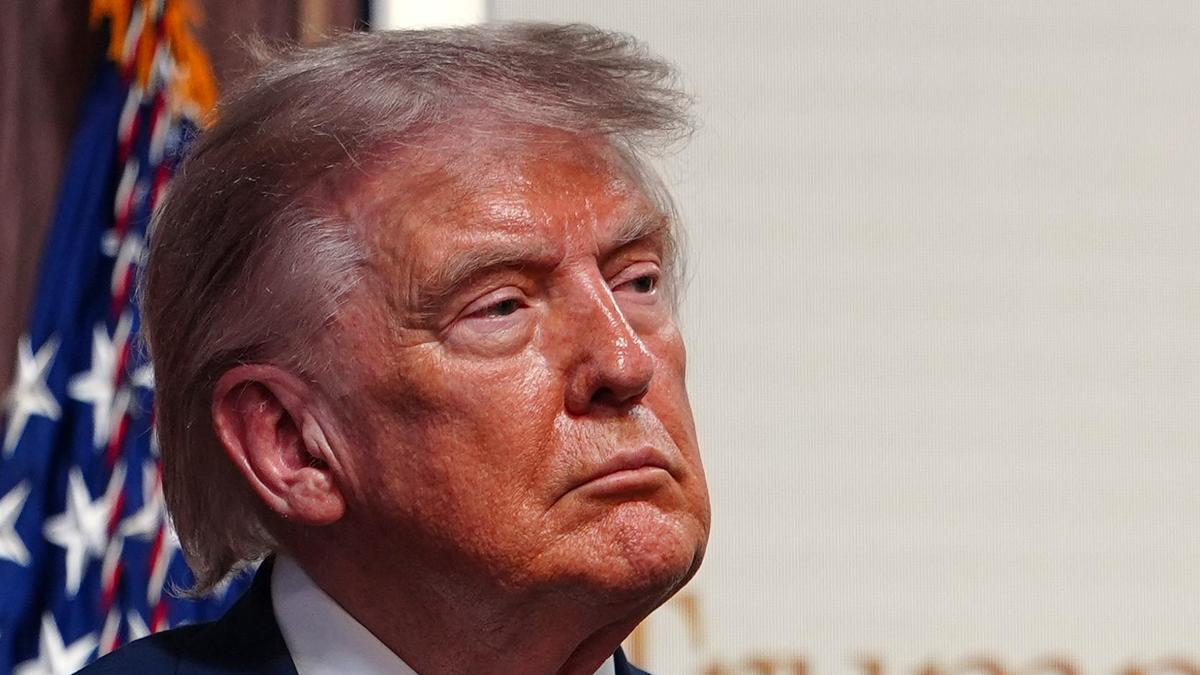
President Donald Trump threatened to impose higher taxes. File
| Photo Credit: AP
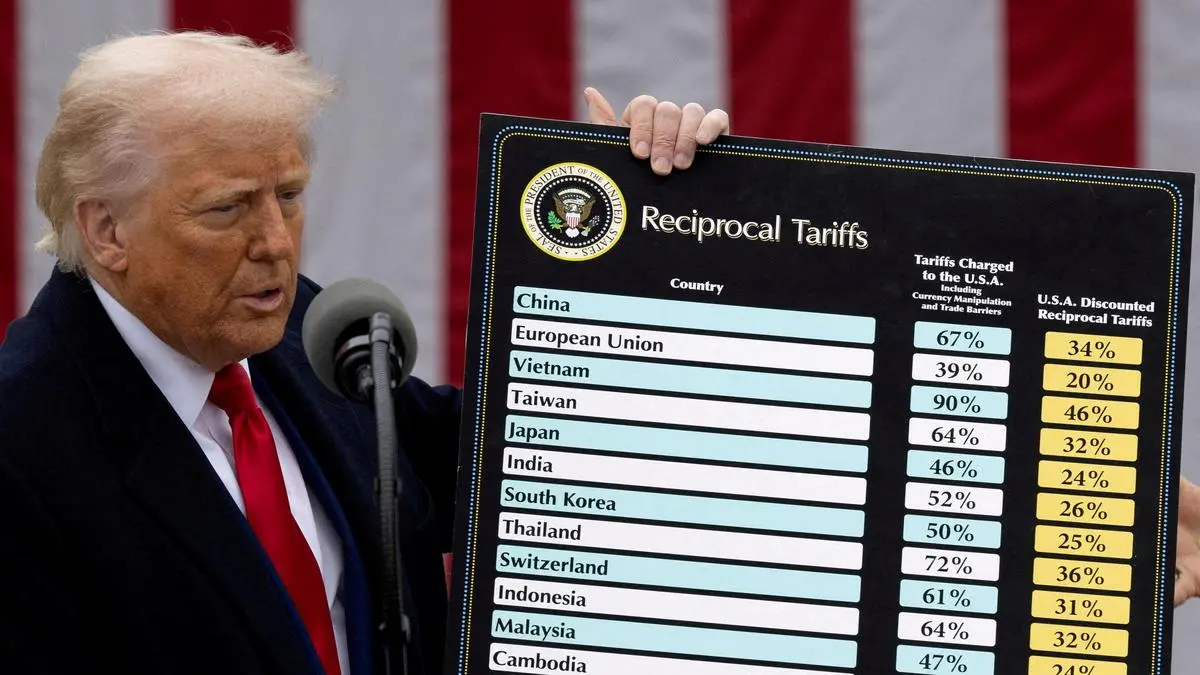
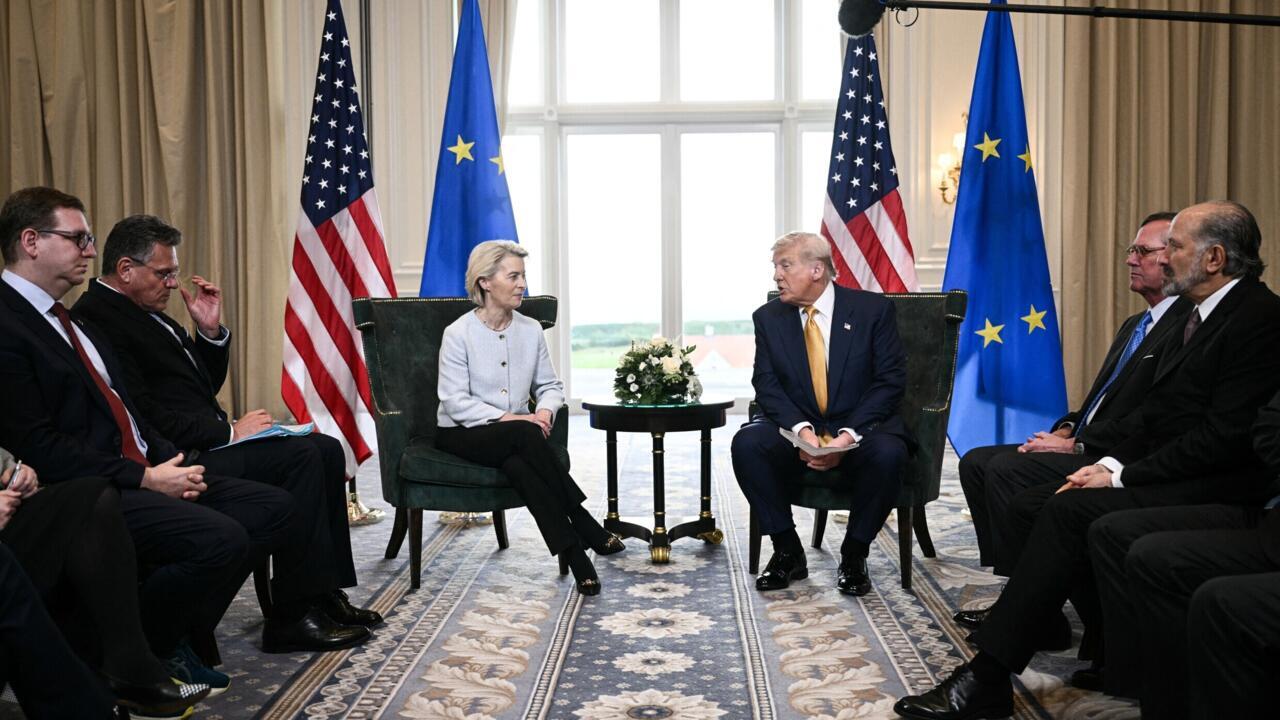
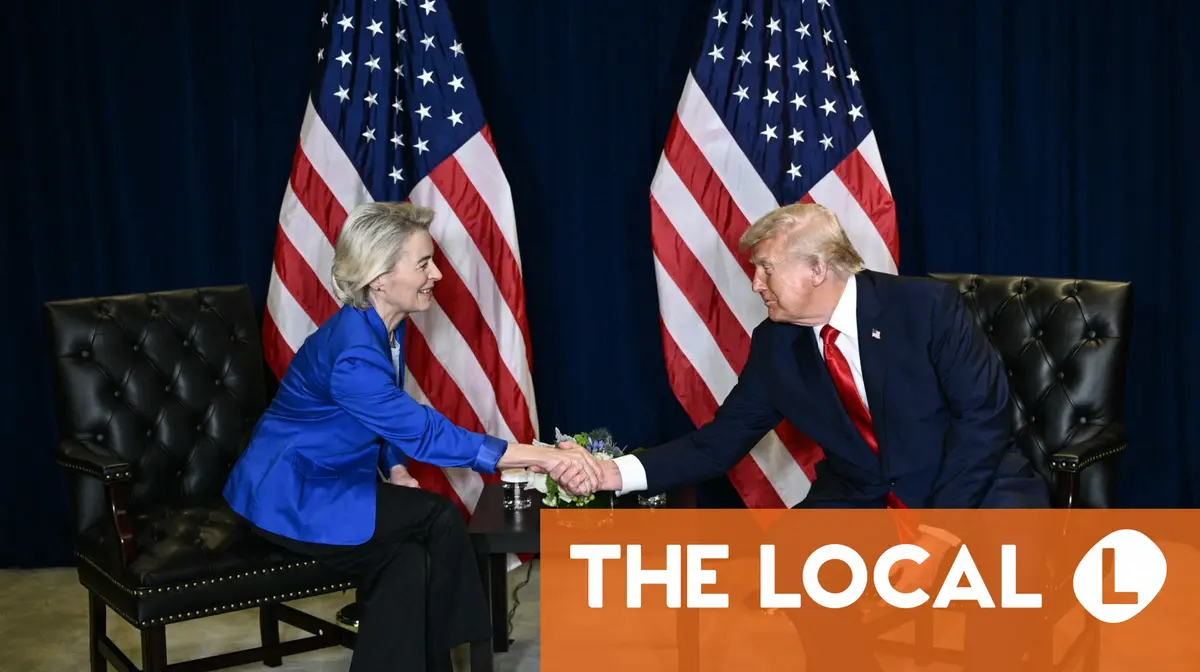
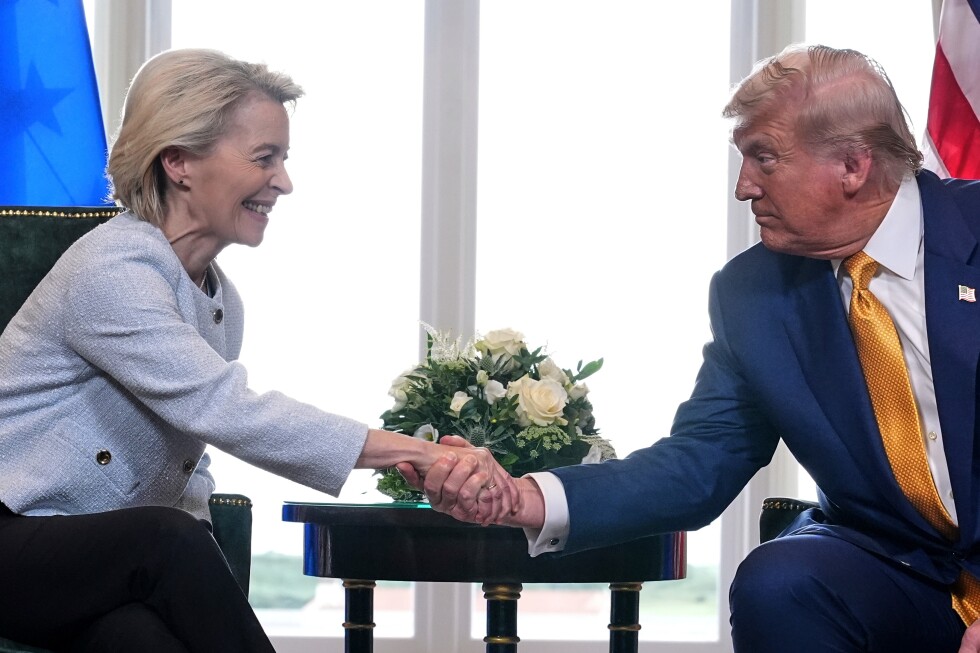
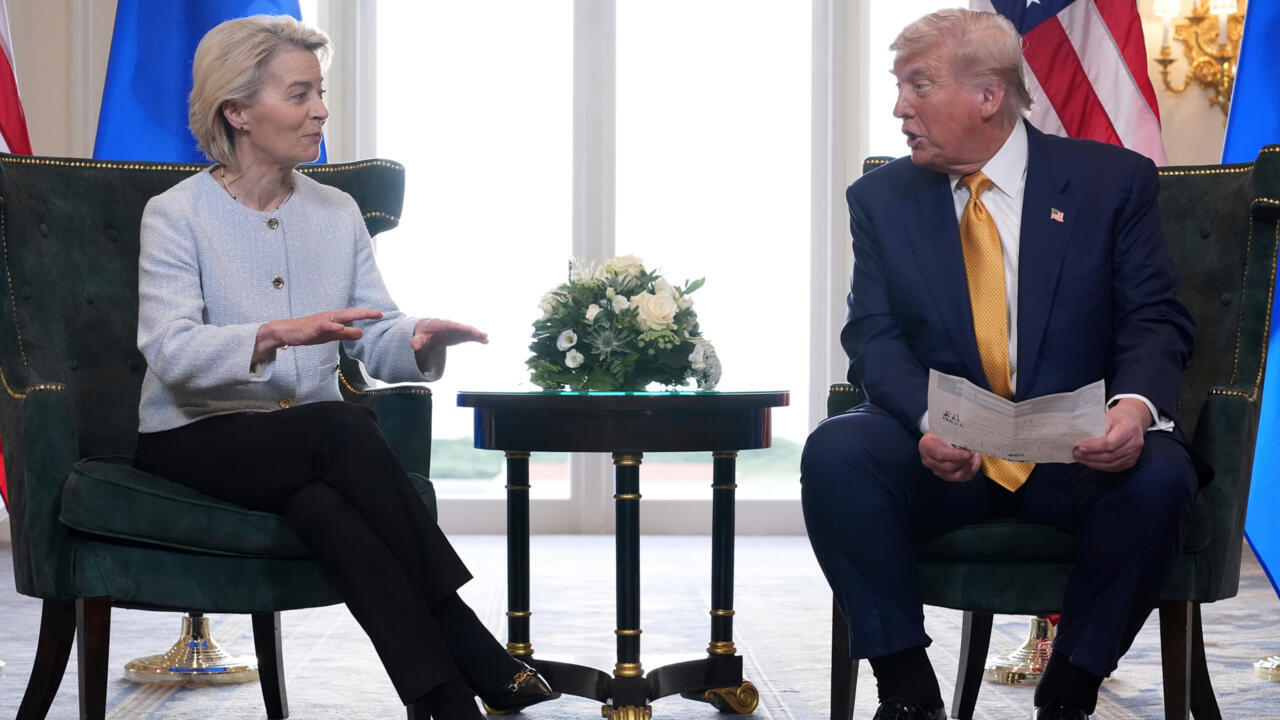
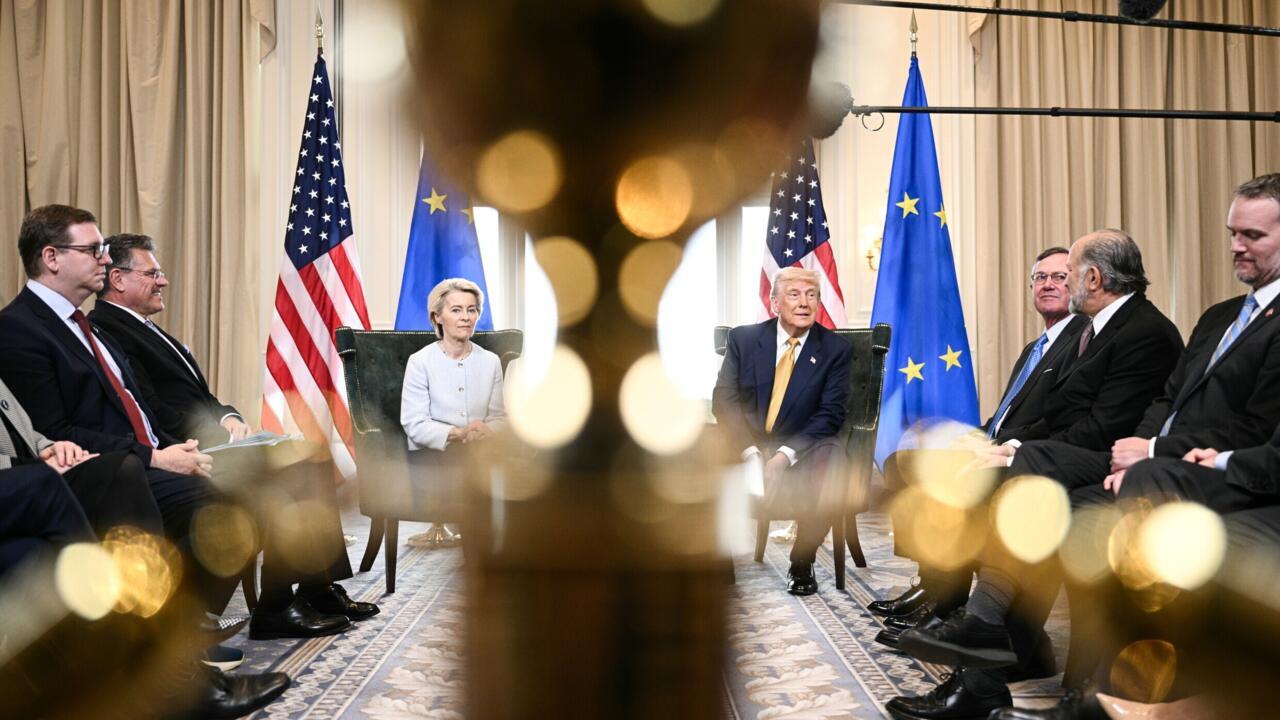
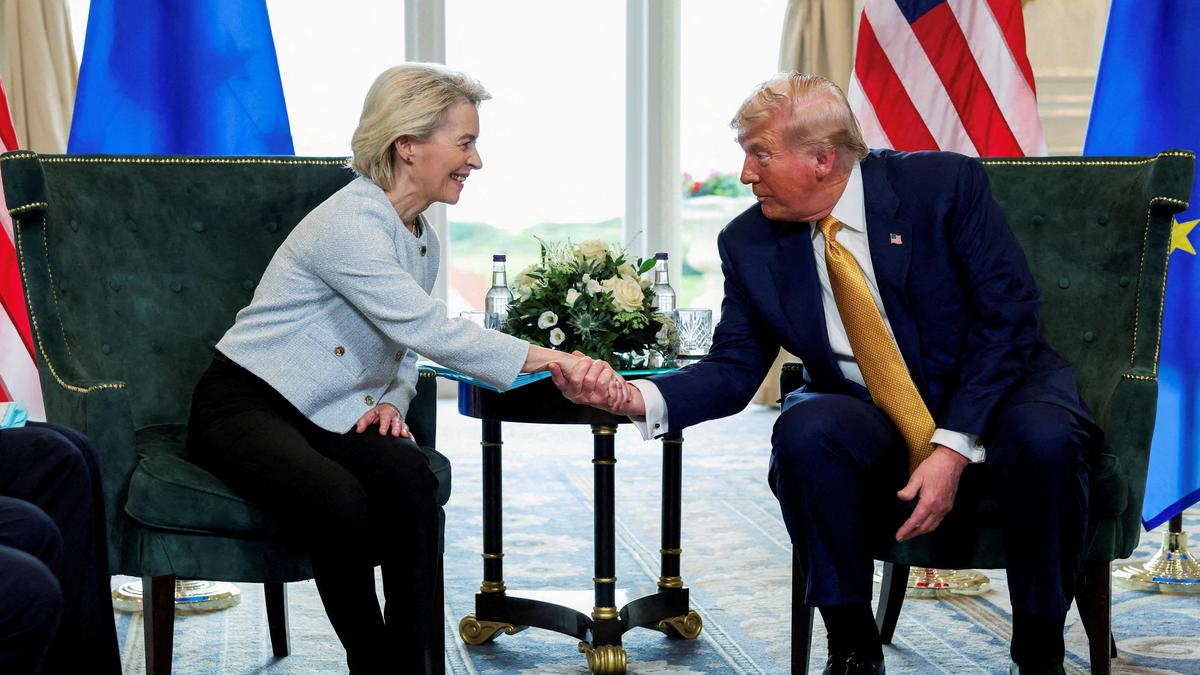
European Union (EU) negotiators were expected to agree on Tuesday (May 19, 2026) to scrap import duties on U.S. goods to comply with the trade deal struck with the United States last year and ward off U.S. President Donald Trump's threat of much higher tariffs.Under the terms of the deal struck at Mr. Trump's Turnberry golf resort in Scotland last July, the EU agreed to remove import duties on U.S. industrial goods and grant preferential access to U.S. farm and sea produce. In exchange, the United States would impose tariffs of 15% on most EU goods.However, nearly 10 months on, the European Parliament and the Council, the body representing EU governments, still have to agree on a legislative text before the EU duty reductions can enter force, with the main divisions over safeguards in case Mr. Trump reneges on the agreement.Negotiators from the Parliament and Council will meet for what was expected to be a final round of talks starting at 9 p.m. (1900 GMT). EU lawmakers involved in the negotiations were confident a deal would be struck late on Tuesday (May 19, 2026) or very early on Wednesday (May 20, 2026).U.S. President Donald Trump set July 4 deadlineMr. Trump has said he would impose much higher tariffs on EU goods including cars if the European Union (EU) did not implement its trade deal commitments by July 4, having earlier threatened to raise tariffs on EU car imports to 25% from the current 15%.EU lawmakers have twice paused the required legislation after Mr. Trump's threats to impose new tariffs on European allies who did not back his proposed acquisition of Greenland and after the U.S. Supreme Court struck down his global tariffs.Assuming a deal is reached, then the bloc should meet Mr. Trump's July 4 deadline, with a final vote of approval in the European Parliament then expected in mid-June.EU lawmakers want tougher safeguards, including a "sunrise clause" under which the EU would only cut duties when the United States fulfilled its side of the deal, the possibility to suspend the deal if the U.S. breached the terms, and a "sunset clause" to end EU tariff concessions on March 31, 2028.EU governments have had less appetite for inserting such items, concerned they could antagonise the Trump administration and create uncertainty for EU businesses. Published - May 19, 2026 03:51 pm IST