Explore how a free note frequency chart bridges music theory and physics. This article explains note names, Hertz values, equal temperament, and practical uses for musicians, producers, and audio engineers.
Music exists in two parallel worlds: the creative world of melody, harmony, and rhythm, and the scientific world of vibrations, waves, and cycles per second. The bridge between these two realms is often a simple yet powerful tool—the free note frequency chart. While many musicians learn to read notes on a staff or play by ear, few instinctively know that the A above middle C vibrates exactly at 440 Hz (or sometimes 432 Hz, depending on tuning preference). Understanding this relationship unlocks deeper control over synthesis, recording, instrument repair, and even orchestration.
This article provides a comprehensive walkthrough of the free note frequency chart, explains how frequencies are calculated, why the chart matters, and how you can use it in real-world scenarios. No jargon traps, no keyword stuffing—just useful knowledge you can apply today.
What Is a Note Frequency Chart?
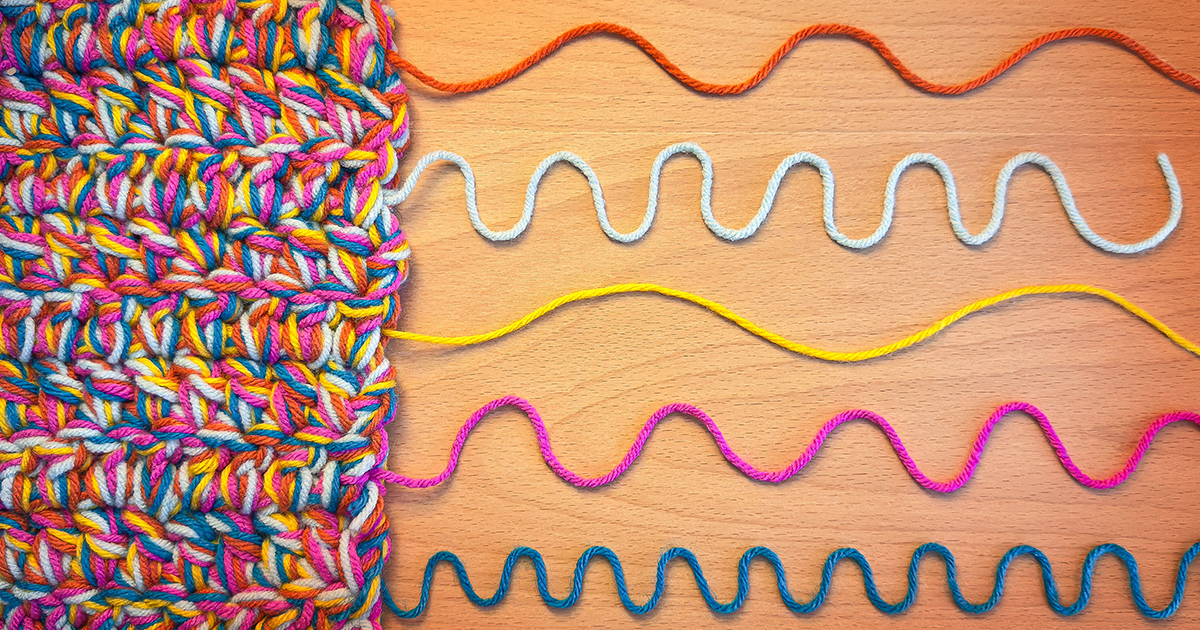
At its core, a note frequency chart maps every musical note (C, C#, D, etc.) across octaves to its corresponding frequency in Hertz (Hz). Hertz measures cycles per second—how many times a sound wave oscillates in one second. Higher pitch equals higher frequency.