May 20, 2026 | 02:33 pm
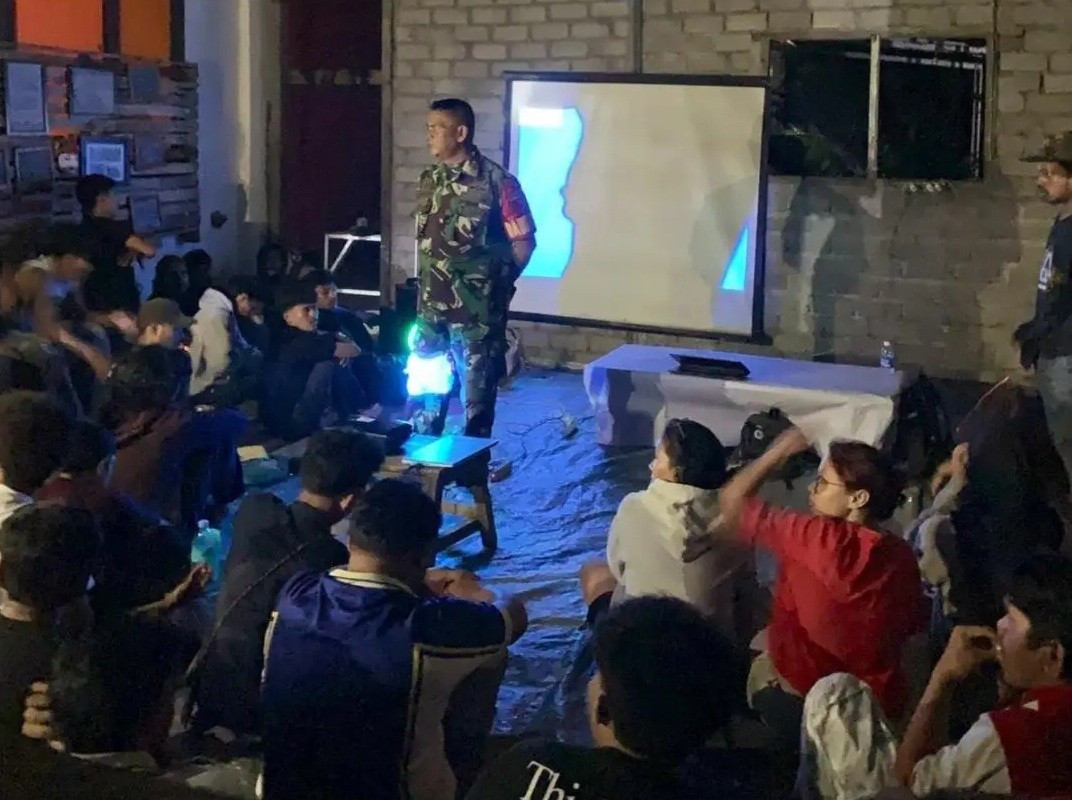
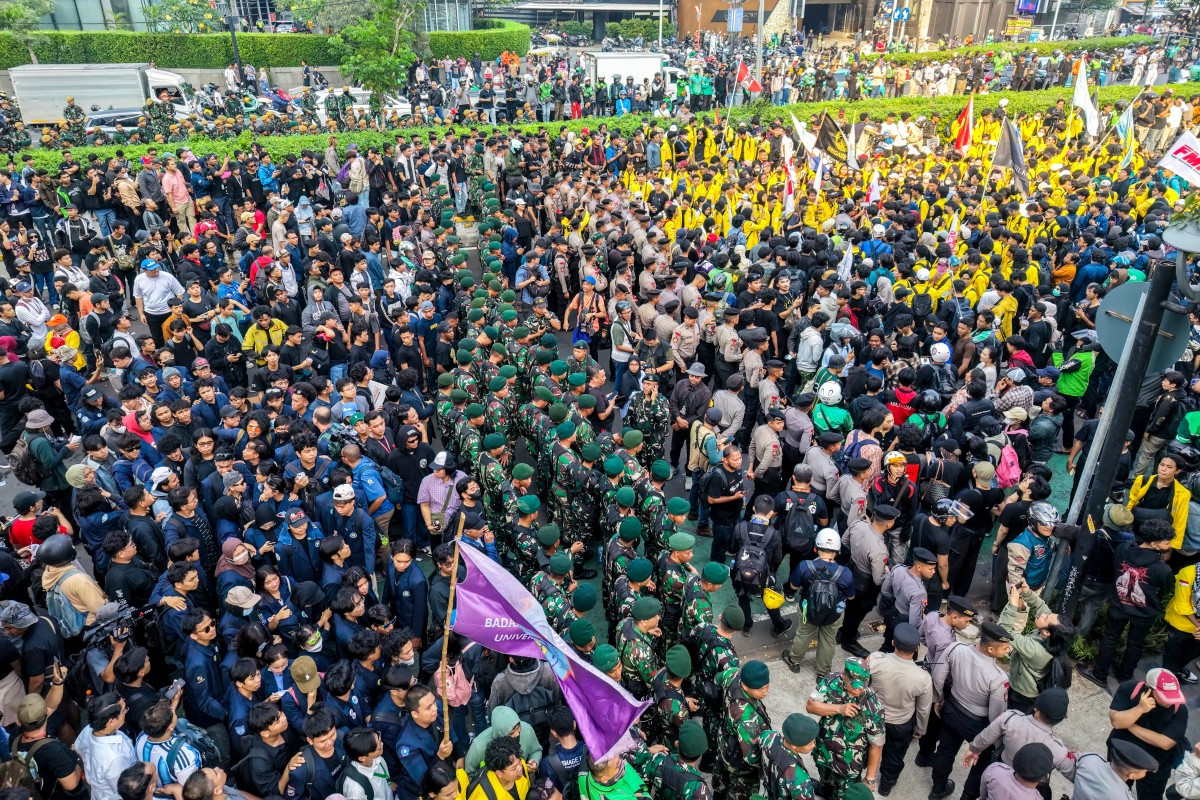
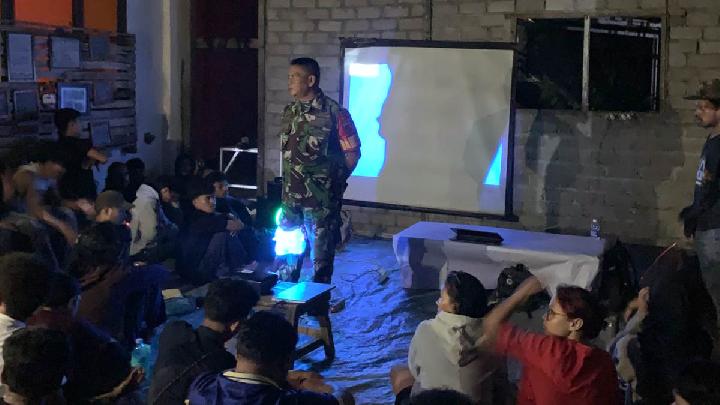
The disbandment of the Pesta Babi documentary film screening at the Khairun University Student Activity Unit Building by TNI officers from the 1501 Ternate Military District Command, May 13, 2026. Doc. Mapala KAFRAPALA Unkhair Ternate
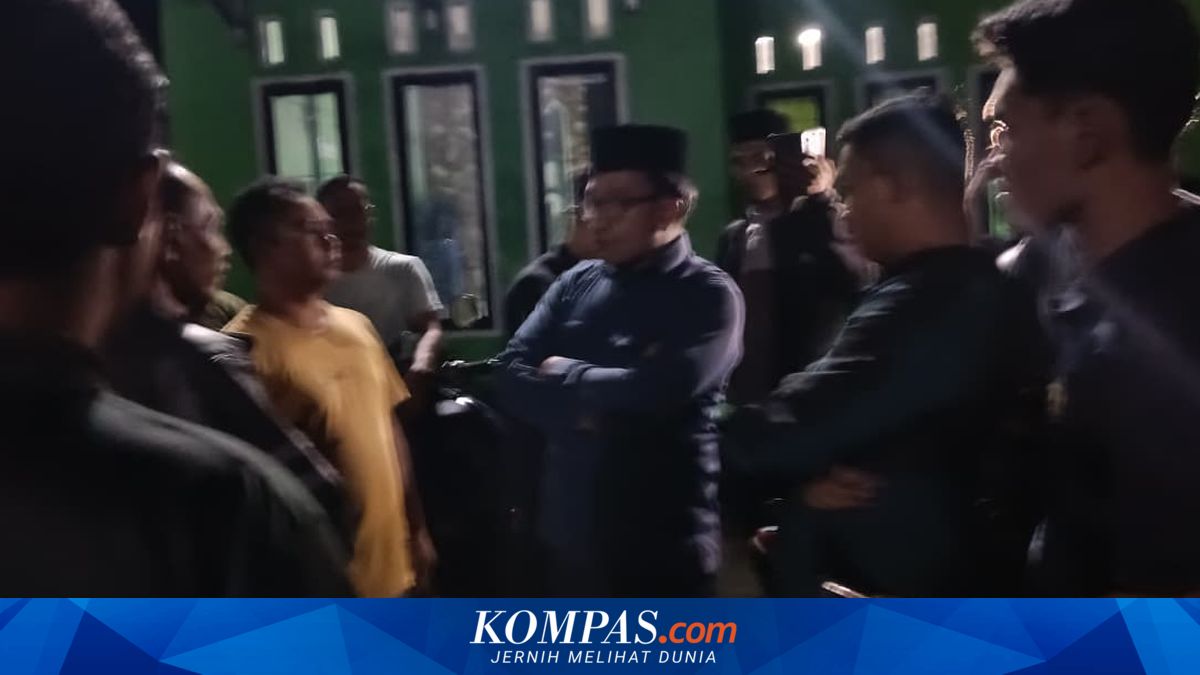
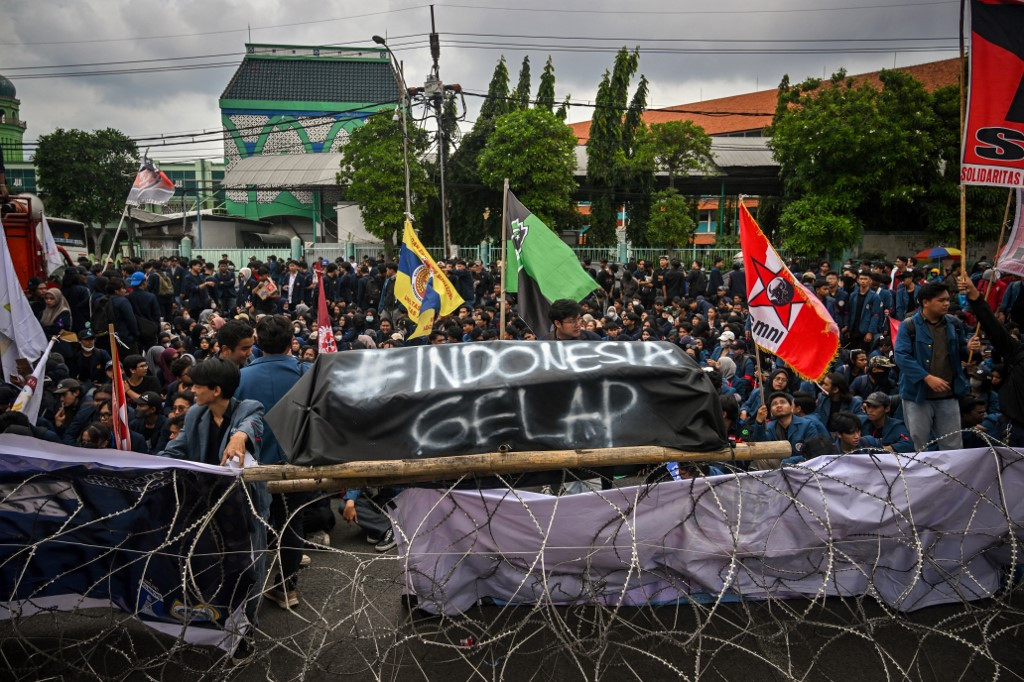
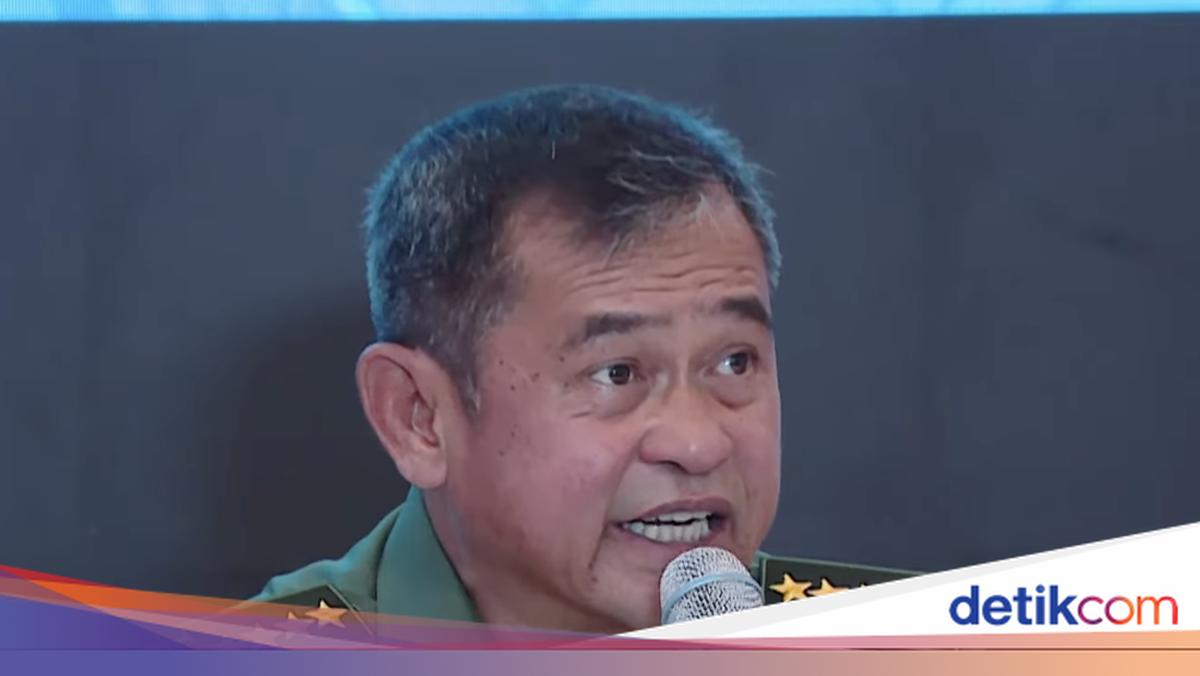
Soldiers should not be allowed to halt the screening of a film. People need to be given the opportunity to watch it and judge for themselves.THE blocking of screenings of the documentary film Pesta Babi: Kolonialisme di Zaman Kita (Pig Feast: Colonialism in Our Time) shows that the authorities are increasingly allergic to criticism. The Indonesian Military (TNI) does not have the authority to ban the screening of a film, yet alone to forcibly stop it.The actions of the soldiers in halting public screenings in more than 20 locations were a violation of the right to freedom of expression as guaranteed by the Constitution. The 90-minute film recounts the expansion of industry and the clearing of land that is encroaching on customary forests in Papua. The documentary also portrays opposition from indigenous communities in Boven Digoel, Merauke, and Mappi to government’s strategic national projects that they believe are depriving them of their living space. And it contains criticism of the deployment of the security forces, which it claims are oppressing Papuans.What is there really to fear from a documentary film?Neither the state nor the military should not be concerned about films like Pig Feast. A documentary is not a weapon, and neither is it a rebellion. It is simply a medium to convey perspectives, experiences, and social criticism. In a democracy, the people should be given the opportunity to watch, listen, and then judge for themselves. If they believe there is something wrong with the content of a film, they can respond with data or discussions, or make a film to rebut it.It is difficult to justify the claim by Ternate Military District Commander Col. Jani Setiadi that the film is alarming or provocative. The measure of “alarming” cannot be unilaterally determined by the military. If all criticism were considered provocative, then a democracy would only leave room for praise. And the state would eventually turn into an institution that is so fragile that it is frightened of movie screenings and student discussions.These repressive actions against the screenings of Pig Feast also add to the long list of interventions by the authorities into the civil sphere. Previously, TNI personnel were alleged to have been behind the acid attack against Commission for Missing Persons and Victims of Violence (KontraS) activist Andrie Yunus. But the legal process of this case left the impression of obscuring the investigation. The public increasingly doubts the military’s commitment to professionalism and civil supremacy.TNI Commander Gen. Agus Subiyanto must immediately take action against the soldiers who broke up the film screenings. He also needs to ensure that his men stop reacting this way to public discussions and works of art. The government should adhere to the statement by Human Rights Minister Natalius Pigai that screenings of films can only be halted by a court ruling.The ban on the screening of Pig Feast only increased public attention. In the Internet era, efforts to sensor works only trigger public curiosity. Campuses and civil groups should facilitate honest and critical discussions about Papua. Papua issue will not be resolved through censorship, intimidation or silencing voices. What is needed is the courage to listen to the truth, no matter how uncomfortable it may be for the government.Read the Complete Story in Tempo English Magazine