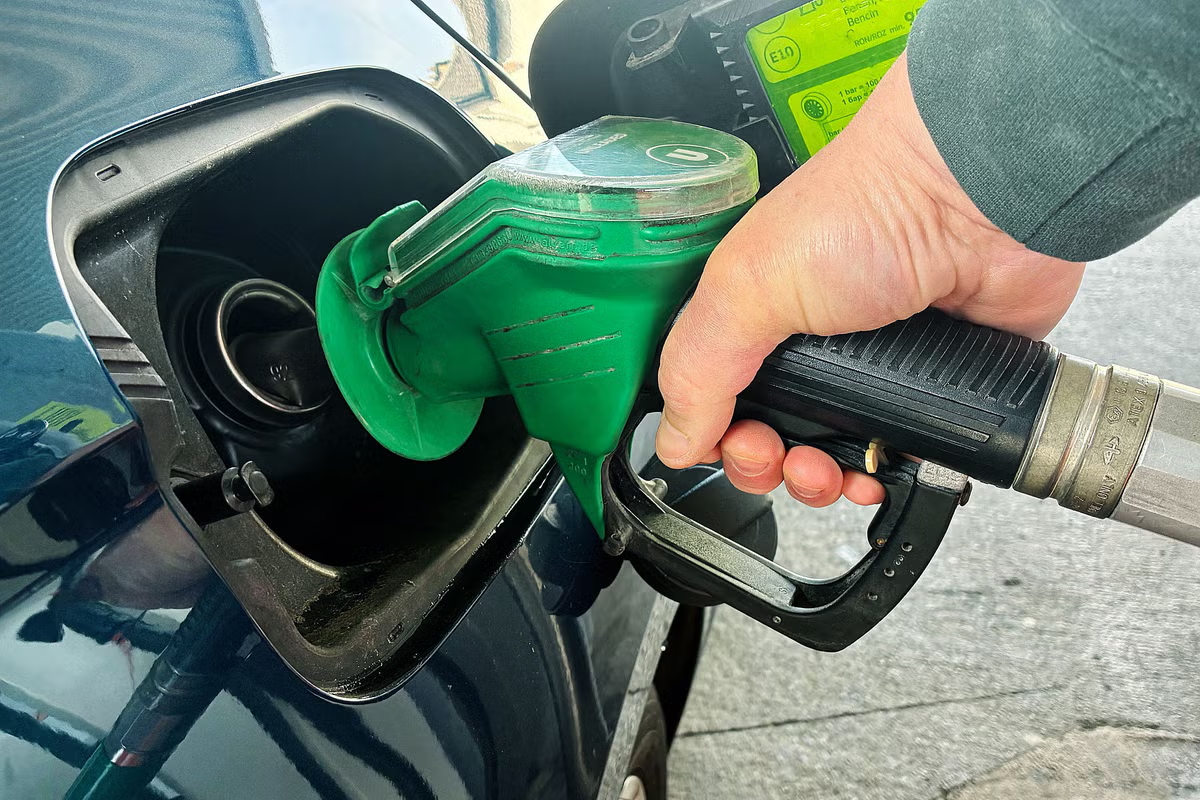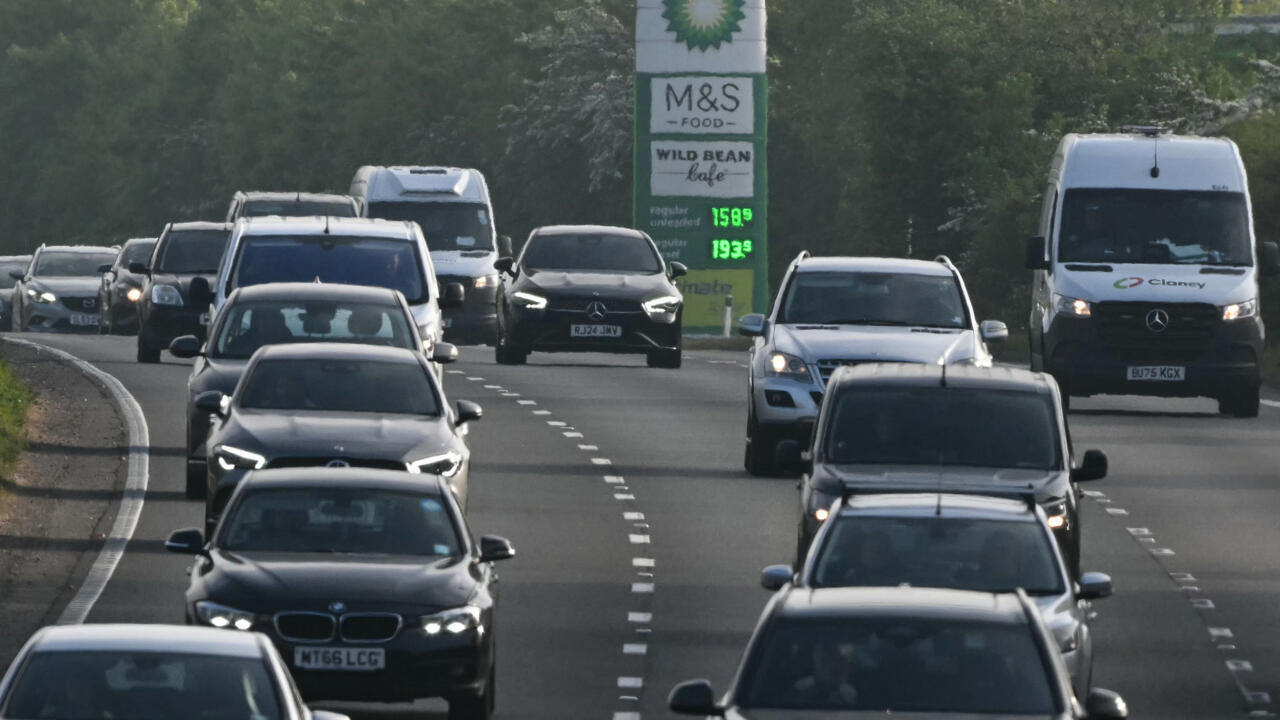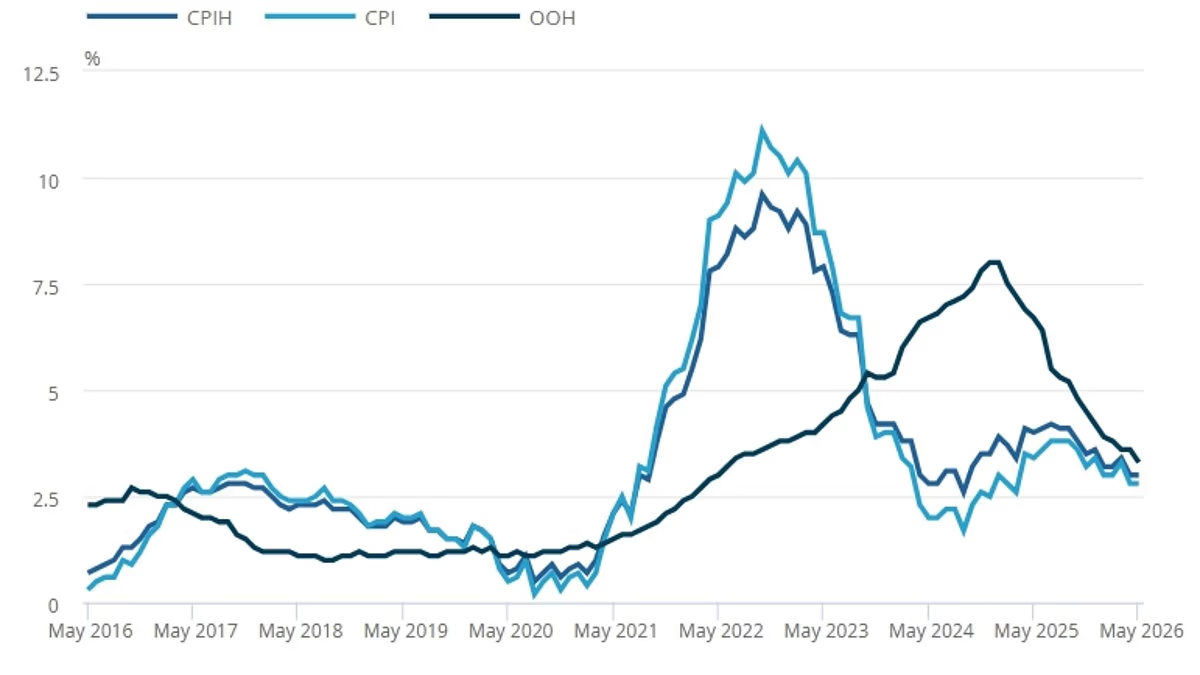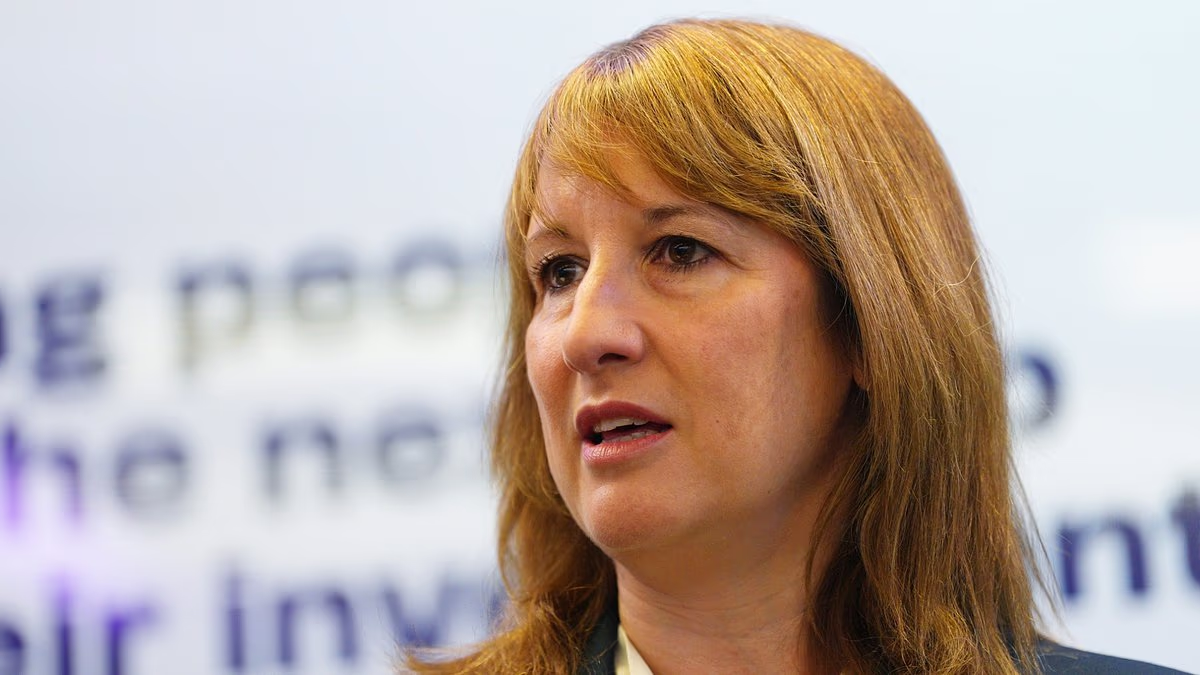
Brits were given a respite from cost-of-living pain last month as inflation dipped - but economists have warned things are set to get worse. The headline CPI rate dropped from 3.3 per cent in March to 2.8 per cent, more than most analysts had expected.The easing was driven by a fall in the energy price cap in April and last year's eye-watering bill increases dropping out of the figures. However, experts said the backdrop remains grim as the impact of the Middle East crisis feeds through into supply chains. Chancellor Rachel Reeves said she had the 'right plan' for responding to the Iran turmoil, and would be setting out more help for families tomorrow.That is set to include ditching a planned rise in fuel duty from September - with pump prices causing agony for motorists. Most economists had predicted the rate would slow to 3 per cent. Inflation is now at its lowest level since March last year.
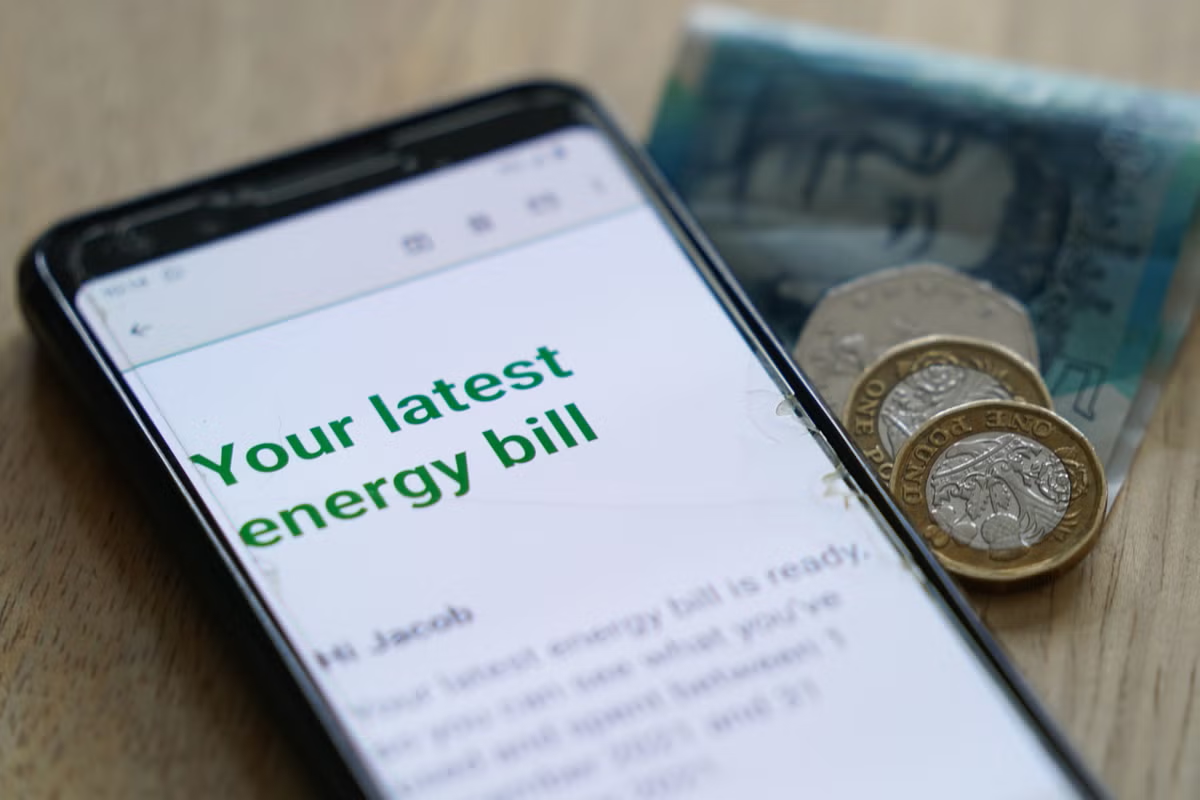
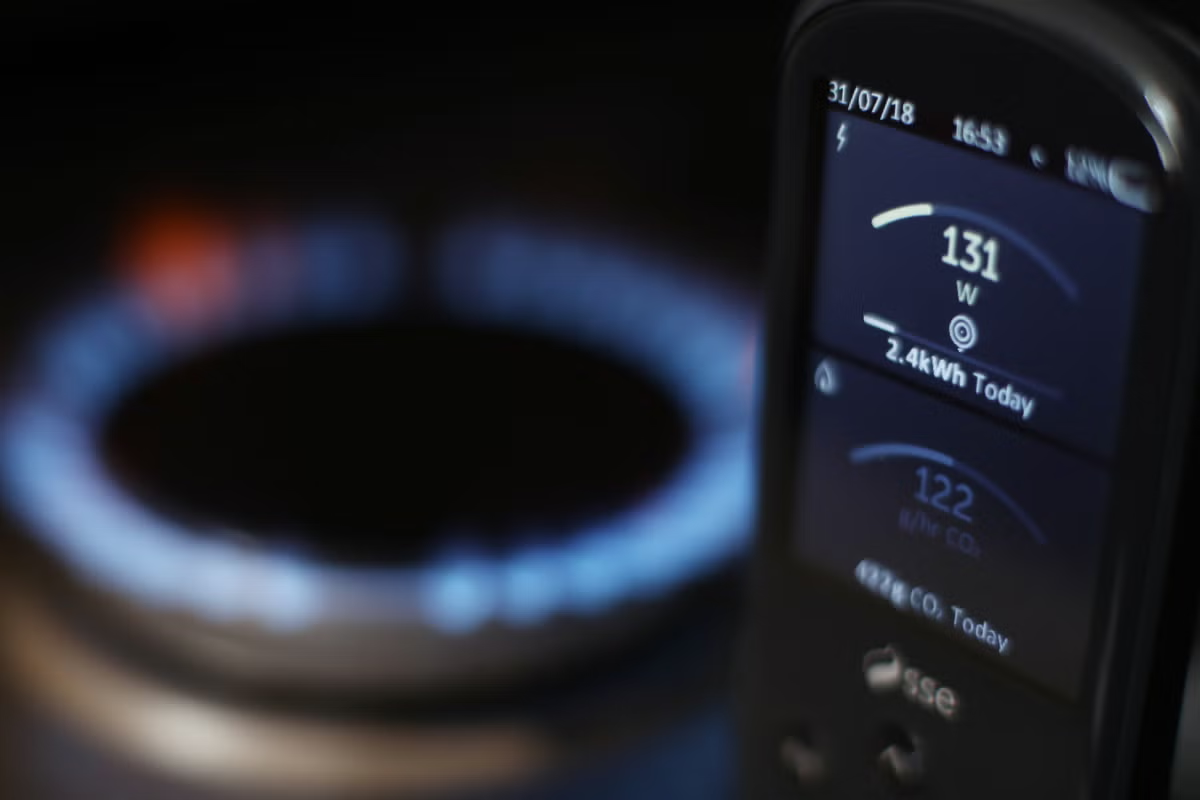
Ofgem lowered its energy price cap from the start of April by 7 per cent, or £10 a month, for the average household using both electricity and gas.That came after the Government moved 75 per cent of the cost of the UK's renewables obligation from household bills on to general taxation, and scrapped the energy company obligation scheme.However, estimates have suggested Ofcom will increase the energy cap by 13 per cent in July, with an announcement due at the end of this month. Susannah Streeter, chief investment strategist at Wealth Club, said: 'Despite the fall in inflation in April, the UK still appears stuck in a 1970s-style economic backdrop of energy insecurity, persistent price pressures and growing political intervention in markets. The softer-than-expected inflation reading will come as welcome relief to policymakers and households, but concerns remain that higher energy costs and geopolitical tensions could yet feed through into prices in the months ahead.Sanjay Raja, chief UK economist for Deutsche Bank, highlighted the increased prices at the pumps.He said: 'We expect price momentum to pick back up as the Iran shock catches up with the inflation data. Indeed, dual fuel bills won't rise until the summer.'Household energy bills are forecast to jump from July when the regulator sets its next price cap, with the latest predictions from analysts Cornwall Insight suggesting this could be 12 per cent or £196 a year higher.Victoria Scholar, head of investment for Interactive Investor, said April's lower energy price cap will 'go some way towards helping offset higher petrol, airline and other prices impacted by the elevated global oil price backdrop' with Brent crude oil trading at an average of around $120 a barrel during the month.'When the Ofgem energy price cap resets in July, UK households will be faced with a sharp increase in energy bills,' she cautioned.'Were it not for the Iran war, it would be about this time that the UK inflation rate was finally expected to fall back to the Bank of England's 2 per cent target.'Instead, interest rate and inflation expectations have drastically rerated higher.'The Bank of England kept interest rates on hold last month and is expecting inflation to increase under several of its potential scenarios for the impact of the energy shock.The Bank has said inflation could hit as high as 6.2 per cent early next year under its most inflationary scenario. ONS chief economist Grant Fitzner said today: 'There was a notable fall in annual inflation led by lower electricity and gas prices.'This was due to the Government's energy bill support package reducing variable and fixed tariffs, along with lower global wholesale energy prices before the conflict in the Middle East, which fed through to the reduction in the Ofgem cap.'Smaller rises in water and sewage bills and Vehicle Excise Duty than seen last year also helped pull the rate down. Food prices, particularly for chocolate and meat products, and the price of package holidays drove inflation down further.'These were only partially offset by a further increase in petrol and diesel prices, and an uptick in the cost of clothing and footwear. 'The annual cost of both raw materials and goods leaving factories continued to rise, driven again by higher crude oil and petrol prices.'Join the discussionIs the government doing enough to protect families from rising energy and fuel costs amid global unrest?What's your view? Chancellor Rachel Reeves, pictured at a G7 finance ministers' meeting in Paris on MondayExperts have stressed that the economic outlook could change depending on how long the Middle East conflict goes on, and how high oil and gas prices go.Chancellor Rachel Reeves said this morning: 'The war in Iran is not our war but one we will need to respond to, and the decisions I took in the Budget last year have kept inflation down as we deal with global instability.'We have the right economic plan, and to change course now would risk our economic stability and leave working people worse off.'We have already taken £117 off energy bills, frozen rail fares, and lifted the two-child limit, and over today and tomorrow I'll set out the next phase of how we will support UK households.'The pound slipped slightly this morning following the release of the inflation data at 7am. Sterling was down 0.07 per cent at $1.3384, while the euro was flat against the pound at 86.65p.Ms Reeves is expected to announce more measures tomorrow to help reduce the cost of living, including a possible cancellation of a fuel duty increase which is due to come into effect in September.She is also pressing supermarket chains to introduce voluntary price caps on key food products in return for easing some regulations.Conservative shadow chancellor Mel Stride said today: 'Any fall in inflation is welcome, but prices are still rising far too fast and Labour have left our economy weak and exposed to the impacts of the Iran war.'The recent spike in borrowing costs shows markets are increasingly worried about Labour's leadership chaos and economic mismanagement, leaving families to pick up the bill for a £300 Burnham Penalty.'Only the Conservatives have a leader with the backbone and strong team needed to restore confidence and bring debt down through our Golden Economic Rule.'The key question for the Bank's interest rate-setters is whether the expected rise in headline inflation creates longer-term price pressures in the economy.Several have said the weak jobs market could make it harder for workers to demand higher pay and for businesses to pass on higher costs.Separate ONS data published yesterday showed a sharp fall in people in payrolled employment and weaker pay growth. Wage settlement figures also pointed to a slowdown in pay growth.Financial markets yesterday were betting on two quarter-point interest rate rises by the Bank this year, with a chance of a third. A Reuters poll of economists published last week showed most expected no change in rates in 2026.