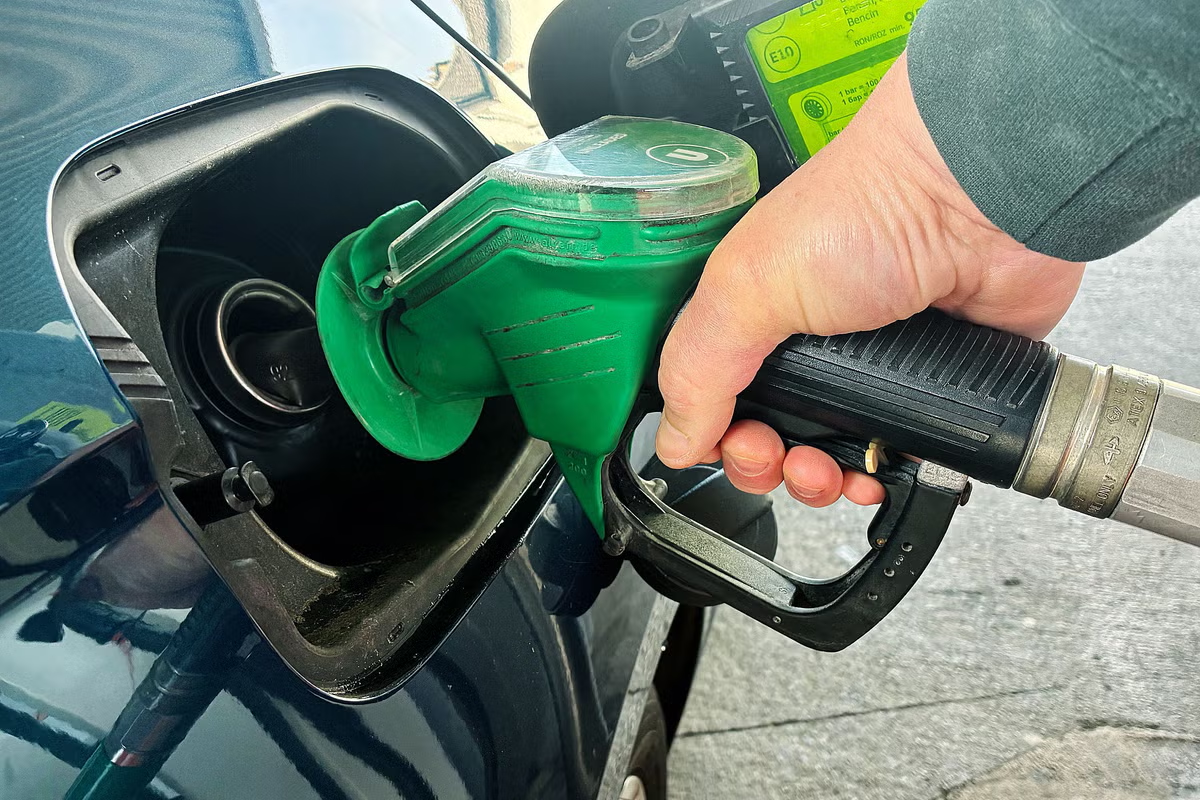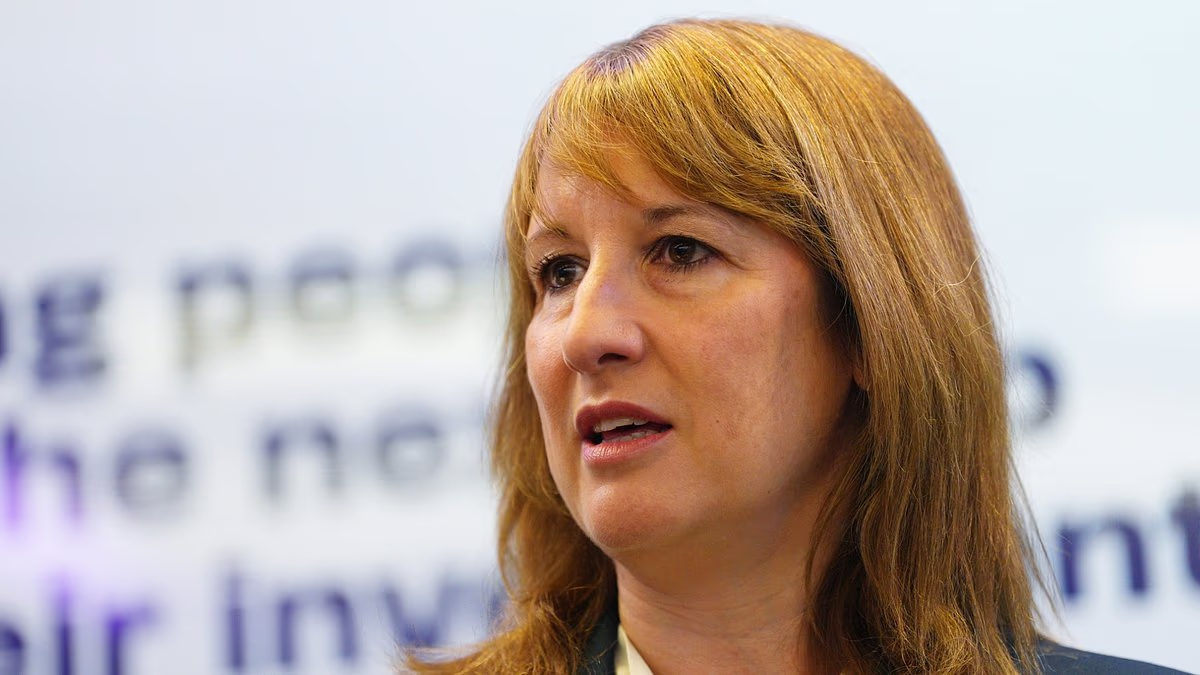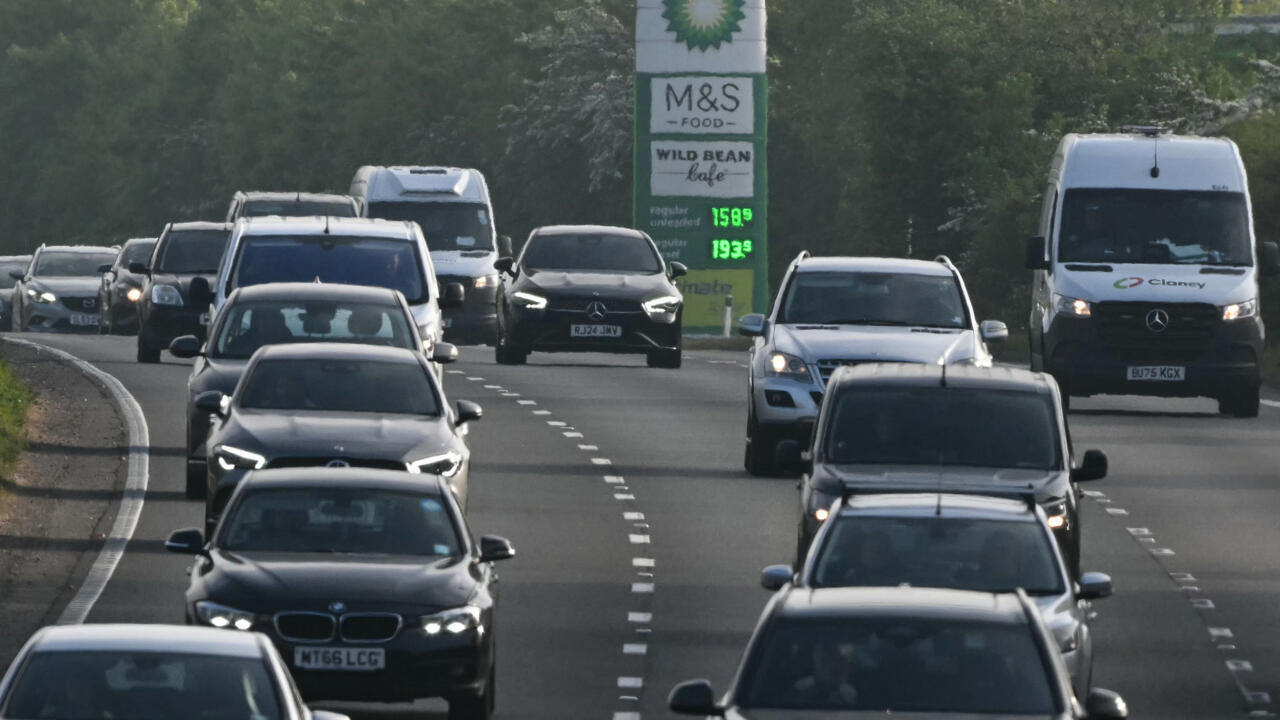
Inflation fell for the first time this year in April, official statistics show – but economists warn this is merely the calm before the storm.The Office for National Statistics reported on Wednesday morning that annual consumer price rises fell from 3.3 per cent in March to 2.8 per cent in April.That’s largely because government measures to lower energy costs kicked in, helping lower household bills, if only temporarily.In response to fresh inflation data from the ONS, Chancellor Rachel Reeves said: “The war in Iran is not our war but one we will need to respond to, and the decisions I took in the Budget last year have kept inflation down as we deal with global instability.“We have the right economic plan, and to change course now would risk our economic stability and leave working people worse off.“We have already taken £117 off energy bills, frozen rail fares, and lifted the two-child limit, and over today and tomorrow I’ll set out the next phase of how we will support UK households.”But economists fear the drop in inflation may be short-lived. Suren Thiru, chief economist at chartered accountants institute the ICAEW, said: “April’s slowdown is a final interlude before the inflation storm sparked by the Iran war hits as the Ofgem energy price cap reduction, aided by the chancellor’s cut to green levies, temporarily lowered the headline rate.Chancellor Rachel Reeves is facing inflation pressure (Getty Images)“This decline is probably the last inflation fall for this year as surging fuel and food prices will probably haul it close to 4 per cent this summer, while any escalation of the conflict in Iran opens the door to CPI hitting 5 per cent.”Danni Hewson, head of financial analysis at AJ Bell, said: “The problem with today’s inflation data is that it is backwards looking and households struggling to stretch their budgets to fit the rest of the year are hyper aware that the picture painted by April’s numbers is a rose-tinted anomaly. Whilst motorists have already experienced a hefty rise in the price they’ve been paying at the pump, the true impact of the energy price shock created by the Iran war will take a few months to really work its way through the system.”Rising prices are the top financial concern for UK households, recent surveys show. S&P Global’s consumer sentiment index figure dropped to 42.1 in May, from 42.3 in April, the lowest level since July 2023 when inflation in the UK was soaring as a result of the Russian invasion of Ukraine.On Tuesday, the UK unemployment rate rose to 5 per cent in the three months to March from 4.9 per cent. That could also be a sign of further job cuts to come as employers look to cut costs.Ms Hewson said on inflation: “April’s figures are further skewed by the energy price cap, which includes a big dollop of government help as it shifts the burden of renewables onto general taxation and away from bills. Put simply, this is the calm before a summer storm with energy bills, food prices and a whole host of other costs expected to shoot up over the coming months. With wage growth slowing in a tepid labour market to boot, things are likely to feel tough for a lot of people still reeling from their last brush with high inflation.”More follows...
UK inflation falls to 2.8% – but experts warn far higher price rises on the way
Inflation could hit 5 per cent by the summer, economists forecasts, as the full effects of Iran War take hold
555 words~3 min read