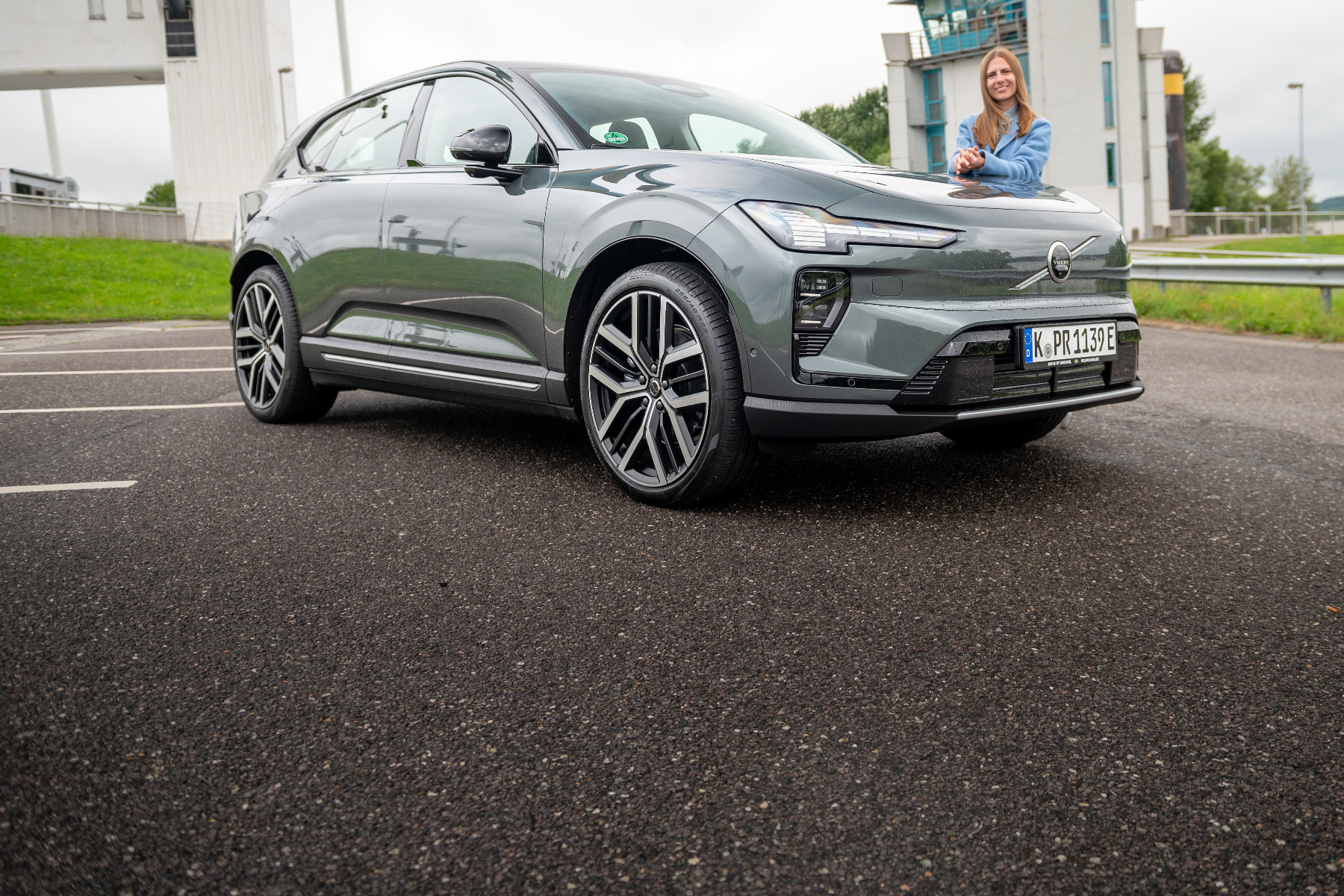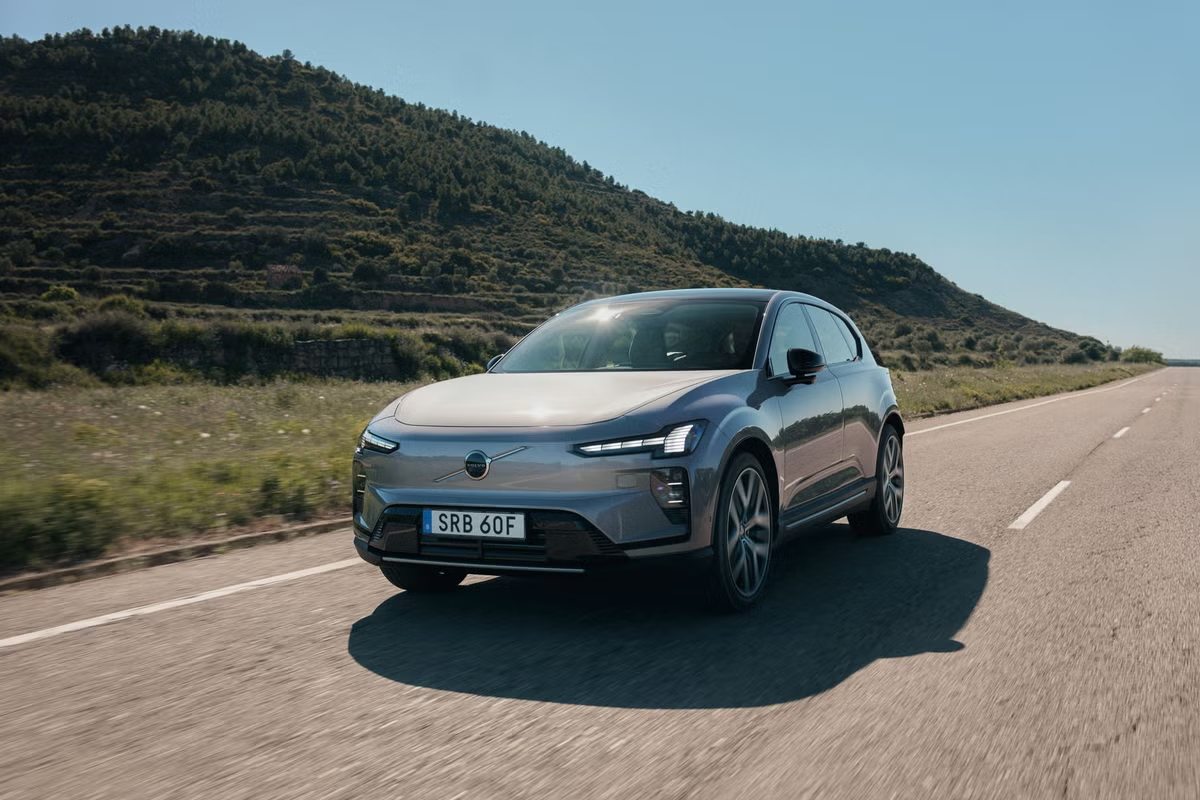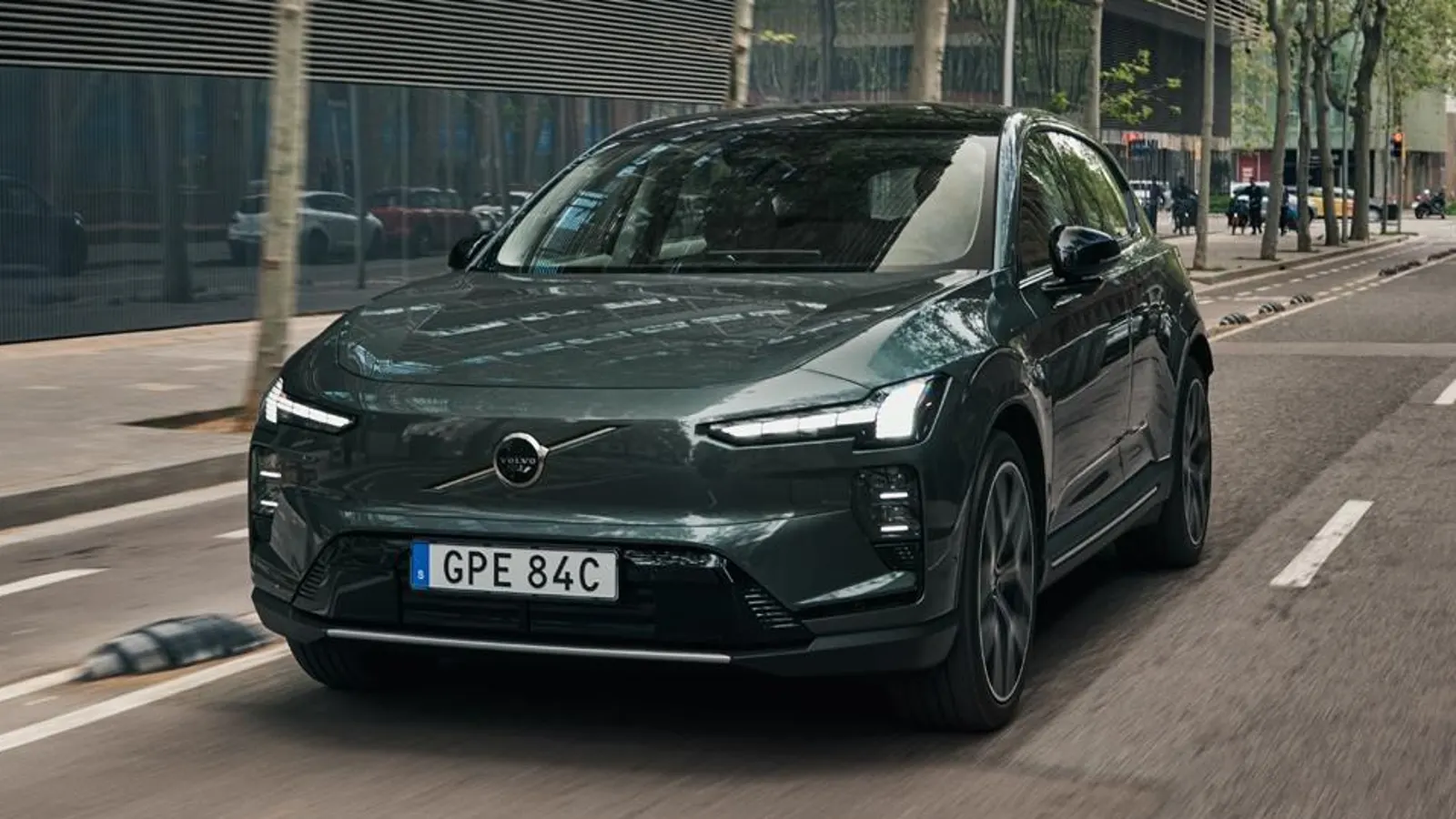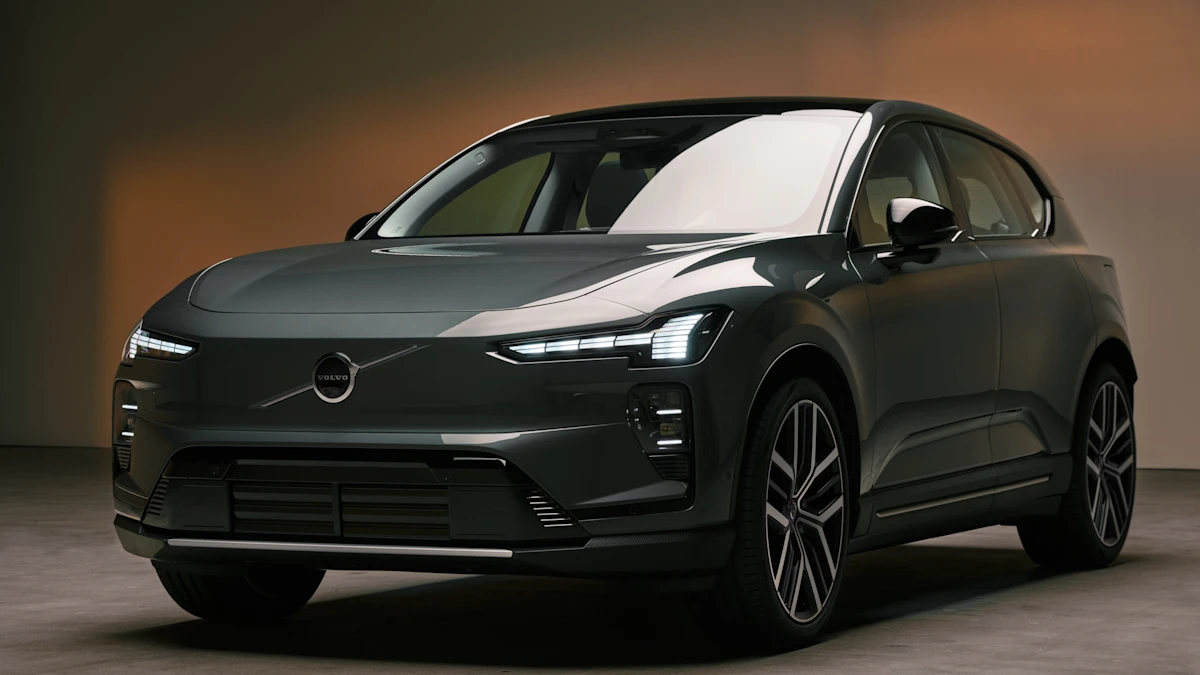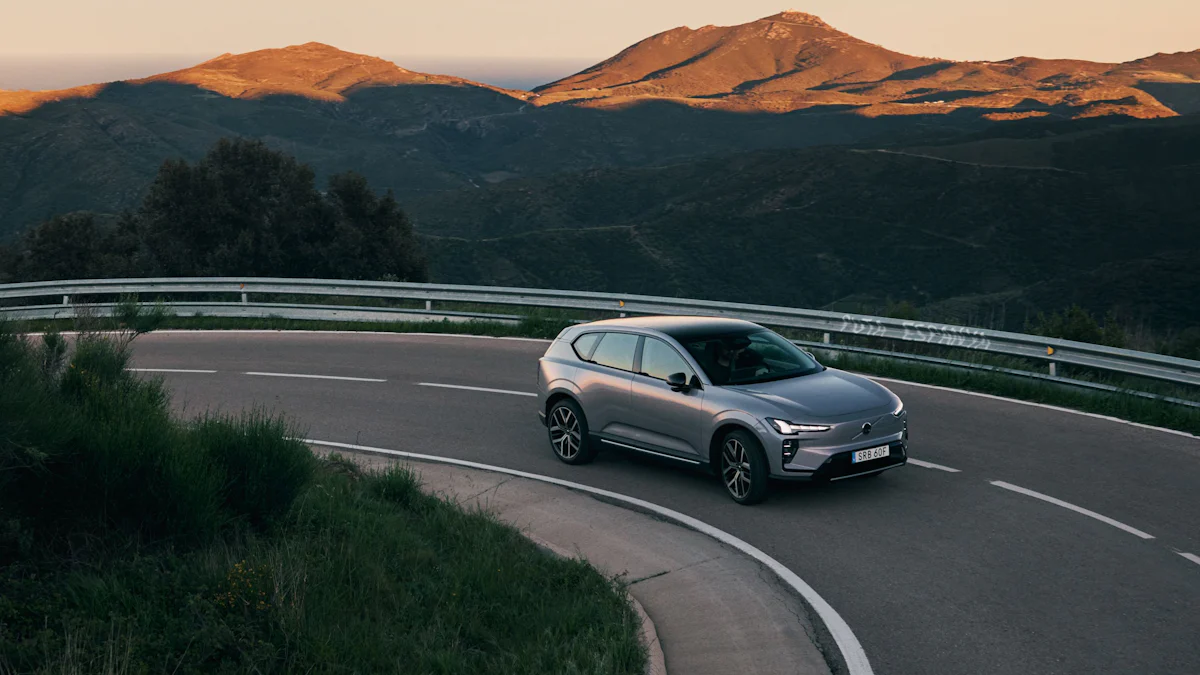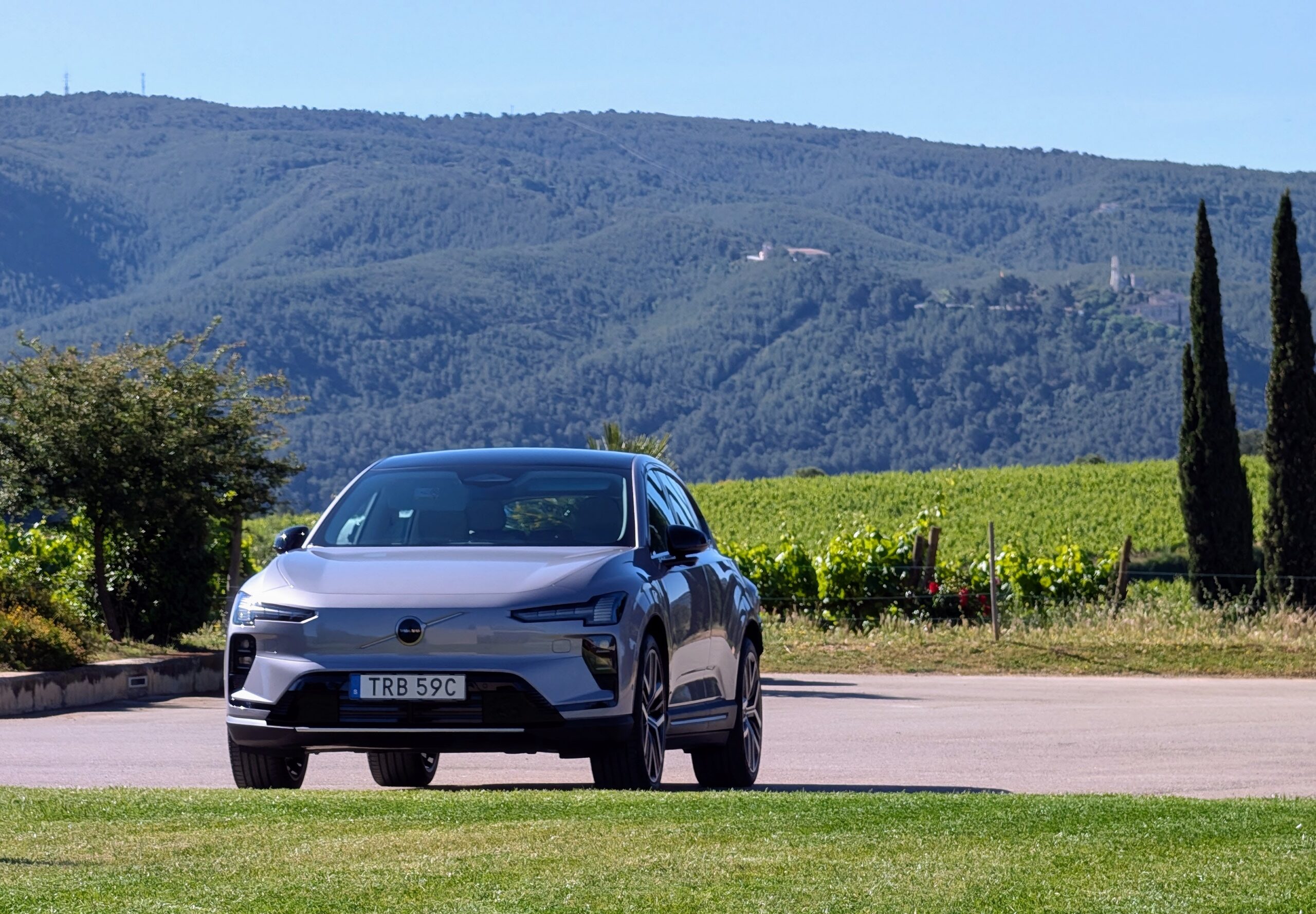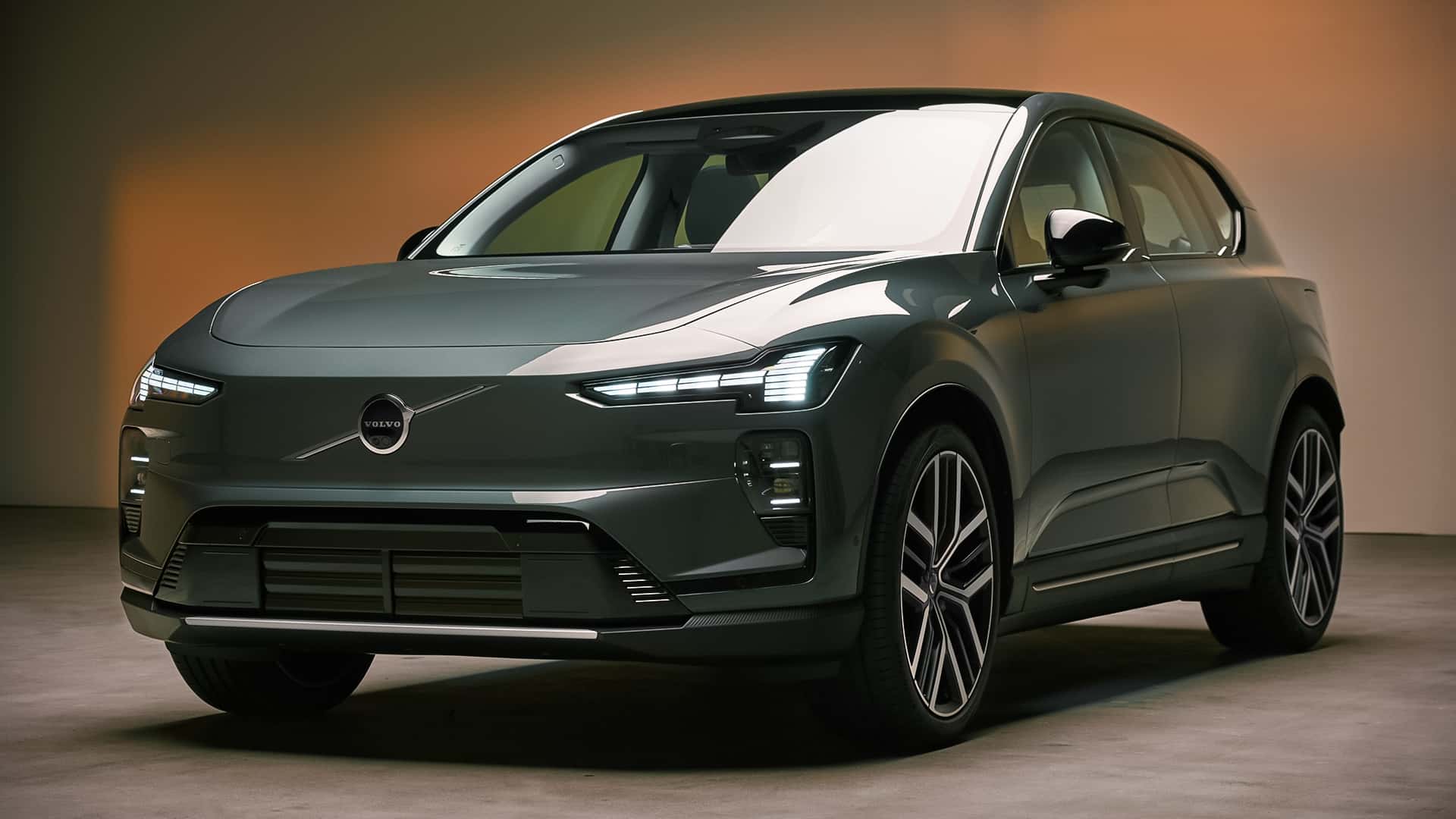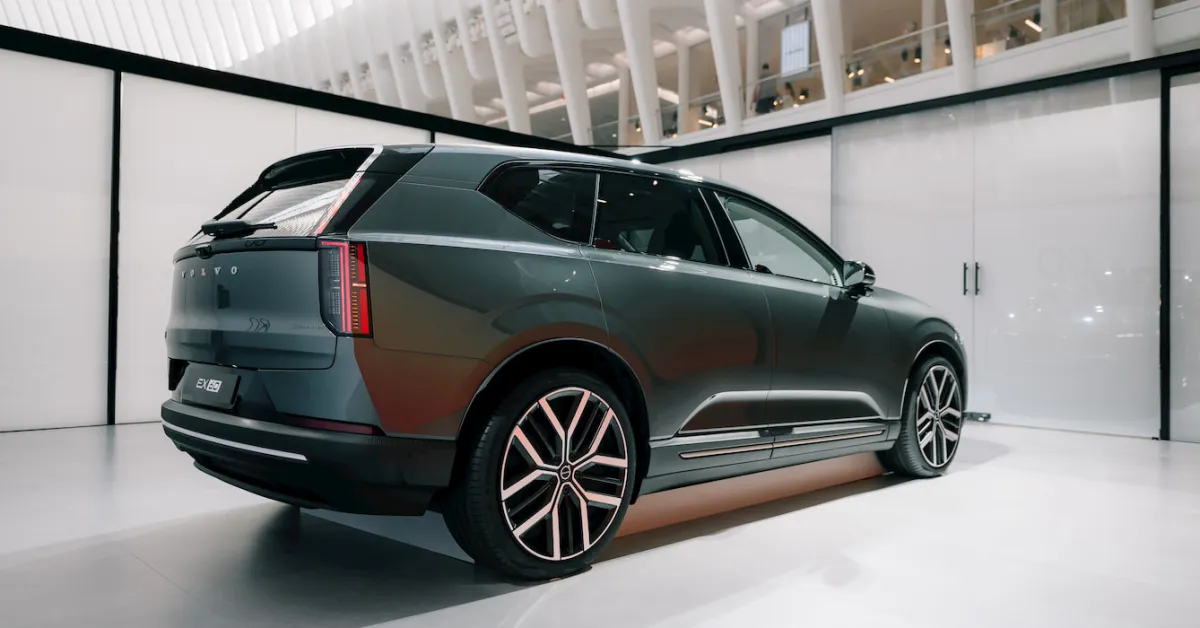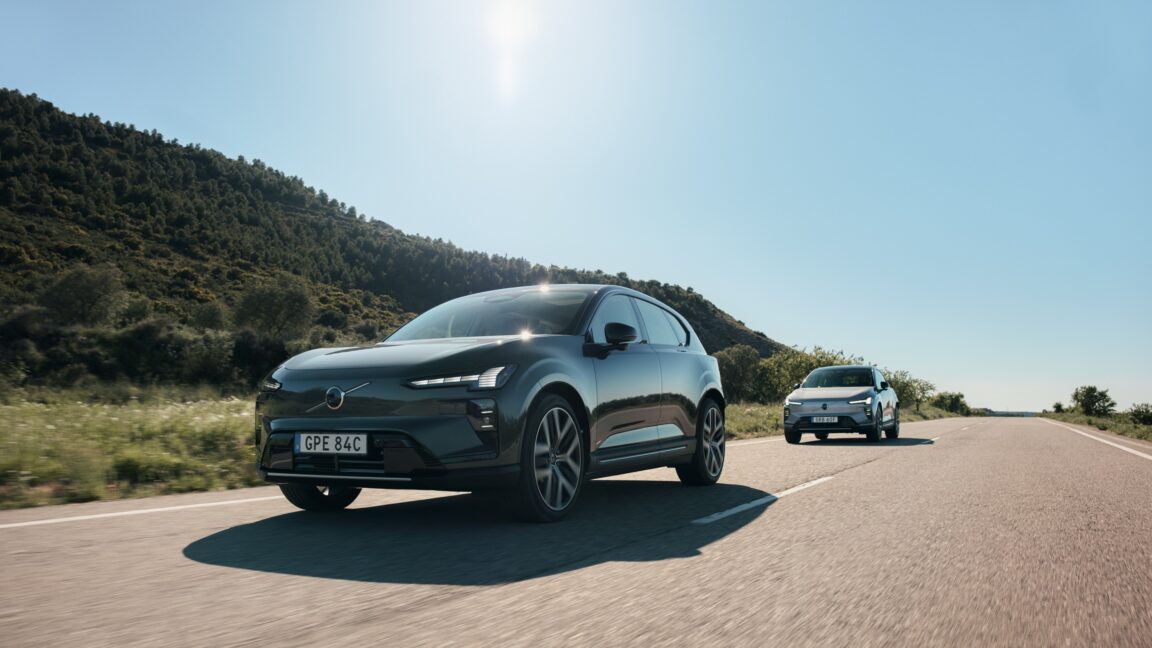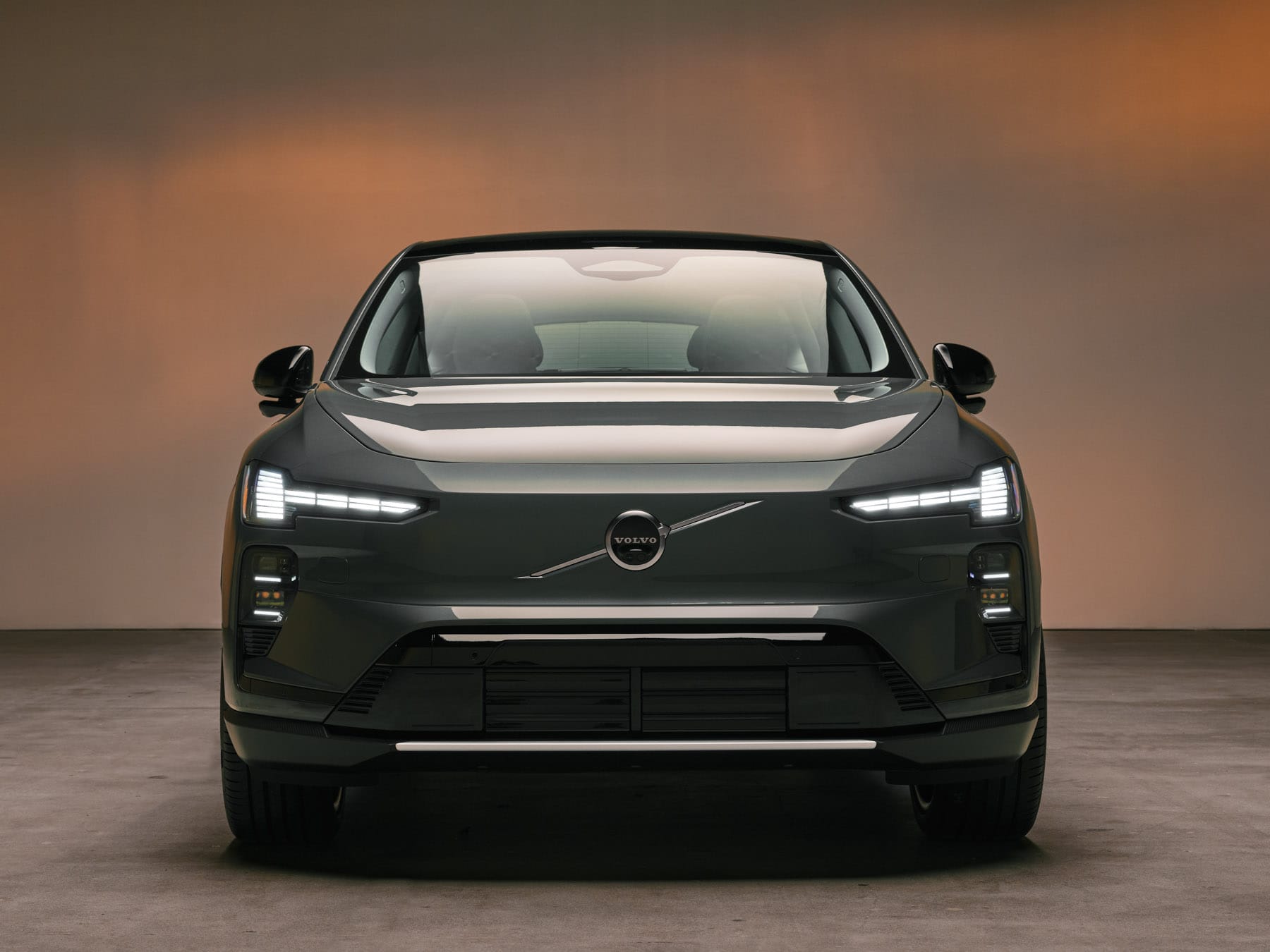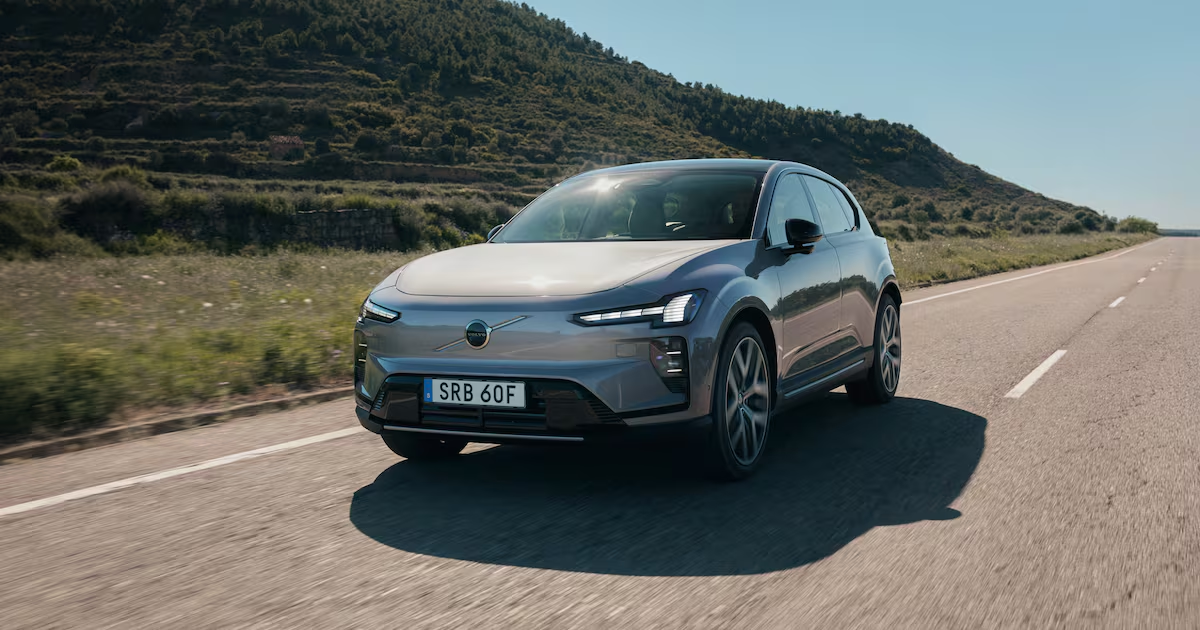
Volvo has spent years hovering on the edge of the premium fight. Now it’s stepping into the ring properly. The new EX60 is not just another electric crossover. It’s the Swedes’ response to two top-end rivals – the acclaimed BMW iX3 Neue Klasse and the upcoming Mercedes-Benz all-electric GLC. It’s arguably the most important Volvo in a decade. Like them or loathe them, crossovers are the hottest ticket across Europe right now, and it’s appropriate that this is where the car firms have chosen as the frontier for new innovation. BMW set out its stall at the end of last year, swiftly followed by Mercedes-Benz. Then up popped Volvo with the EX60, promising to join the Germans in claiming an upper limit of 810km for a midsized crossover. What we now have is an innovation battleground in the premium mid-sized family crossover market, one of the strongest selling categories both here and across Europe. And we can expect that the new benchmarks and trends set here will trickle down to the mainstream market. So what should future car buyers expect, and what clues does this offer about the mainstream electric cars to come? First up is the big headline range figure of 810km. Admittedly, that’s the WLTP claim being made for the range-topping P12 version, which isn’t out yet, but even the entry-level rear-wheel drive P6 and all-wheel drive P10 are claiming up to 610km and 660km respectively. The three variants of EX60 have different usable battery outputs: 80kWh in the P6, 92kWh in the P10 and 112kWh in the P12.New Volvo EX60 New Volvo EX60 Volvo says the new EX60 can get 284km of charge while you finish a coffee this size During our time behind both the P6 and P10, we averaged between 17-18kWh/100km, so that would suggest a real-life range of 470km and 540km for these variants. Not quite the 800km headline figure, but certainly well beyond the point where range anxiety should trouble most owners. And courtesy of the 800-volt system in place, the EX60 can claw back up to 340km of extra range in just 10 minutes of charging, thanks to DC charging power of 320kW for the smaller battery and 370kW for the larger versions. Opting for an 800-volt system also reduces the need for heavier wiring looms and cooling systems for those wires, and that all helps keep the weight down. That matters because lower weight pays dividends in driving dynamics. And that’s where we go next, for the EX60’s greatest surprise is how it drives. Volvos have long defined themselves as safe and comfortable, up against rivals that tend towards more engaging driving – BMW and Audi – or more luxury appeal (Mercedes). That’s why the EX60 is so surprising. Here you have a car that fits the comfort billing, but delivers a sharper and nimbler handling profile than we expected. The steering isn’t quite as engaging as the new BMW iX3, but that’s a conscious choice by Volvo. Vehicle dynamics engineering manager Hans Backstrom says Volvo cars are designed to be comfortable, predictable and controllable to drive. Yet within that remit, the EX60 was tuned to offer more dynamism. New Volvo EX60 Volvo's new 'megacasting' replaces all the hanging parts that needed welding and gluing together, with the single cast structure below Whether it could be that bit more precise in steering is open to debate, but on the tight and twisting roads it delivers on dynamism, particularly with the all-wheel drive P10. Where the BMW feels more planted, the EX60 feels more agile through the bends, more than is warranted for a car of this size. Part of that is down to a chassis stiffness that’s greatly helped by what Volvo calls its “megacasting” approach. In layman’s terms, it has taken up to 100 previous parts that were welded and glued together and cast them into a single aluminium piece. That delivers far greater stiffness along with some weight savings. For now, it’s just the rear structure that’s cast this way, but we may yet see entire platforms built this way. The battery pack is also incorporated into the chassis, no longer sitting on top. That also helps with the rigidity and handling. Volvo offers a standard suspension set-up on the rear-wheel drive P6 and a three-mode adaptive suspension on the all-wheel drive P10. For once, Volvo has judged the adaptive settings well. The soft, normal and firm options deliver on their promises, but the soft is not squidgy, and the firm is not teeth-rattling. The sweet spot remains normal. And as luck would have it, that’s largely the same ride quality delivered by the standard suspension set-up on the P6. New Volvo EX60 Where you reap the rewards of spending a little bit more on the P10 is that it delivers all-wheel drive, and that’s not just helpful for muddy fields. On damp country roads, it helps balance power delivery and contributes to a sense of nimbleness that would otherwise be missing. The P6 delivers a smooth 275kW (374hp) while the P10’s 375kW (510hp) is delivered with greater ease and poise than such a figure might suggest. However, there is more to come. The flagship P12 – the car that’s actually billed to deliver 810km of range – will pack a whopping 680hp. That’s a supercar figure, not something that even a decade ago you would credibly consider for a mid-sized family SUV. While we’ve yet to drive the P12, both the others are pacey without delivering a knockout punch. There’s power aplenty but it’s not the vomit-inducing surges that so annoy a lot of EV passengers. With the proviso that we haven’t had the chance to drive the all-electric Mercedes GLC yet, time behind the wheel of the Volvo suggests the Germans should be worried about this Swede.Part of that concern would arise over the styling. Where BMW’s design has always been busy, and its cabins futuristic, Mercedes has embraced bling and an interior that mixes Moscow nightclub lounge with Harvey Norman’s TV department. Compared with those two, the EX60 seems remarkably subtle, elegant and refined. There’s a real sense of northern European temperament on display. Where luxury for those is defined by excess, here it’s defined by restraint. New Volvo EX60 Externally, the car is clean and elegant. Inside, it’s more livingroom than nightclub. Yet it has no shortage of tech. In many ways, this is yet another mobile data centre. It’s all powered by a single Nvidia-powered core computing architecture. Unlike the usual car set-up using multiple separate ECUs for different functions, this single “digital brain” underpins everything from the driving systems to the entertainment stack and the Google Gemini AI assistant that will chat away with you about everything from football to philosophy. Google’s Gemini AI voice assistant, which we tested in beta on the car but is promised to be standard on all versions in Ireland, can hold a natural conversation with you. It’s pretty standard fare in the AI world these days, but in the disappointing world of voice control on cars, it’s a revolution. It can even decipher Irish accents, which is a miracle in the automotive world.But that’s the gimmick to engage the driver. The power of this chip and the software stack running on it – dubbed HuginCore computing – will show when more automated driving features are rolled out. There is an inherent risk in Volvo putting all the car’s systems through one chip – and in the firm putting so much faith in one chip supplier, given shortages a few years back – but Volvo assures us that the necessary firewalls, back-ups and supply chain plans are in place to negate any problems that may arise. Yet they’ve had issues with software during launches of other models of late, so they know that the brand’s reputation is riding on this, not least because the firm plays the safety card so strongly.So the Volvo scores on styling and range, is surprisingly engaging to drive, and if the software lives up to the promise, then it will deliver on tech as well. That means it’s time to talk euro. New Volvo EX60 Starting at €66,695 for the rear-wheel-drive P6 version, another €3,300 will get you the P10 all-wheel drive. The range-topping P12 will set you back €76,595. Two grades are on offer for each – Plus and Ultra – and the price walk is €7,300.For that, you get high-definition pixel headlights, akin to having a pair of 4K digital projectors strapped to the bumper, a panoramic roof, laminated side windows that are dark-tinted on the rear, and an impressive Gowers & Wilkins audio system. For the money, it’s probably better to spend upgrading from P6 to P10 and staying with the already well-equipped Plus version. The EX60’s got the looks, the range, the tech and the price to go tyre-to-tyre with its German rivals. And out on the road, it’s surprisingly adept – far more so than we might normally expect from Volvo. The EX90 was meant to be the software flagship, but delays and feature issues complicated that narrative.So this is the true starting point for Volvo’s software-defined electric era. If this goes awry, the consequences for the Swedish brand will be serious. But first impressions of this car suggest Volvo has a big hit on its hands.
Volvo EX60 first drive: The Swedes take the fight to the Germans
With long range, impressive tech and a sharp chassis, Volvo’s latest electric SUV is no polite Nordic observer
1,559 words~7 min read