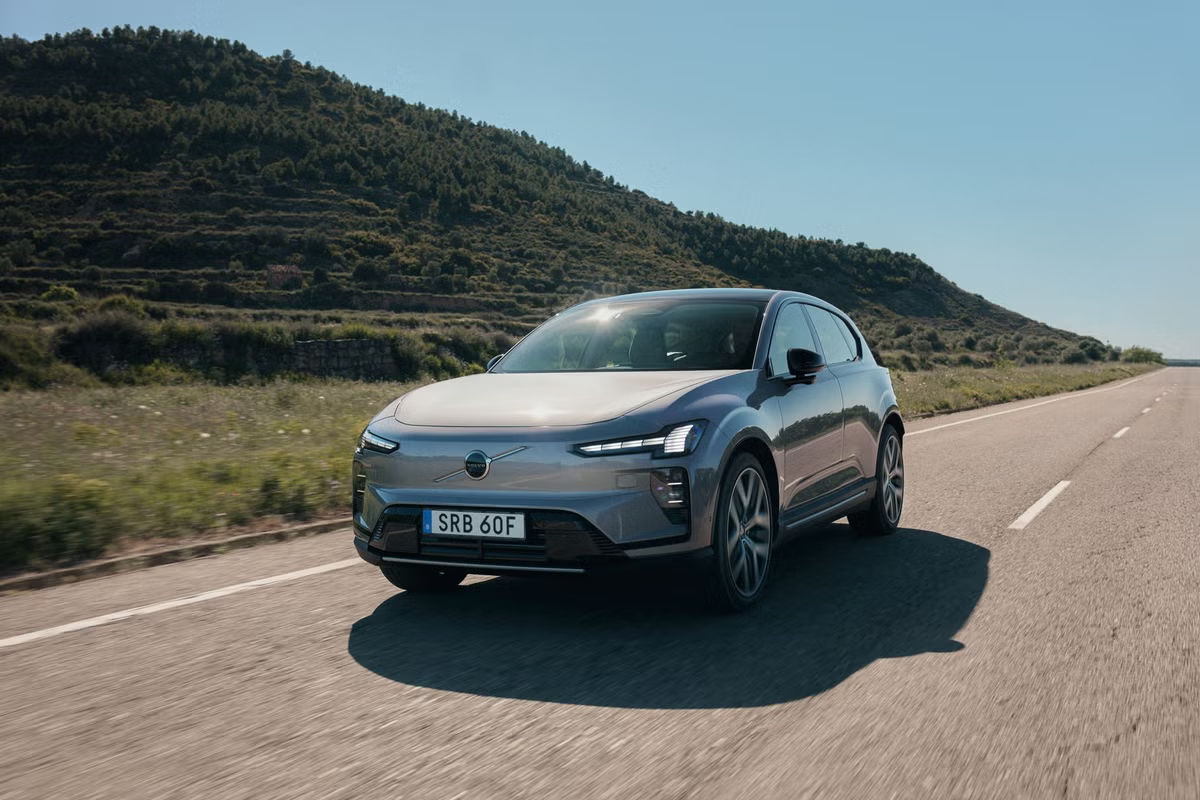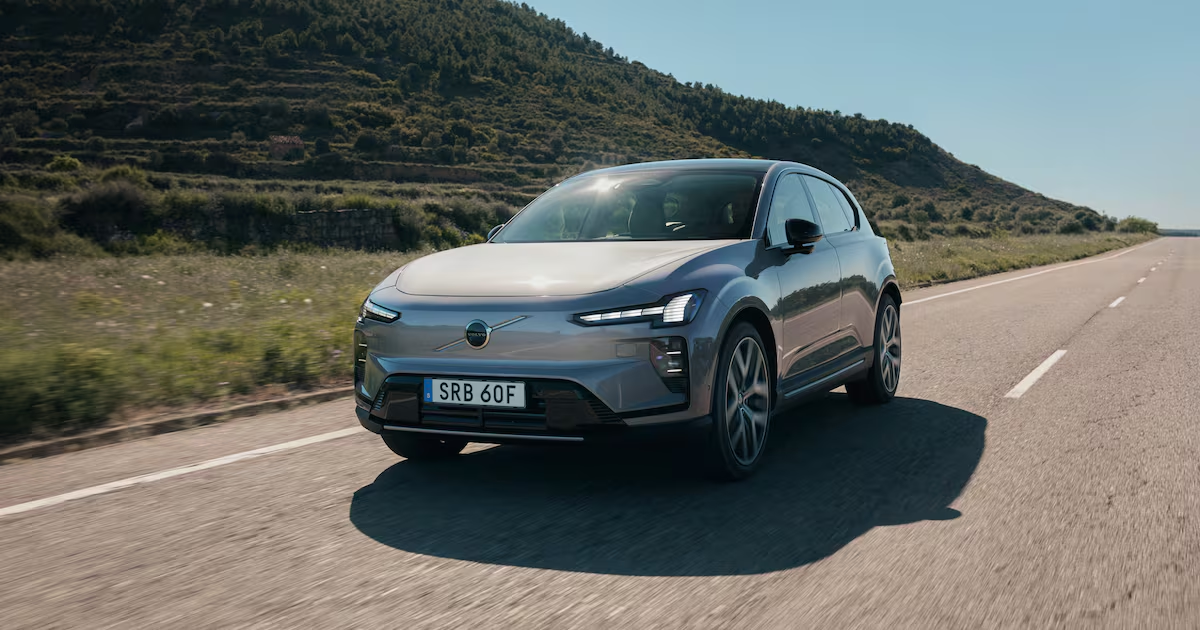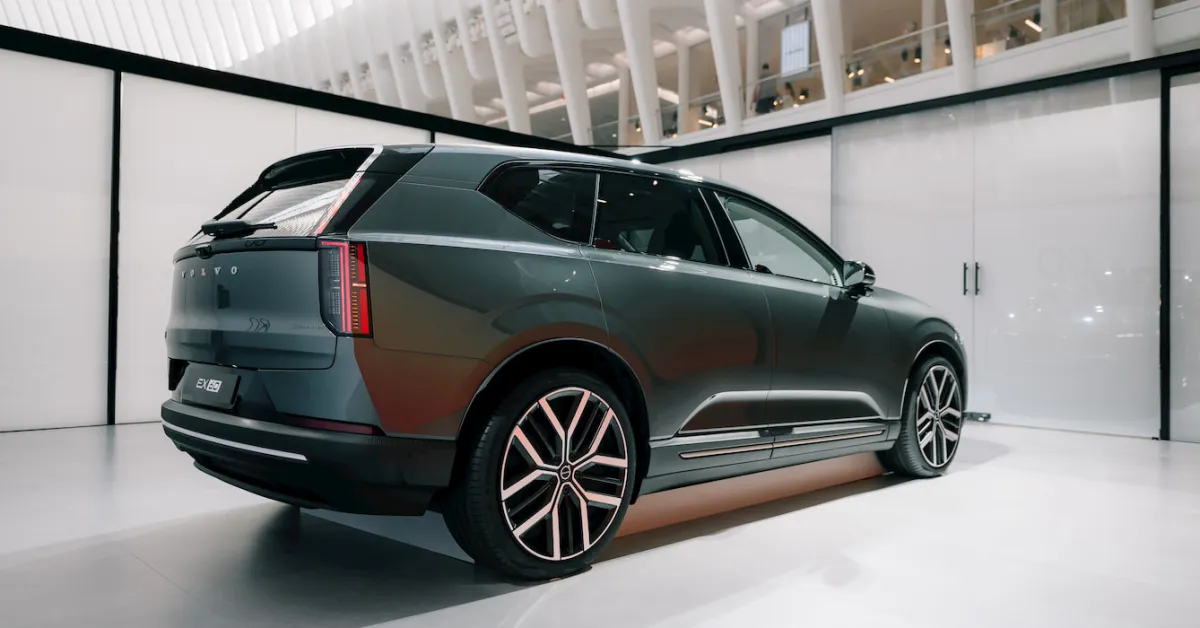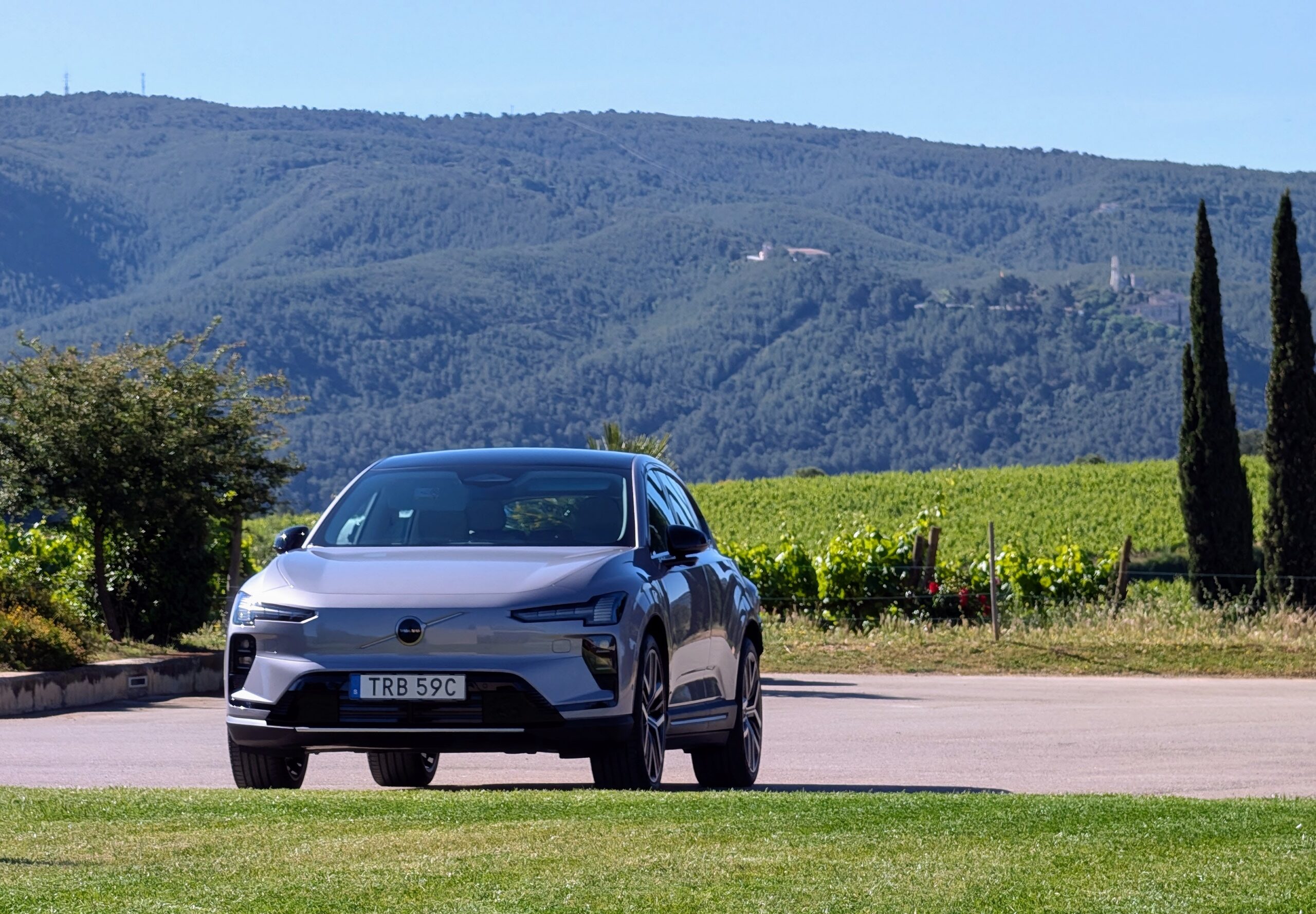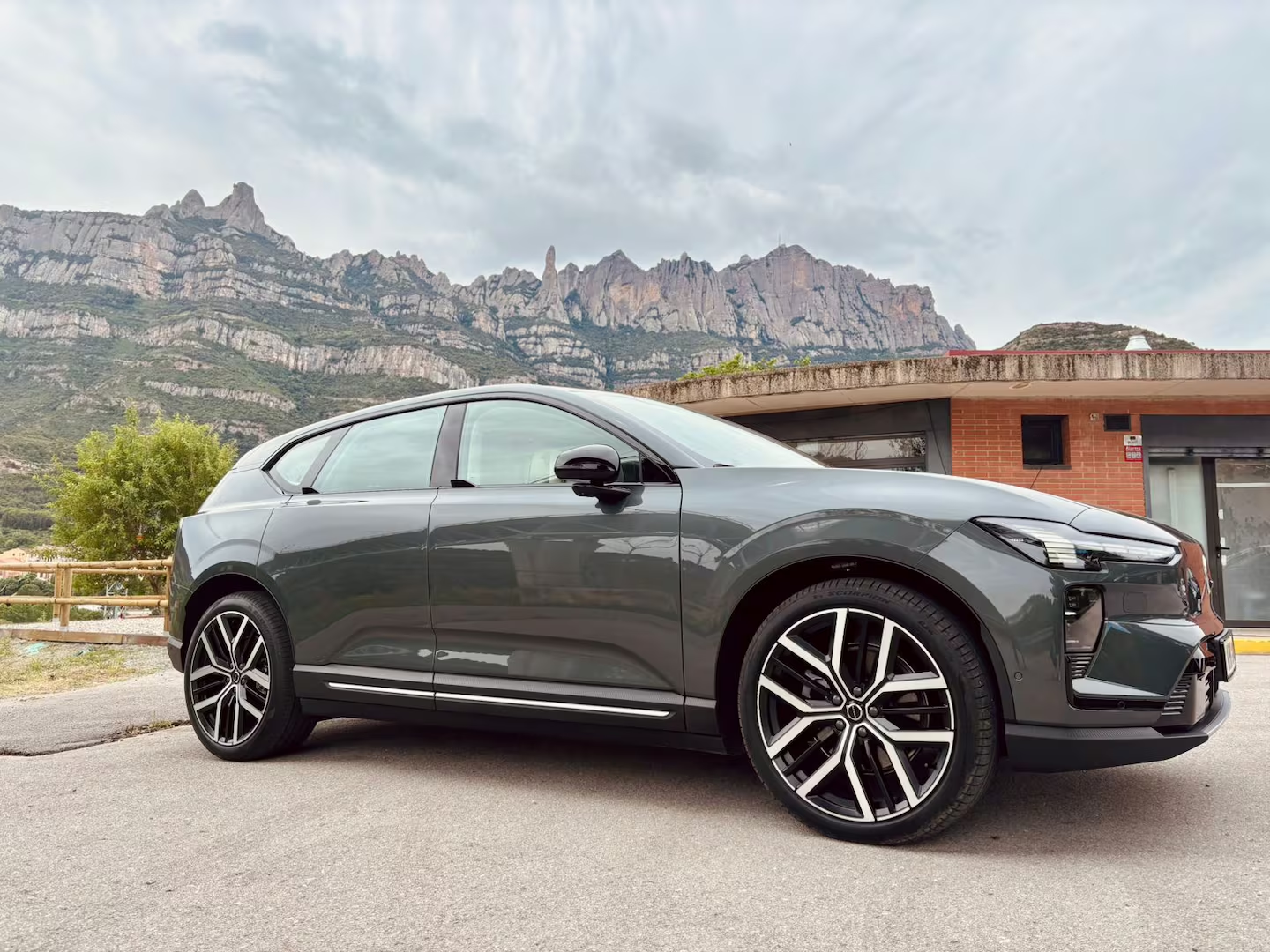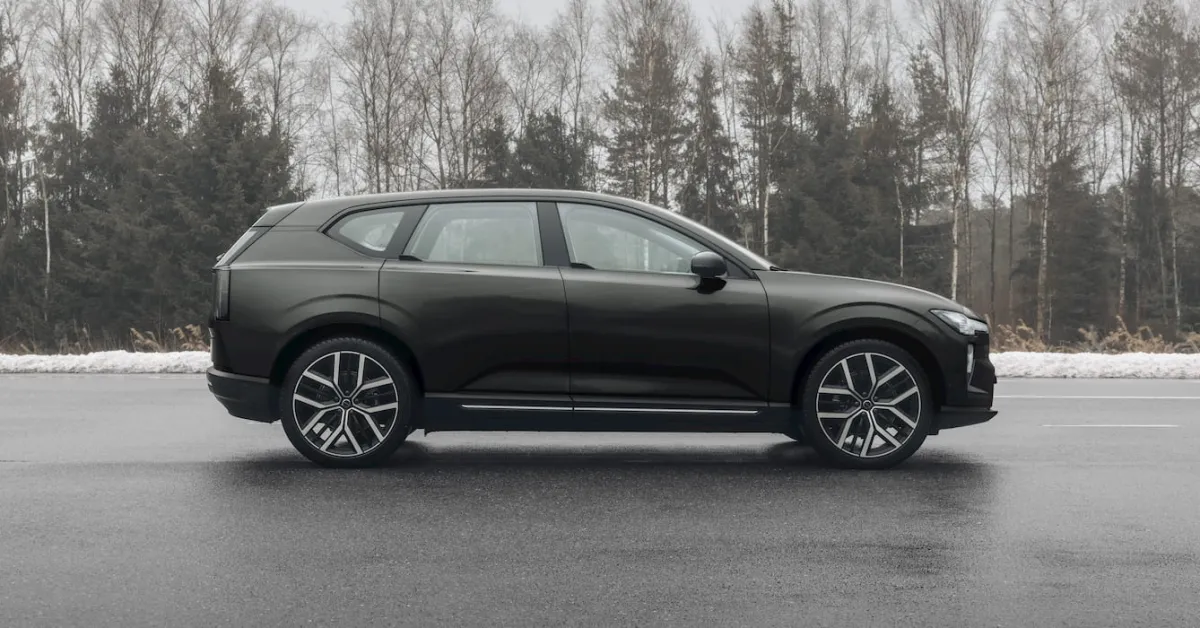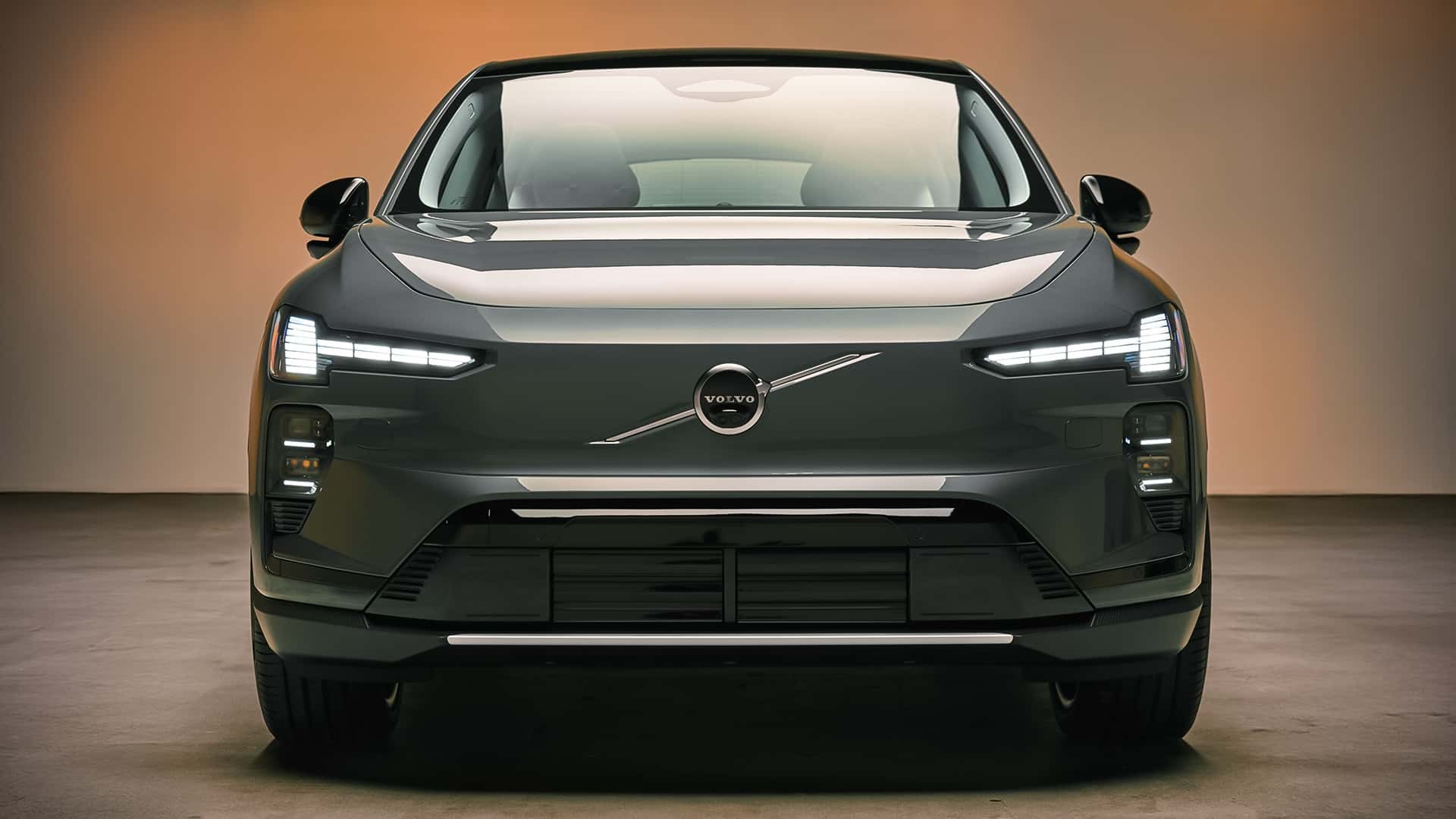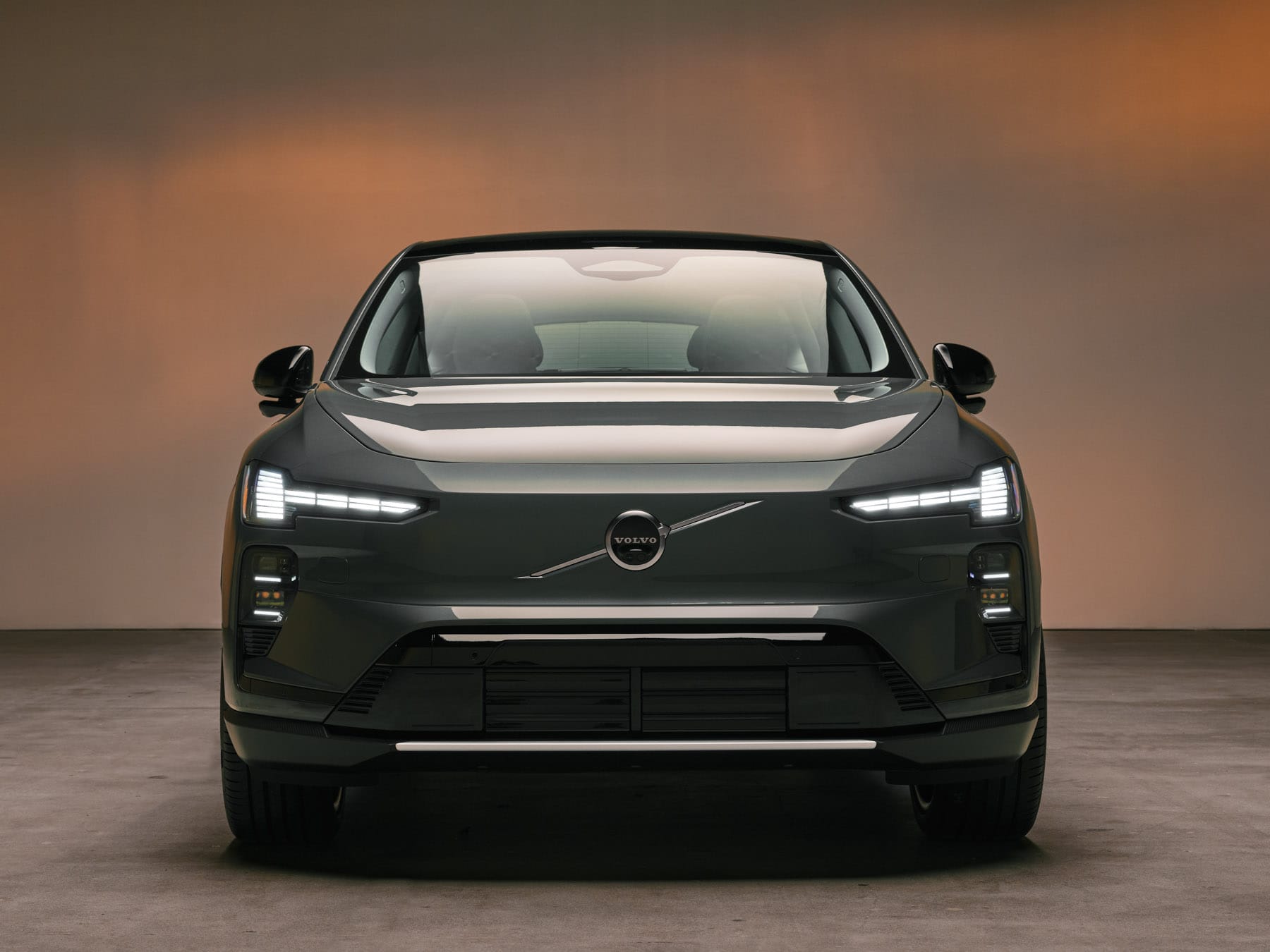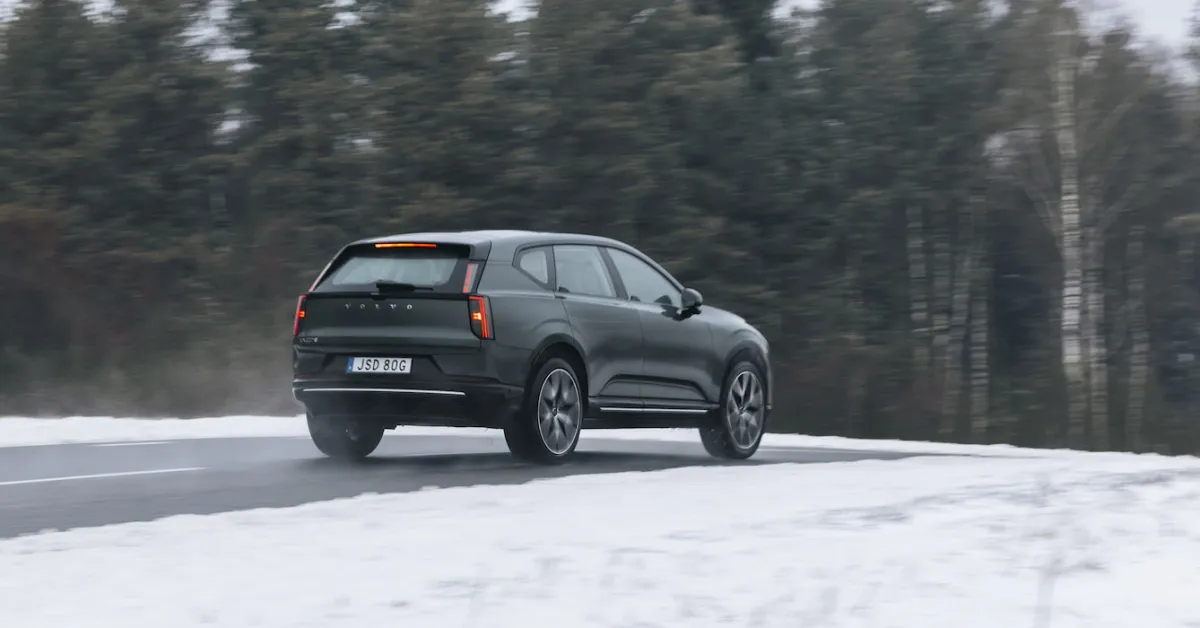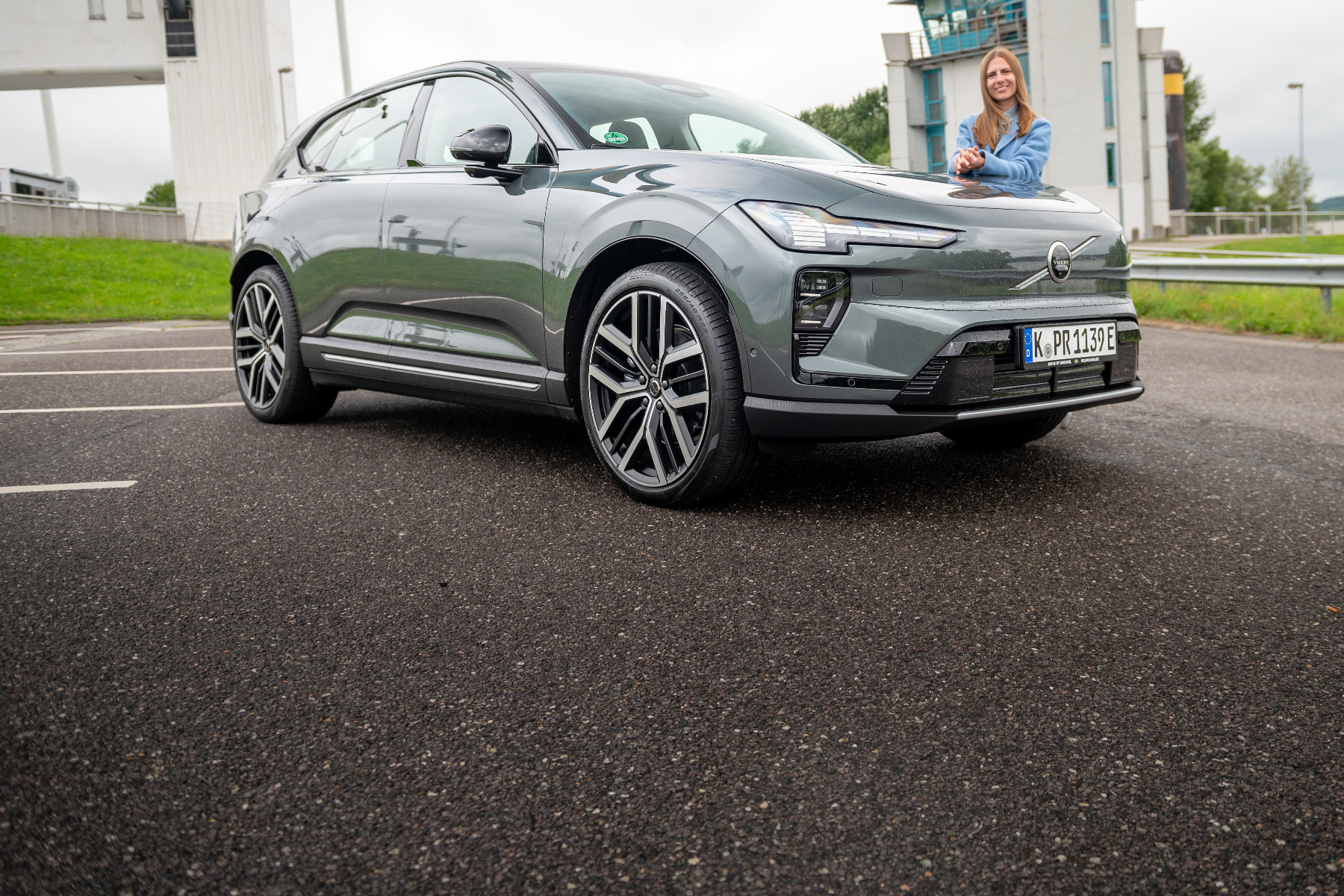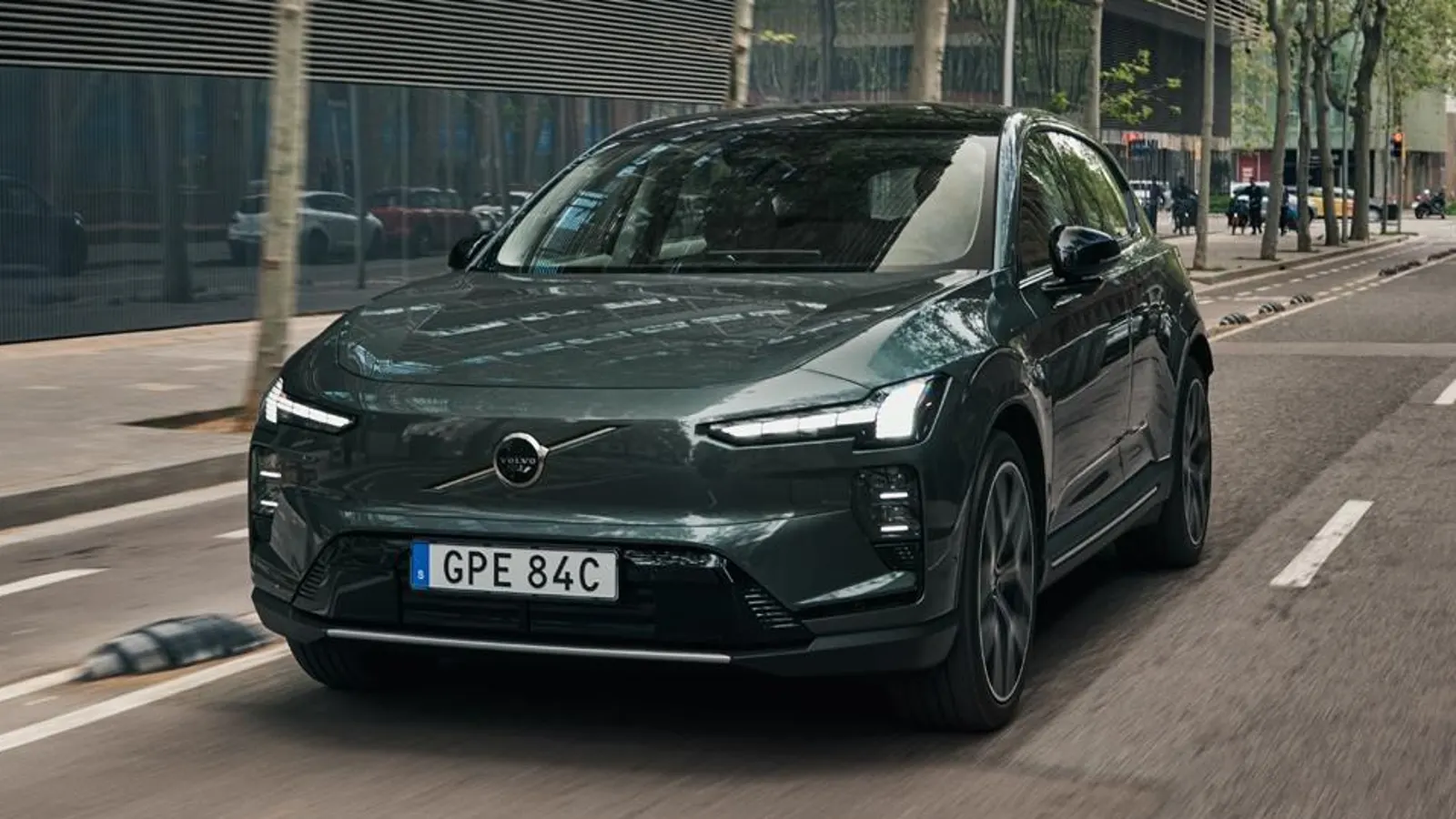
Volvo's EX60 is the second car to arrive in 2026 promising a 500-mile WLTP range.VolvoThis is shaping up to be a big year for EVs. Range anxiety has long been considered one of the major disincentives for going electric, but in 2026 we’re starting to see mainstream cars that finally put that fear into the past. First, there was BMW’s iX3. Now there’s another range champion, the Volvo EX60. I put the new car through its paces to find out if it can change the game even more than BMW’s Neue Klasse.Volvo EX60: That Groundbreaking RangeThe headline feature of the EX60 is its 503 miles of WLTP range (400 miles in the EPA test). But that is the flagship P12 version, which isn’t available yet. You can order it in the UK, but delivery estimates are currently at least a year away. This car will combine a 680hp all-wheel drive system with a huge 117kWh (gross) / 112kWh (net) battery. Instead, my test drive experience was based on the lesser P6 and P10 versions, although calling either of these “lesser” is an injustice. All versions of the Volvo EX60 are well specified. There is no “poverty spec” version. Even the entry-level P6 boasts a 374hp motor driving the rear wheels and an 83kWh (gross) / 80kWh (net) battery. The dual-motor P10 offers 510hp and 95kWh (gross) / 91kWh (net) battery.The P6 and P10 don’t have the outstanding range of the P12, but they’re still great in this class. The P6 boasts a 373-mile WLTP range (307 miles in EPA test) while the P10 hits 410 WLTP miles (320 miles in EPA test). These figures are all competitive with similar premium midsize electric SUVs. I drove the P10 more than the P6, across a variety of highway, urban, village, A-road and steep hill roads. It managed 3.2 miles per kWh on average, which would imply 291 miles of range. That’s pretty good for an SUV this size.The Volvo EX60 is more like a high-riding station wagon than a chunky SUV.VolvoMORE FOR YOUThe Volvo EX60 is the electric replacement for the XC60, which is the company’s best-selling car of all time, surpassing the legendary 240 in volume in 2025. So this is almost a make-or-break car for Volvo’s electrification plans. It’s also the first vehicle on Volvo’s SPA3 platform, which brings with it innovations like megacasting (where large sections of the chassis are cast from one single piece of metal), cell-to-body structural batteries and the company’s Superset single software stack (although this will be rolled out across previous cars too).The Volvo EX60’s excellent range is matched by potent charging, too. The car’s SPA3 platform is 800V, so supports DC charging up to 374kW. Chargers capable of this power are rather rare so far, but Volvo has also integrated technology from the UK’s Breathe, which optimizes the charging curve and potentially improves speed by up to 30%. Volvo claims the EX60 P6 and P10 will take just 16 minutes to charge from 10 to 80%, while the P12 will take 19 minutes. A stop this long every three hours of highway driving is just about spot on for easy long-distance driving, which is what the P6 and P10 can deliver. The P12 might be able to go four hours between stops.Only two trims are available with the EX60 – Plus and Ultra. Like the drivetrain options, neither are exactly underspecified. The Plus trim still has a huge panoramic sunroof, Bose sound system, 360-degree parking camera and LED matrix headlights. The Ultra trim upgrades the sunroof to Electrochromatic (so it can change tint at the touch of a button), the sound system to a 1,820W Bower & Wilkins setup with 28 speakers, and the headlights to HD pixel versions. Volvo EX60: Swedish Practicality, Inside And OutAlthough the Volvo EX60 is the first car on the automaker’s new all-electric SPA3 platform, it still looks very much like a Volvo. The “Thor’s Hammer” lighting shapes remain at the front, along with the Volvo logo bifurcated by a diagonal line, although this spans a blank panel rather than a radiator grille, because EVs don’t need these.The edges are more curved and less angular than some recent Volvos, and while this is clearly an SUV, the proportions aren’t especially tall and large for this genre. The EX60 almost has the stance of a high-riding station wagon. It’s not a hugely eye-catching look but has a strong sense of unpretentious quality. All very Swedish.Volvo has taken a novel approach to door handles. At first, you might think that there aren’t any, but in fact some angled tabs protrude at the top of the door panel beneath the window, toward the back. This has a button and then acts as a handle. The handles are both aerodynamic and easy to use once you realize how they work.The Volvo EX60's interior is minimalist but high in quality, with plenty of space.VolvoPassenger space is generous inside the EX60, albeit minimalist in design. The front seats are heated and ventilated, but with no massage function. They are, of course, fully electrically adjustable on both sides. There is a neat section with cupholders that slide in and out of the central console. When it’s pushed in, there’s a large space in front where you could put a bag. Wireless phone chargers sit below the 15.4in infotainment screen.The front seats have a new belt safety innovation, too. They adjust themselves automatically to the seat occupant as the car starts off. Called “multi-adaptive”, this has never been seen on a car before. The adjustments are performed according to the occupant’s height, weight, body shape and posture. They adjust optimally during a crash to protect the occupant as much as possible.There’s plenty of space in the rear too, with loads of head and legroom for adult passengers. The air conditioning is tri-zone, so rear occupants have separate control over fan speed and temperature.Cargo space is good but not class-leading.VolvoYou get a decent if not class-leading amount of space for cargo in the back. With the rear seats up, the capacity is 523 liters. The seats can be dropped forward with buttons at the rear, which is very convenient. There is a 40/20/40 seat split, but you can only drop 40/60 this way. If you want just to pull the middle section down, this must be performed manually. The total capacity is 1,647 liters, which again is good but the Tesla Model Y and Skoda Enyaq iV offer more.HGowever, there’s a 58-liter frunk as well, and an optional towbar is also available. This is motorized like the rear seats, and supports pulling 750kg unbraked or a generous 2,400kg braked. That will be enough for a decently sized caravan, and with the EX60’s range, this car is a viable option for towing.It’s worth noting that the aperture for the EX60’s rear cargo area is a little narrow at the top – 81.2cm – where it is 105.4cm at the bottom. It’s also only 70.4cm high, so while the capacity is generous, some items might not fit through the hole. Technology Leadership From The Volvo EX60The drivetrain isn’t the only innovation the Volvo EX60 has on offer. The company is now one of the leading brands for software defined vehicles, according to S&P Global Mobility. This means that the car’s systems are fully integrated with the central computer. Aside from making everything controllable from the infotainment screen, which you may or may not appreciate, this enables some of the EX60’s emerging capabilities.Chief among these is the new Google Gemini functionality, which had just been added at the time of my test drives. This goes well beyond typical voice operation in a car. You can of course search for satnav destinations, but also get advice about, for example, the best rated restaurants providing a certain cuisine in your current area. You can also get information about your current journey or ask for a personalized report of the day’s top news or the stock market. You can even have a conversation to increase your knowledge of an area as you drive, such as quantum physics or the meaning of life.The EX60 is heavily reliant on its infotainment screen, which is empowered by Google Gemini.VolvoDue to the full integration with the car’s hardware systems, in the future it may be possible to ask about things that are visible to the vehicle’s cameras, such as translations of road signs in a foreign language. You can already change climate control settings, but this will become smarter, and Volvo told me that an update will soon make it possible to switch the Electrochromatic sunroof between transparent and opaque verbally, which will be welcome as otherwise this setting is a bit buried in the menus.This is just the beginning, and further updates will add capabilities such as working on documents through a linked Google account. You could, for example, draft a presentation or report while driving to work. The result would be stored in your Google Drive, accessible from your work computer. The potential is only starting to be realized.The only downside here is that the focus on integrated technology has led Volvo to avoid discrete buttons. In fact, you only get a roller for volume, plus a couple of other buttons to switch music tracks or radio stations. The infotainment screen does have permanent quick icons on the edge and bottom, but if you prefer physical buttons, you will be disappointed.Driving The Volvo EX60I drove both the P6 and P10 versions of the Volvo EX60 across a wide variety of roads. The P12 is the super-quick version of the EX60, but all drivetrains are fast. Even the P6 can hit 62mph in 5.9 seconds. The P10’s dual-motor setup drops this to 4.4 seconds, while the P12 takes 3.9 seconds.The obvious comparison for the Volvo EX60 is the BMW iX3, and when it comes to driving, the German option edges it. The Volvo EX60 is still comfortable and rapid, however. All versions have enough performance for A-road overtaking, and they sit very confidently at highway speeds. The EX60 is quite big, but it’s not so large that you are worried about oncoming vehicles on narrow country roads or when navigating tightly packed city traffic.The EX60 is fast, but more about safety, comfort and practicality than pure driving experience.VolvoOverall, though, the BMW iX3 is the driver’s car while the EX60 is fast but more focused on safety. It’s hard to separate the two cars for value, however. In the UK, the Volvo EX60 starts at £56,860 ($59,795 in the US) for the P6, with the P10 £59,860 ($62,145 in the US). The P12 starts at £64,860 (not yet available in the US). Going for the Ultra trim over the Plus adds £5,500 to the price ($6,600 in the US). The BMW iX3 has the range of the Volvo EX60 P12 but with slower straight line performance than the P10, so the two cars aren’t directly comparable, although the prices are around the same.The Tesla Model Y is always going to be a comparison in this class as well. This comes in a lot cheaper than the Volvo EX60, but the latter is faster than its Tesla equivalents, with more range and faster charging. The range of the P12, when it arrives, will put it in a different class to the Model Y. Overall, Volvo has launched one of the most important vehicles of 2026, and one of the best electric cars yet. It’s a premium buy, but a fantastic EV that will do everything a family needs.
Volvo EX60 Road Tested: Is This The Best Electric SUV Yet?
The Volvo EX60 could be the electric SUV of the year. With massive range, ultra-fast charging and technology empowered by Google Gemini, it has everything a family needs.
1,929 words~9 min read