Dense tropical rainforests were long considered some of the last places early humans could survive. For decades, researchers believed our ancestors mainly stuck to open grasslands and coastal regions, avoiding the thick forests of Africa until much later in history. Evidence from West Africa is now forcing scientists to rethink that assumption in a dramatic way.
Researchers investigating an archaeological site in present-day Côte d'Ivoire found evidence that humans were living in wet tropical forests roughly 150,000 years ago. The discovery pushes back the oldest known evidence of rainforest habitation by more than double previous estimates and suggests early Homo sapiens were far more adaptable than once believed.
The findings, published in Nature, support a growing view that human evolution did not happen in one single environment. Instead, ancient populations appear to have thrived across a surprising range of ecosystems, from deserts and coastlines to dense forests.
Ancient Stone Tools Hidden Beneath the Forest
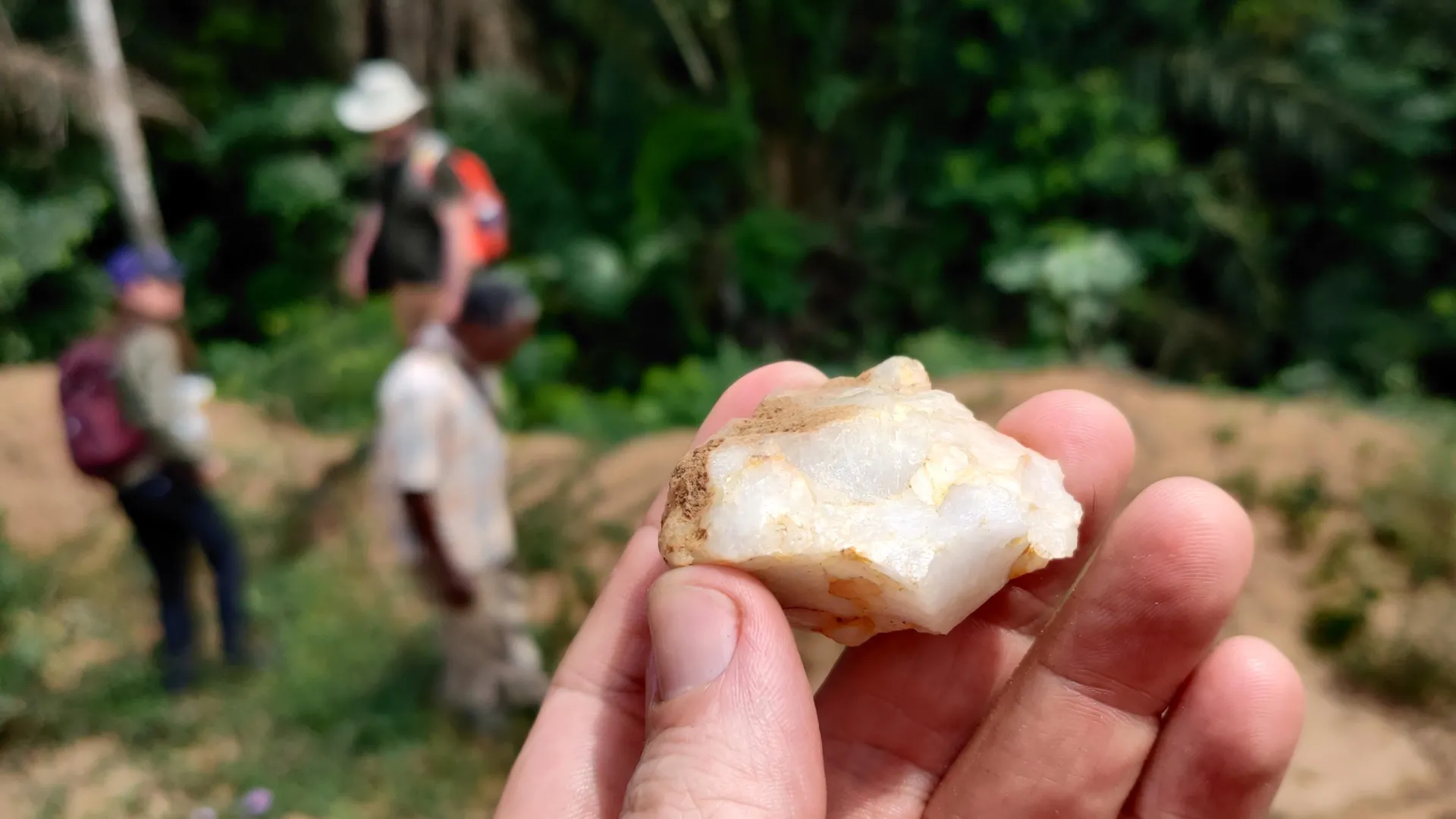
The story began decades ago. In the 1980s, Professor Yodé Guédé of l'Université Félix Houphouët-Boigny helped investigate a site known as Bété I during a joint Ivorian-Soviet research mission. Excavations uncovered layers of stone tools buried deep underground in what is now rainforest territory.