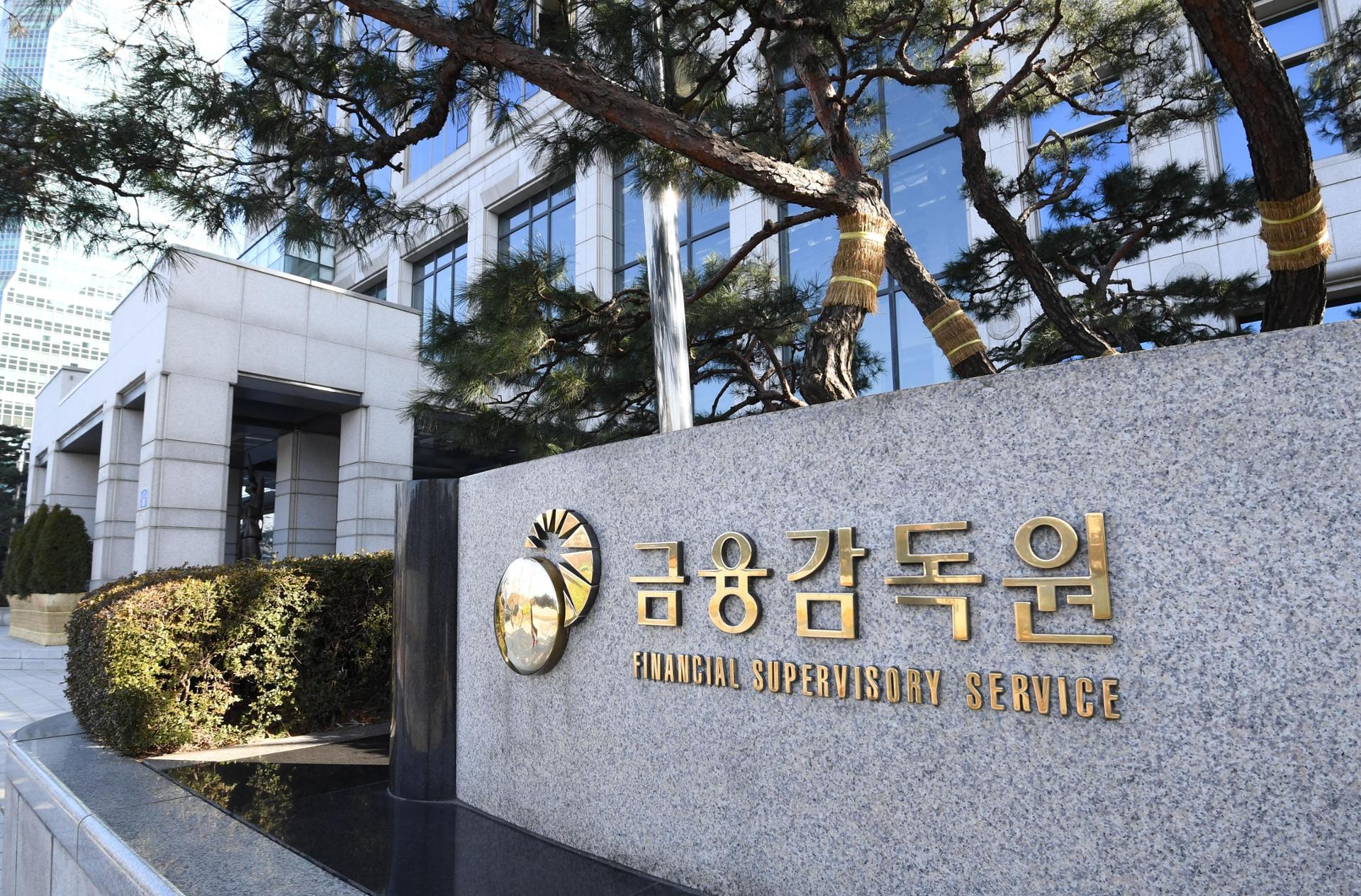
The Financial Supervisory Service headquarters in Seoul / Korea Times fileFinancial authorities are stepping up efforts to strengthen consumer protection by urging financial firms to take a more proactive approach to managing customer complaints before disputes escalate, industry officials said Wednesday.As part of the broader regulatory push, the Financial Supervisory Service (FSS) has requested major banks, brokerages, insurers and card issuers to submit detailed reports by this week on the status of their complaint and dispute cases, along with plans to reduce them.It marks the first time the financial watchdog has systematically gathered both complaint data and company-led response strategies across the industry.Under the new guidelines, firms are being asked to assess their complaint-handling workloads across departments and call centers, including the number of cases processed per employee, while also drawing up semiannual plans to reduce consumer grievances.Additionally, companies are expected to analyze whether increases in complaints are structural or temporary in nature and establish quarterly and annual reduction targets accordingly.“The goal is to encourage financial companies to identify the underlying causes of complaints on their own and develop ways to reduce them proactively,” an FSS official said. “Best practices will be shared across the industry, while areas requiring improvement could be addressed through further institutional changes.”The move comes as financial grievances continue to rise.According to the FSS, the number of complaints increased from 93,842 cases in 2023 to 128,419 in 2025 — a 36.9 percent jump — with particularly sharp growth in the securities and insurance sectors last year.“Whereas oversight previously focused largely on the sheer volume of complaints, firms are now also being asked to examine the root causes and establish measures to prevent repeat cases, suggesting a much tougher level of scrutiny over internal management systems,” an official at a local insurer said.The insurance sector, for instance, has been strengthening consumer protection efforts through initiatives like setting up dedicated internal committees, the official added.“The fact that complaint management is no longer being treated solely as an internal matter, but is increasingly becoming a direct focus of regulatory oversight, suggests its importance has been elevated significantly,” a banking industry official said.He said with firms now being asked to set complaint-reduction targets and separately analyze structural, seasonal and temporary causes behind increases, complaint management is evolving beyond a routine operational task into a broader management and business strategy priority.
Financial firms face oversight pressure over rising consumer complaints - The Korea Times
Financial authorities are stepping up efforts to strengthen consumer protection by urging financial firms to take a more proactive approach to mana...
390 words~2 min read