“But there is a risk with that, and that is that we miss some benefits of diversification.”
Lovegrove, whose consultancy specialises in thermal systems and has extensive experience in concentrating solar thermal technology, notes a fundamental distinction between storage technologies optimised for power delivery and those suited to extended-duration applications.
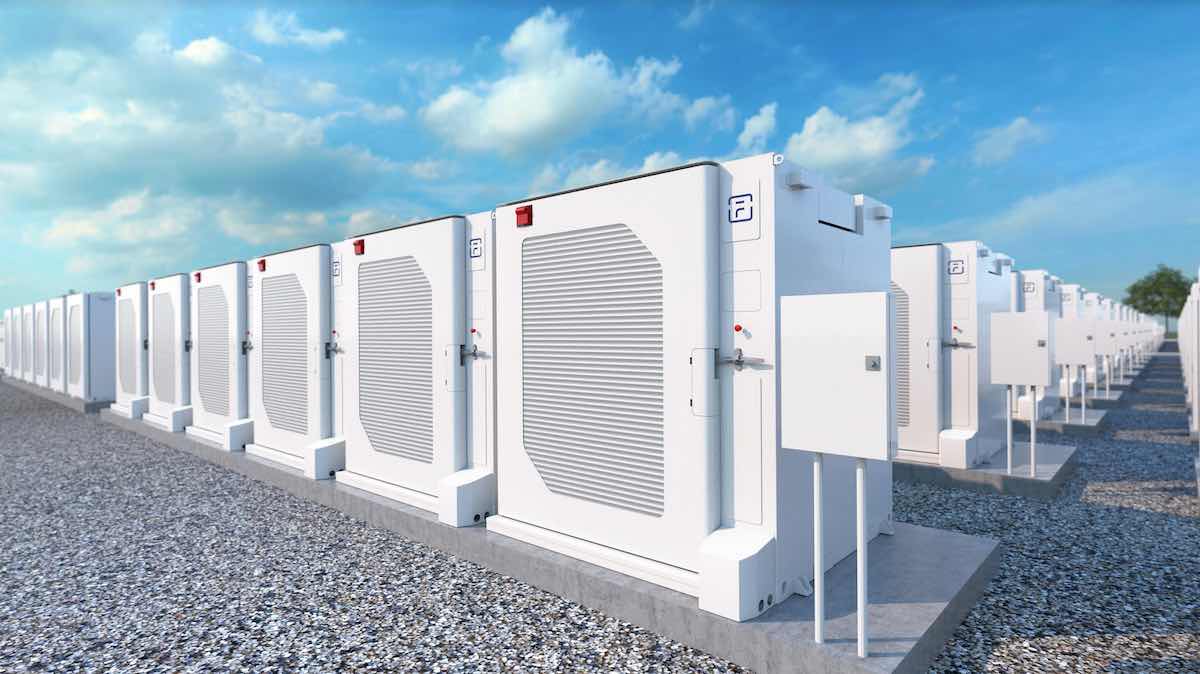
“The lithium-ion battery storage has quite a low cost per kilowatt, so they kind of win there,” he explains. “But other things like solar thermal, like pumped hydro, like some of the long-duration energy storage (LDES) things, they have a really low cost of adding duration to the storage, and that’s what we’re going to need when all the coal plants retire.”
When asked which technologies might emerge as alternatives to lithium-ion over the next 10 to 15 years, Lovegrove acknowledges uncertainty driven by industry momentum and visibility rather than purely technical merit.
“It’s so much about the positive feedback of an industry getting big, and then there are people who work in it, people who promote the projects. It’s the most visible thing, so it becomes the thing that dominates,” he says.