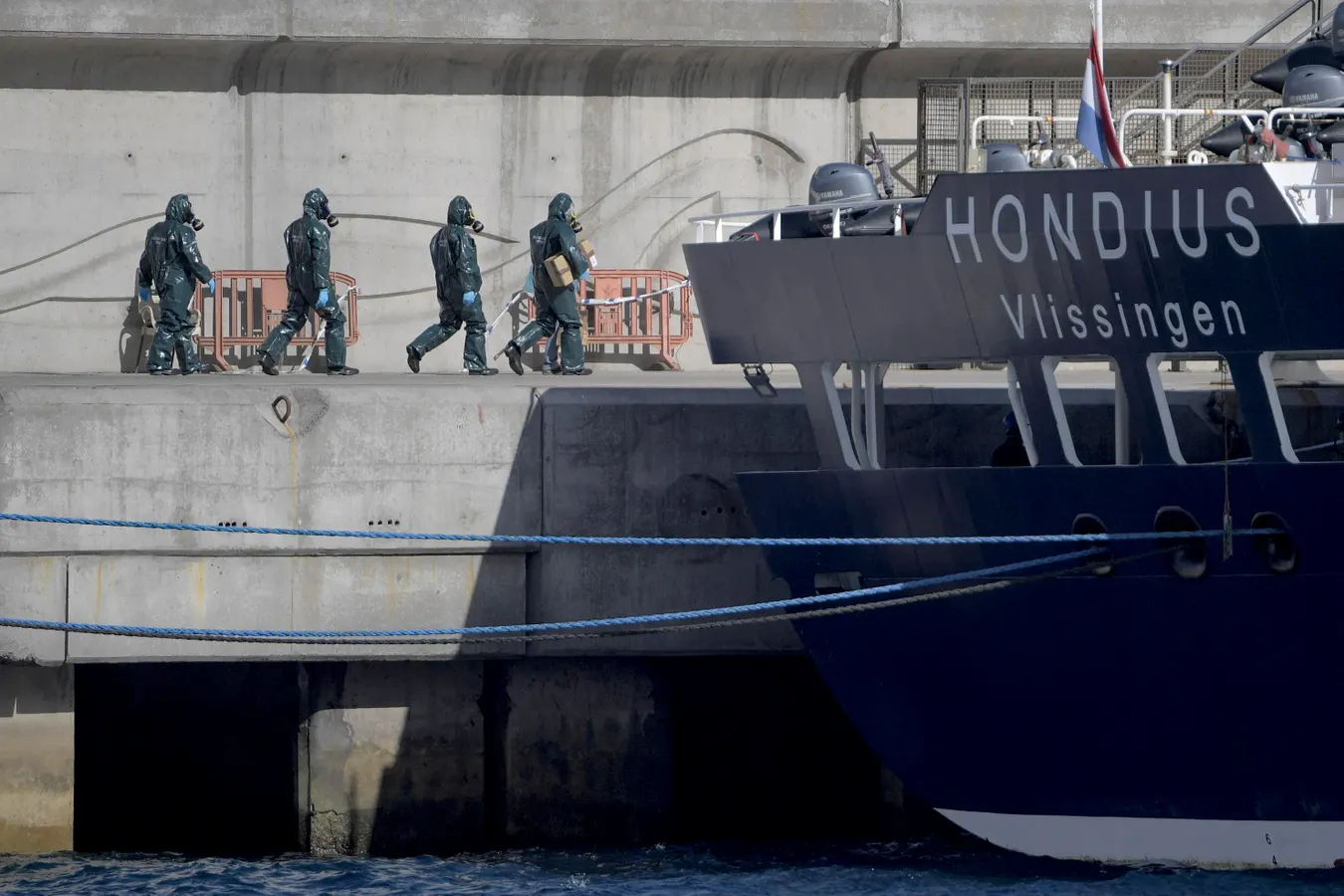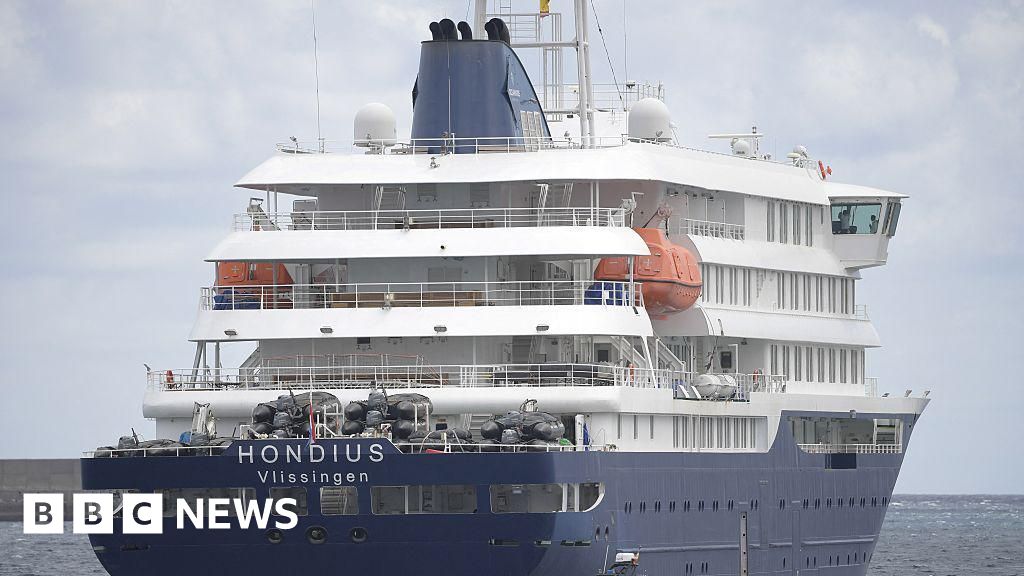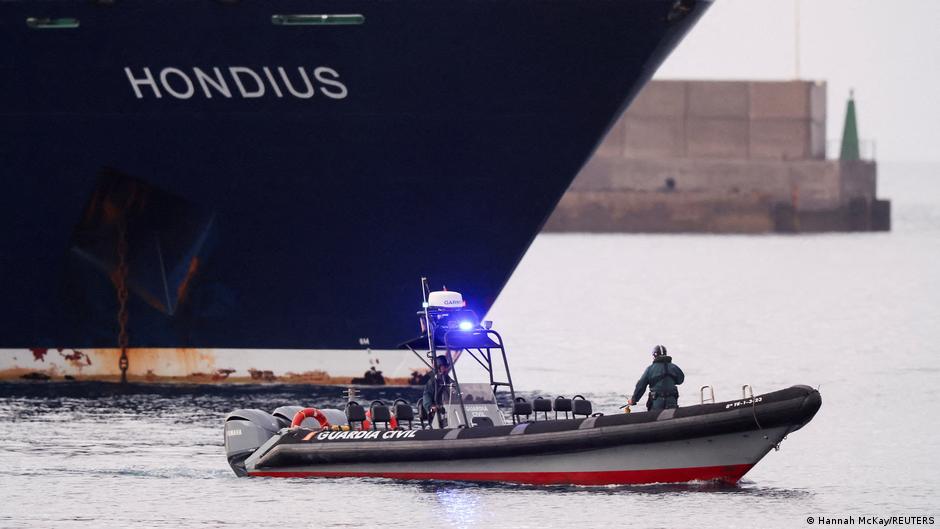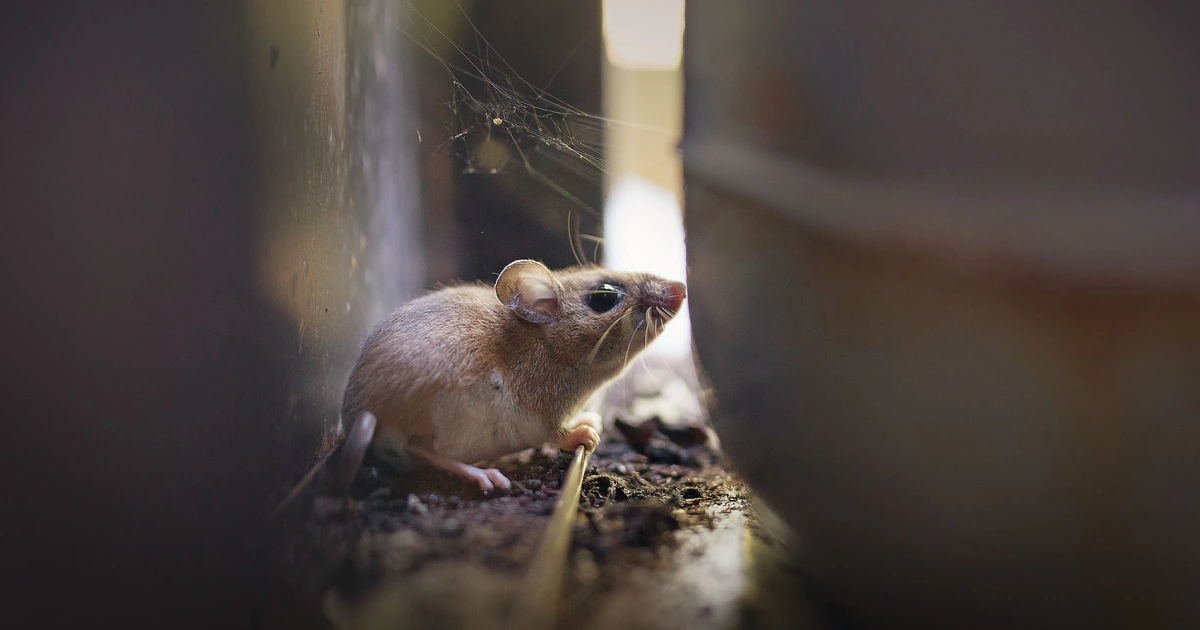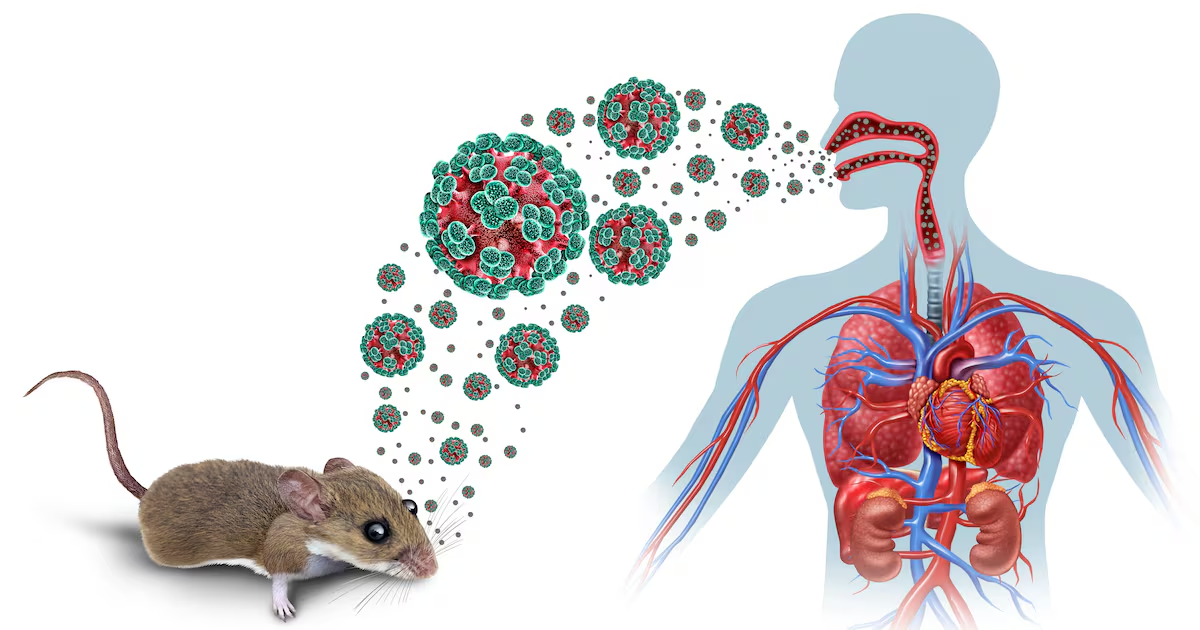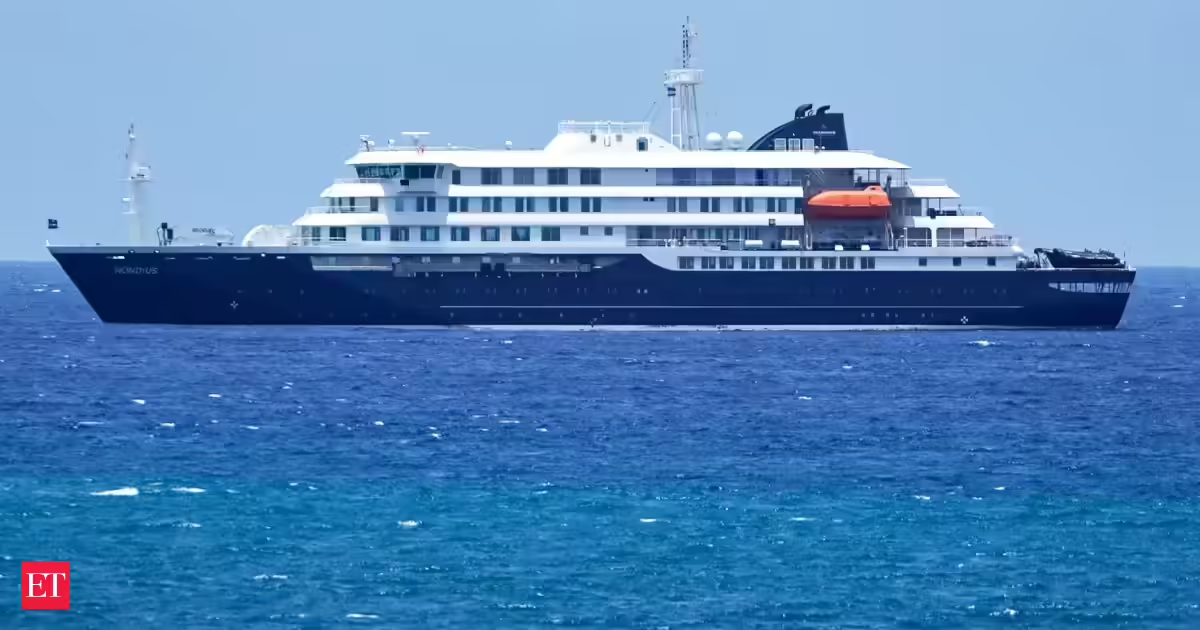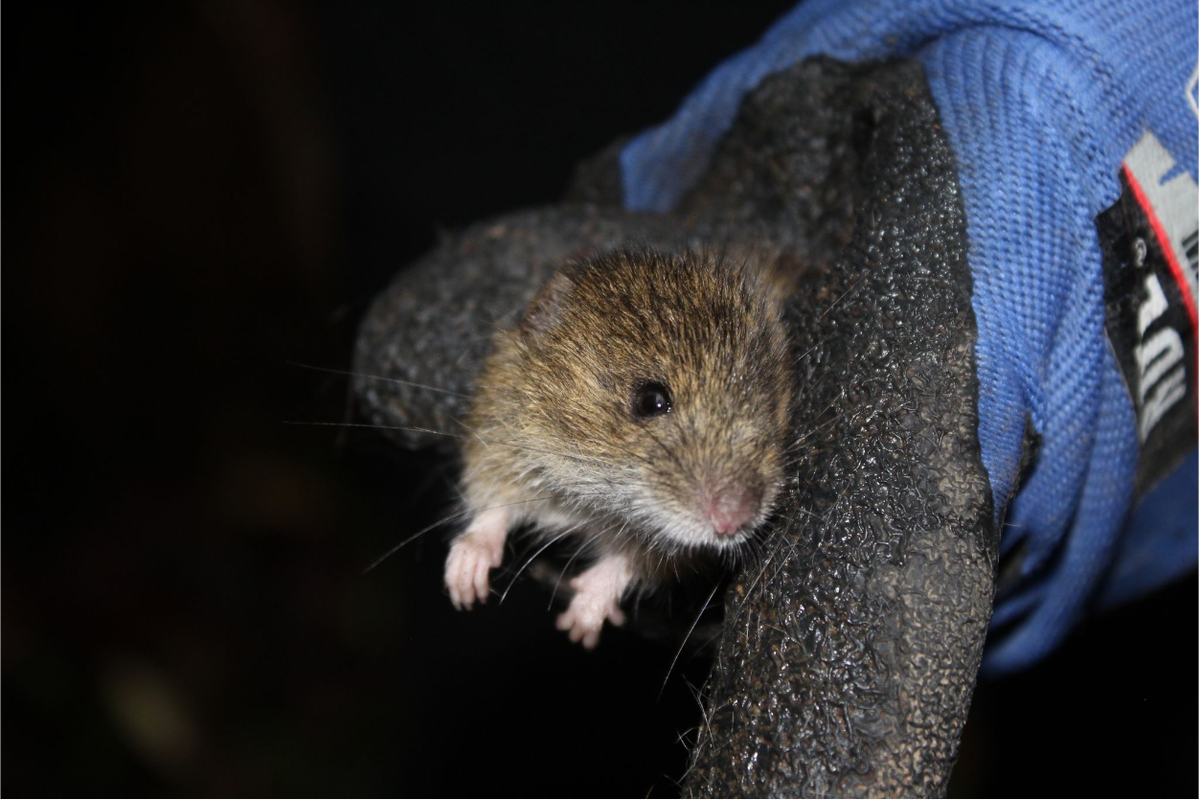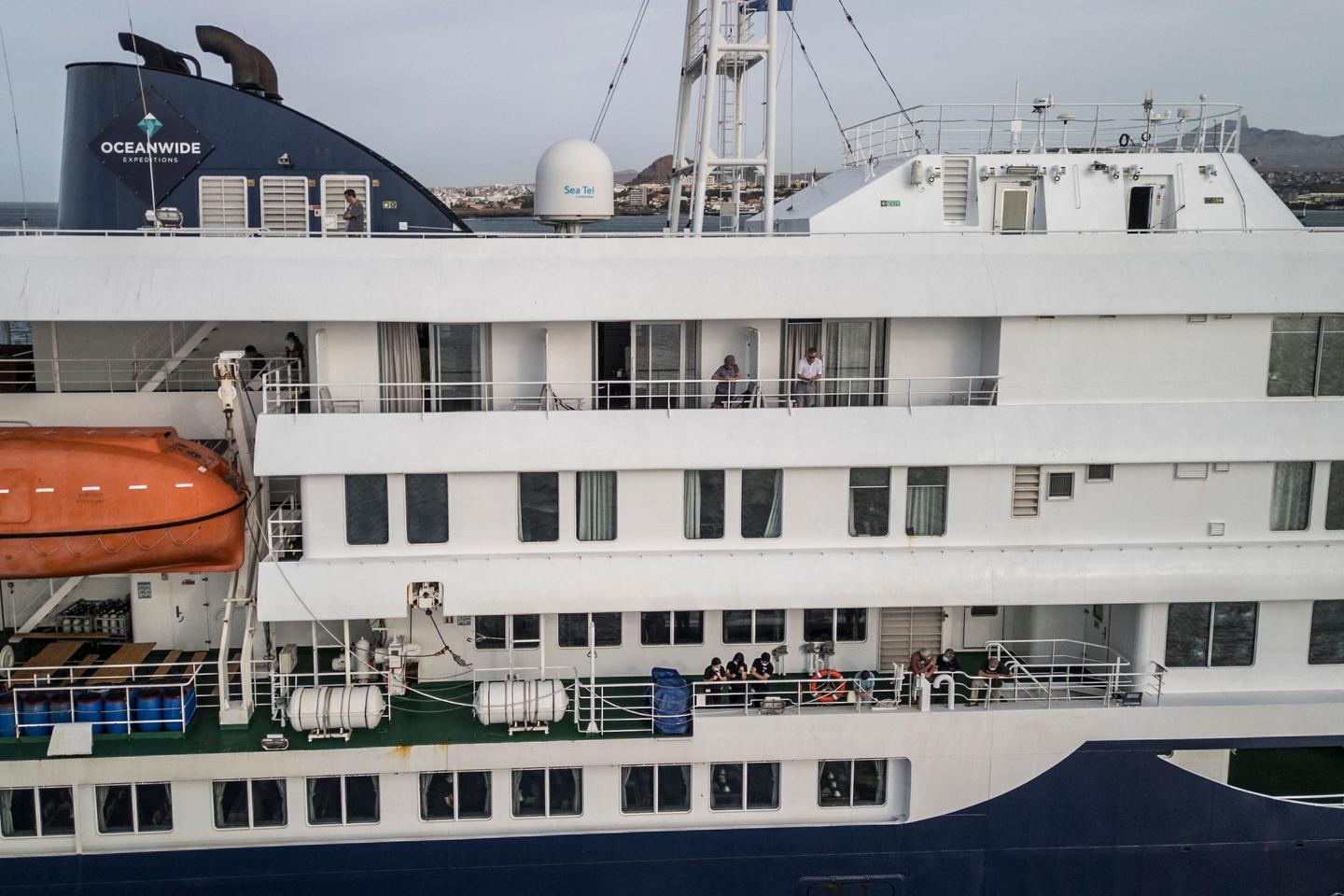
In the early 1950s, thousands of UN troops in Korea fell ill with a mysterious fever, said Chris Smith in The Spectator. Doctors suspected that a virus might be to blame – but it wasn’t until 1978 that a Korean scientist isolated the culprit in a mouse, and named it after a nearby river, the Hantan.He also showed that hantaviruses, which are carried by rodents, can be inhaled by humans in dust contaminated by droppings or urine. The troops had likely kicked the virus up as they dug foxholes.Old vs. New WorldSince then, numerous strains that can be transmitted to humans have been identified. They divide into two groups: Old World hantaviruses, in Europe and Asia, cause kidney dysfunction and have a mortality rate of 1% to 15%; New World ones, in the Americas, lead to severe lung infections and are fatal in around 40% of cases. It was the latter group that caused the outbreak on the cruise ship MV Hondius, and specifically the Andes strain, the only hantavirus that – in very rare cases – can pass from human to human.
The Week
Escape your echo chamber. Get the facts behind the news, plus analysis from multiple perspectives.
From our morning news briefing to a weekly Good News Newsletter, get the best of The Week delivered directly to your inbox.