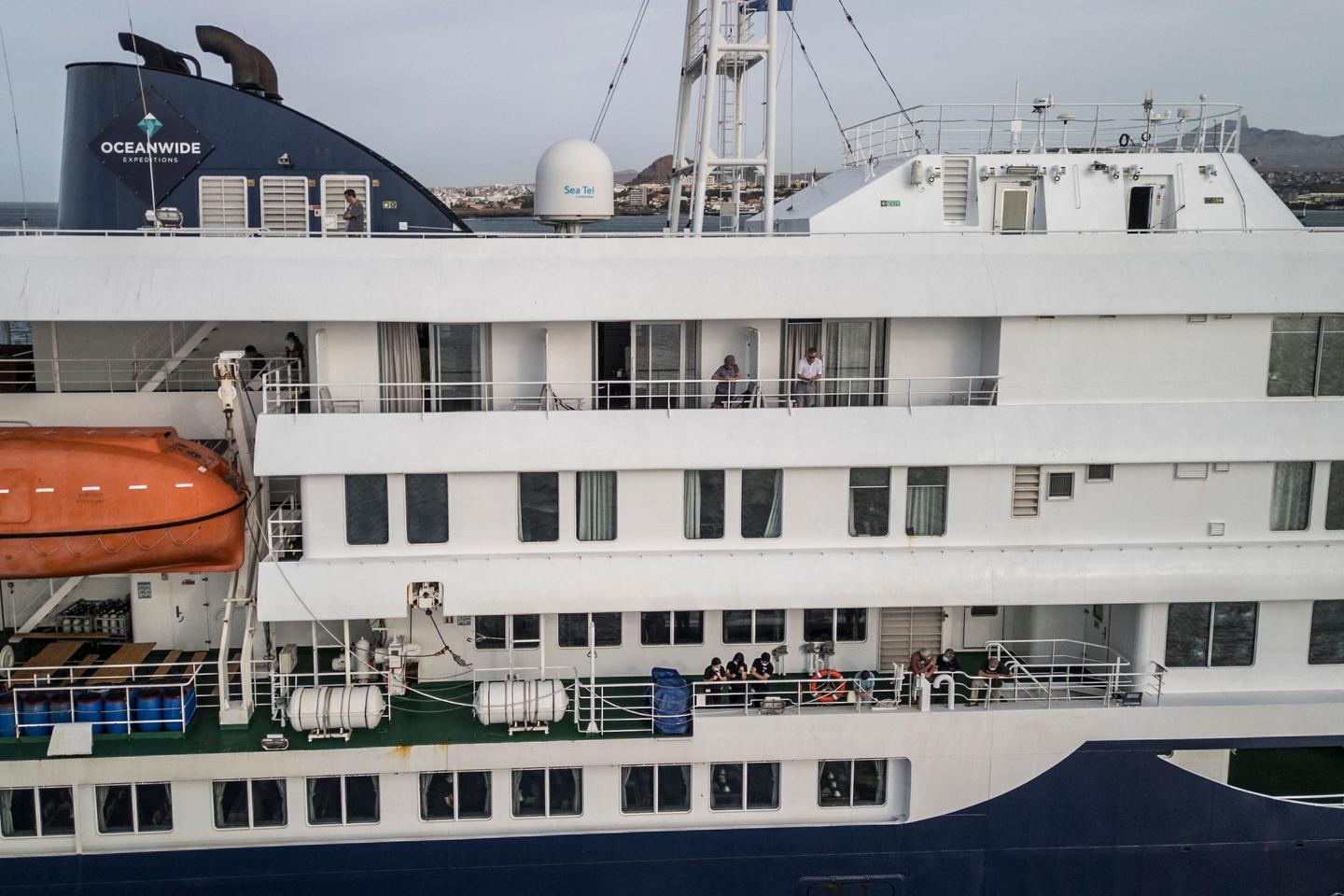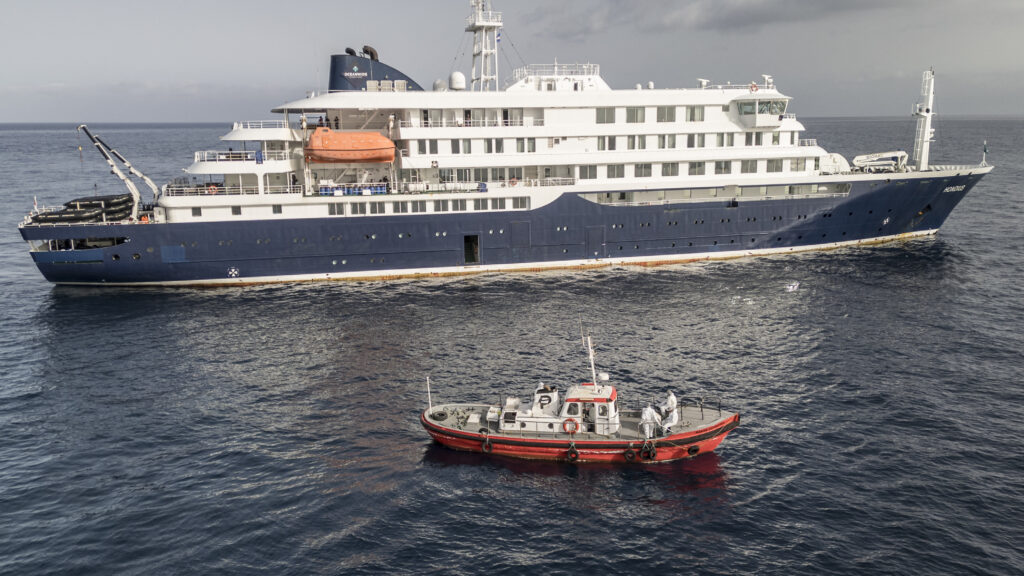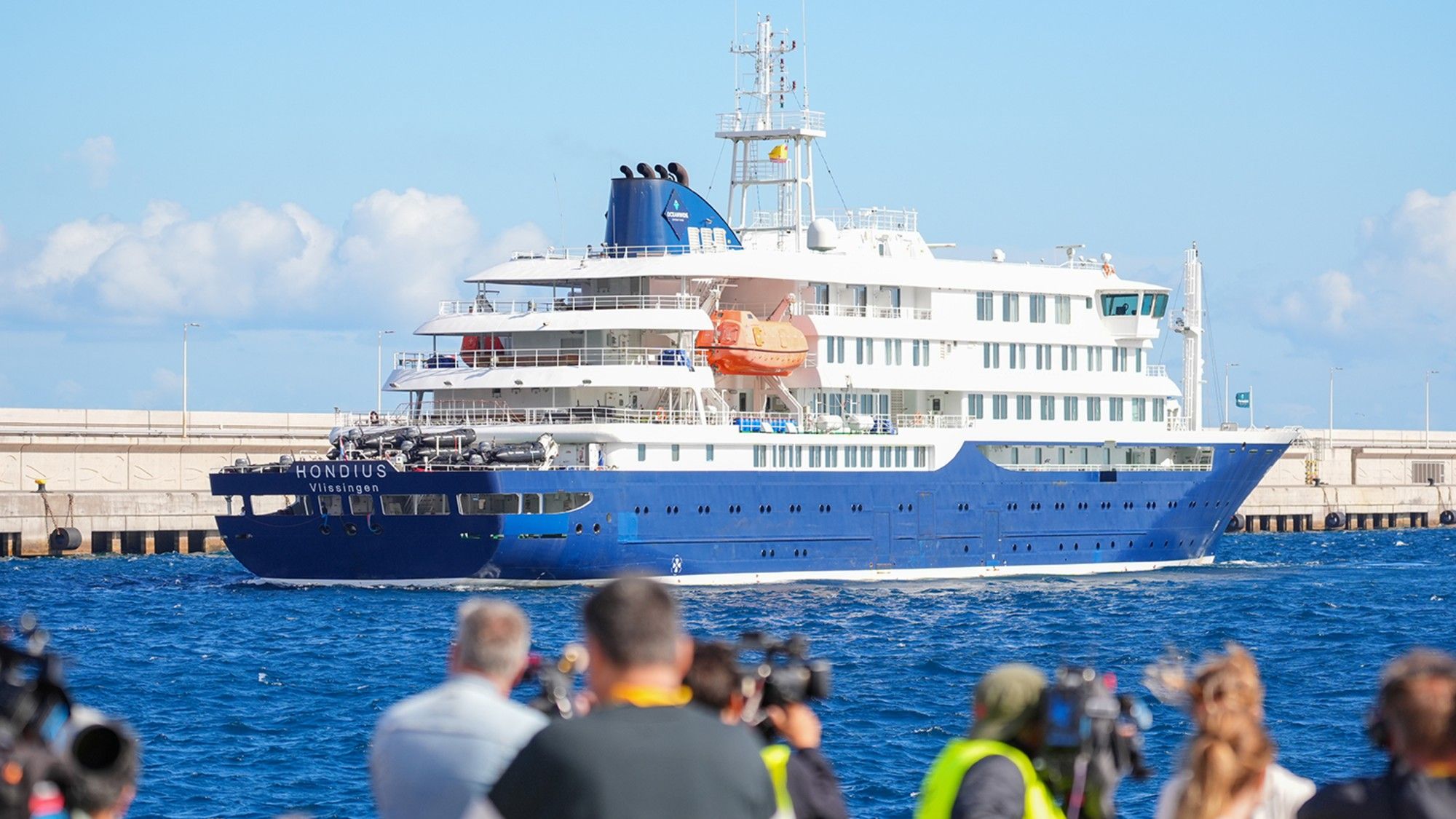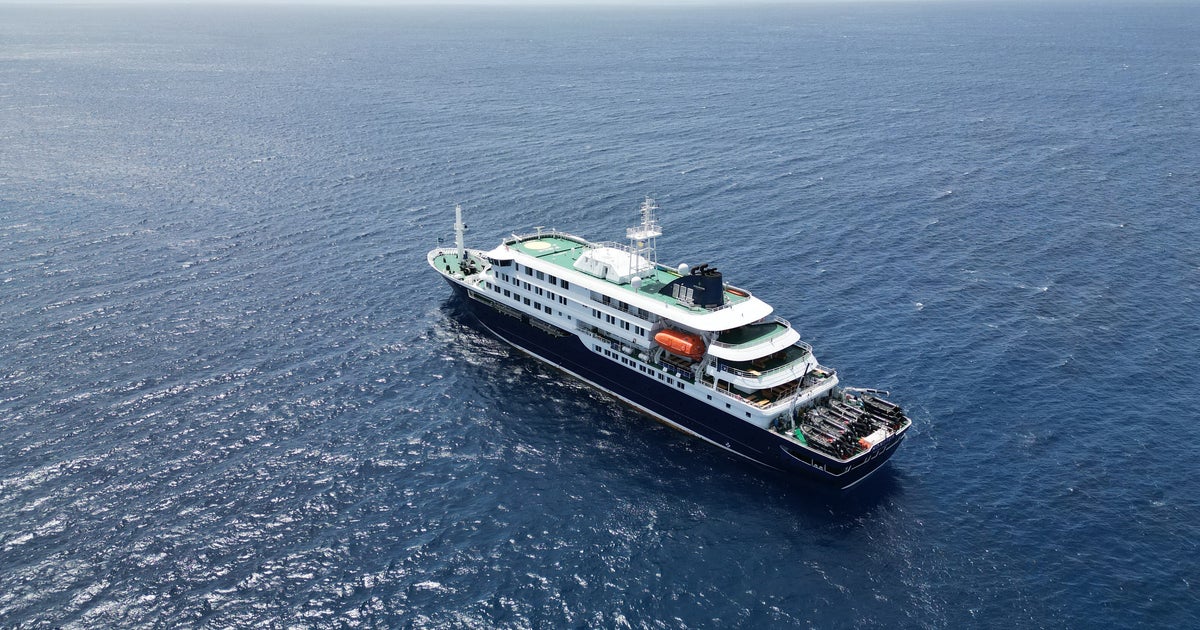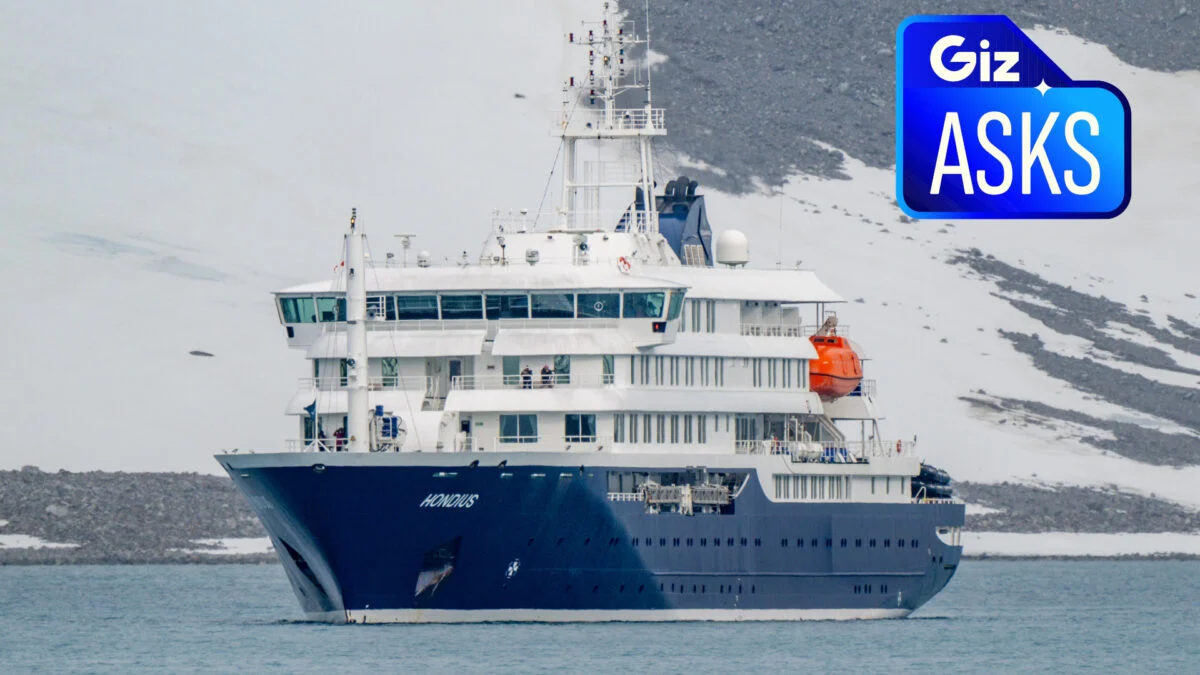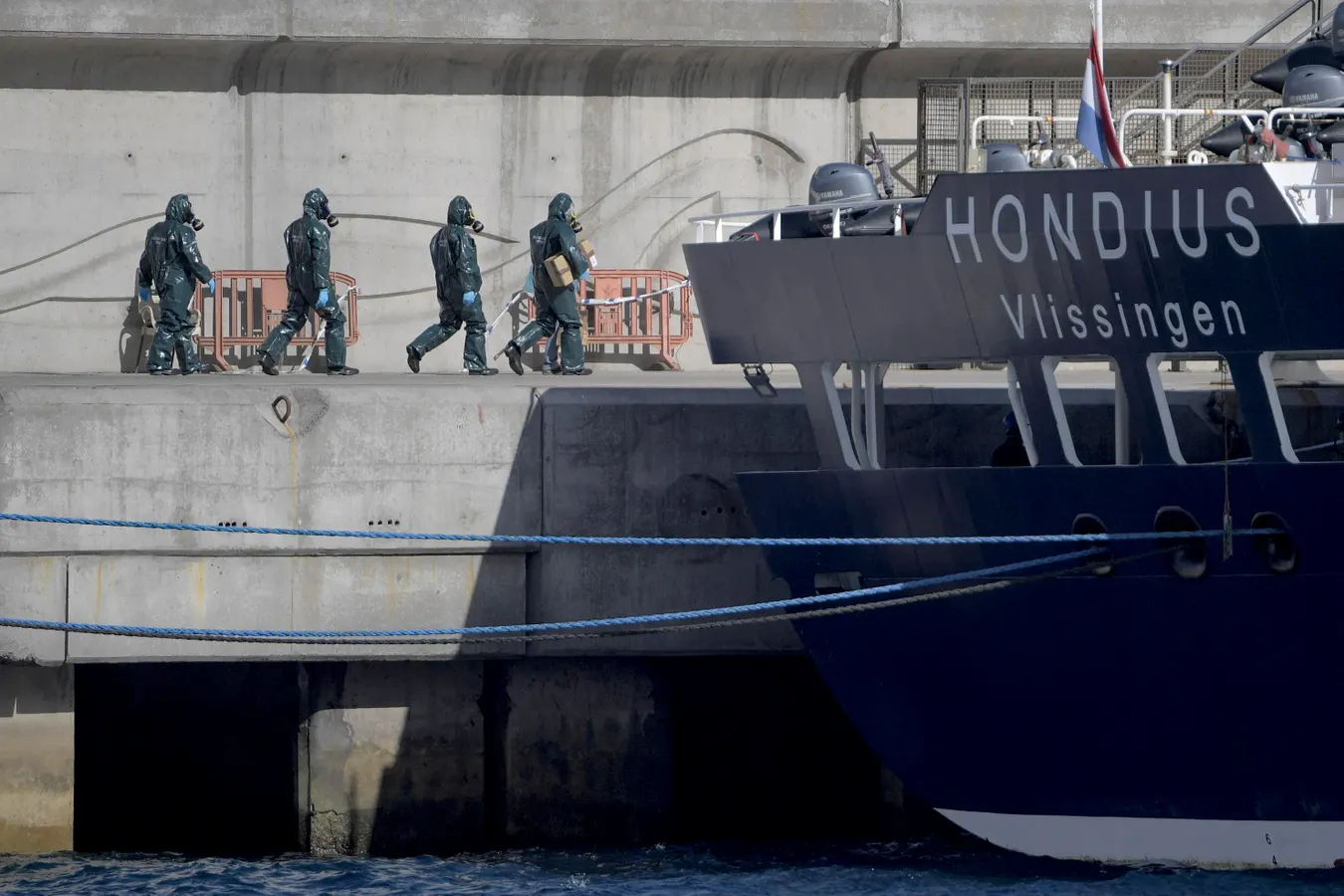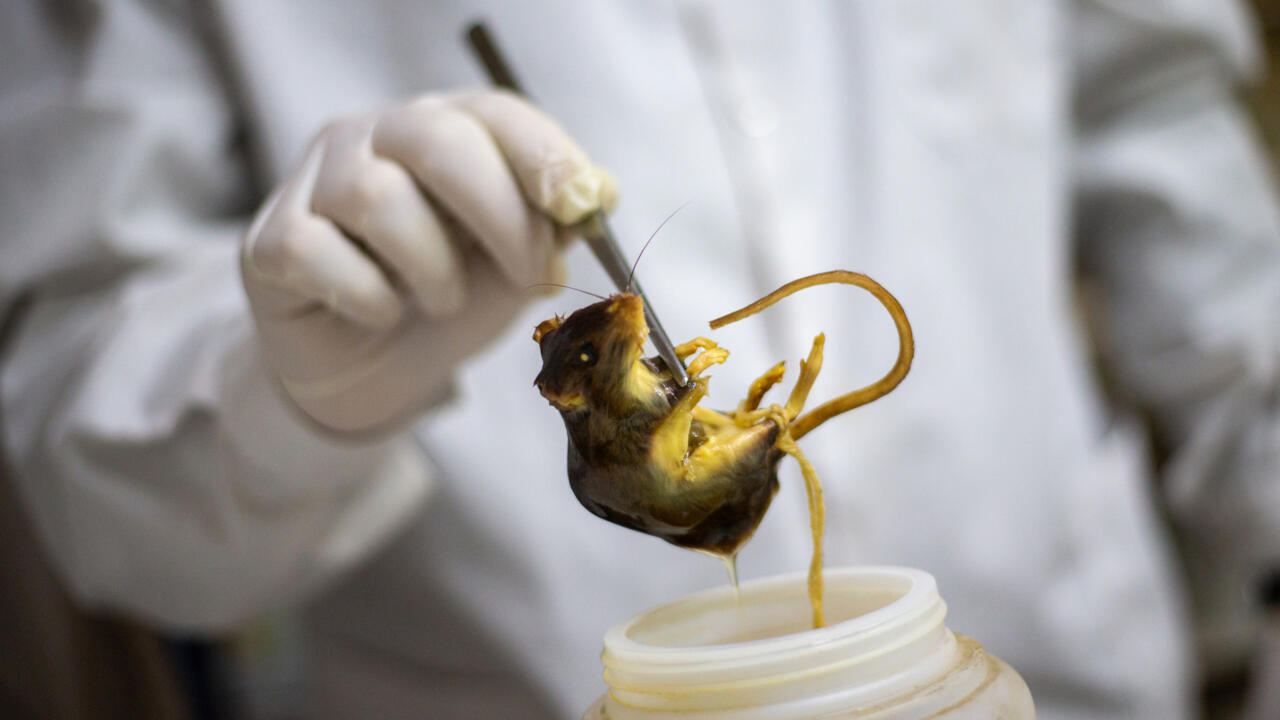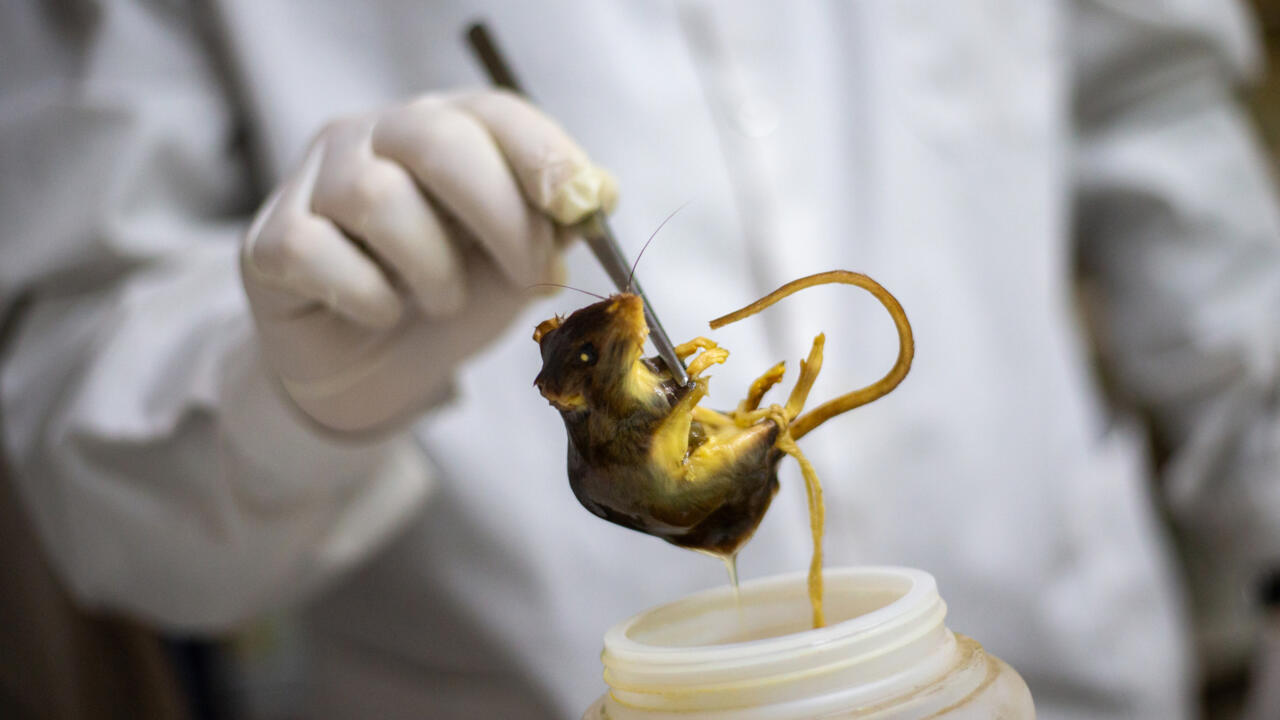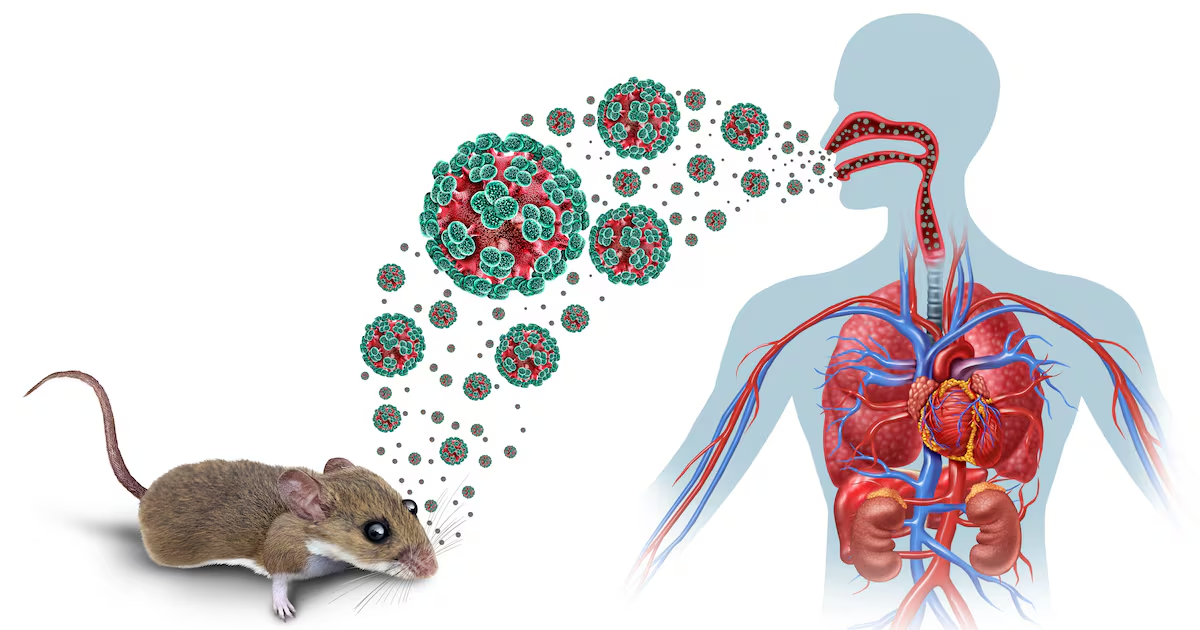
Ever since Covid, we have been sensitive to outbreaks of unusual viral infections. And while hantavirus is not a newly discovered virus, it is rare enough for the cruise ship outbreak to cause some ripples of anxiety among the general public.The outbreak of hantavirus on a cruise ship began last month, when passengers on the MV Hondius became ill with fever, pneumonia and gastrointestinal symptoms. The ship travelled across the Atlantic from Argentina to Cape Verde, off the coast of Africa. It called into some remote islands en route. But because hantavirus has such a long incubation period – of up to eight weeks – tracing the origin of the infection as well as finding everyone who may have been exposed to the virus is taking a lot longer than most instances of medical detective work.So far, of 11 suspected cases, eight have tested positive for hantavirus and there have been three deaths. Other cruise ship passengers who remain asymptomatic will have to self-isolate for 42 days, as will those who were in close contact with the Dutch passenger who died after flying from St Helena to Johannesburg.So what is hantavirus?Hantaviruses are a large group of viruses found in rodents such as mice and rats. The viruses can spread to humans, typically through inhalation of droplets or dust contaminated with urine or faeces of infected animals. Distinct strains of hantavirus are found in different parts of the world. While most cases of hantavirus in humans cause a mild flu-like illness, they can cause severe respiratory or kidney disease.Hantavirus is named after the Hantan river in Korea, where a group of UN soldiers who became unwell with the virus were stationed in 1951.[ ‘He was deceased on the ship for several days’: Irishwoman describes hantavirus outbreakOpens in new window ]Old-world strains of hantavirus, found in Europe and Asia, can cause haemorrhagic fever with renal syndrome (HFRS), a kidney disease that is fatal in 5-15 per cent of cases. Symptoms start with a flu-like illness before progressing to internal bleeding and kidney failure.The new-world strains, found in South and North America, cause hantavirus pulmonary syndrome (HPS), a lung disease that can kill more than a third of those infected. Symptoms include fever and general malaise before the lungs fill with fluid causing shortness of breath and chest tightness.Where did the hantavirus on the MV Hondius come from?The Andes strain, which is primarily found in Argentina and Chile, has been identified in samples taken from the victims. This strain is known to spread from human to human, which appears to have occurred on board the ship. Another potential clue came from Dr Tedros Adhanom Ghebreyesus, head of the World Health Organisation (WHO), who said the Dutch couple, who were the first two cases, had travelled through Argentina, Chile and Uruguay on a birdwatching trip before boarding the cruise ship, “which included visits to sites where the species of rat known to carry the virus was present”.How do hantaviruses spread?People usually become infected by breathing in air contaminated with virus particles from rodent urine, droppings, or saliva. The virus can also enter the body through cuts, the eyes or, very rarely, a rodent bite.Most hantaviruses do not spread between humans. For the strains where there is person-to-person transmission, it is through very close and prolonged interpersonal contact. The WHO says the outbreak is not the start of a global pandemic, pointing to major differences between Covid and the hantavirus.How is the virus treated?There is currently no vaccine or specific antiviral treatment for hantavirus infections. Treatment is supportive, including rest and hydration. HPS can cause breathing difficulties, and patients may need breathing support, such as intubation. HFRS can disrupt kidney function. Patients with HFRS whose kidneys have failed may need dialysis to remove toxins from the blood.The two asymptomatic repatriated Irish travellers do not pose a risk to the wider public.mhouston@irishtimes.com
Dr Muiris Houston: Hantavirus is not new, so why has the recent outbreak caused such anxiety?
Dr Muiris Houston: There are key differences between the Covid pandemic and the MV Hondius outbreak
646 words~3 min read