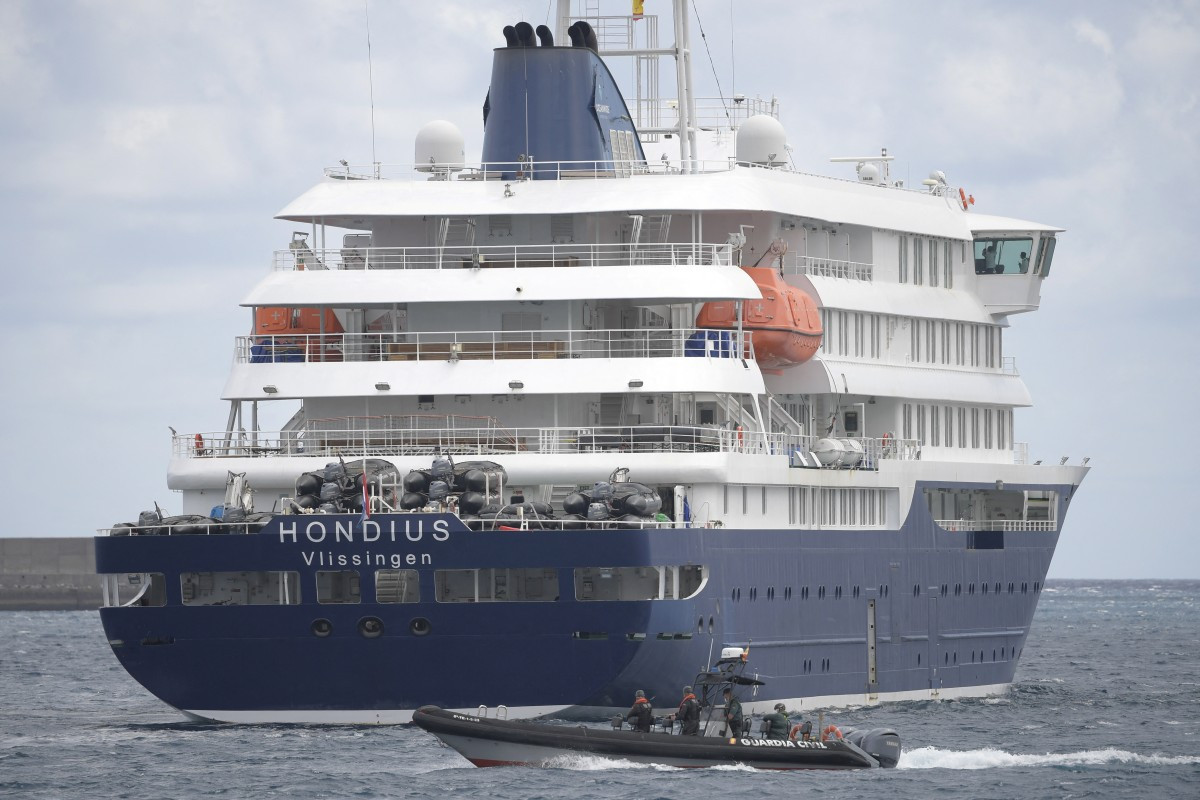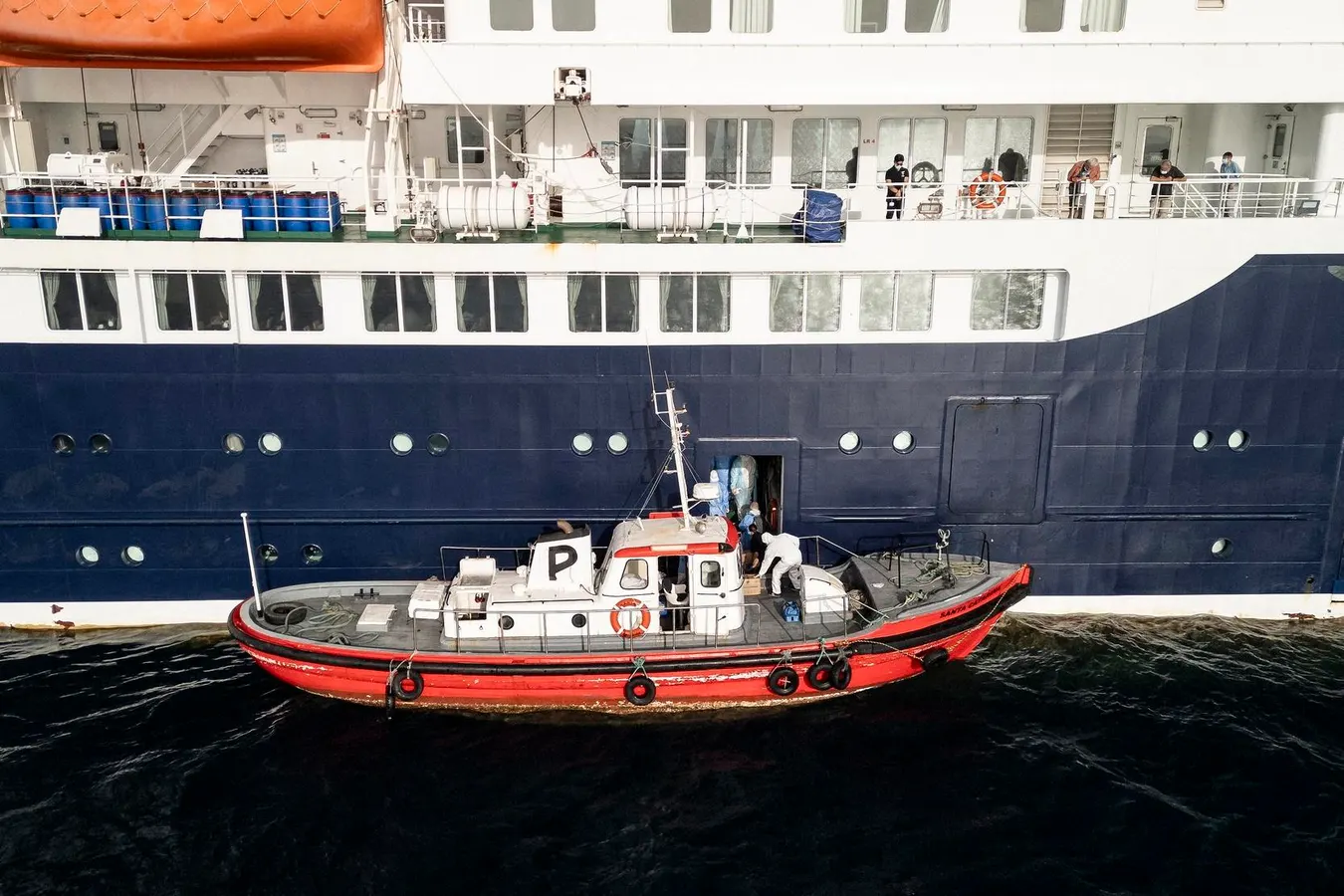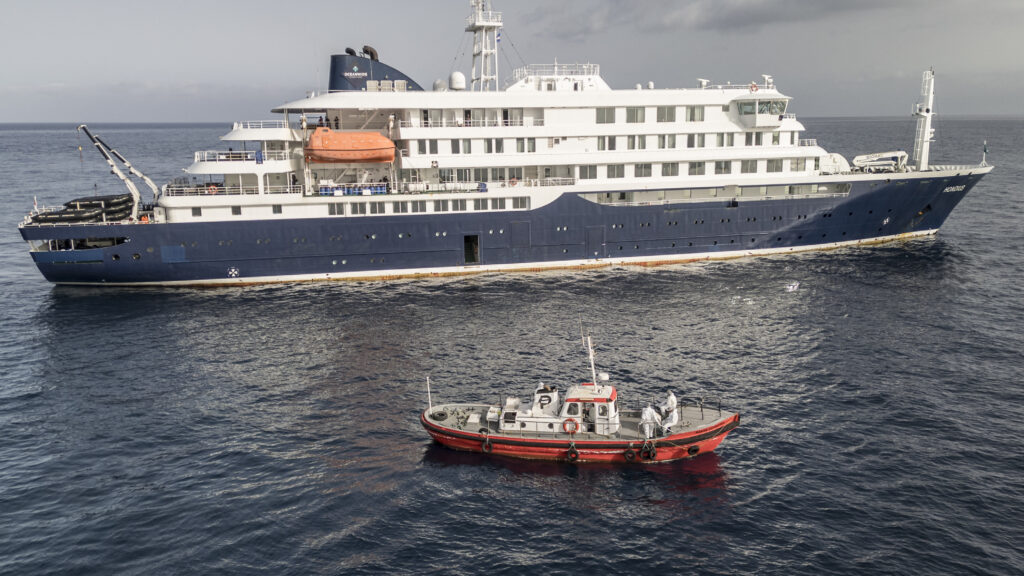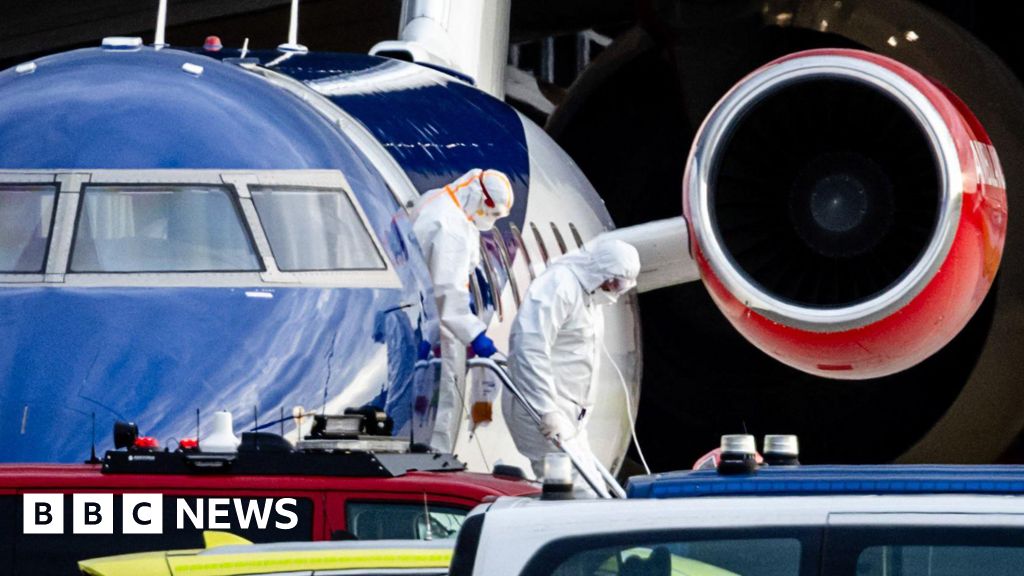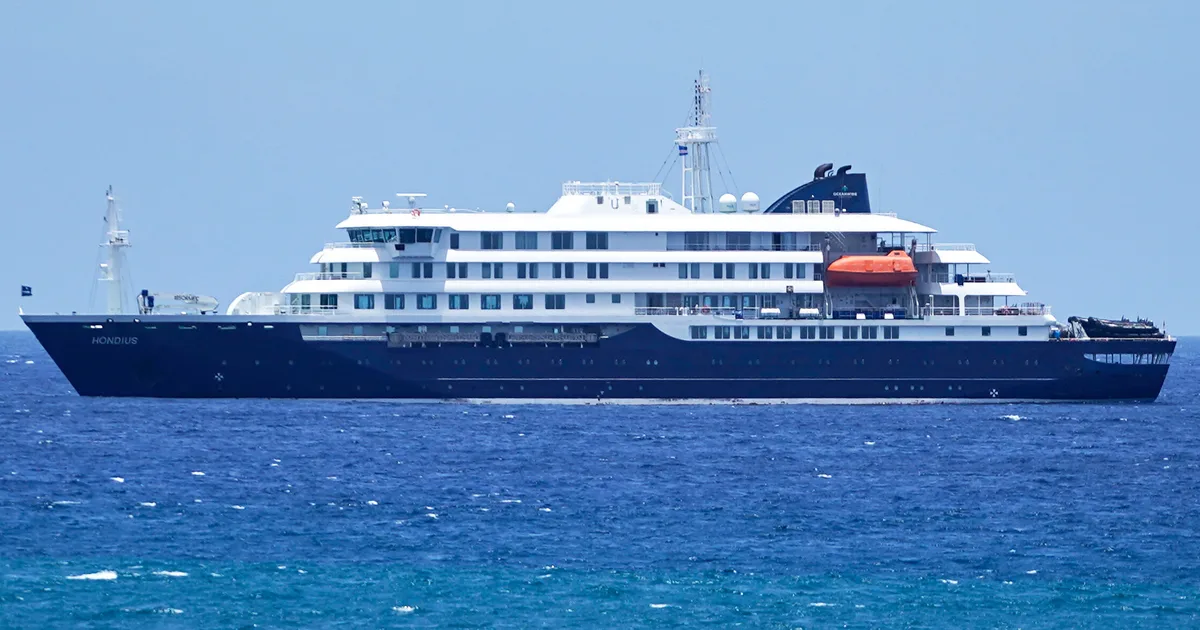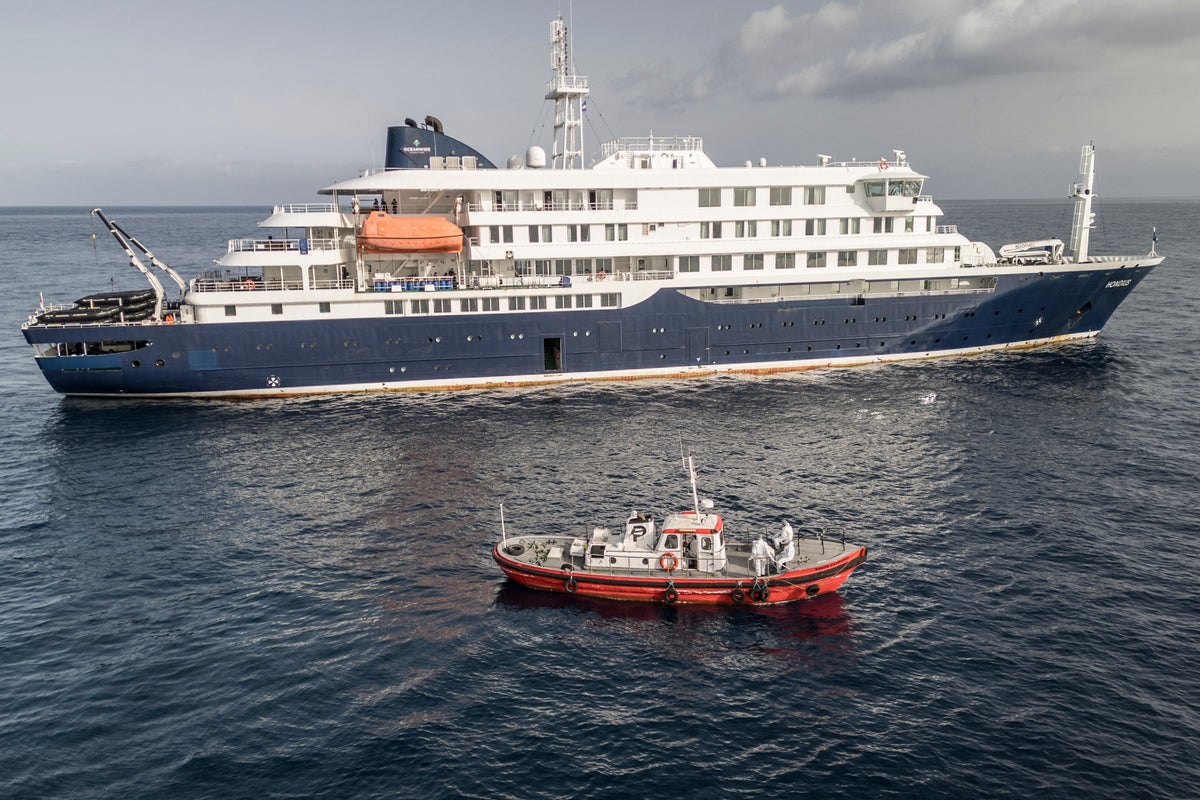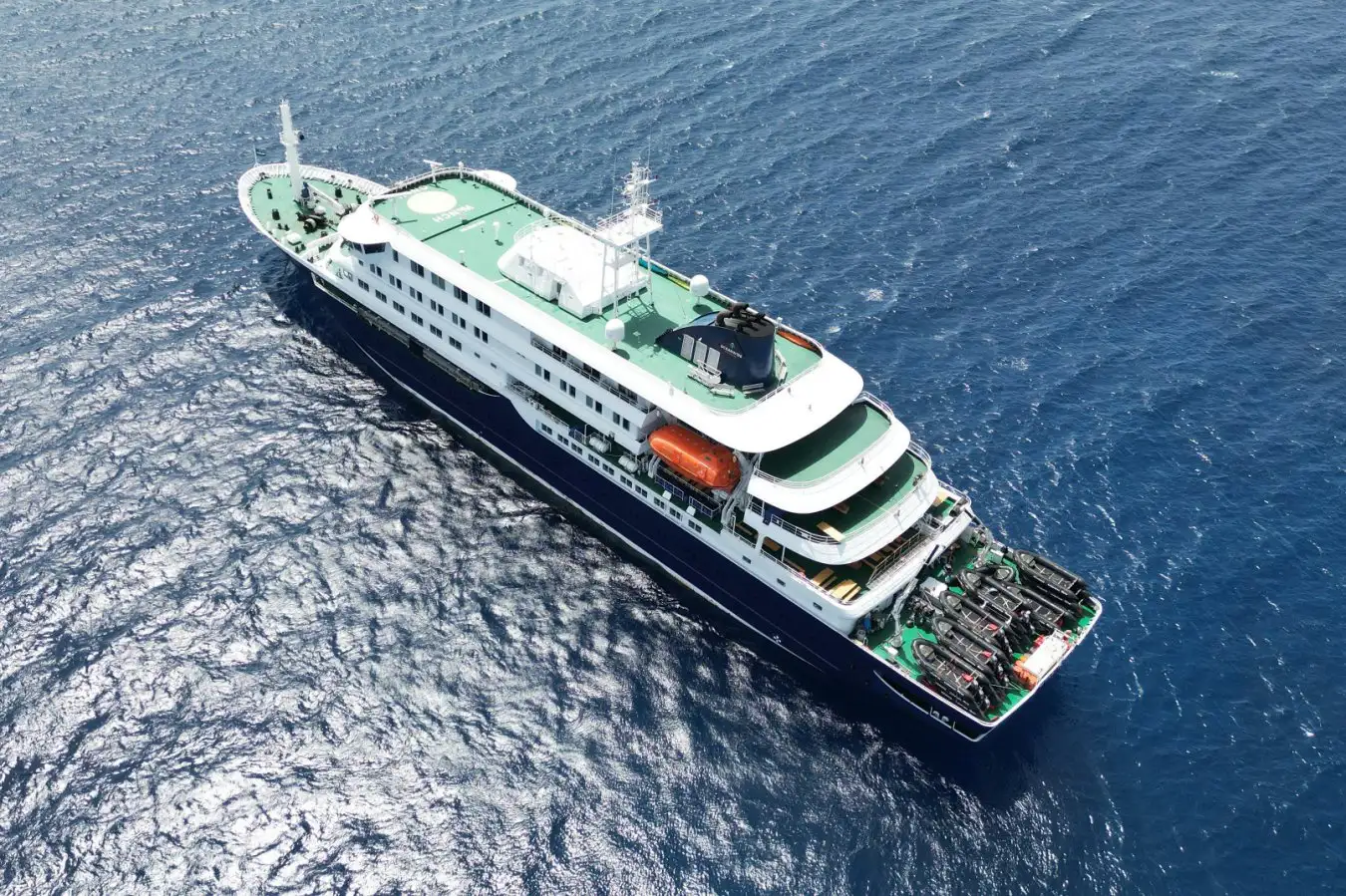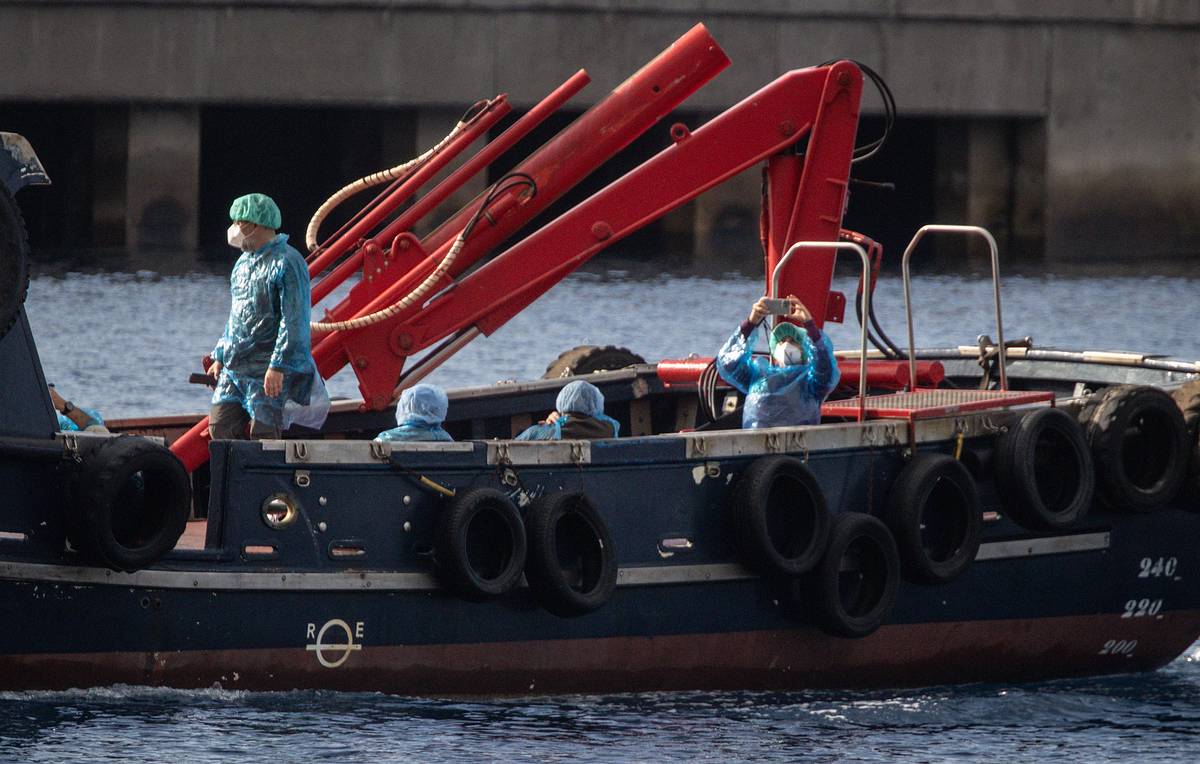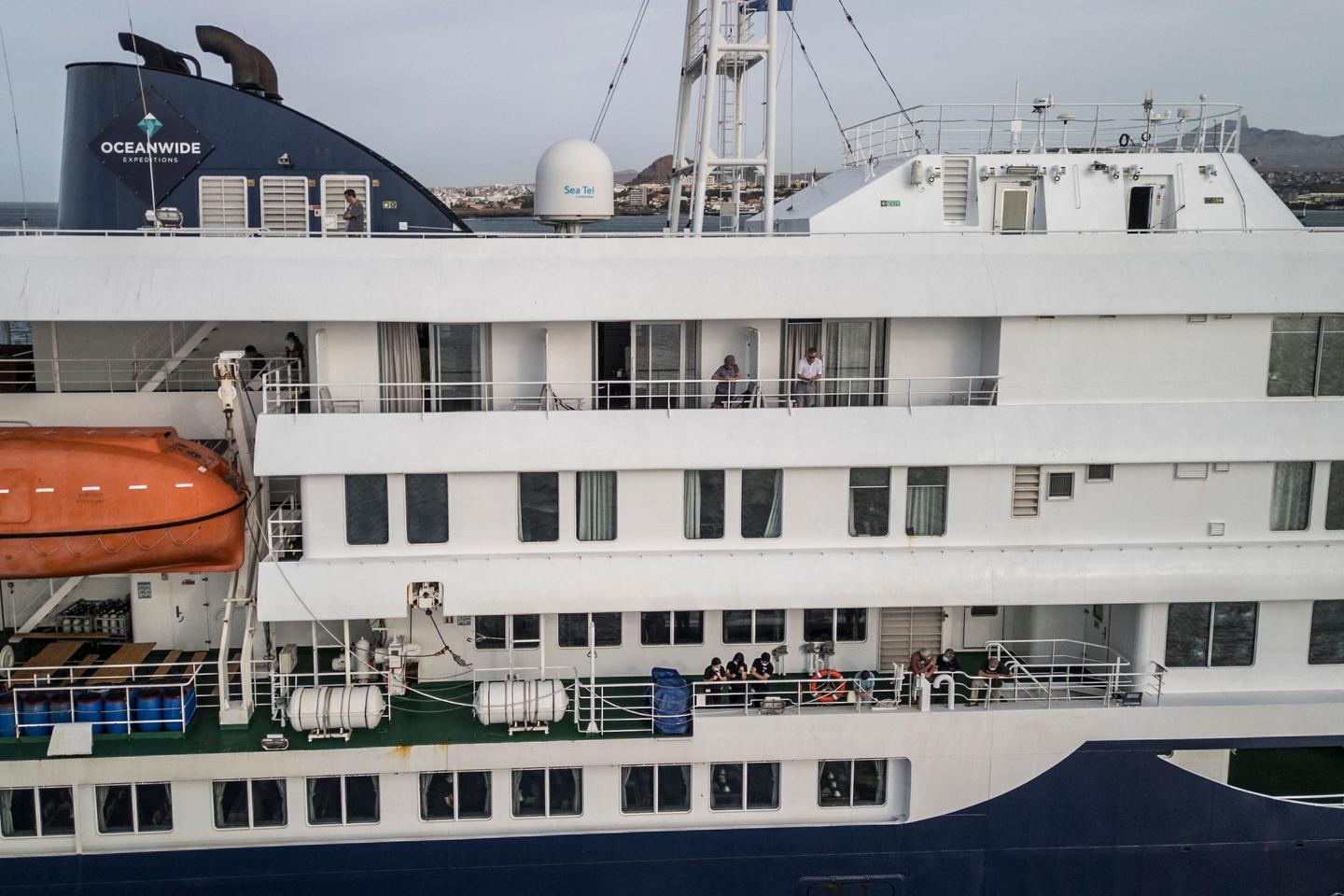
Passengers watch healthcare personnel, out of frame, who have come to disembark sick individuals from the MV Hondius cruise ship, while it was anchored off the Port of Praia, the capital of Cape Verde, on May 6, 2026. AFP
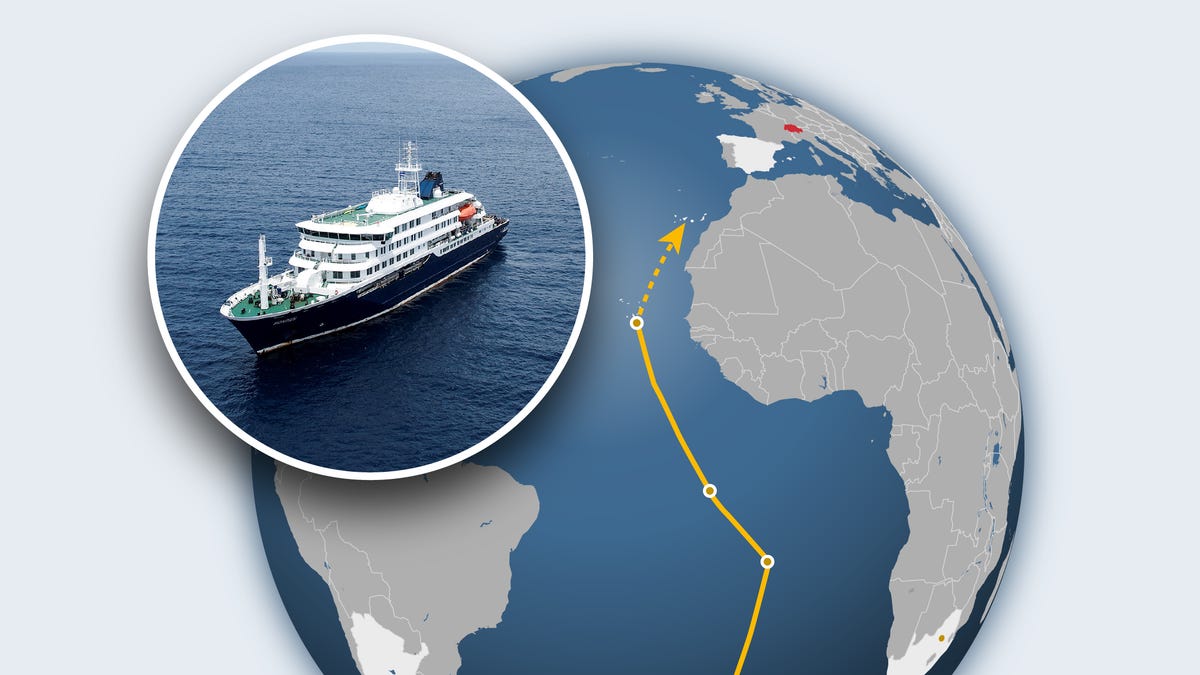
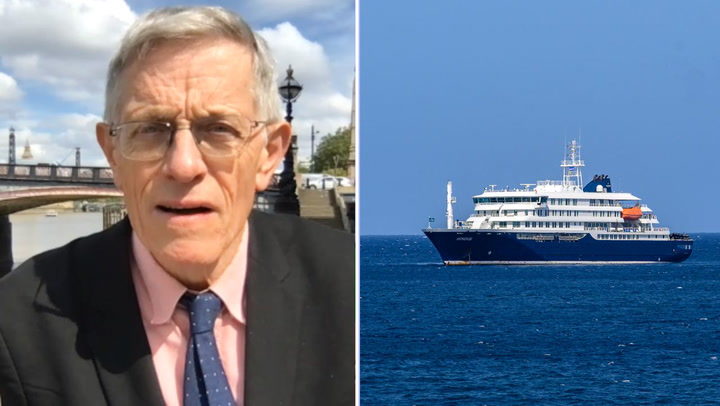
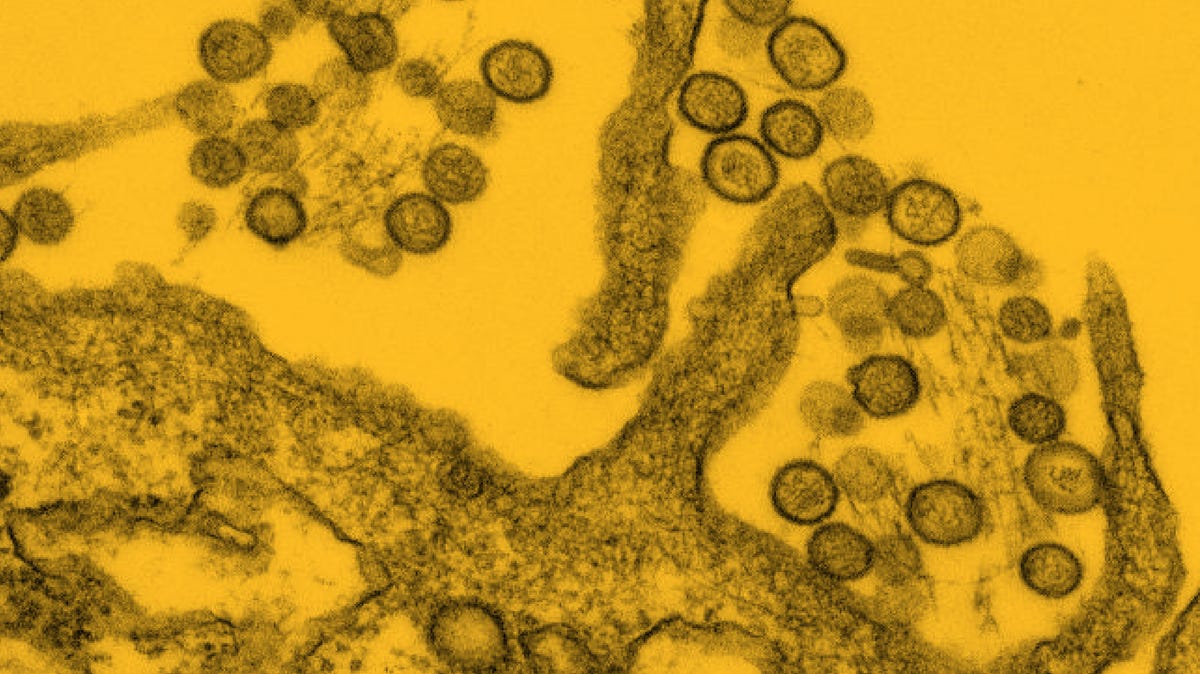
A wave of panic began to sweep through on Wednesday, May 6, as reports surfaced about the situation aboard the MV Hondius – a cruise ship where several cases of infection by an Andes strain hantavirus had been identified – multiplied from many different countries. Beyond the severity of the disease, which had infected eight passengers, three of whom had died as of that date, the complex and turbulent journey of this small expedition ship, carrying around 150 passengers, made it more difficult for public health authorities to monitor the evolving situation.
The nervousness surrounding this unprecedented hantavirus outbreak, both in scale and spread, was reminiscent of the early days of the Covid-19 pandemic, when the world was reminded just how much the globalization of human movement catalyzes the transmission of viruses. The sense of confusion stemmed largely from the fact that the health authorities of all the countries whose nationals were on board, as well as those affected by the ship's route, were all issuing statements, along with the World Health Organization (WHO), which was centralizing information during this kind of crisis.