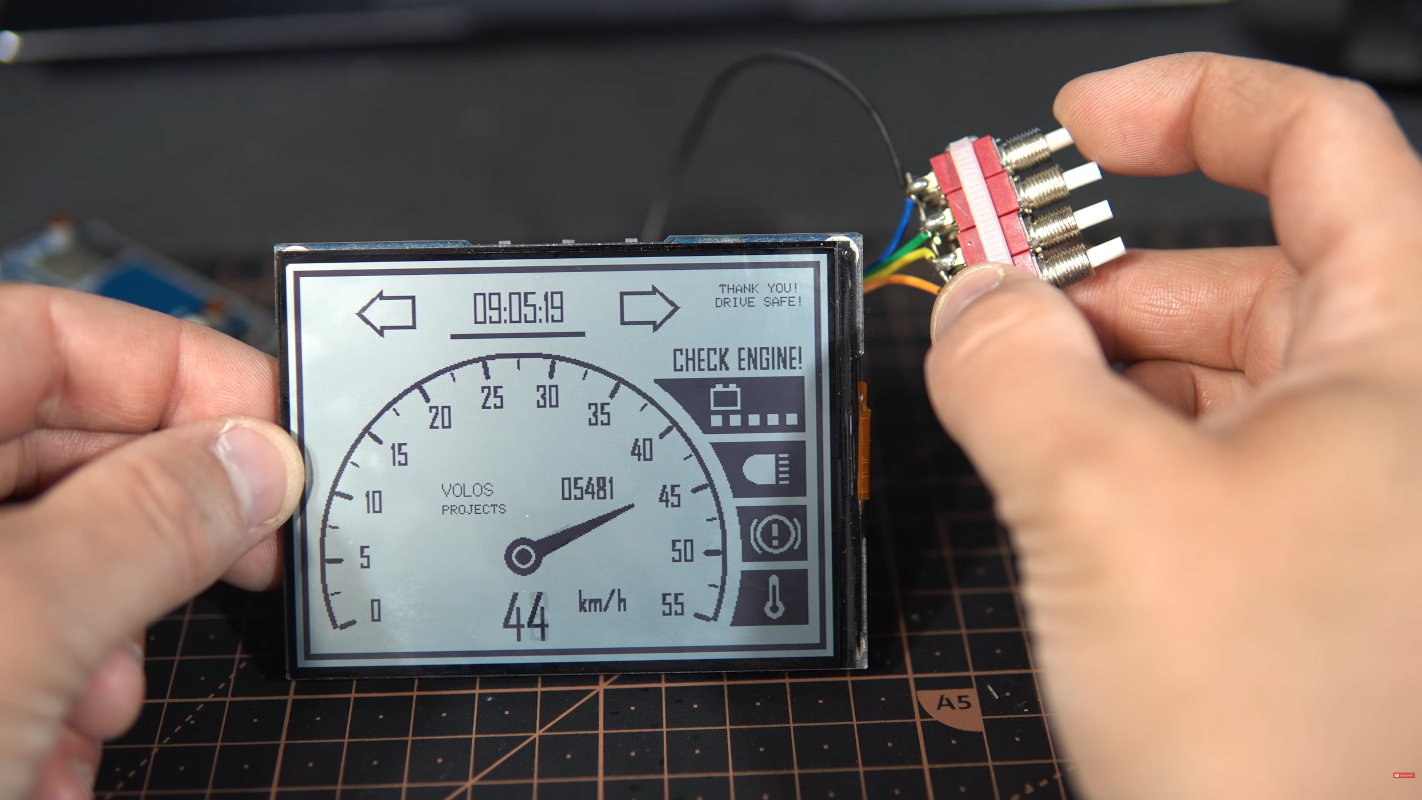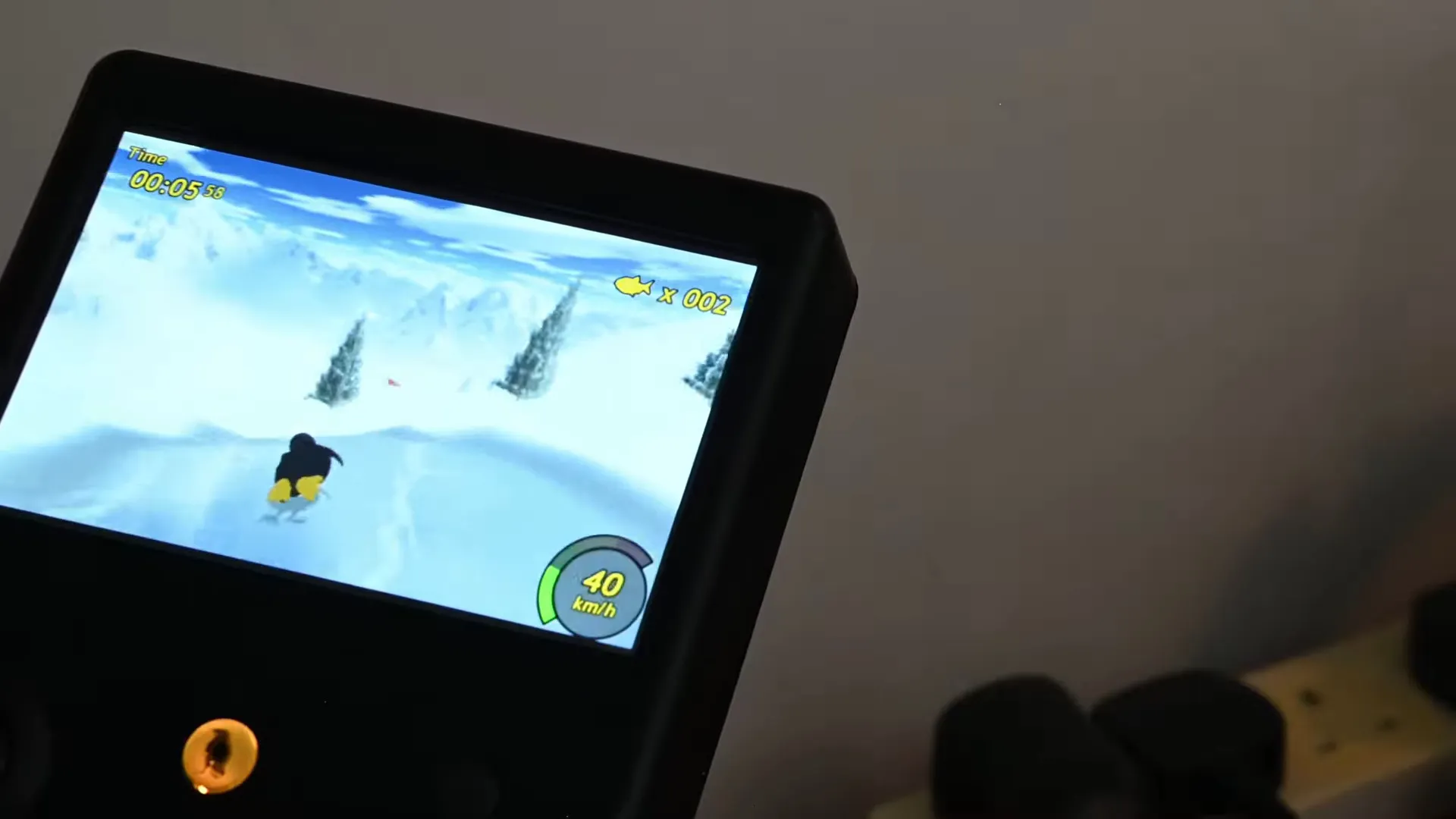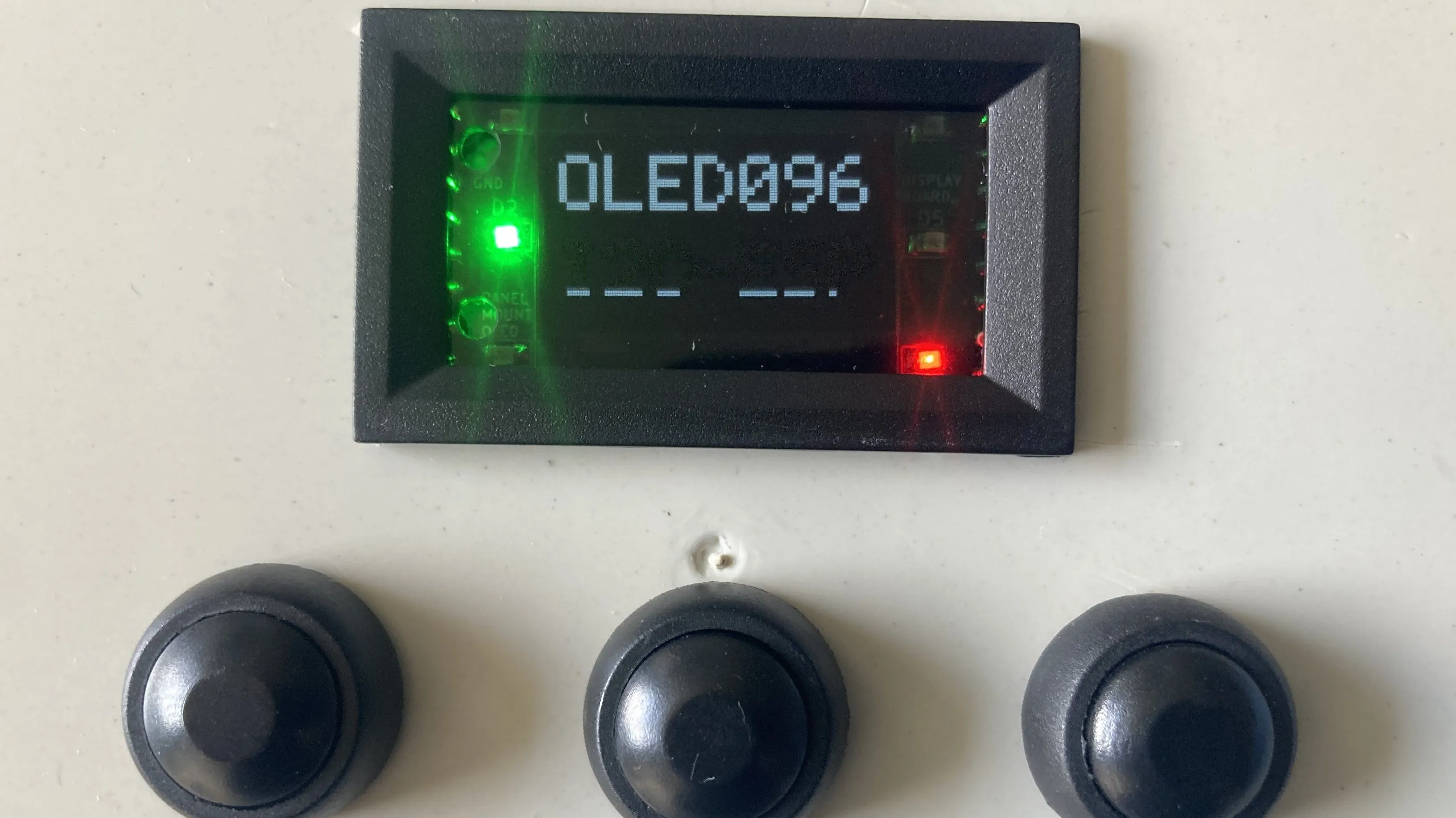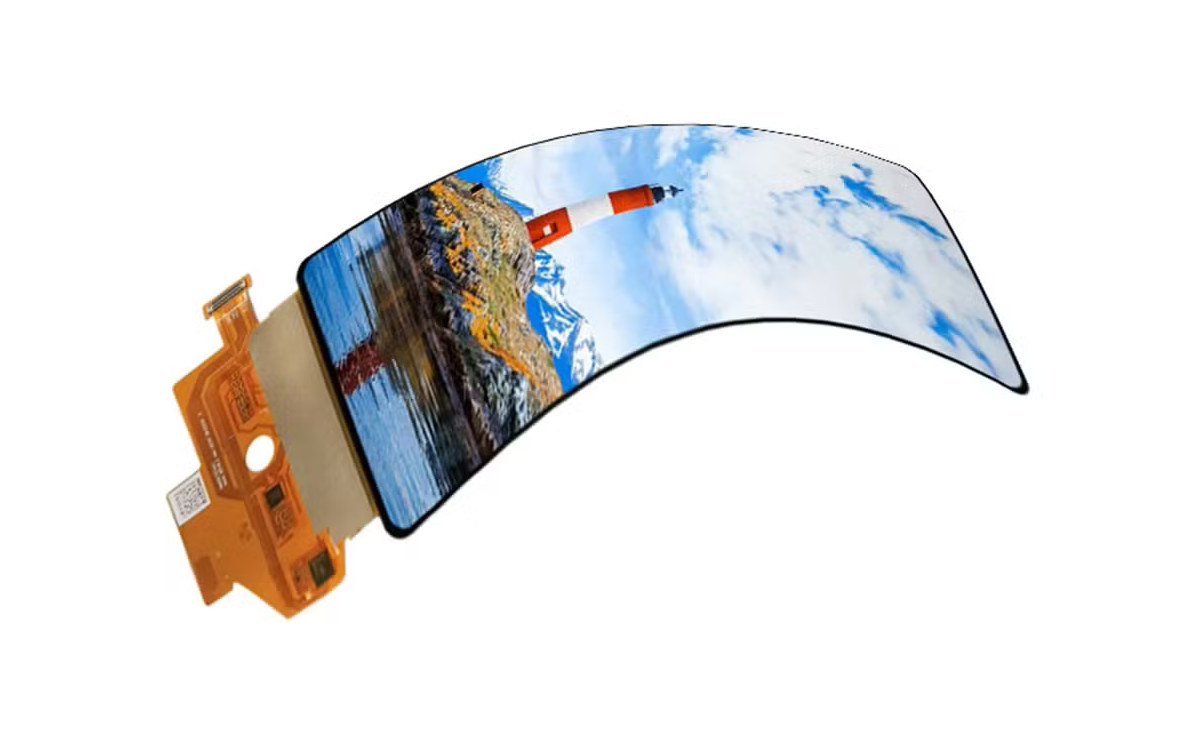
Although modern embedded processors increasingly adopt interfaces such as MIPI DSI and LVDS, MCU interface TFT LCD displays are still commonly found in industrial products, handheld devices, and low-cost embedded systems.
At first glance, the MCU interface may look outdated. It uses a parallel communication method that originated many years ago, and compared with newer display interfaces, its bandwidth is relatively limited. However, in real industrial projects, engineers often prioritize cost, software simplicity, long-term availability, and hardware compatibility over raw display performance.
This is one of the major reasons why MCU interface TFT LCD modules continue to be widely used even today.
Many industrial-grade microcontrollers and low-cost SoCs still provide native MCU display controllers, while some processors do not support advanced interfaces such as MIPI DSI at all. In addition, the overall cost of MCU-interface display modules and their supporting hardware is usually much lower than high-speed display solutions.
For applications that only require basic graphical interfaces, parameter displays, or simple touch control panels, the MCU interface remains a practical and reliable choice.