Erik Berglöf
BEIJING — The global water cycle is our planet’s life-support system. It is a powerful environmental pump, with forests transpiring moisture and replenishing giant atmospheric rivers of freshwater. It is also a global thermostat, regulating the climate through evaporation and cloud formation. And it is a giant filter, purifying water as it percolates through the soils and wetlands.
But while all life depends on the water cycle, it is coming under increasing strain and losing its ability to perform these essential functions, leading the United Nations to declare a new era of “global water bankruptcy.” Rising temperatures, ecosystem degradation, and shifting rainfall patterns are weakening the natural systems that regulate water flows and quality, while conventional infrastructure, designed for historical hydrological conditions, is increasingly exposed to variability, sedimentation, and shock.
To protect the water cycle from these competing pressures, we must embrace a holistic, systemic perspective. That means treating the water cycle itself as shared infrastructure, and reshaping investments and governance accordingly.
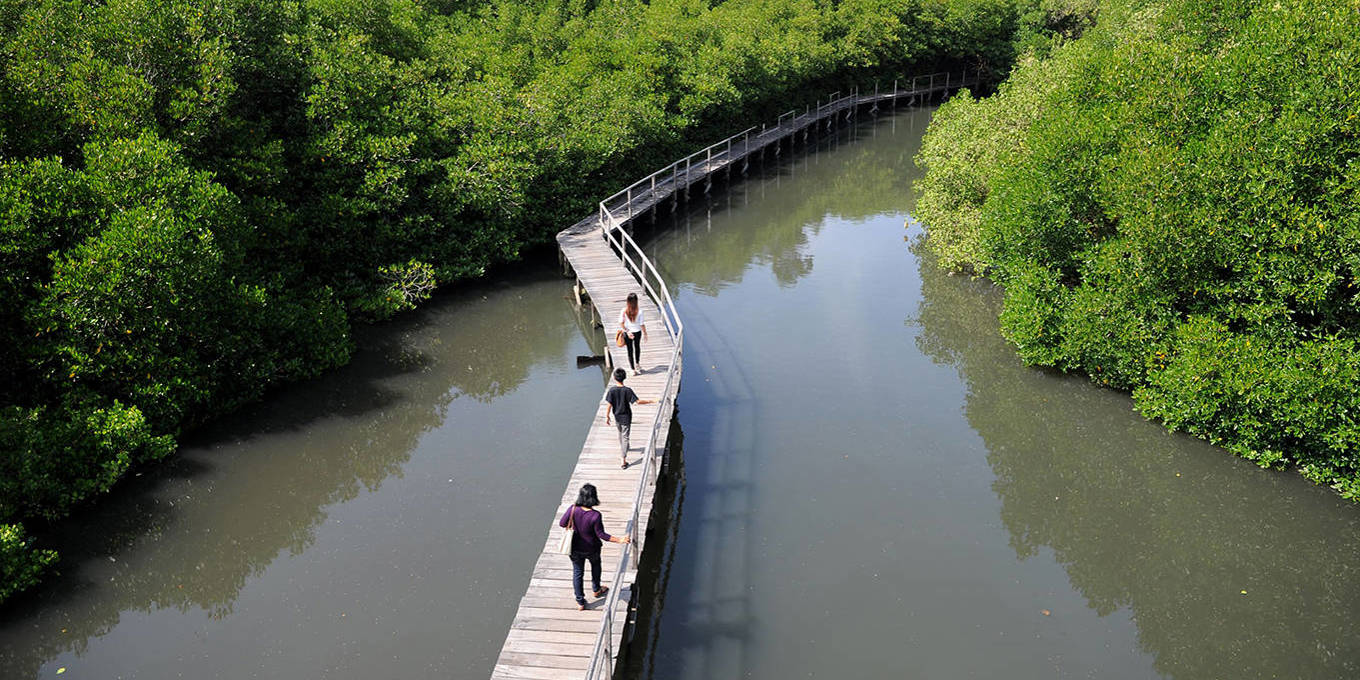
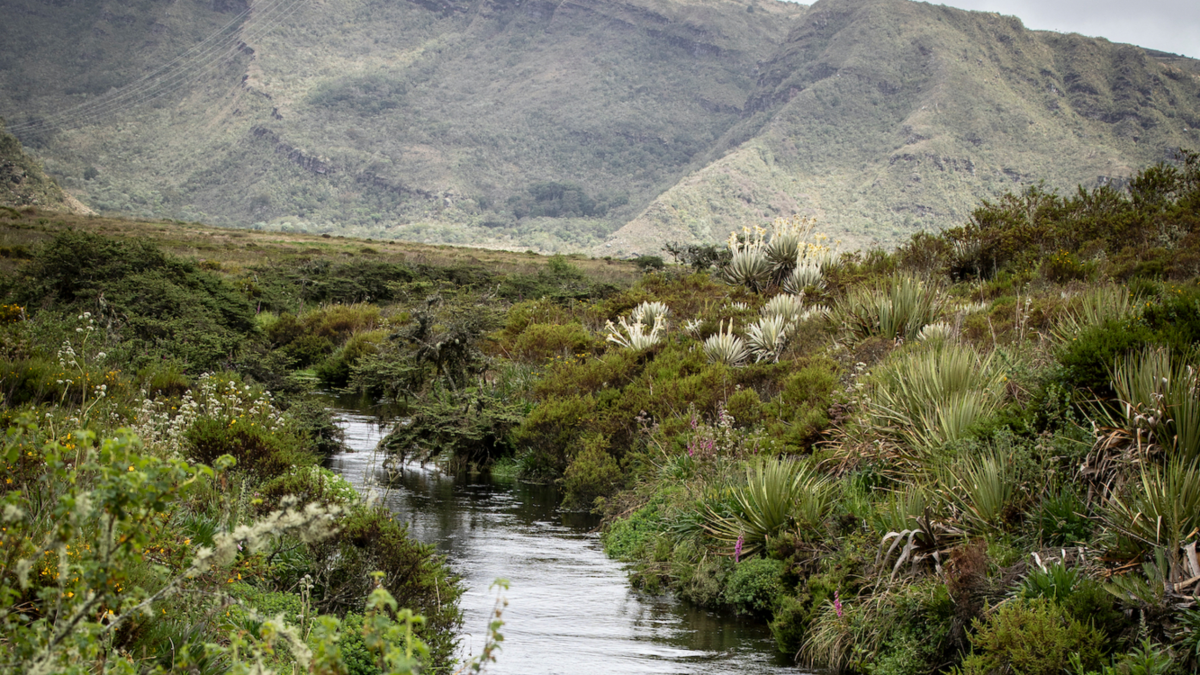
As a first step toward protecting the natural infrastructure that has served us for centuries, governments, investors, and multilateral development banks should emphasize retaining water in its natural environment wherever possible. Efforts to protect forests, wetlands, river basins, and soil cover are key to mitigating disruptions to the water cycle and adapting to shocks.