There was a time when counterfeit products in Nigeria were treated almost humorously. Misspelled brands like “Abibas” or “Rolexx” were seen as harmless imitations, part of street-market culture.
But things have changed.
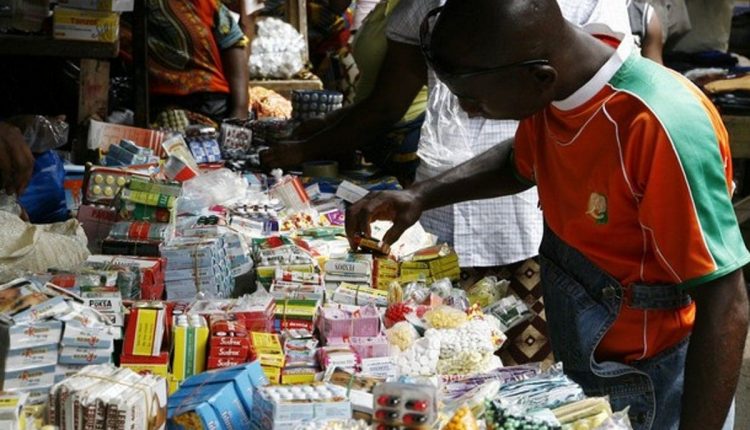
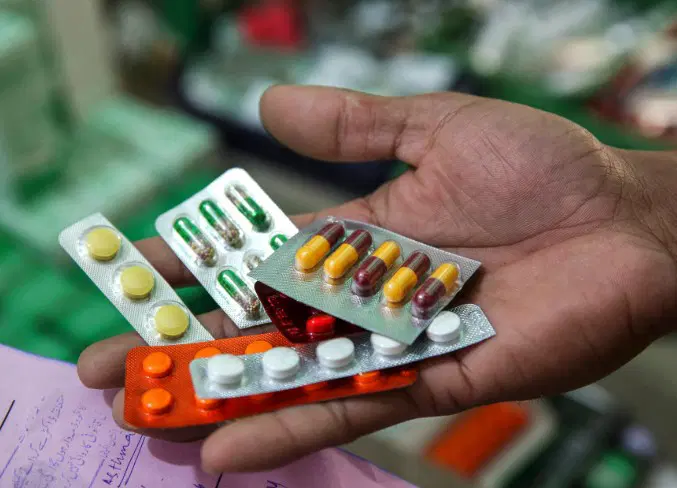
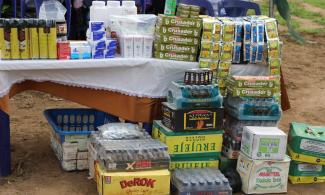
Counterfeiters are no longer focused only on fashion items or luxury goods. They now target products people rely on to survive: medicines, food, drinks, cosmetics, and even bottled water.
What used to be a joke has become dangerous.
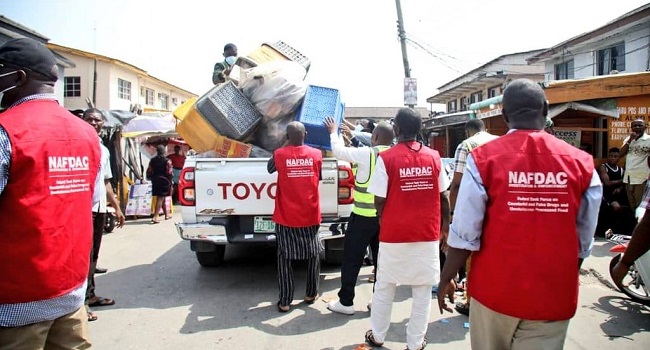
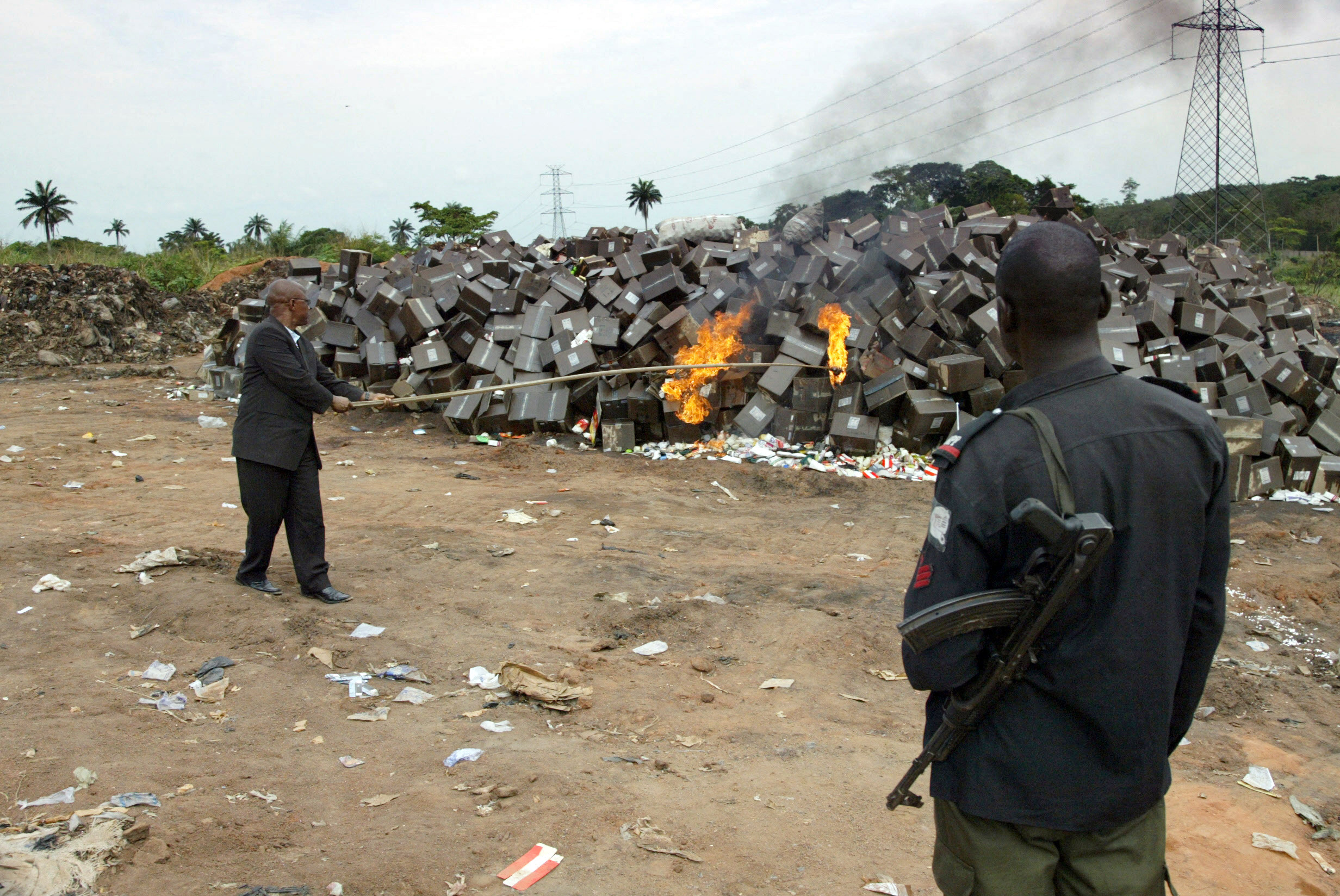
The numbers tell a sobering story. Regulatory seizures in Lagos alone exceeded 4.5 million bottles of fake and substandard products in 2025. Nationwide estimates suggest that between 40-70% of drugs in some markets contain little or no active ingredients. The World Health Organization estimates that substandard and falsified medical products cause over 100,000 deaths annually across Africa.