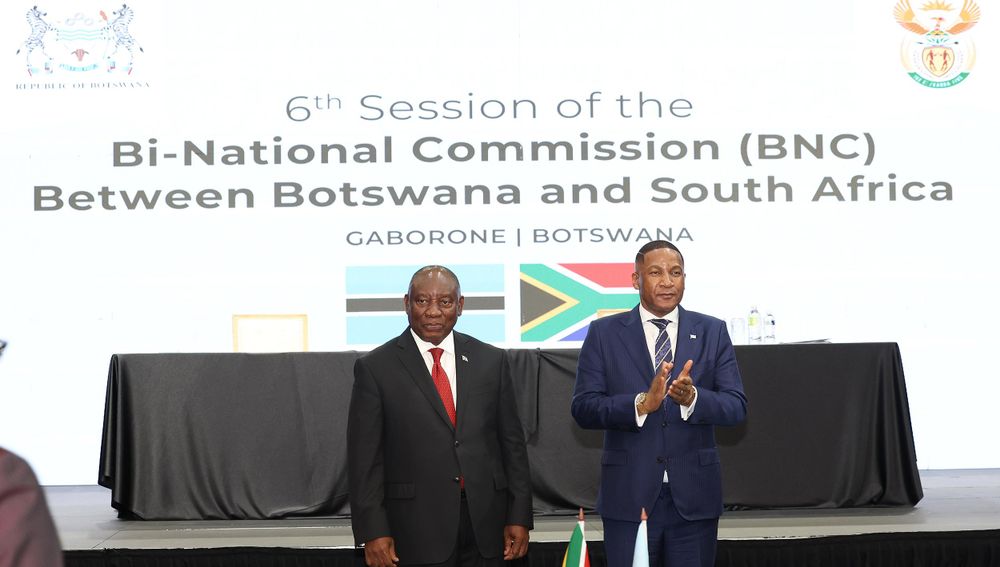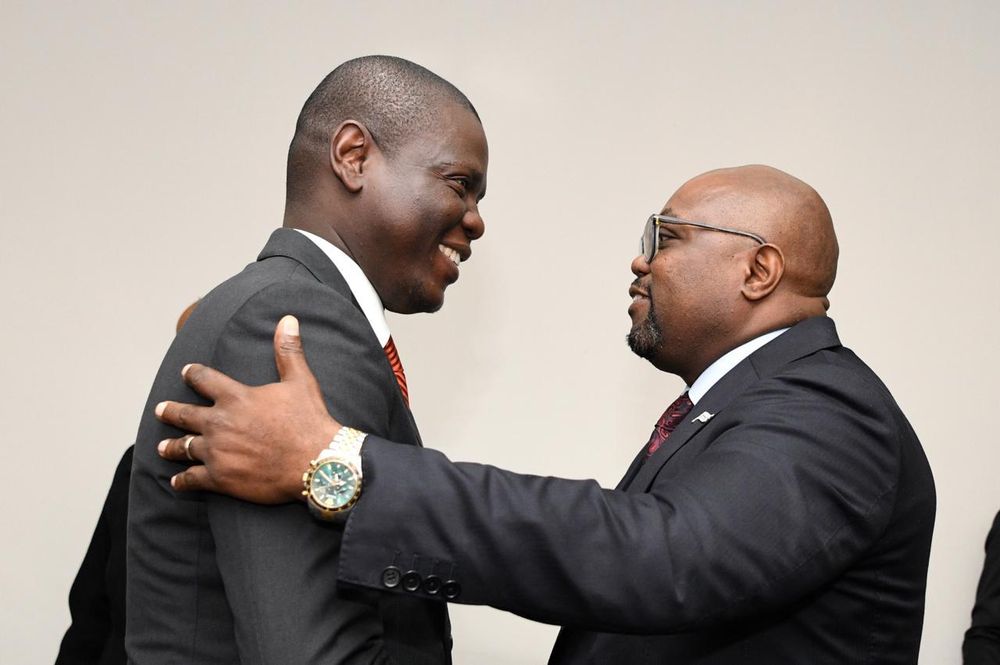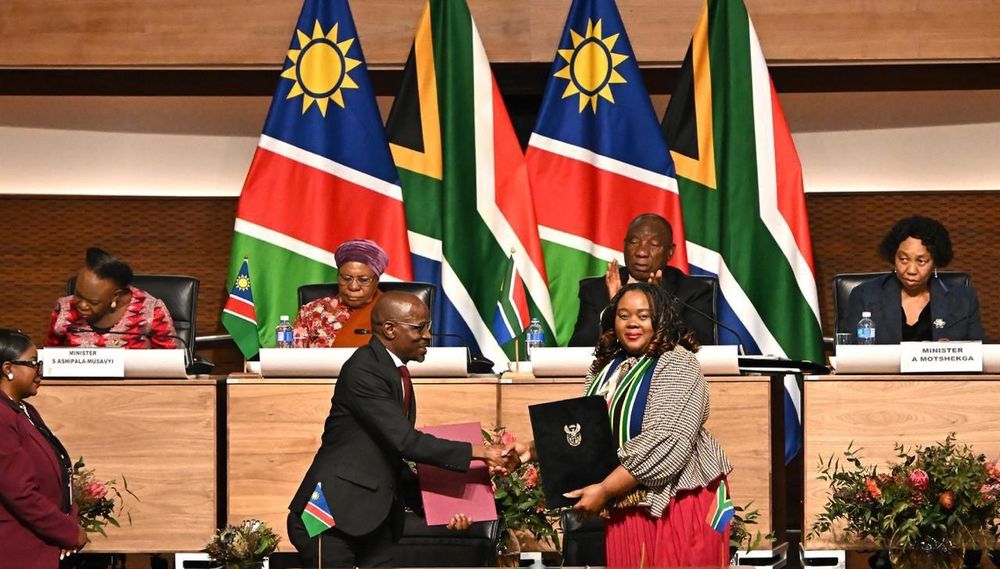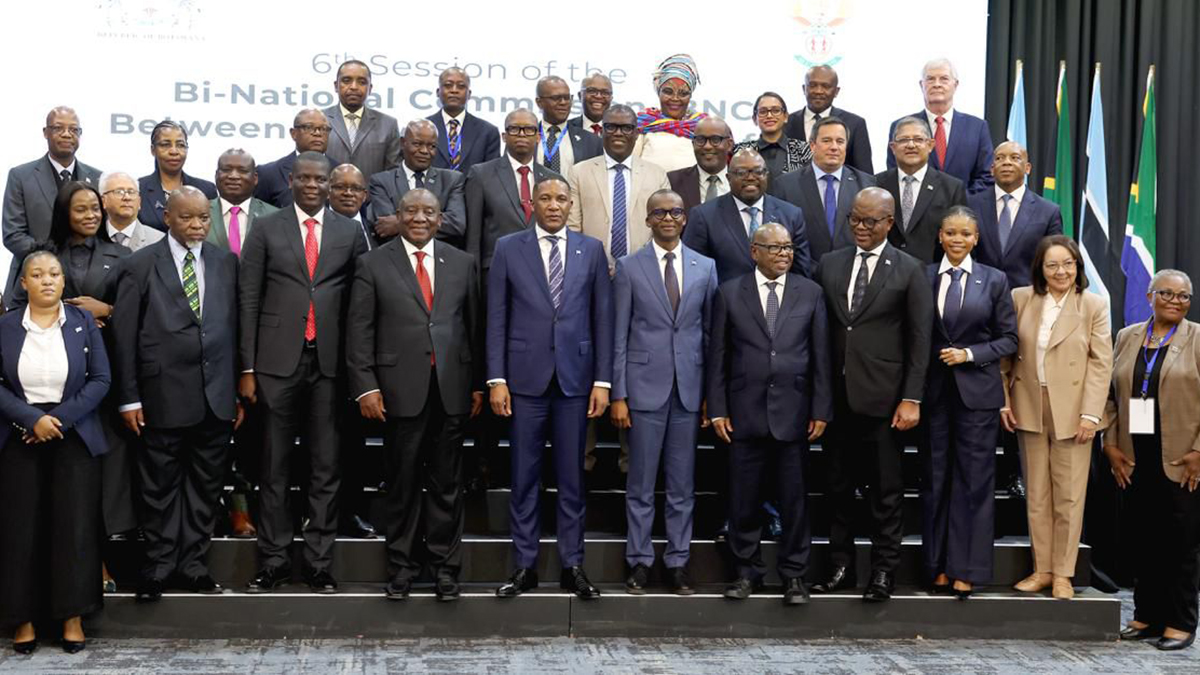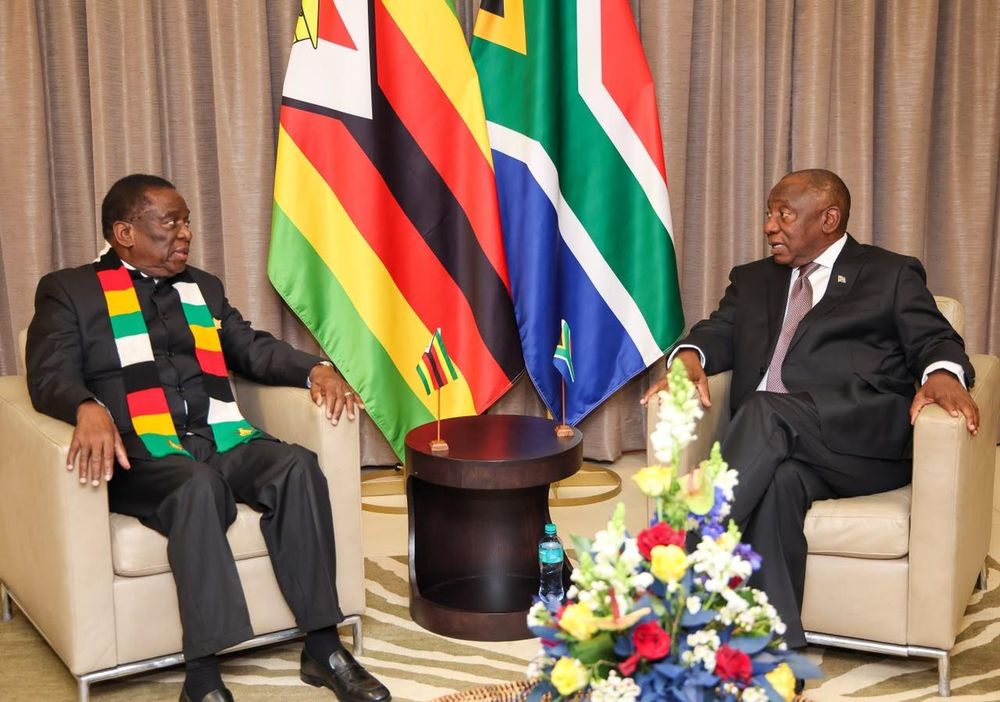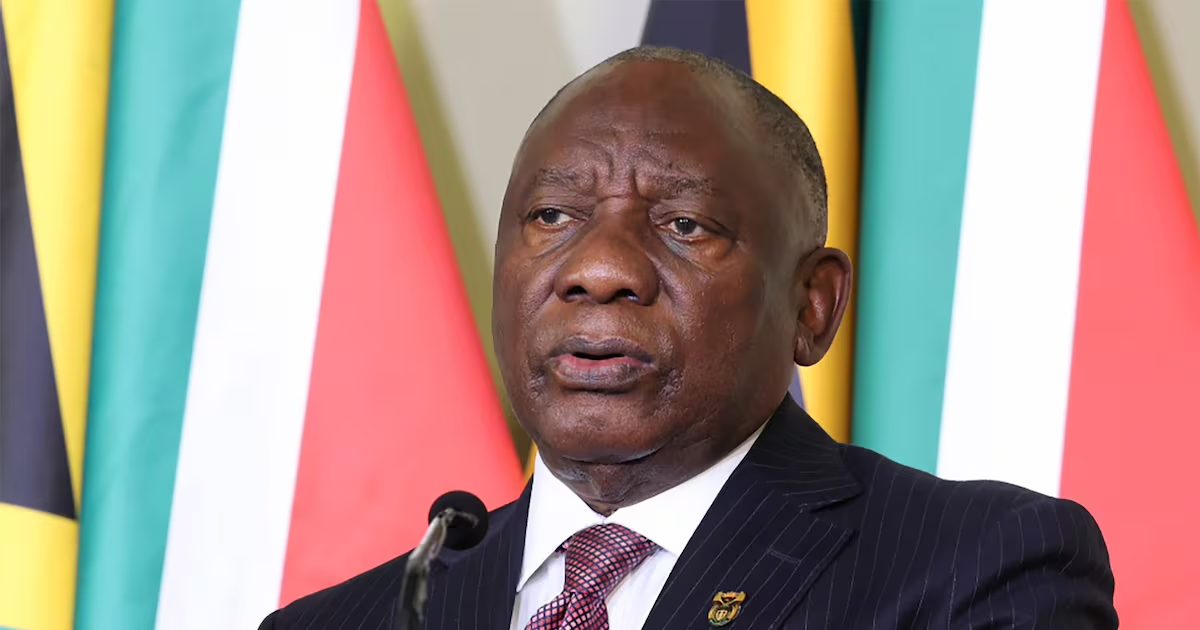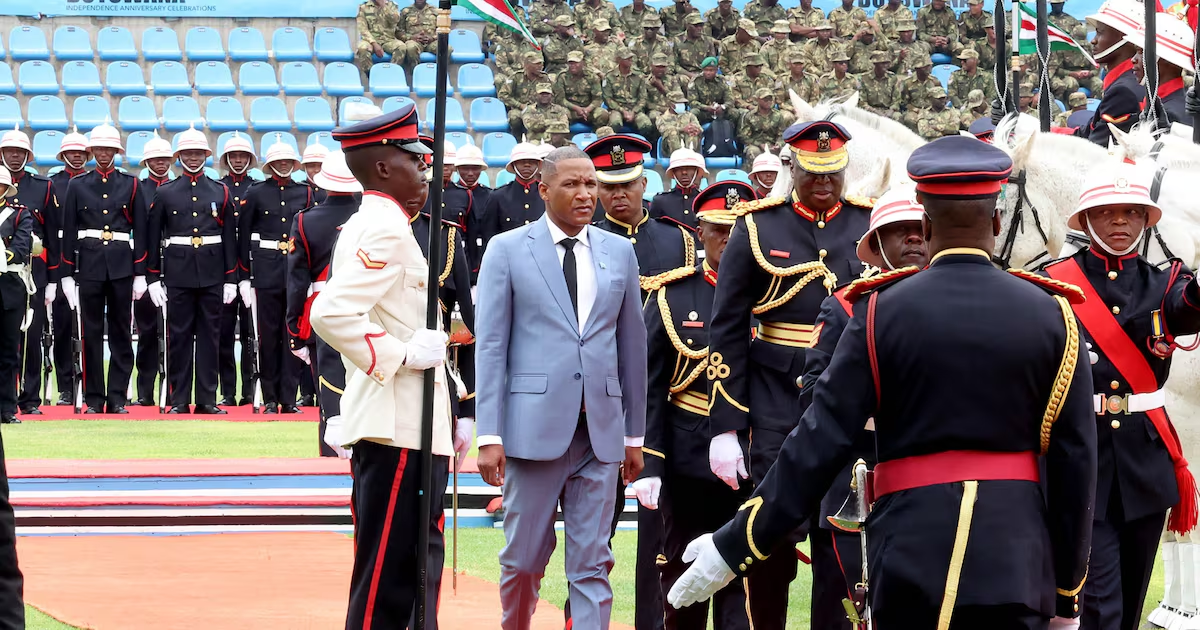
It is no secret that in recent years the relationship between Botswana and South Africa has been in need of renewal. The peoples of our two great nations share deep affinities, and our trade links are enduring — though in recent years our political relations have helped neither. Today, Botswana welcomes President Cyril Ramaphosa to our country, following my visit to Pretoria in April. Together we are defining a new bilateral relationship for our nations for the complex world outlook we face, shorn of past impediments and fit for modern times.An example of this newly reforged relationship can be seen in Botswana’s approach towards fresh produce imports. Shortly after my inauguration in late 2024, we moved to gradually lift Botswana’s vegetable import ban.In the past the ebbs and flows of our countries’ relations were sometimes unhelpful, and often political. My administration’s approach is guided by pragmatism, cordiality and economic partnership. My principal priority will always be Batswana producers — the job creators and livelihood makers of our lands. Our secondary priority is Batswana consumers, who, if they cannot be supplied by domestic production, should not be denied good produce because of politics. That means there will always be a crucial place in our economy for suppliers from neighbourly South Africa, even should their supply sometimes be required more and other times less.We must move beyond narrowly seeing domestic production and imports in opposition and instead seek out opportunities to build regional value chains — buying from one another, producing together and sharing in the proceeds of exports beyond our borders.Under my leadership Botswana wishes to be a friendly neighbour and steadfast partner, and we remain cognisant that when Botswana accounts for 15% of all South Africa’s total vegetable exports, we support jobs across the border. To paraphrase an old proverb, my landlocked country is not an island: a successful South African economy will reflect well on her neighbours’ economies too.We must move beyond narrowly seeing domestic production and imports in opposition and instead seek out opportunities to build regional value chains — buying from one another, producing together and sharing in the proceeds of exports beyond our borders.This of course works both ways, and I have said to President Ramaphosa directly that the South African market should be accessible for Batswana goods in the same way we have South African goods retailing in Botswana. Consumers here should be able to walk into outlets and find products from Botswana and other parts of Africa.That is the Africa we want, and during President Ramaphosa’s visit to Gaborone for the Sixth South Africa-Botswana Binational Commission we will discuss how to deepen accessibility in trade. While there are many, there are three priority opportunities that would evidently benefit both our nations.First, we will focus on trade normalisation and the boosting of trade, including where combined activities help both our countries to thrive and industrialise. As a most straightforward of examples, access to ports. South Africa helps landlocked Botswana thrive, and here the recent reforms to Transnet help not only your country gain, but also ours. We should now raise our horizons to more sophisticated collaboration. For example, Botswana mines soda ash while South Africa produces lithium. When combined they produce the lithium carbonate used in batteries. Instead of exporting these commodities separately to be exploited outside our continent, through partnership we can industrialise our own region. Such a future demands friendly and warm relationships at the highest levels of our respective governments, enabling deeper commercial partnerships to deliver our economic promise.Second, our nations stand to benefit through broader energy co-operation. We have recently concluded an agreement that addresses power shortages in Botswana, which departs from buying from Eskom at emergency prices to a more settled scale. This brings predictability and the confidence we need to seek co-operation more broadly across the energy sector. We should now raise our horizons to more sophisticated collaboration. For example, Botswana mines soda ash while South Africa produces lithium. When combined they produce the lithium carbonate used in batteries. Instead of exporting these commodities separately to be exploited outside our continent, through partnership we can industrialise our own region. I have already discussed with President Ramaphosa joint opportunities in renewable energy, such as through the manufacturing of photovoltaic panels. Botswana is working on investing in large-scale solar and nuclear energy that will make us a net electricity exporter. The reforms to Eskom through unbundling, market liberalisation and the creation of an independent transmission system operator means that South Africa can play her full part in this, and not just as a future customer but as an industrial partner in building and servicing the equipment to harness that power.Third, we should further leverage the Trans Kalahari Corridor, not only to foster more frictionless trade but as a mechanism for protecting each other through enhanced border security, and action on poaching and foot-and-mouth disease (FMD) control.Since the outbreak in South Africa the country has acquired, monitored and administered 2-million vaccines supplied through the Botswana Vaccine Institute. Joint action on FMD affecting multiple southern African countries can only succeed through augmented co-operation on borders, movement and vaccines.President Ramaphosa has called Botswana “our sister nation”, and our relationship “a fraternal partnership”. I concur. Brothers and sisters have their ups and downs — all families know that, but the best of us devote time to talking through difficulties and hearing each other’s point of view. We will do that in Gaborone this week, with the knowledge that working together holds the best chance to better the lives and futures of both our peoples.• Boko is president of the Republic of Botswana.
DUMA BOKO | Botswana-SA relations improving to meet the challenges of our times
Leaders pursue trade normalisation and industrial collaboration to boost regional growth
937 words~4 min read