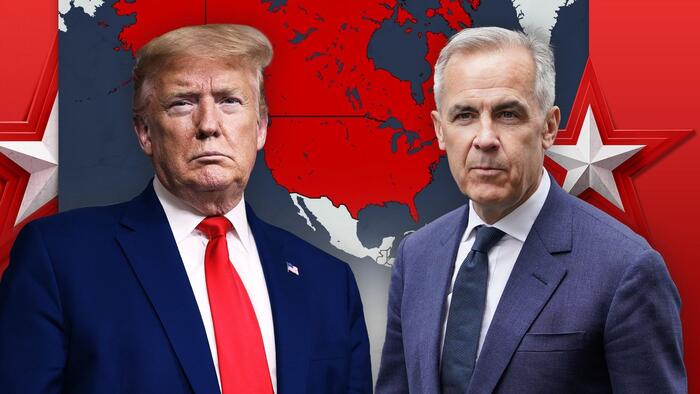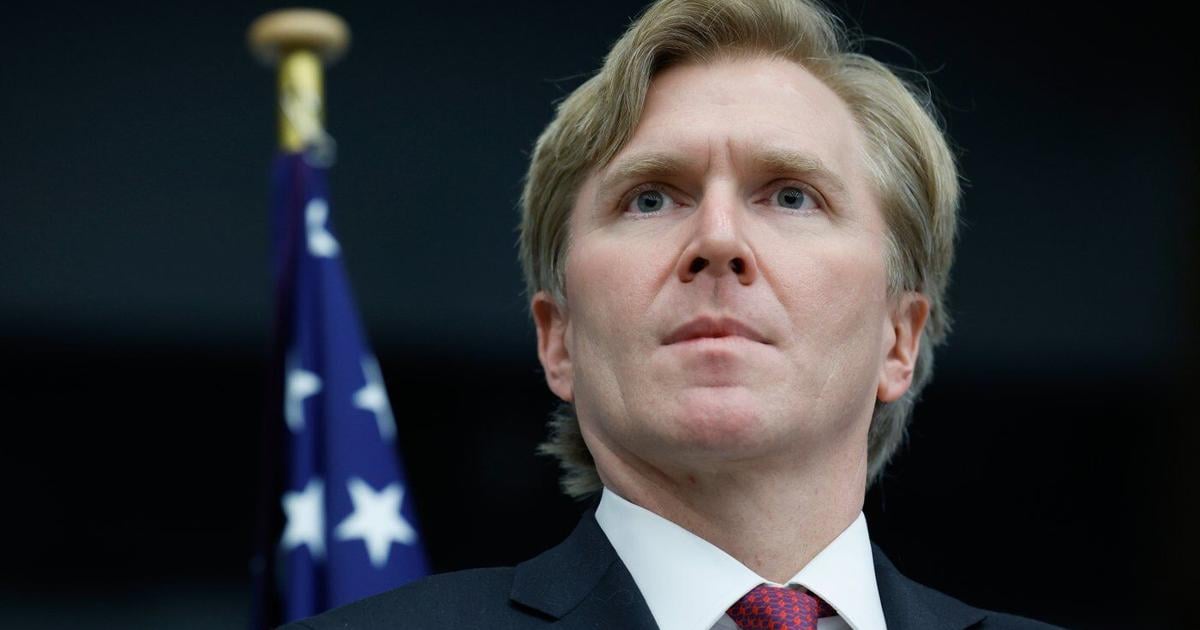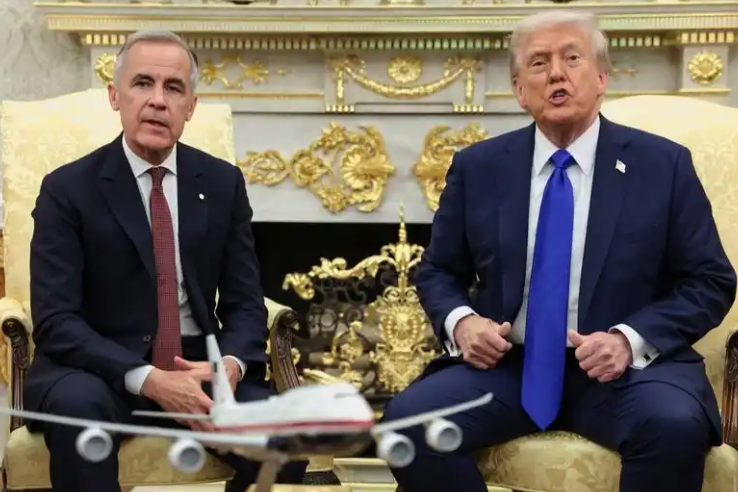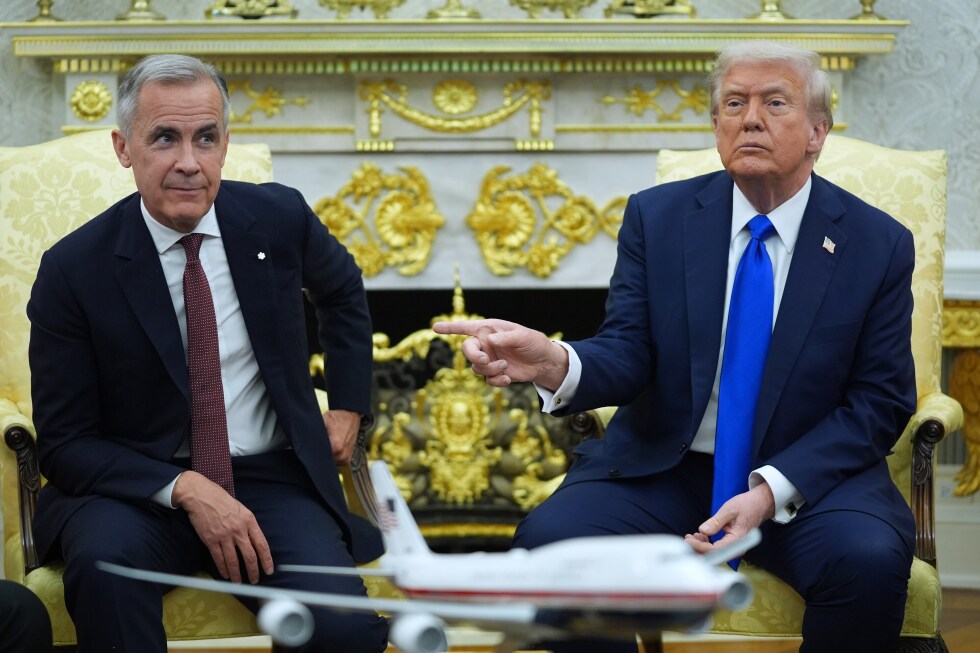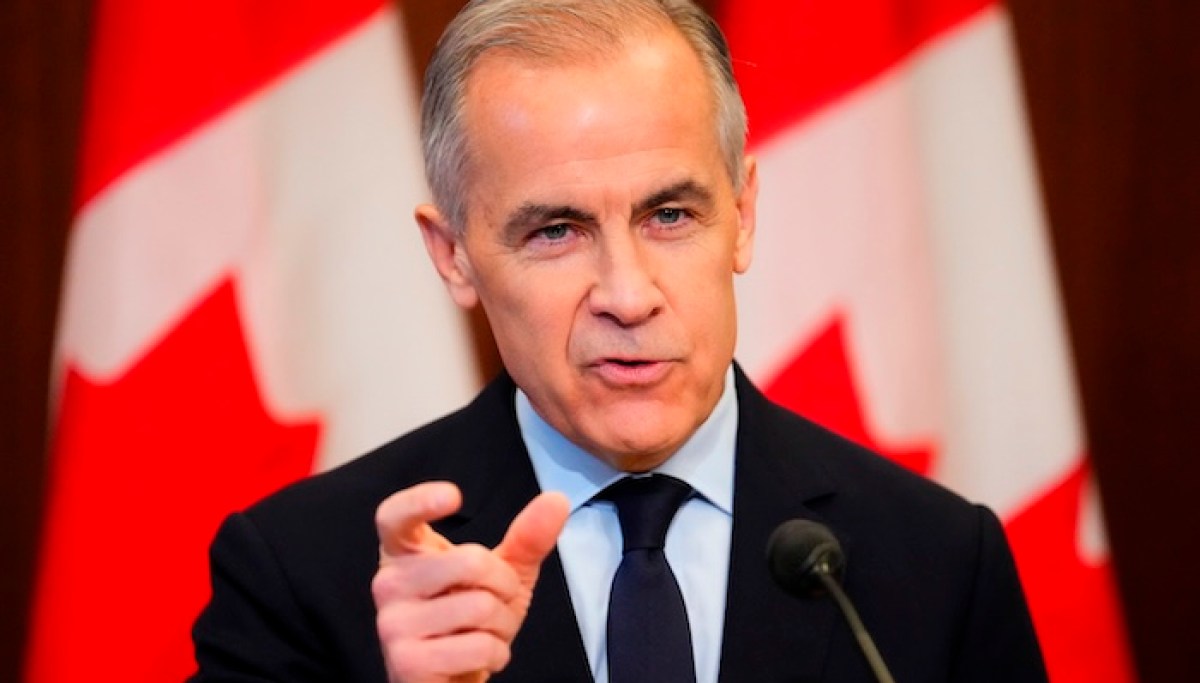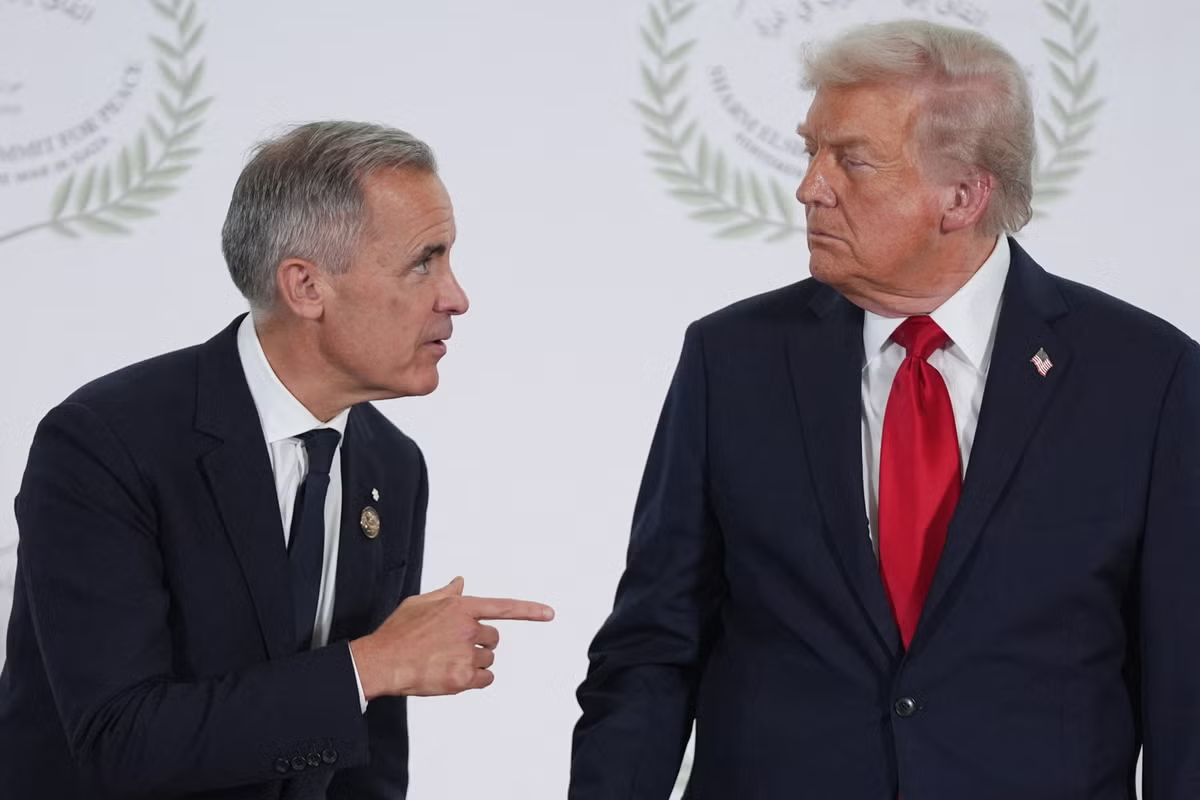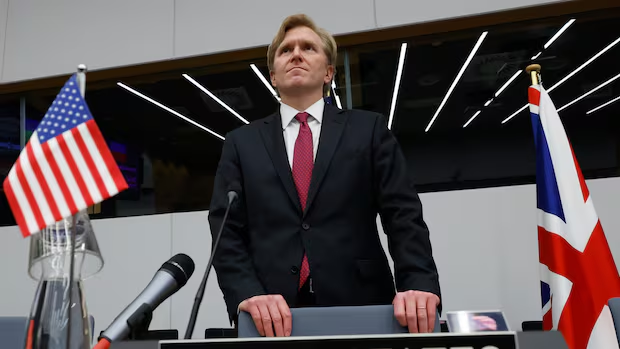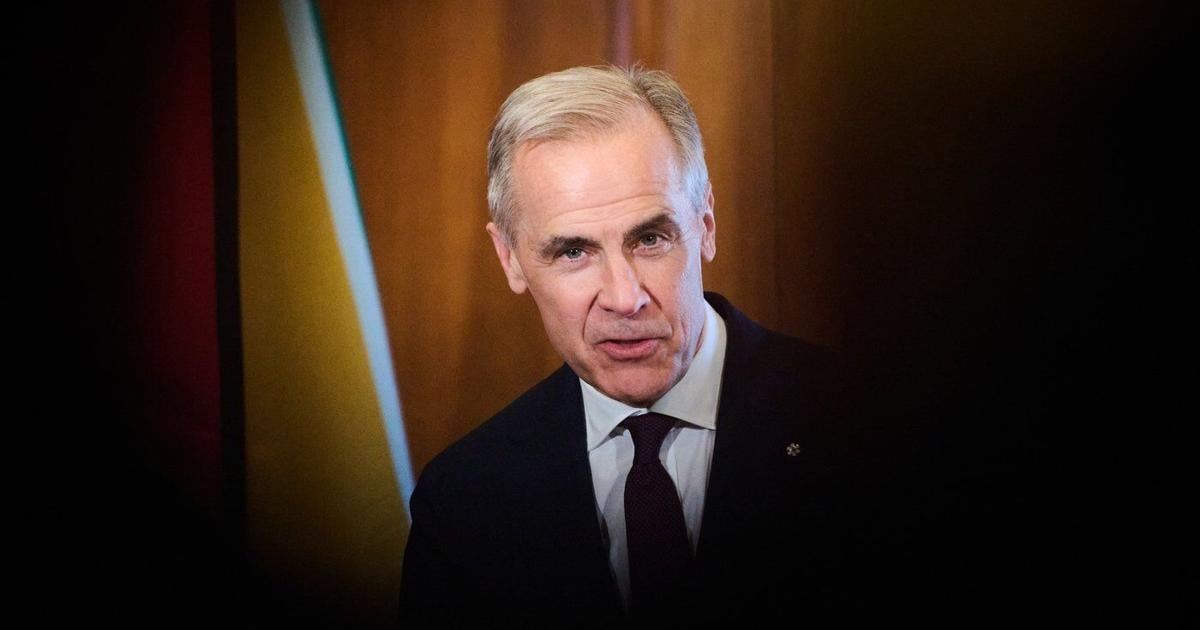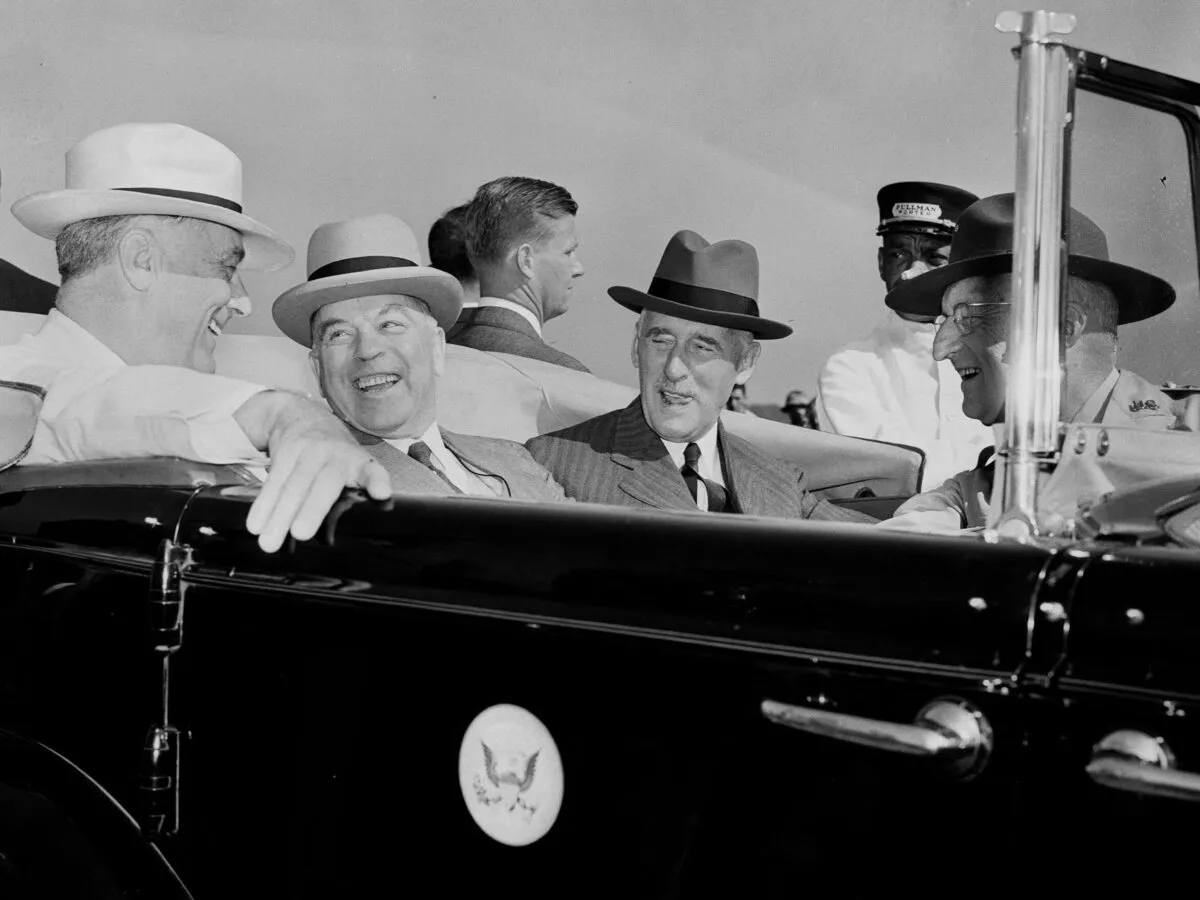
Skip to Content Subscribe Our Offers My Account Manage My Subscriptions FAQ Newsletters Canada Canadian True Crime Canadian Politics Health World Israel & Middle East Financial Post NP Comment Longreads Puzzmo Diversions Comics NP News Quiz New York Times Crossword Horoscopes Life Eating & Drinking Style Sponsored Play for Ontario Travel Travel Canada Travel USA Travel International Cruises Travel Essentials Culture Books Celebrity Movies Music Theatre Television Business Essentials Advice Lives Told Tails Told Shopping Buy Canadian Home Living Outdoor Living Tech Style & Beauty Kitchen & Dining Personal Care Entertainment & Hobbies Gift Guide Travel Guide Deals Savings National Post Store More Sports Hockey Baseball Basketball Football Soccer Golf Tennis Driving Vehicle Research Reviews News Gear Guide Obituaries Place an Obituary Place an In Memoriam Classifieds Place an Ad Celebrations Working Business Ads Archives Healthing Epaper Manage Print Subscription Profile Settings My Subscriptions Saved Articles My Offers Newsletters Customer Service FAQ Newsletters Canada World Financial Post NP Comment Longreads Puzzmo Diversions Life Shopping Epaper Manage Print Subscription HomeNewsCanadaWhy is the U.S. blaming Canada for the suspension of the Permanent Joint Board on Defence?Academic calls it a reality check. 'You have a prime minister who travels all over the world, makes these grand promises, but promises are not policy'Last updated 9 hours ago You can save this article by registering for free here. Or sign-in if you have an account.From left, U.S. President Franklin D. Roosevelt, Prime Minister William Lyon Mackenzie King, U.S. Secretary of War Henry Stimson, and Lt. Gen. Hugh Drum, in command of the First Army manoeuvres, are shown near the U.S.-Canada border during inspection, Aug. 18, 1940. Photo by FileThe United States says it is “pausing” its participation in the U.S.-Canada Permanent Joint Board on Defence “to reassess how this forum benefits shared North American defence.” Here’s what to know.Enjoy the latest local, national and international news.Exclusive articles by Conrad Black, Barbara Kay and others. Plus, special edition NP Platformed and First Reading newsletters and virtual events.Unlimited online access to National Post.National Post ePaper, an electronic replica of the print edition to view on any device, share and comment on.Daily puzzles including the New York Times Crossword.Support local journalism.Enjoy the latest local, national and international news.Exclusive articles by Conrad Black, Barbara Kay and others. Plus, special edition NP Platformed and First Reading newsletters and virtual events.Unlimited online access to National Post.National Post ePaper, an electronic replica of the print edition to view on any device, share and comment on.Daily puzzles including the New York Times Crossword.Support local journalism.Create an account or sign in to continue with your reading experience.Access articles from across Canada with one account.Share your thoughts and join the conversation in the comments.Enjoy additional articles per month.Get email updates from your favourite authors.Create an account or sign in to continue with your reading experience.Access articles from across Canada with one accountShare your thoughts and join the conversation in the commentsEnjoy additional articles per monthGet email updates from your favourite authorsSign In or Create an AccountorThe Permanent Joint Board on Defence (PJBD) is the senior advisory body on continental defence. Composed of military and diplomatic representatives from both nations, it meets twice a year with locations alternating between Canada and the U.S.Meetings are co-chaired by a Canadian and an American civilian, with military and civilian representatives of the U.S. Defense and State Departments, Canada’s Department of National Defence and the Department of Foreign Affairs and International Trade, among others.Get a dash of perspective along with the trending news of the day in a very readable format.By signing up you consent to receive the above newsletter from Postmedia Network Inc.A welcome email is on its way. If you don't see it, please check your junk folder.The next issue of NP Posted will soon be in your inbox.We encountered an issue signing you up. Please try againThe PJBD was established on Aug. 17, 1940, as part of the Ogdensburg Agreement between prime minister William Lyon Mackenzie King and president Franklin D. Roosevelt. This was during the Second World War, although the U.S. would not join that conflict for another 16 months, following Japan’s attack on Pearl Harbor. U.S. Under Secretary of Defense for Policy Elbridge Colby looks on as he arrives with others to address the media during a defence ministers meeting of The North Atlantic Treaty Organization (NATO) at NATO Headquarters in Brussels on Feb. 12. 2026. Photo by JOHN THYS /AFP via Getty ImagesAccording to a statement on Monday by Elbridge Colby, who assumed the U.S. office of under secretary of defence for policy last month: “A strong Canada that prioritizes hard power over rhetoric benefits us all. Unfortunately, Canada has failed to make credible progress on its defense commitments.”He added: “We can no longer avoid the gaps between rhetoric and reality. Real powers must sustain our rhetoric with shared defense and security responsibilities.”He linked this remark to the transcript of a speech made by Prime Minister Mark Carney in Davis, Switzerland, this year in which he discussed the place of “middle powers” in the world and said: “If we’re not at the table, we’re on the menu.”Trump reacted by sharply criticizing Carney, stating that “Canada lives because of the United States” and that Canadians should be more grateful. Prime Minister Mark Carney and U.S. President Donald Trump arrive for a family photo during the Group of Seven (G7) Summit at the Kananaskis Country Golf Course in Kananaskis, Alberta, on June 16, 2025. Photo by BRENDAN SMIALOWSKI /AFP via Getty ImagesTimothy Sayle, a professor at the Munk School of Global Affairs and Public Policy at the University of Toronto, told National Post in an interview that the PJBD “was created at a time when the future of Britain’s place in the world was uncertain, and from the real recognition and realization by both Roosevelt and King that the Canadians and Americans needed to work together and formalize their relationship.”He added: “Throughout the war this was a really important body for coordinating all sorts of aspects of wartime production, but especially defence issues, and why this matters so much for Canada is that it provided a formal body through which American requests needed to be made and then to be taken from the Canadian representatives on that board back to the government in Ottawa.”According to a background document from the Department of National Defence, the PJBD continued to serve as a strategic-level board charged with considering land, sea, air and space issues, including personnel and materiel required in defence of the northern half of the Western Hemisphere.This has included construction of the Distant Early Warning Line, the North American Air (later Aerospace) Defence command in 1958, the underwater acoustic surveillance system and the North American Air Defence Modernization program in 1985.“The scope of the PJBD’s work also encompasses policy, operations, financial, logistics and other aspects of Canada-U.S. defence relations,” the document states. “Bilateral defence recommendations are forwarded to respective Heads of Government or appropriate officials for consideration.”According to a Defence Department document, the 242nd meeting of the PJBD took place on Nov. 13, 2024, in Ottawa. It was co-chaired by MP John McKay and by Rebecca Zimmerman, the U.S. Acting Assistant Secretary of Defense for Homeland Defense and Hemispheric Affairs.Topics included NORAD modernization implementation, Arctic security, climate change, defence cooperation in the Indo-Pacific, Latin America and the Caribbean, and critical minerals.The board has not met in the past 18 months, a time period which coincides with Donald Trump’s second term as U.S. president. Trump has been critical of spending by Canada and other NATO members and U.S. allies on defence.We can no longer avoid the gaps between rhetoric and reality. Real powers must sustain our rhetoric with shared defense and security responsibilities. 2/3 https://t.co/qpQ2guTwW8— Under Secretary of War Elbridge Colby (@USWPColby) May 18, 2026In a statement on Monday, Defence Minister David McGuinty said: “Canada and the U.S. have a long history of robust co-operation and collaboration on continental defence.” He added: “Canada will work with trusted partners who are ready to work with us, always remaining ready to come to the table for constructive discussions about the best ways to strengthen mutual defence and security.”Artur Wilczynski, a former Canadian diplomat who sat on the PJBD when he was Director General of International Affairs at Public Safety Canada, said on X: “The lack of joint coordination will affect the U.S. too. Bizarre decision by the Trump regime.” Artur Wilczynski in the Byward Market area of downtown Ottawa on Aug. 22, 2024. Photo by Bryan Passifiume /PostmediaSayle echoed that sentiment. He said the necessity of the PJBD has waxed and waned since the end of the Cold War, but added: “If Canada and the U.S. are going to go forward to meet these geopolitical threats today, if they’re going to work on ballistic missile defence together, if they’re going to think about the future of NORAD together, this would be a key body to that.“So it would seem like this is a body that could be very important right now, but obviously the Trump people are going in totally the opposite direction and suspending it.”He noted that Canada had recently announced it had met its NATO defence spending target.“And that’s what makes me wonder if this really isn’t about defence at all. The Elbridge Colby announcement about Canada not spending on defence just seems out of place. Maybe it would have made sense a year or two ago, but with what Canada’s doing, it just doesn’t make sense. It reminds me of the fentanyl excuse for the tariffs. I think there’s something else going on here.”But Aurel Braun, a professor of international relations and political science at the University of Toronto, disagreed.I sat on the PJBD when I was Director General of International Affairs at Public Safety Canada. I remember a visit to Colorado Springs for talks. The lack of joint coordination will affect the US too. Bizarre decision by the Trump regime. https://t.co/xk8U770vqK— Artur Wilczynski (@Arturmaks) May 18, 2026“The person who made the statement here is not Donald Trump, not somebody just shooting off the handle, not someone who is uninformed,” he told National Post. “This is a person who is not only highly educated but also has focused on the details of defence spending.”He added: “What Eldridge Colby (is) saying is: This is a reality check, Canada. You have a prime minister who travels all over the world, makes these grand promises, but promises are not policy. Promises are not impressing Russia, they’re not impressing China.”He noted that Canada’s boost in defence spending included increases in salaries and pensions, “which our armed forces certainly deserved, but that doesn’t put any tanks out or aircraft or submarines. And what does the rest consist of? Promises promises promises.”He concluded, referencing Carney’s remarks about being at the table: “Canada’s not bringing enough to the table, not just in order to satisfy the United States, we are not bringing enough to the table in terms of our defence capacity.”Our website is the place for the latest breaking news, exclusive scoops, longreads and provocative commentary. Please bookmark nationalpost.com and sign up for our daily newsletter, Posted, here. Join the Conversation This website uses cookies to personalize your content (including ads), and allows us to analyze our traffic. Read more about cookies here. By continuing to use our site, you agree to our Terms of Use and Privacy Policy.
Why is the U.S. blaming Canada for the suspension of the Permanent Joint Board on Defence?
The Canada-U.S. collaboration was born out of a wartime need in 1940, but the U.S. remains critical of Canada's defence spending
1,897 words~9 min read