(Image credit: Samsung)
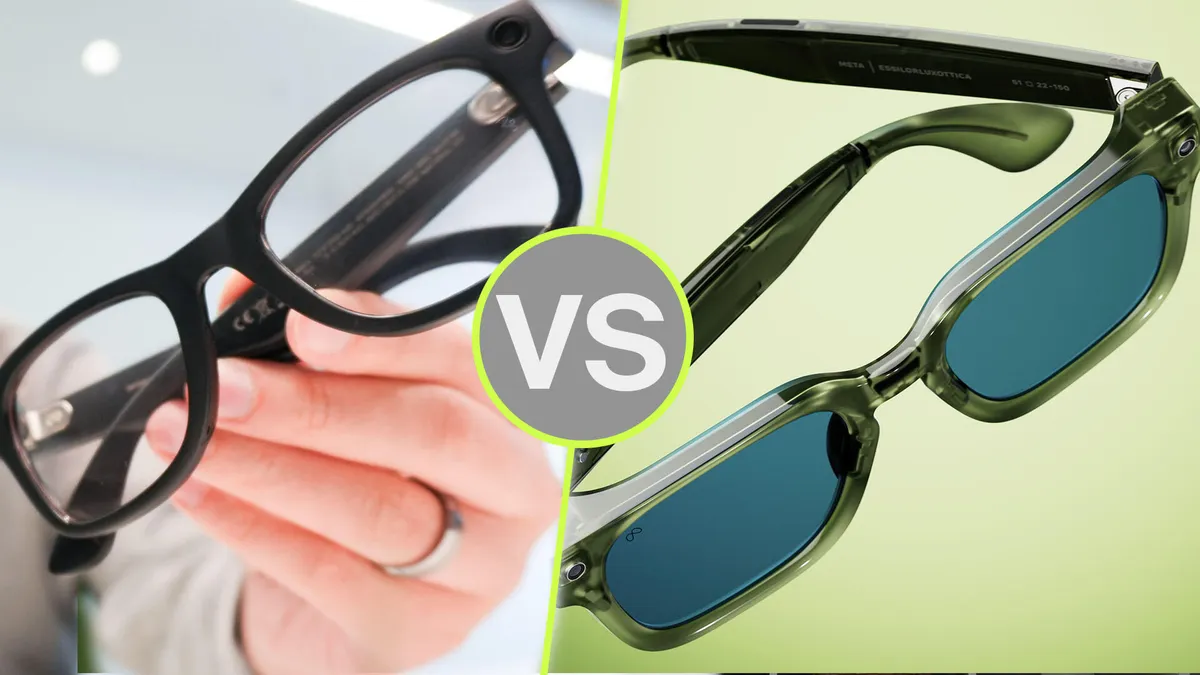
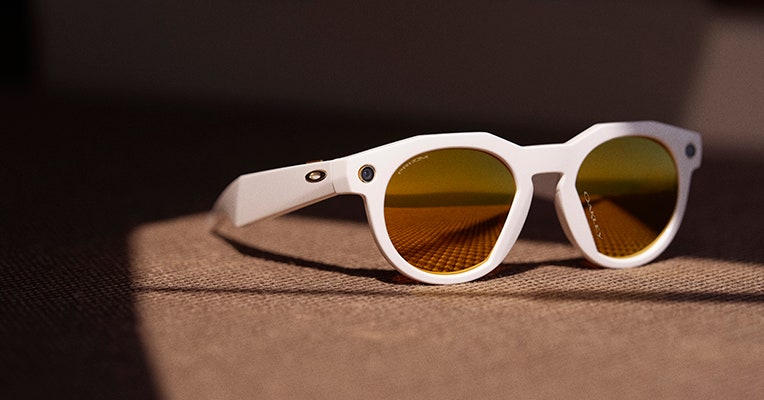
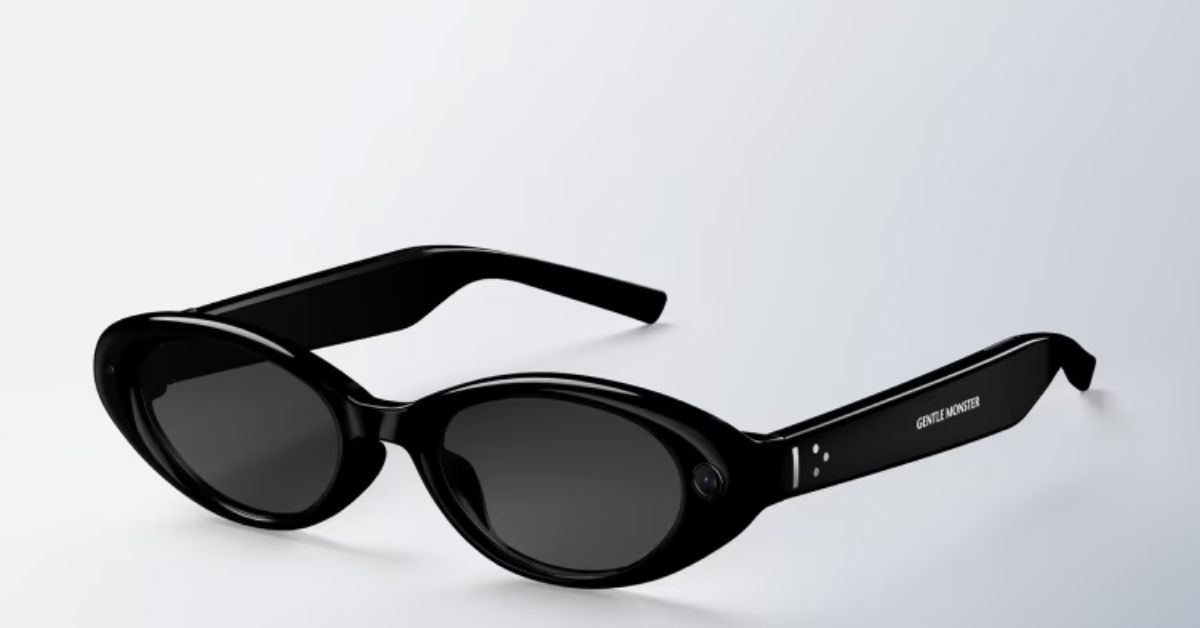
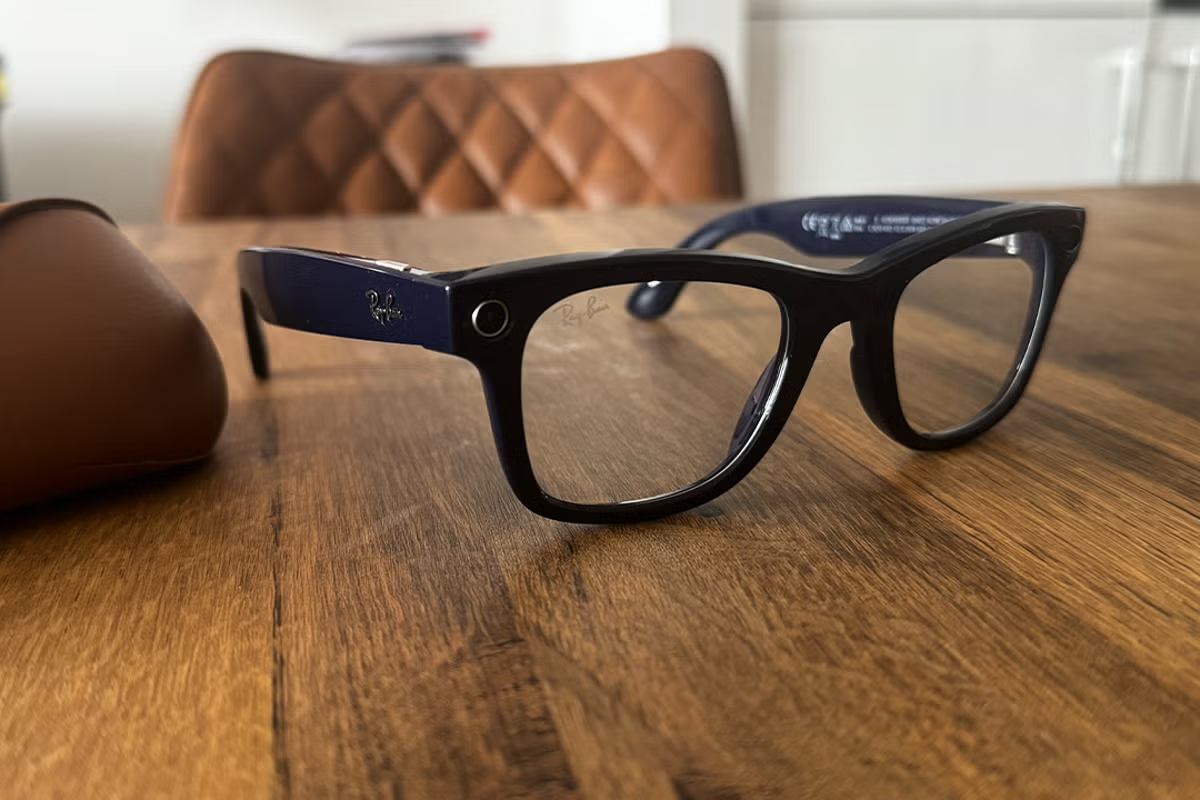
I've been using the Ray-Ban Metas, the Meta Ray-Ban Display and the Oakley Meta Vanguard for the better part of a year, and they've proven to be some of the most capable and best smart glasses around. I've found them exceptionally handy for taking pictures and video on the go, listening to music, keeping tabs on conversations, and finding out general info about things that are in front of me.However, at Google I/O 2026, Google finally revealed Google Glass 2.0 its Intelligent Eyewear, which are due out this fall. Although the introduction was brief, what I saw impressed me in a few ways — most notably, the things they offer that Meta's smart glasses do not.Fortunately for Meta, it has a few months to improve its own products — which no doubt we'll see at Meta Connect 26 in September. Here are the three big things that Meta will need to add to keep up with Google.Maps and directions
(Image credit: Tom's Guide)Apart from search, one of Google's biggest assets is Google Maps, so it's no surprise that turn-by-turn directions are one of the features included in its eyewear. Not only that, but Gemini will also be able to add stops to your route as you go.Currently, only the Meta Ray-Ban Displays provide native navigation, and it's only recently been updated to include the entire U.S., and a few cities abroad, such as London, Paris, and Rome. And, they're only walking directions.This is something that's going to have to get a lot more comprehensive, and also become available on all of its smart glasses.Taking (and editing) photos