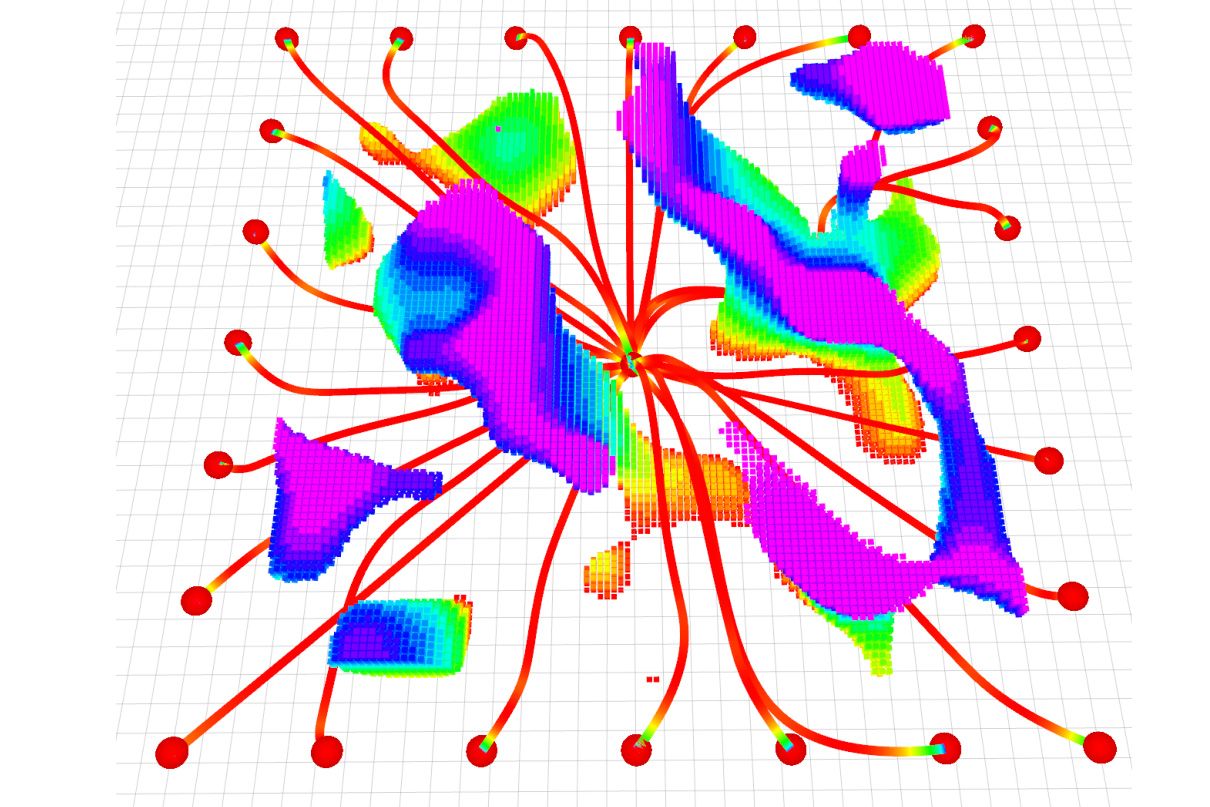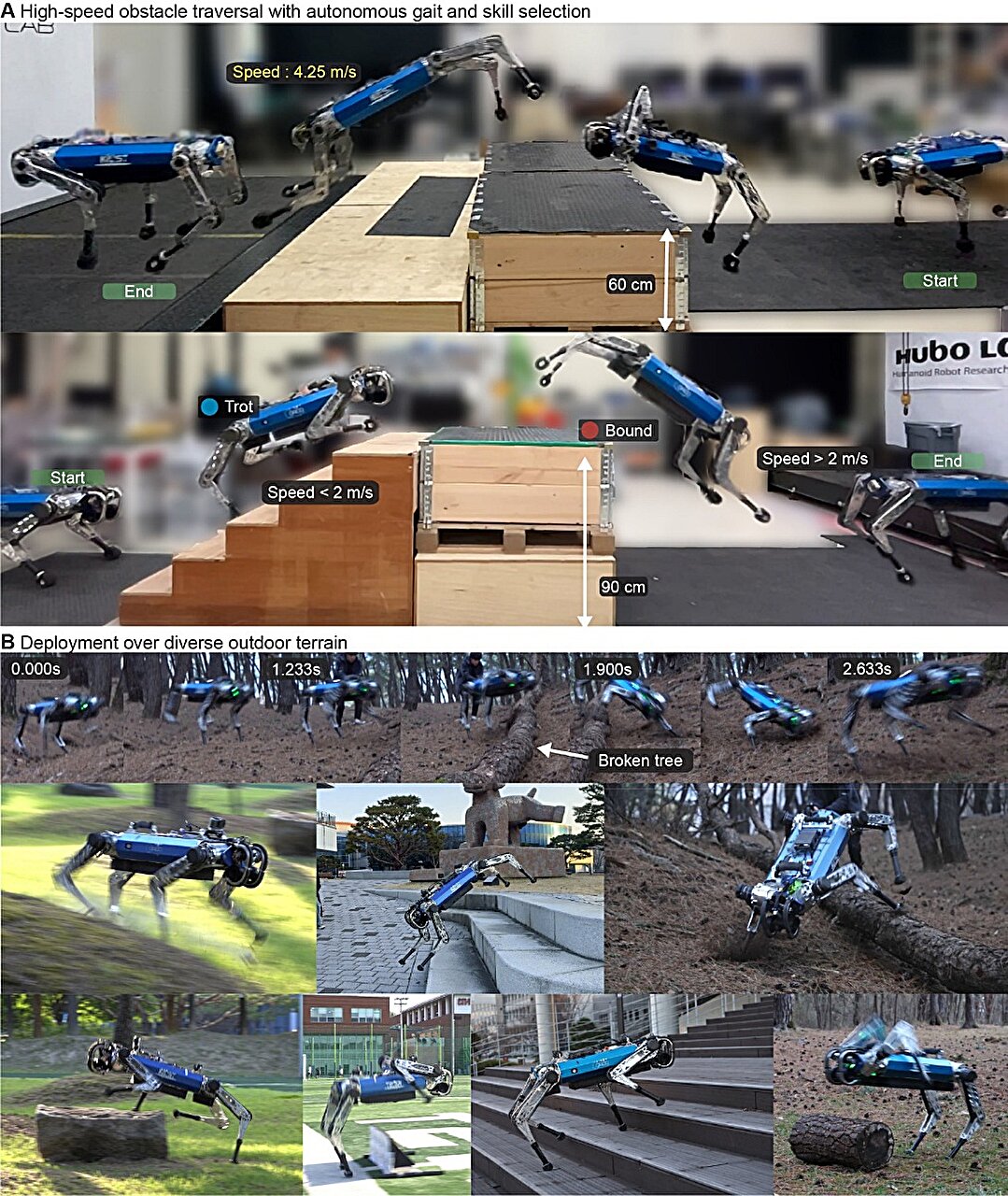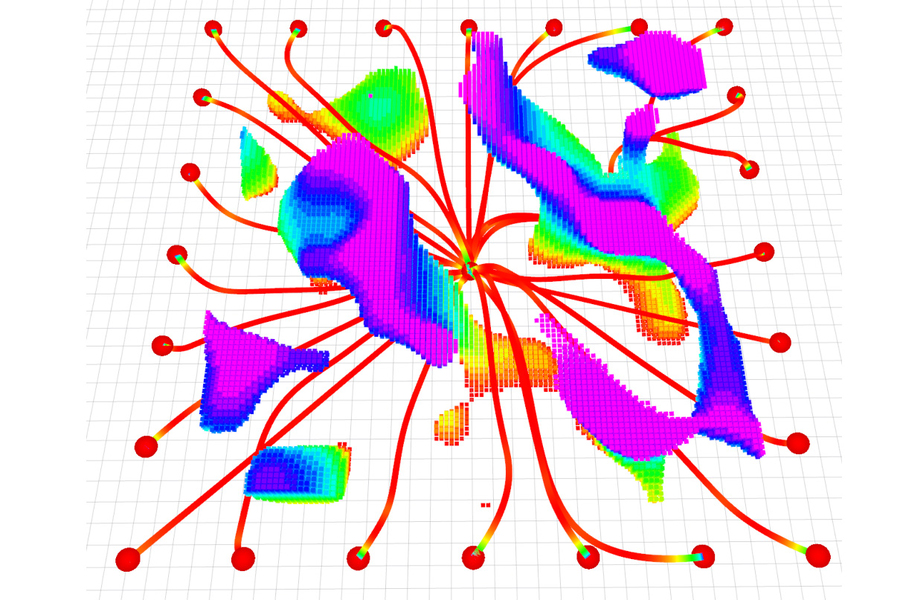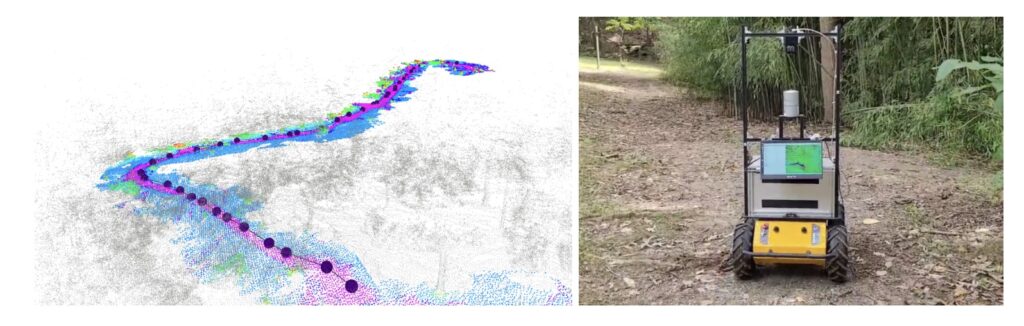
If you’ve ever gone hiking, you know trails can be challenging and unpredictable. A path that was clear last week might be blocked today by a fallen tree. Poor maintenance, exposed roots, loose rocks, and uneven ground further complicate the terrain, making trails difficult for a robot to navigate autonomously. After a storm, puddles can form, mud can shift, and erosion can reshape the landscape. This was the fundamental challenge in our work: how can a robot perceive, plan, and adapt in real time to safely navigate hiking trails?
Autonomous trail navigation is not just a fun robotics problem; it has potential for real-world impact. In the United States alone, there are over 193,500 miles of trails on federal lands, with many more managed by state and local agencies. Millions of people hike these trails every year.
Robots capable of navigating trails could help with:
Trail monitoring and maintenance
Environmental data collection