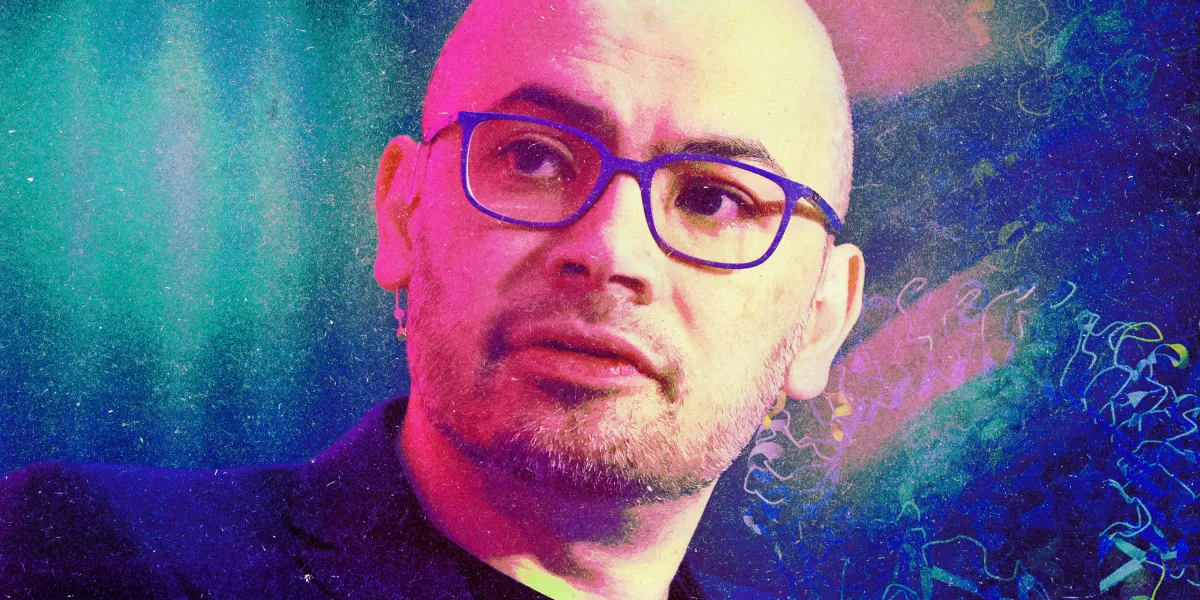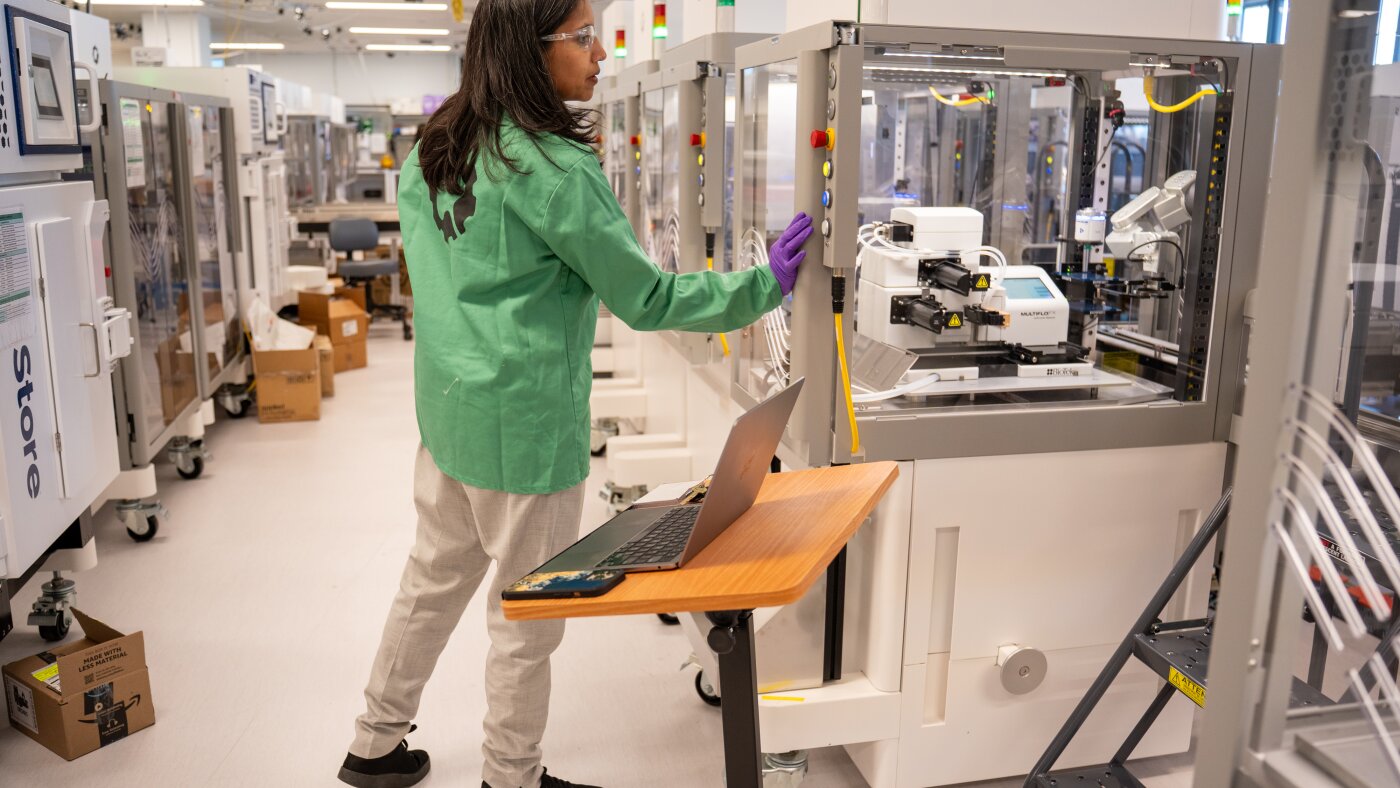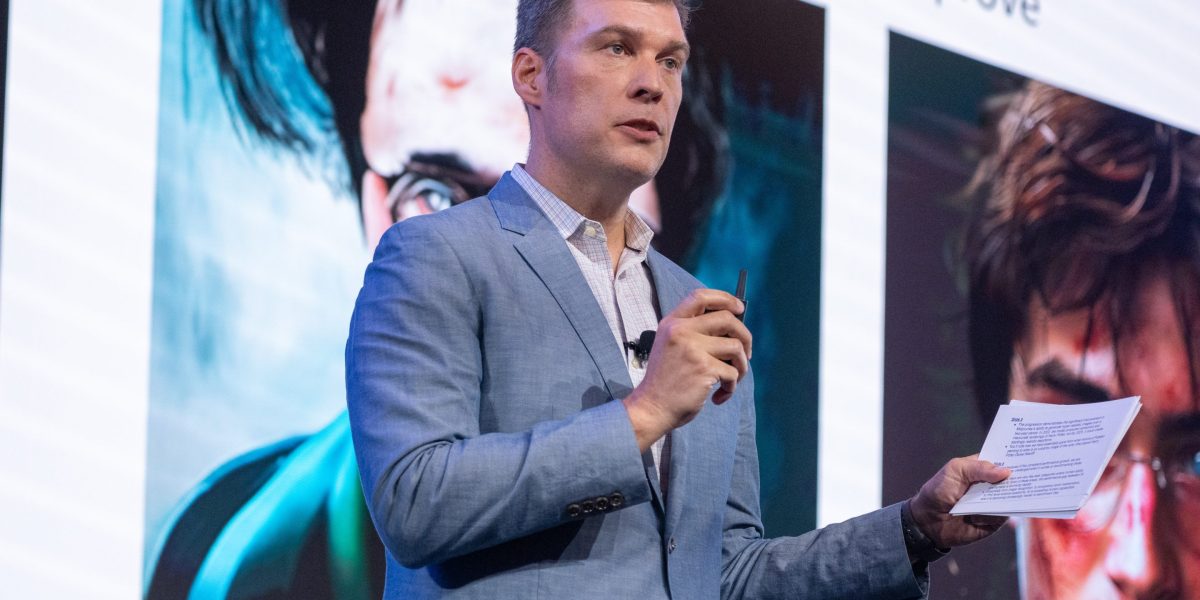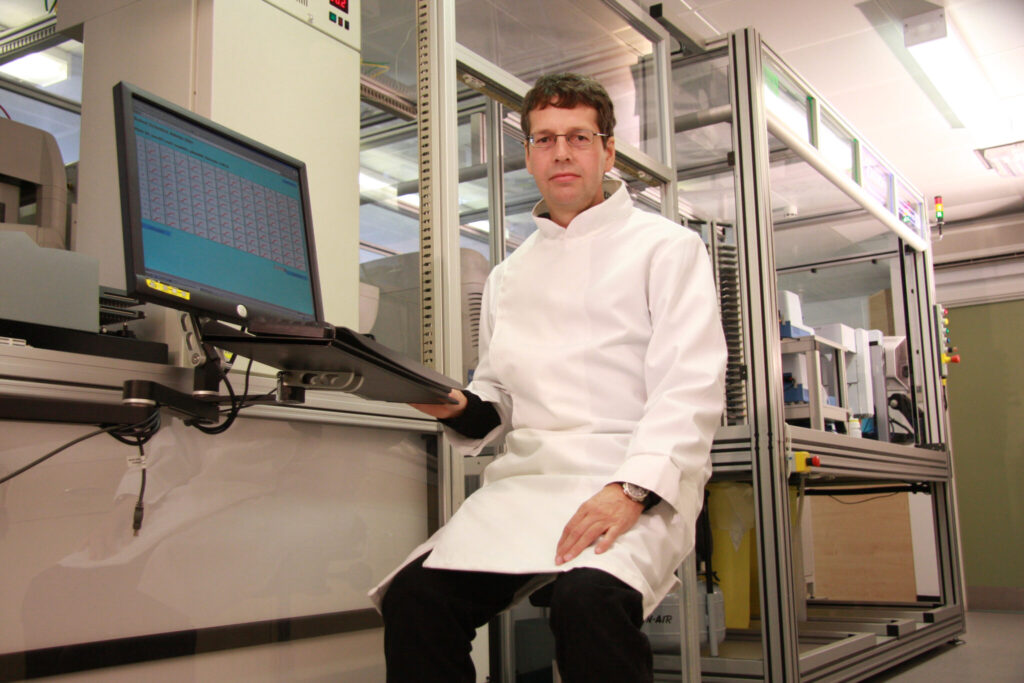
AIhub is excited to launch a new series, speaking with leading researchers to explore the breakthroughs driving AI and the reality of the future promises – to give you an inside perspective on the headlines. The first interviewee is Ross King, who created the first robot scientist back in 2009. He spoke to us about the nature of scientific discovery, the role AI has to play, and his recent work in DNA computing.
Automated science is a really exciting area, and it feels like everyone’s talking about it at the moment – e.g. AlphaFold sharing the 2024 Nobel Prize. But you’ve been working in this field for many years now. In 2009 you developed Adam, the first robot scientist to generate novel scientific knowledge. Could you tell me some more about that?
So the history goes back to before Adam. Back in the late 1990s, I moved from a postdoc at what was then the Imperial Cancer Research Fund – now Cancer Research UK – and got my first academic job at the University of Wales, Aberystwyth. That’s where I had the original idea of trying to automate scientific research.
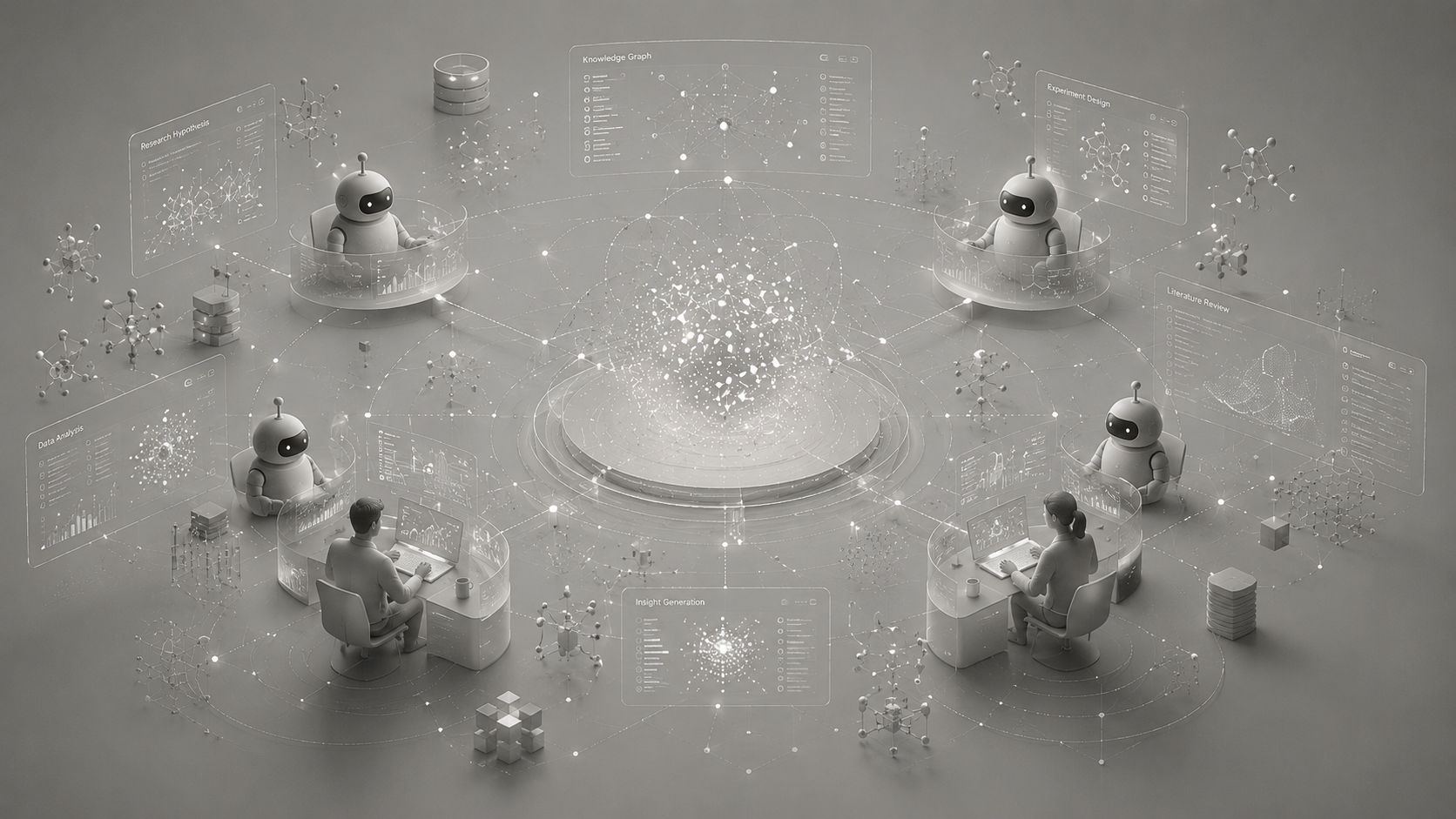
Our first publication on this was in 2004. It was a paper about robot scientists, published in Nature. That was the start. We showed that the different steps in the scientific method – forming hypotheses, determining experiments to test them, analysis of the results – could all be individually automated. But the whole cycle wasn’t fully automated, and the AI system didn’t do any novel science at that point.