Summary created by Smart Answers AIIn summary:Macworld highlights how Apple’s System 7, released in May 1991, introduced revolutionary features like true multitasking, virtual memory, and the modern Trash Can that still define macOS today.This pivotal upgrade transformed Mac productivity by enabling multiple applications to run simultaneously and introducing essential tools like Force Quit, file aliases, and Apple Events for inter-app communication.System 7’s success bought Apple critical time during the 1990s struggles, ultimately leading to the NeXT acquisition and Mac OS X development after ambitious projects like Copland failed.
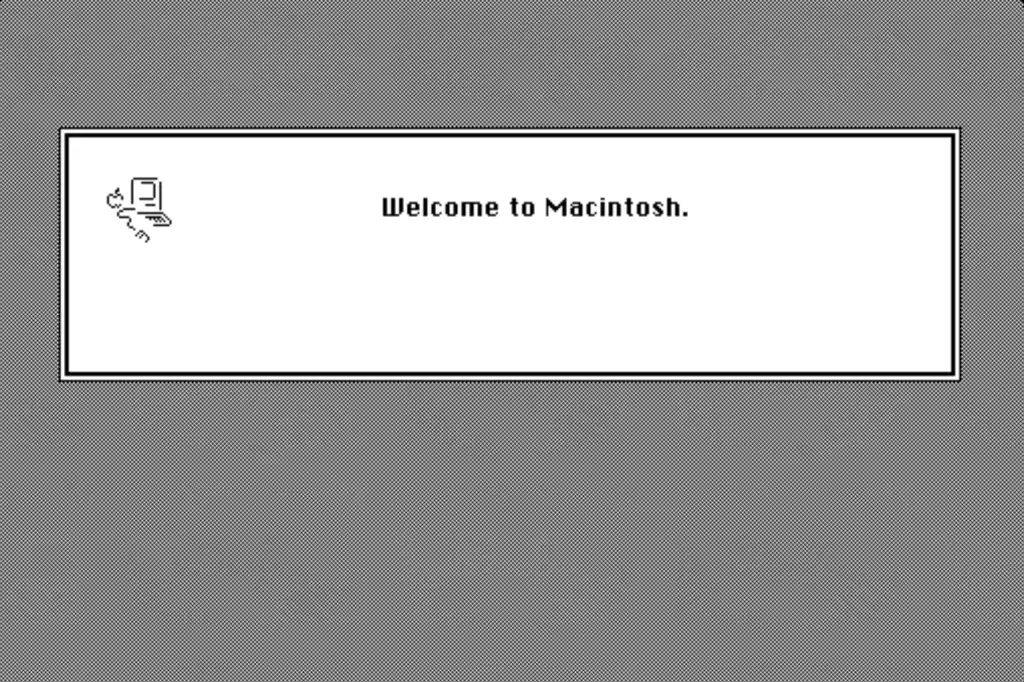
A lot of Mac users don’t remember a time before Mac OS X (or macOS, or OS X, depending on the era), but before OS X arrived on the scene, the Mac ran on an entirely different operating system, the classic Mac OS, which was with us from the Mac’s launch in 1984 through the funeral Steve Jobs held for Mac OS 9 in 2002.
The original Mac OS evolved a lot across those 18 years. And perhaps its single most important update, System 7, arrived 35 years ago this month, in May of 1991.
It seems like a footnote now, but so much of what we take for granted on the Mac today was introduced in System 7. Take it from someone who was there–I wanted System 7 so badly, I downloaded a load of floppy disk images across my college computer network so I could install it. And I wasn’t disappointed by what I got. System 7 really did show the way to the future of the Mac.