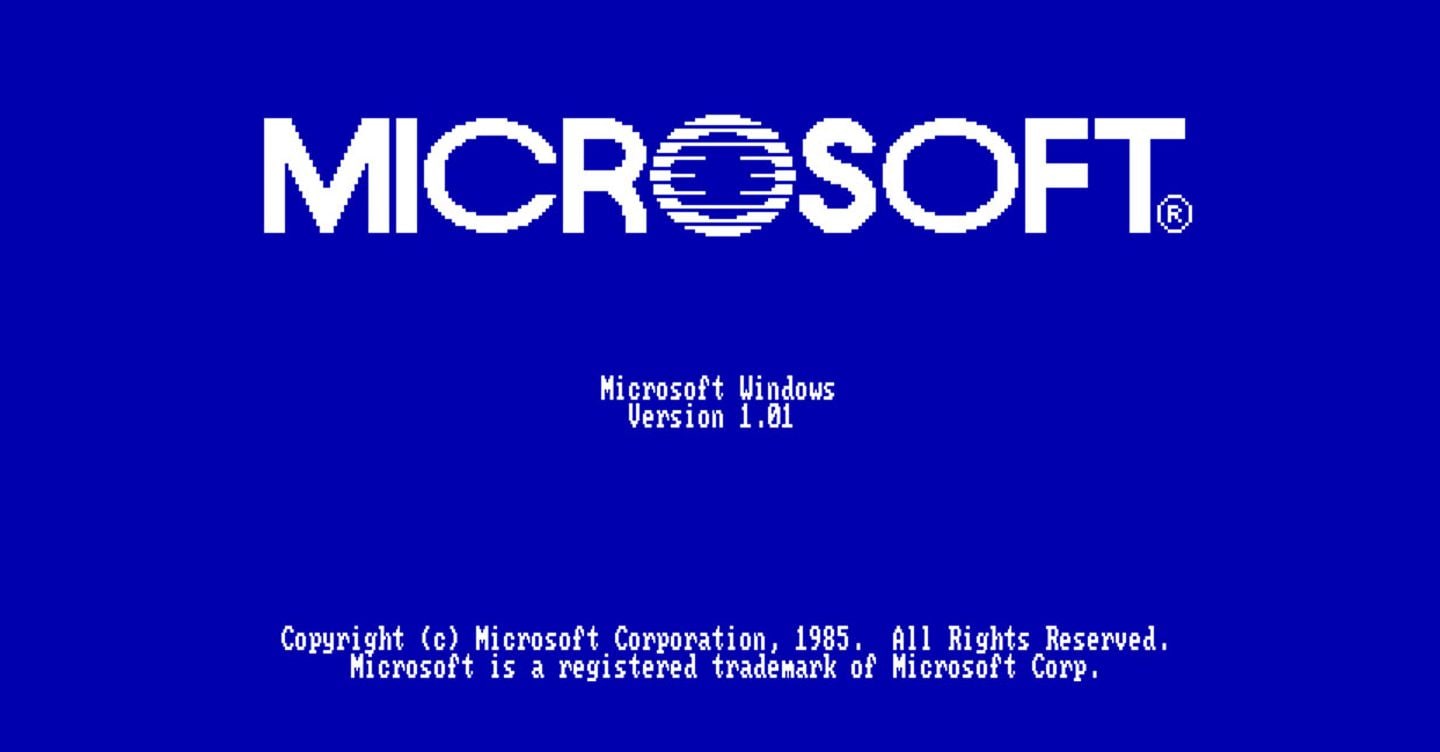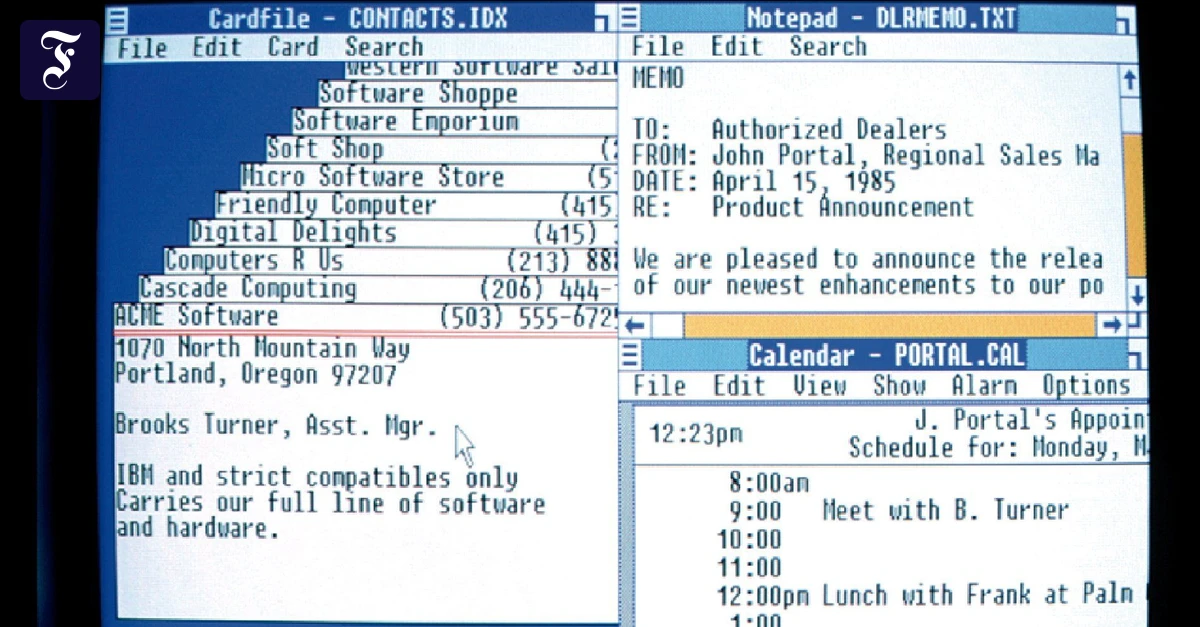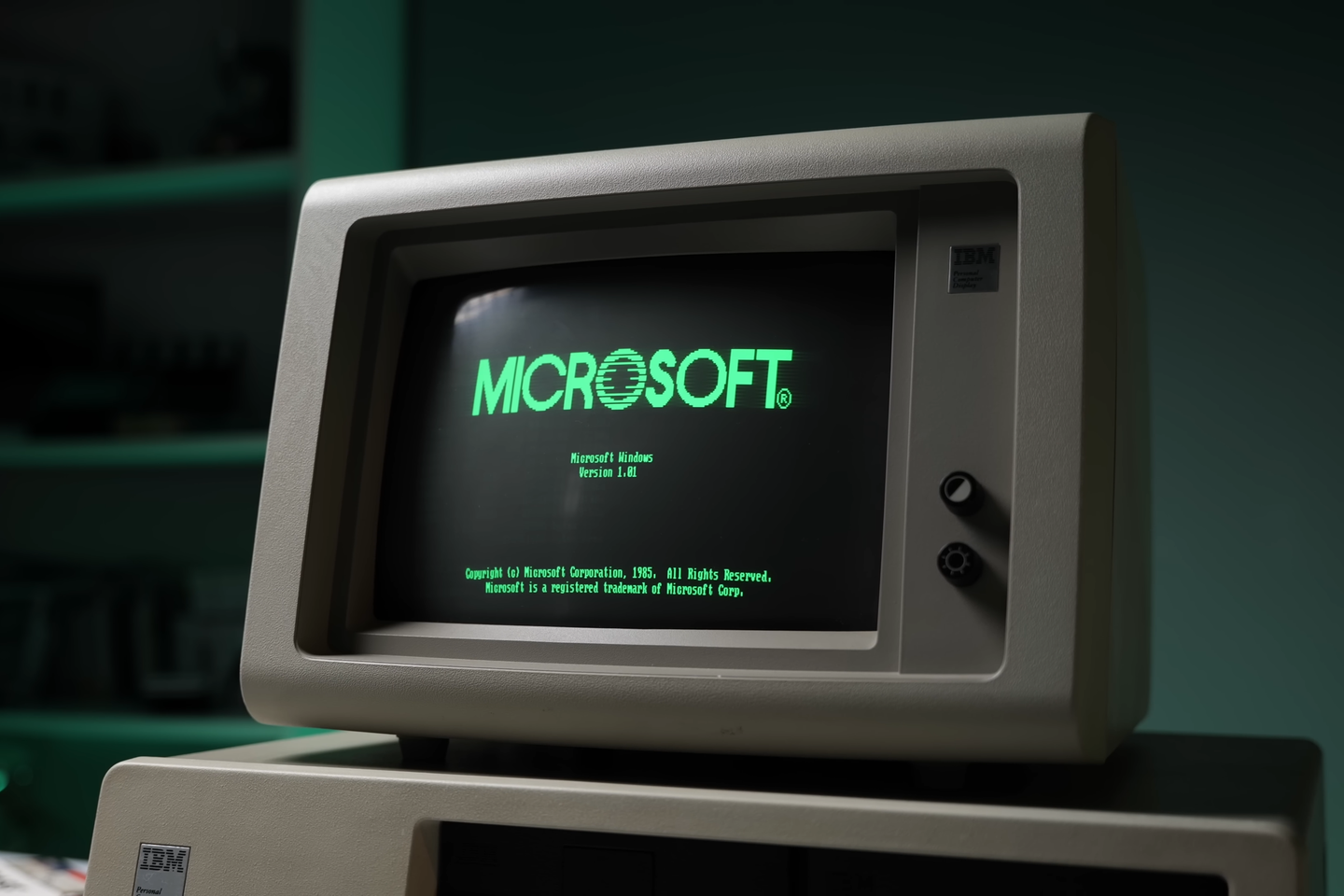
An IBM 5150 computer with the Windows 1.01 welcome screen. ZMASLO CC BY 3.0
Icons, windows, the small mouse pointer gliding across the screen – like wallpaper we no longer notice, these digital objects have populated our screens for many years. Yet in 1980, this soon-to-be "graphical interface" was still a utopian idea, and computers were operated by entering computing commands, word by word. Microsoft was acutely aware of this, as its MS-DOS software – the foundation of the then-emerging PC – was entirely text-based.
This did not stop Bill Gates, co-founder of the American tech company, from understanding early on that to sell computers to the general public, they had to be more accessible. The first version of Windows to be equipped with a graphical interface was unveiled in 1983 and marketed on November 20, 1985, 40 years ago. Despite Microsoft's dominance of today's PC landscape, success did not come immediately.
Why it flopped
Let's rewind to 1980. Most of the building blocks of modern interfaces already existed, but they were scattered across various laboratories. Some were obvious breakthroughs, such as the mouse and windows, imagined in the 1960s by Douglas Engelbart's team and later brought to life in 1973 by Xerox, the photocopier giant, with its Alto computer. As shown by a reconstructed version of the software now accessible online, the graphical interface of this experimental device seems both complex and rudimentary by today's standards, but it was revolutionary at the time. It inspired a generation of California developers and astonished Steve Jobs, Apple's co-founder, as well as Gates.