Y. is a Lebanese transman based in Beirut. He is a senior campaigner on gender justice. Y. is also an artist, writer and community organizer.
When I was a little girl, I took a certain mischievous pleasure in getting under my father’s skin during the men’s World Cup. While we watched the matches together, I would deliberately cheer for Germany, the arch-rival of his beloved Brazil, just to provoke him.
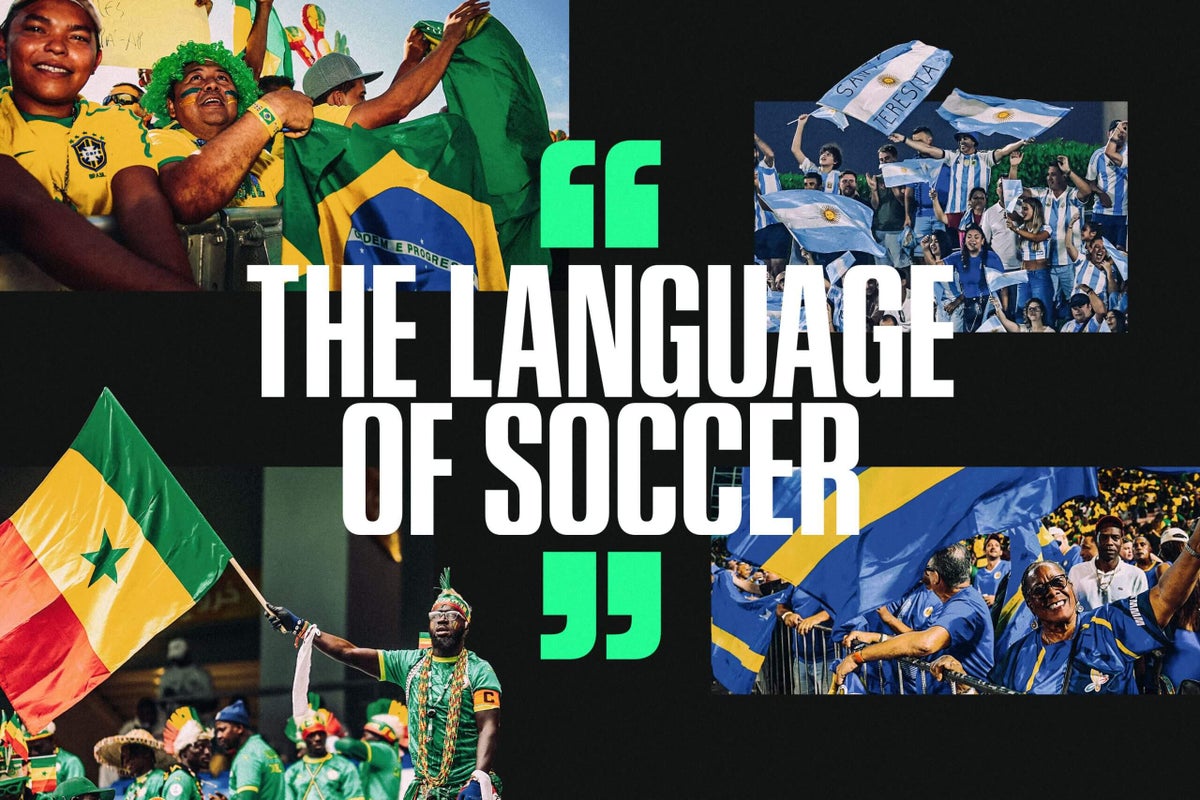
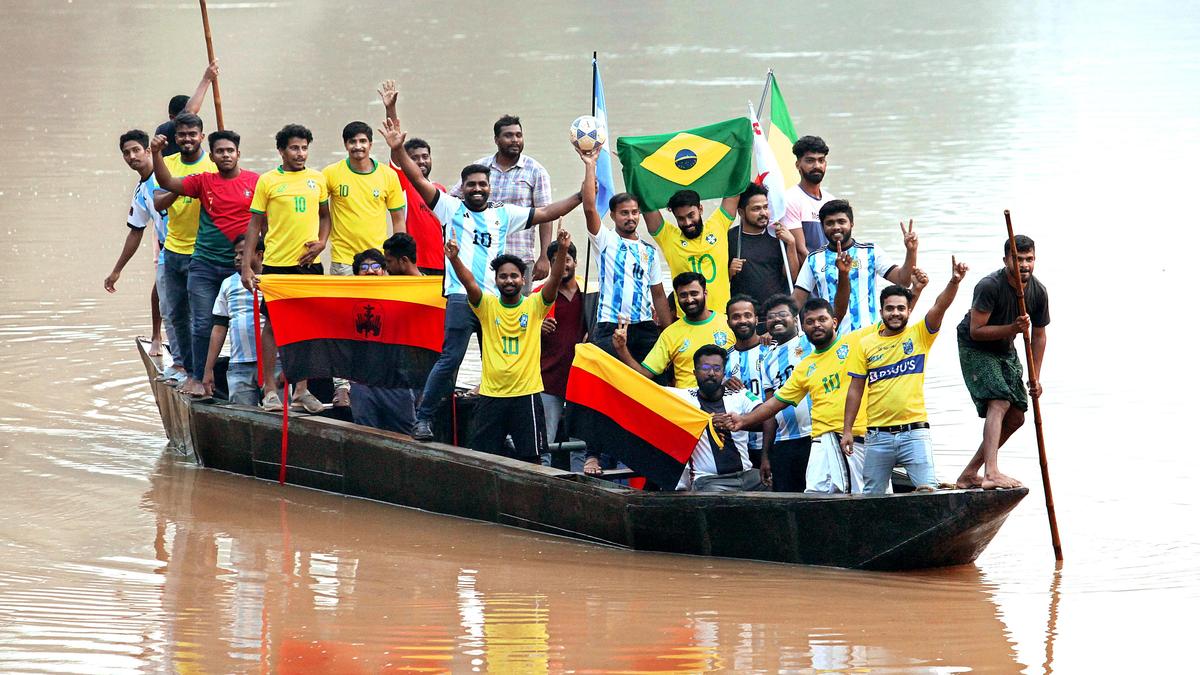
With every World Cup, Beirut, the Lebanese capital, would, and still does, transform into a mosaic of flags draped across balconies, storefronts, and even cars. Spain, France, England, Italy, and of course Germany and Brazil — the two most passionately followed teams. It’s a striking spectacle for a country shaped by so many waves of colonization.
Football was always the thread that bound me to my father, a man of few words. We didn’t talk much, but we shared a quiet understanding: we would watch matches side by side, on television, or sometimes in one of Lebanon’s few stadiums. Football was our language of love.
I was 13 when the whistle blew for the World Cup final between Brazil and Germany on June 30, 2002, at the International Stadium in Yokohama, Japan. I remember our family gathering vividly — uncles, aunts, and cousins of all ages, bursting with the kind of excitement only kids can muster, surrounded by an abundance of food and drinks. In front of that screen, we all became children. There was no difference between young and old, or women and men.