Ippei Naoi / Getty Images
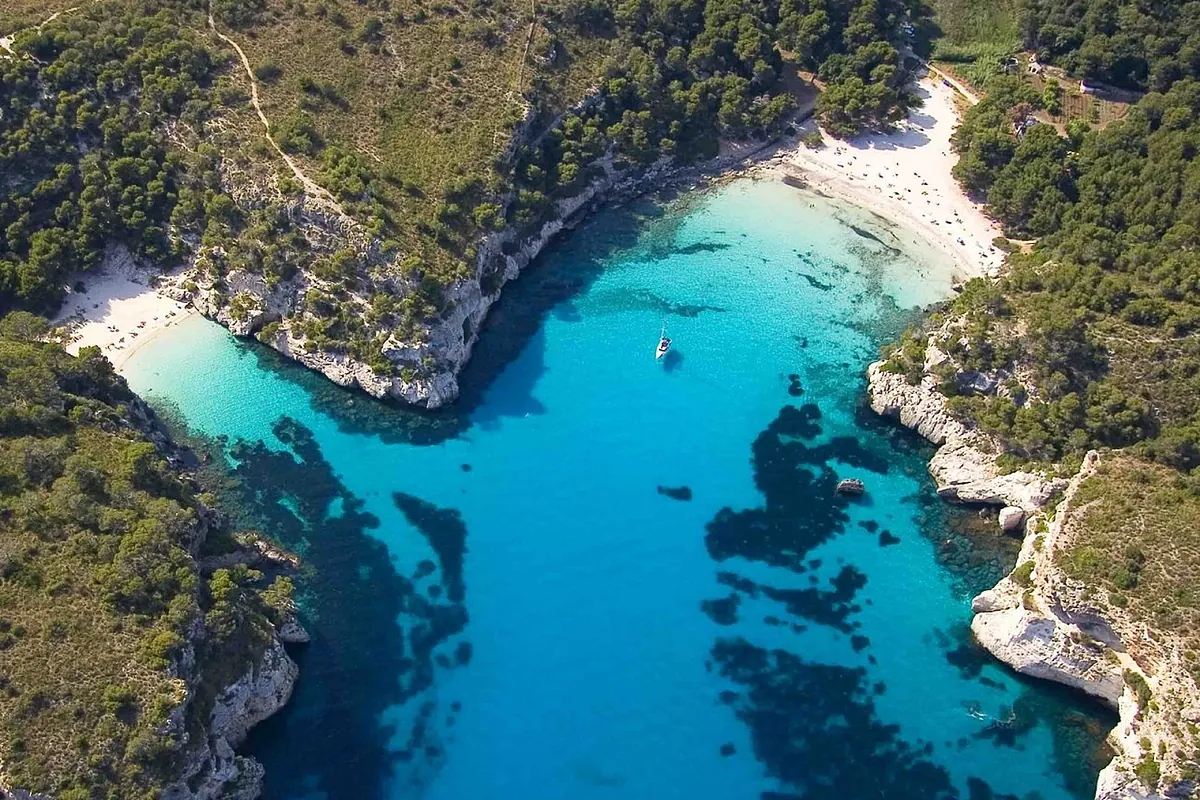
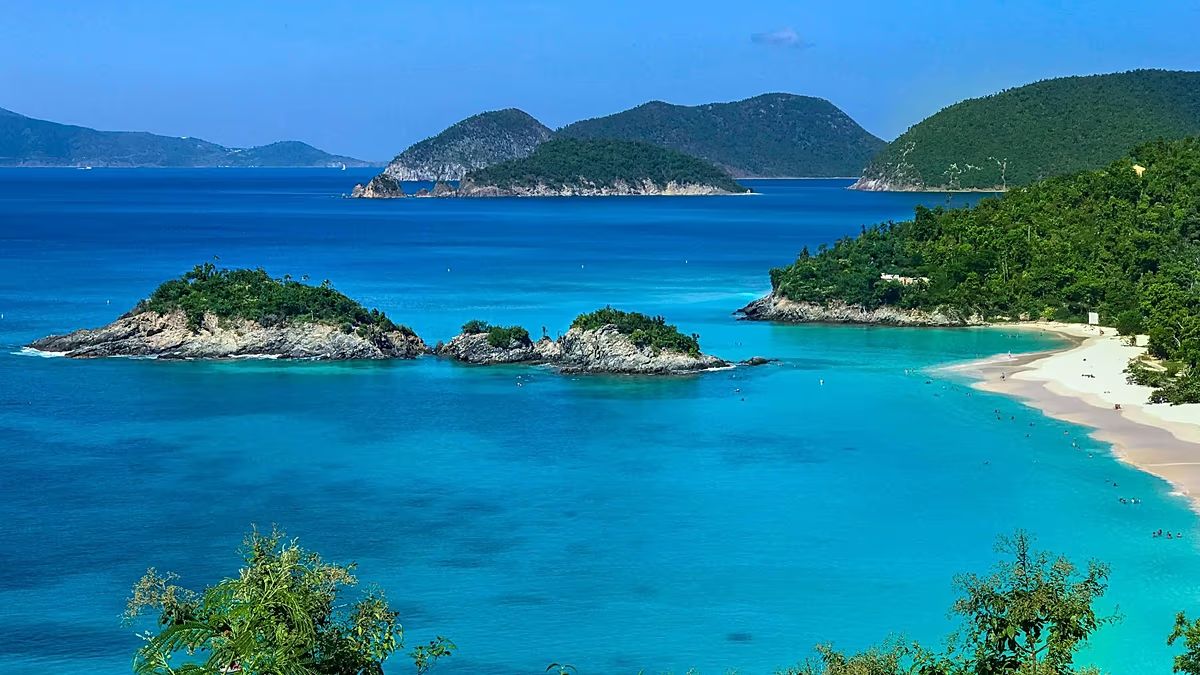
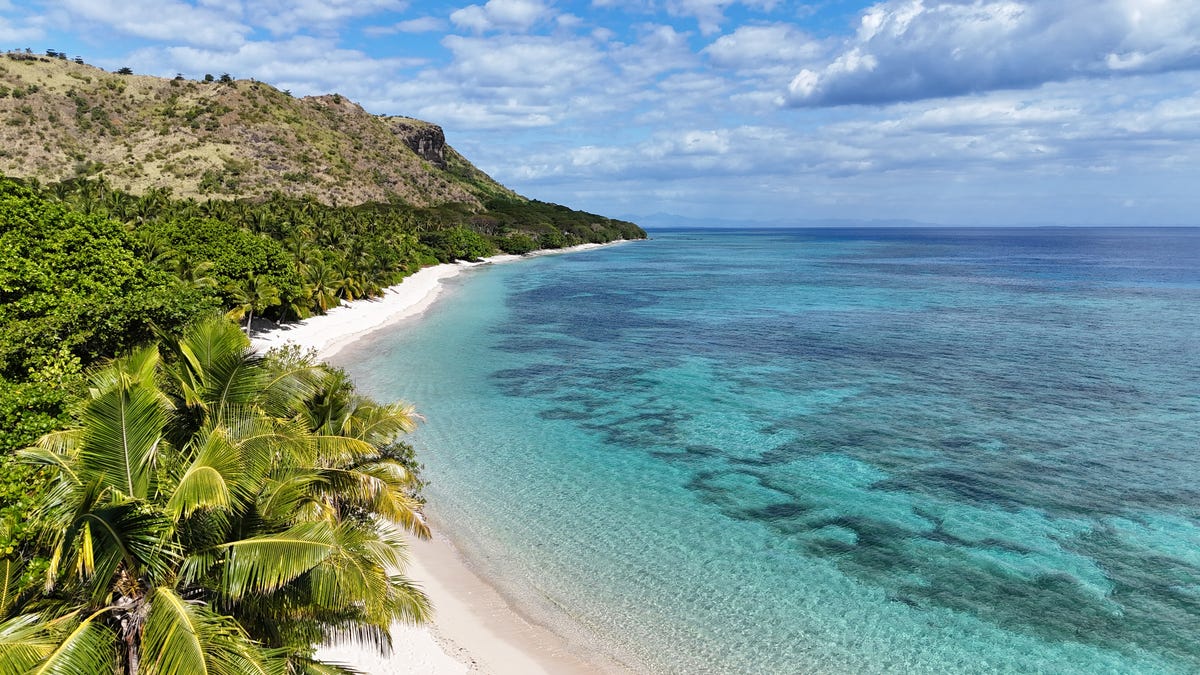
White sand is not just a matter of aesthetic preference. It signals a specific feature of the beach’s geology. The brightest white beaches typically get their color from one of two sources: quartz crystals ground fine by centuries of wave action, or pulverized coral and calcium carbonate from ancient reef systems. Both produce the pale, reflective sand that contrasts sharply with turquoise and aquamarine water, amplifying the visual effect that makes certain beaches feel categorically different from the average shoreline. Travelers $TRV -0.15% who seek out genuinely white sand beaches are chasing that contrast: the kind that reads as electric in afternoon light and glows at dusk.
The geographic range of white sand beaches reflects how different geological processes produce similar results across different ocean systems. The Caribbean’s limestone and coral geology produce white beaches from reef material ground over millennia. Florida’s panhandle beaches get their extraordinary whiteness from quartz crystals washed south from the Appalachians. Pacific island beaches draw from a different source rock entirely. The result is that white sand beaches appear across nearly every warm-water region in the world, each with its own character: some backed by jungle, some by limestone cliffs, some by the open sky of a barrier island.