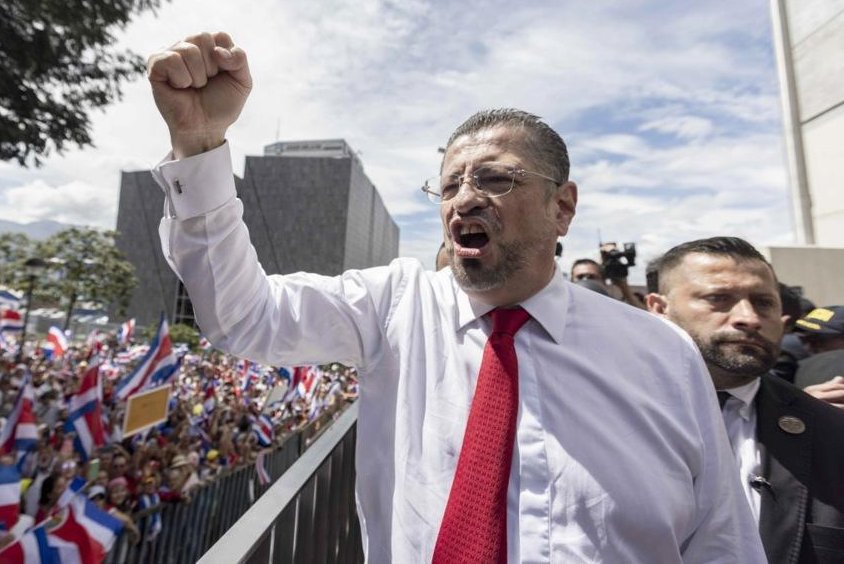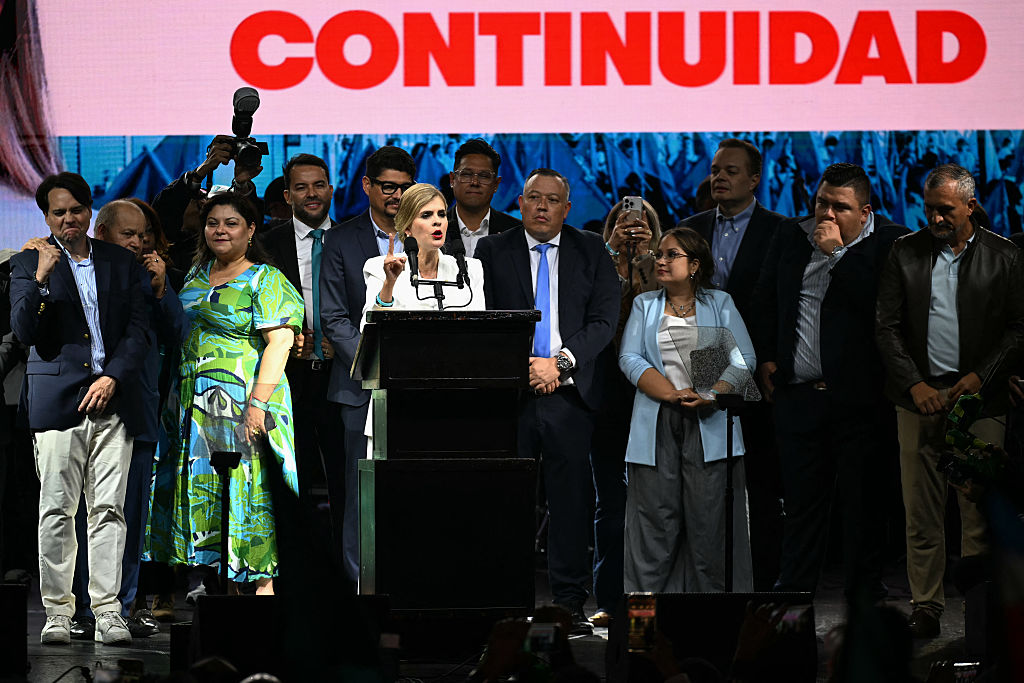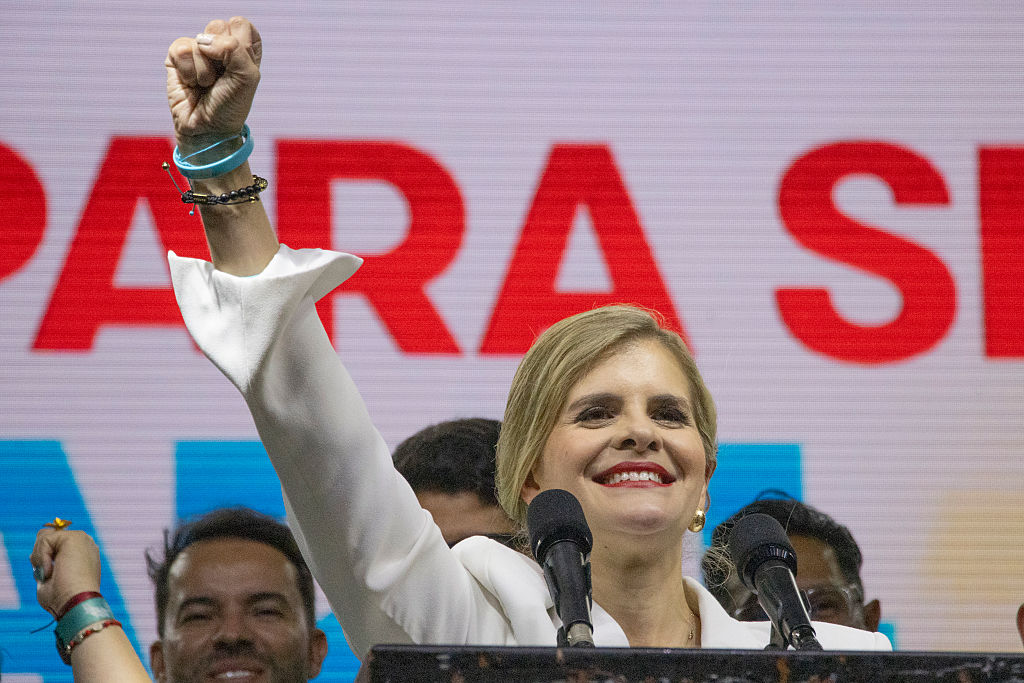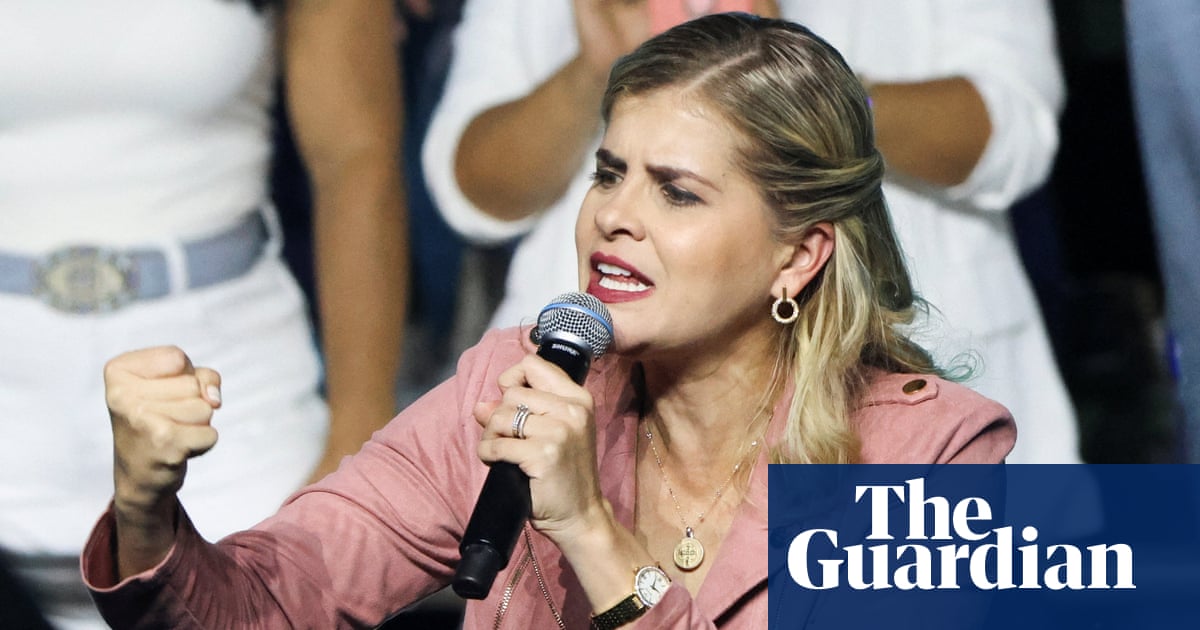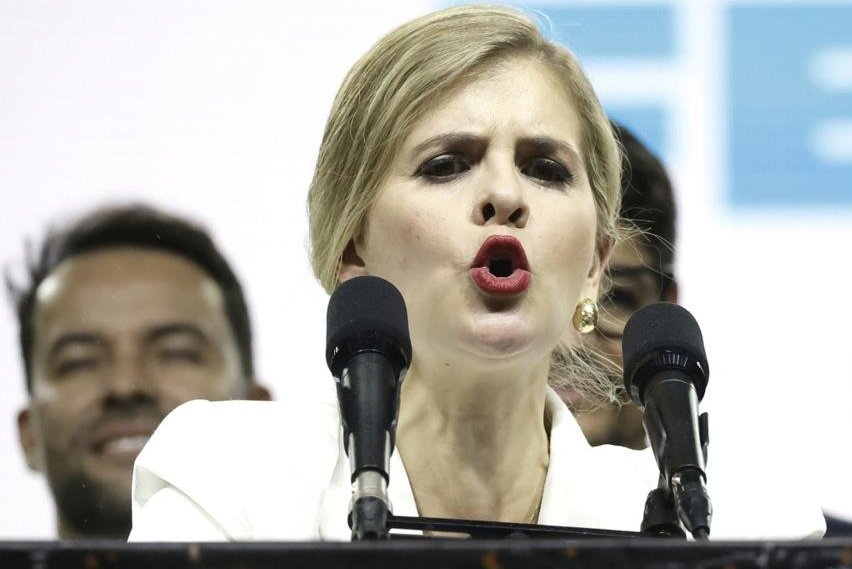
WASHINGTON—Costa Rica inaugurated its fiftieth president today, at a moment of unusual political continuity and unusual pressure for the country. Laura Fernández Delgado won the presidency in a landslide in February, and her newly formed Sovereign People’s Party secured a simple majority in Congress, marking the first time since 1990 that one party has won both the presidency and a legislative majority in Costa Rica.
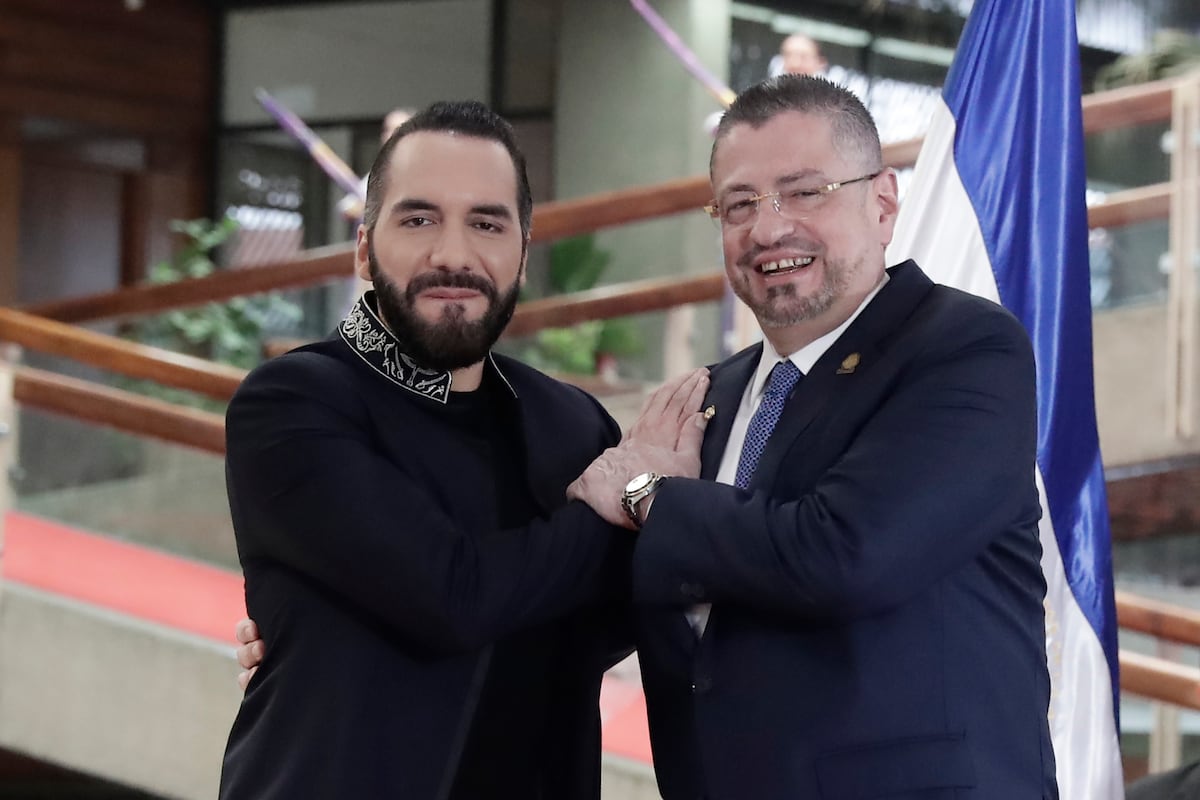
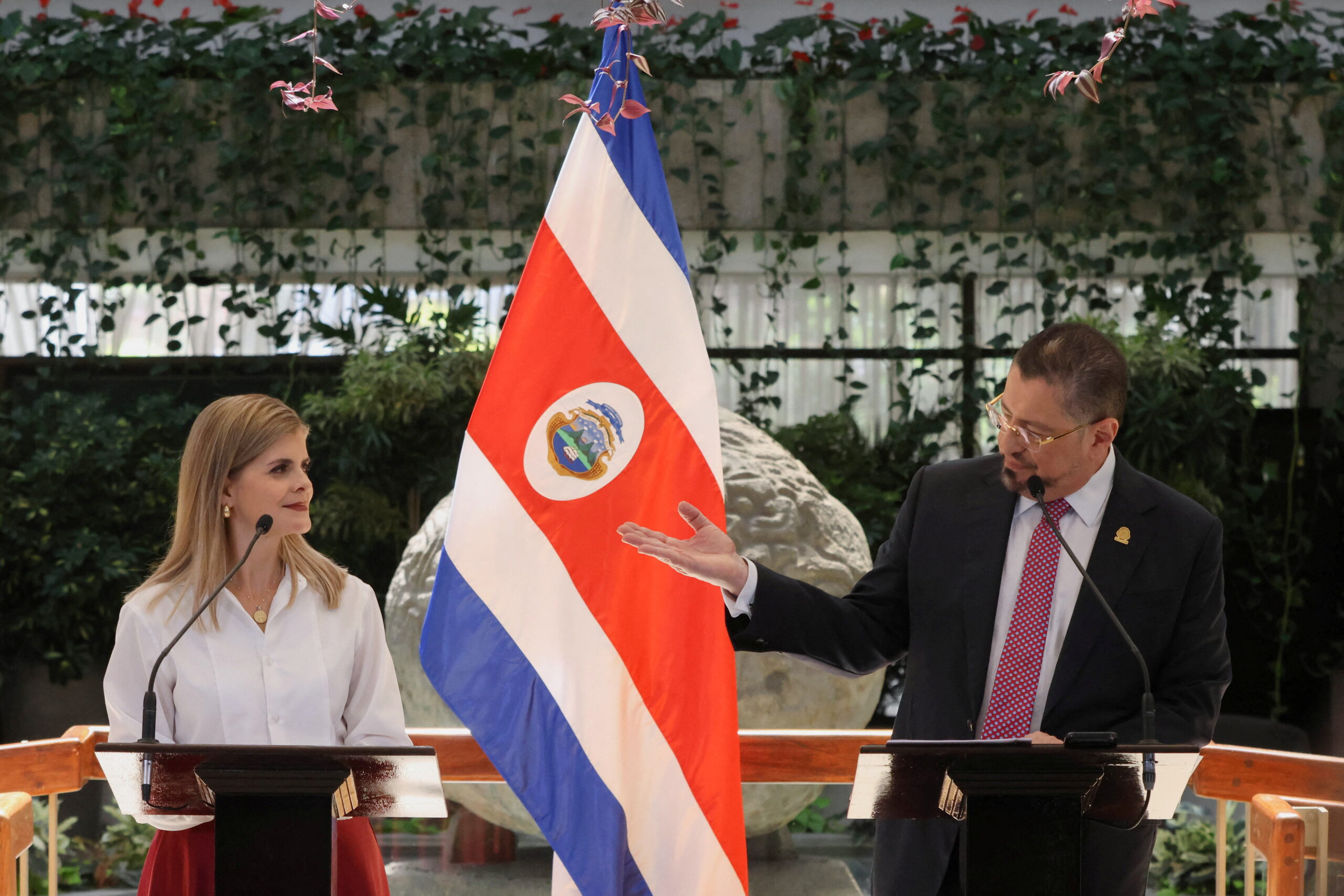
That mandate comes with high expectations. Fernández campaigned on continuity with outgoing President Rodrigo Chaves and on a tougher approach to crime, including the completion of a maximum-security prison in the first year of her administration. Her cabinet choices underscore that message. In all, twenty-two officials from the outgoing government will remain in the new government, though some in different roles. Chaves himself is not going far. He moves from the presidency to the dual cabinet roles of minister of the presidency—the position Fernández held under him—and minister of finance, which Chaves led before becoming president. At the same time, some internal shifts point to new priorities of the next government. Manuel Tovar’s move from minister of foreign trade to minister of foreign affairs is especially telling: Costa Rica’s external agenda is likely to be increasingly organized around security, trade, investment, and strategic alignment.