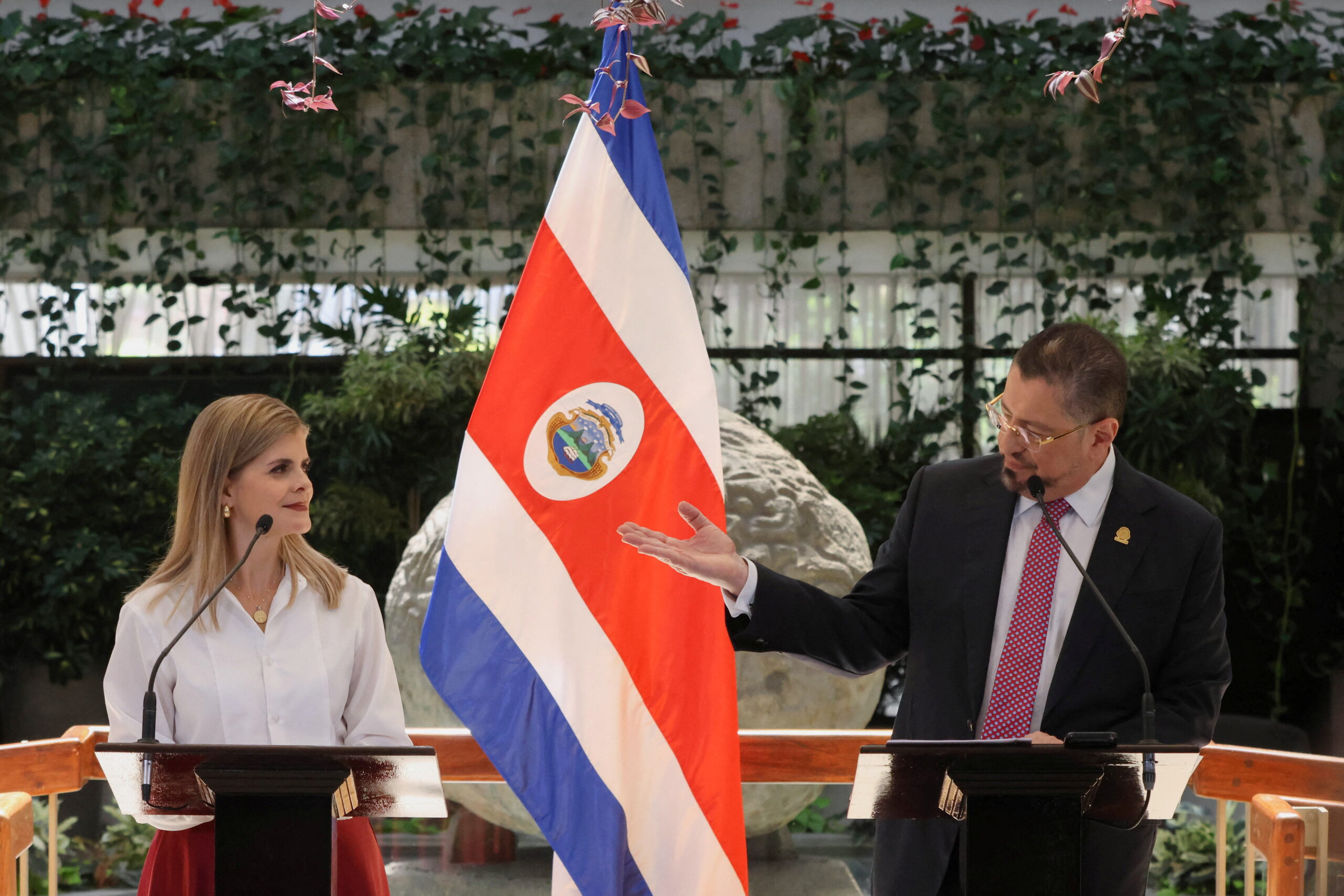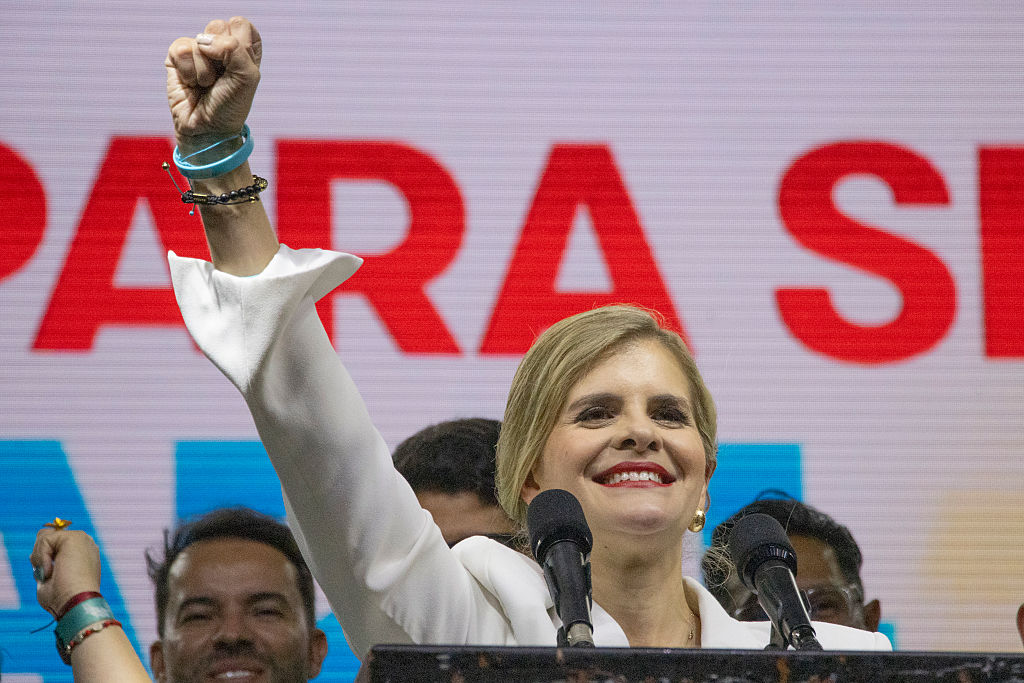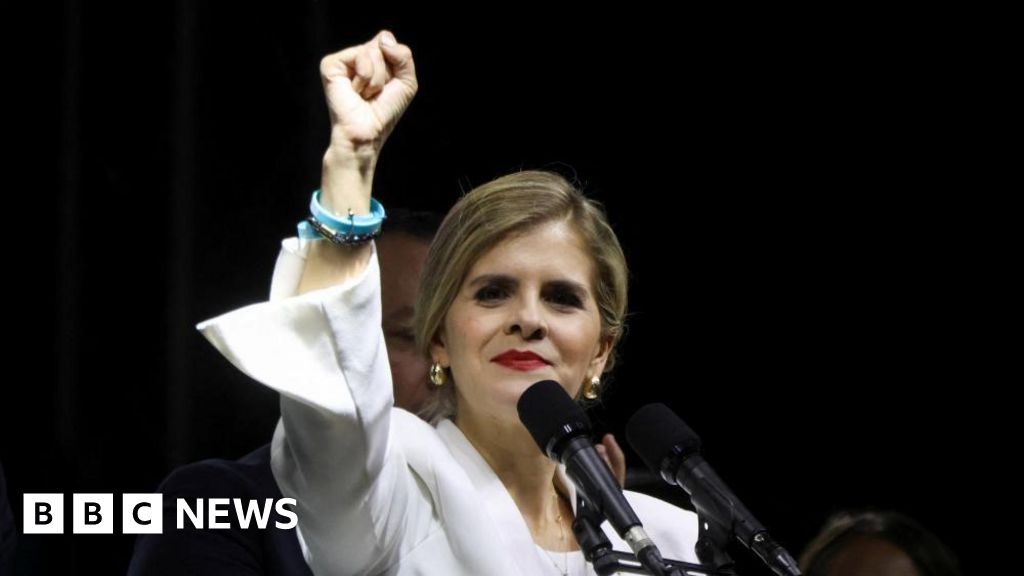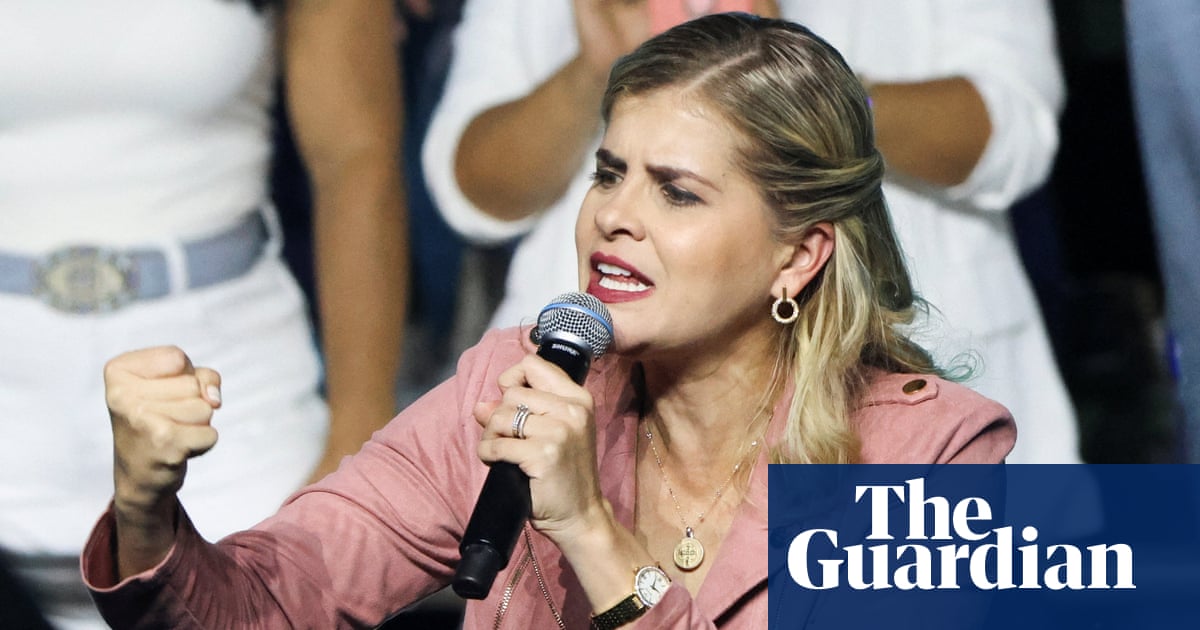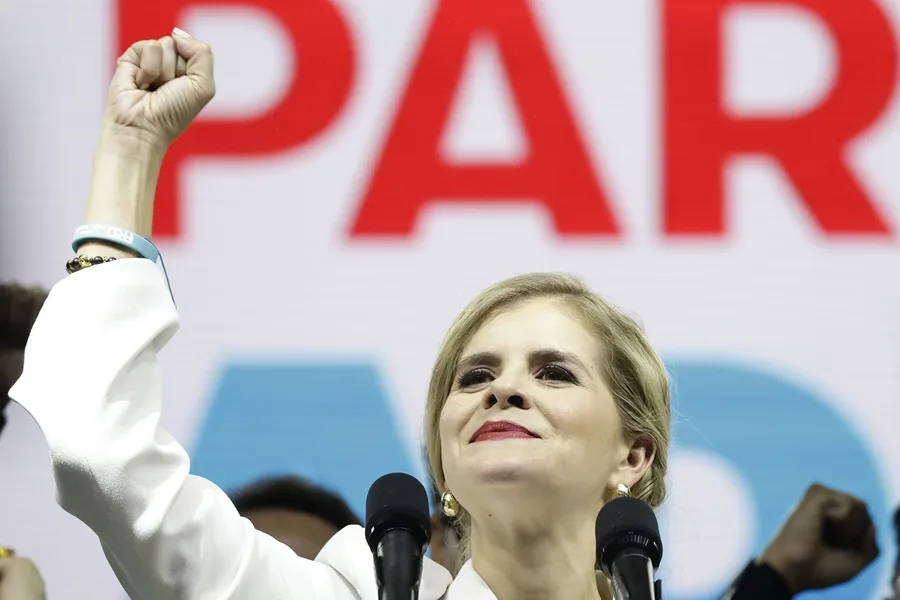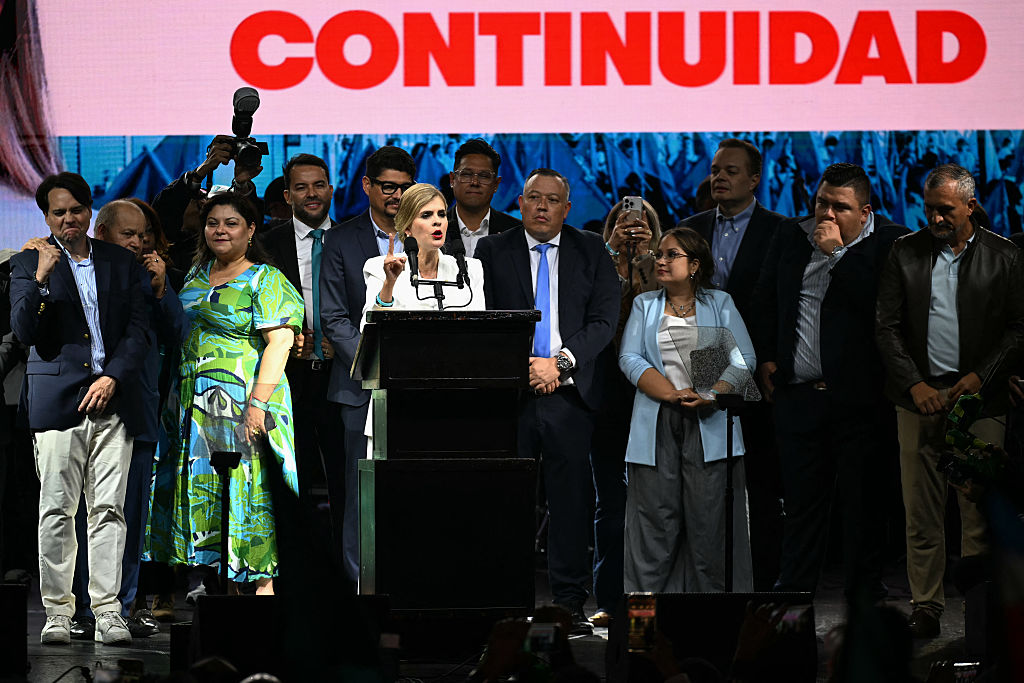
Earlier this month, Laura Fernández won Costa Rica’s presidency in one of the most decisive electoral victories in the country’s history. Fernández, the handpicked successor of President Rodrigo Chaves, secured 48% of the national vote—a landslide by Costa Rican standards—and her party, Partido Pueblo Soberano (PPSO), gained 31 of the legislature’s 57 seats, more than any political organization has held since the early 1980s. Although short of a supermajority, when Fernández takes office on May 8, she will become the first Costa Rican president to enjoy a partisan majority in Congress in over three decades.
This decisive victory has prompted a debate—fueled both by regional precedents and her own party’s history—on whether the country’s long democratic tradition is strong enough to withstand a sharp concentration of power. However, Costa Rica’s checks and balances will make the conversion of Fernández’s ambitions into real change challenging.
Friction with democratic norms
Concerns surrounding Fernández’s incoming administration stem largely from her association with President Rodrigo Chaves, whose tenure has been marked by a pattern of institutional confrontation. In the past four years, Chaves has repeatedly flouted democratic norms: He has openly “disparaged” checks and balances, repeatedly attacked the press, clashed the legislature and the courts, and sought to delegitimize the electoral authorities. He has also attempted to bypass Congress through a referendum and mobilized protests demanding the top prosecutor’s resignation—moves that critics argue put pressure on long-standing independent institutions. Chaves has been accused of violating multiple campaign laws, and the opposition-controlled legislature has twice considered stripping him of his presidential immunity. He denies wrongdoing.