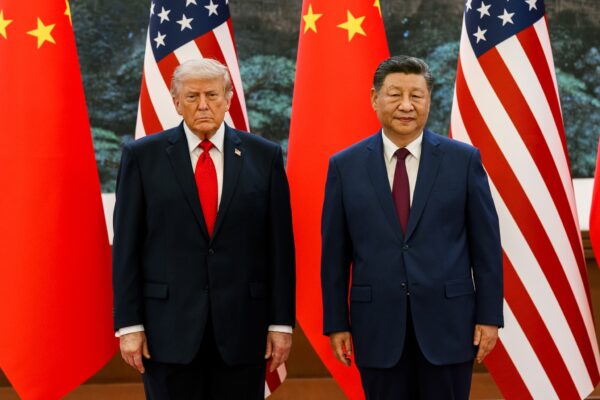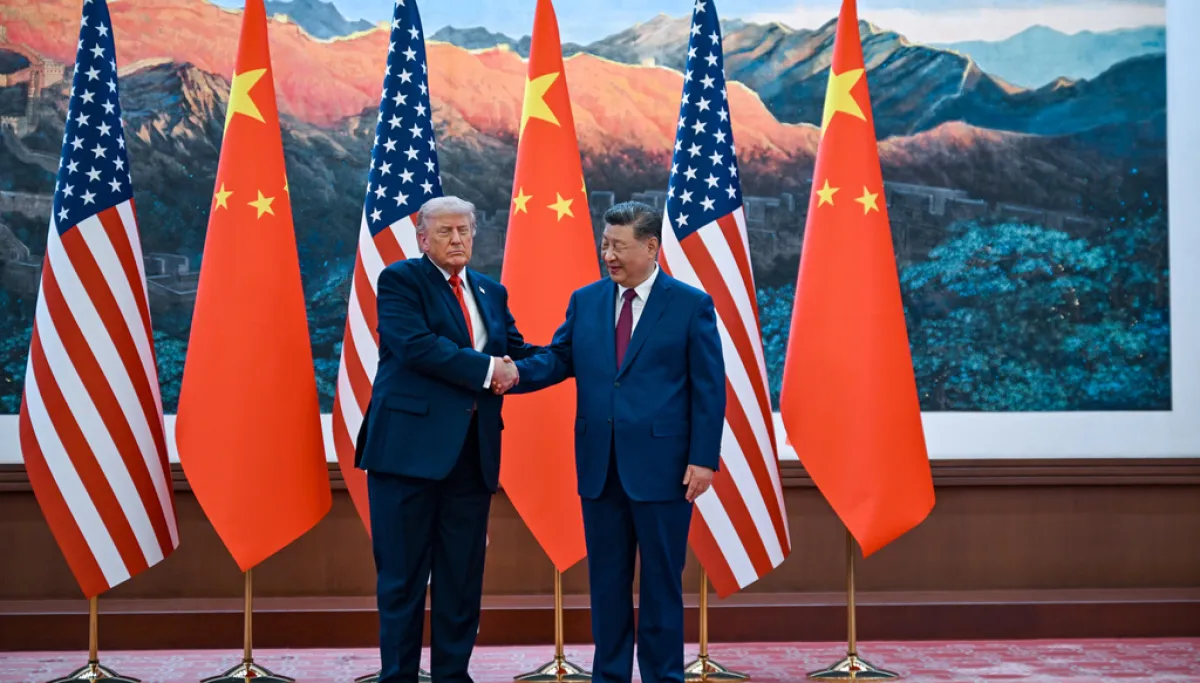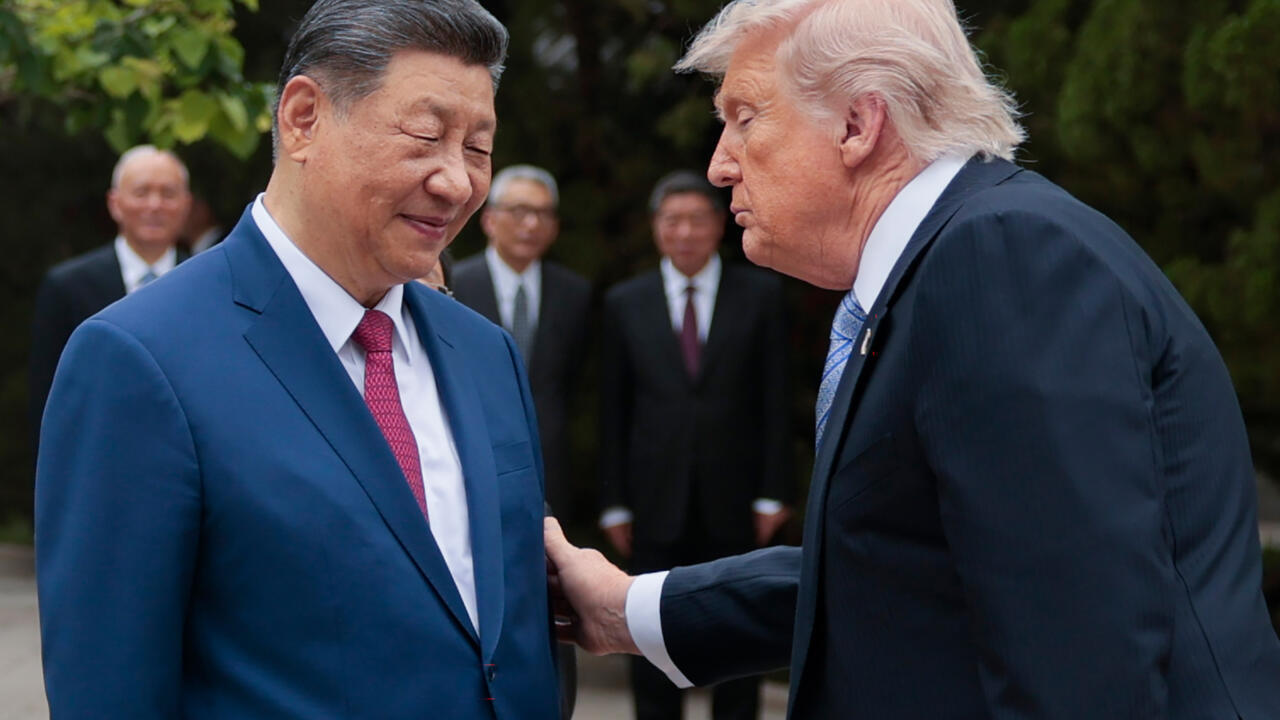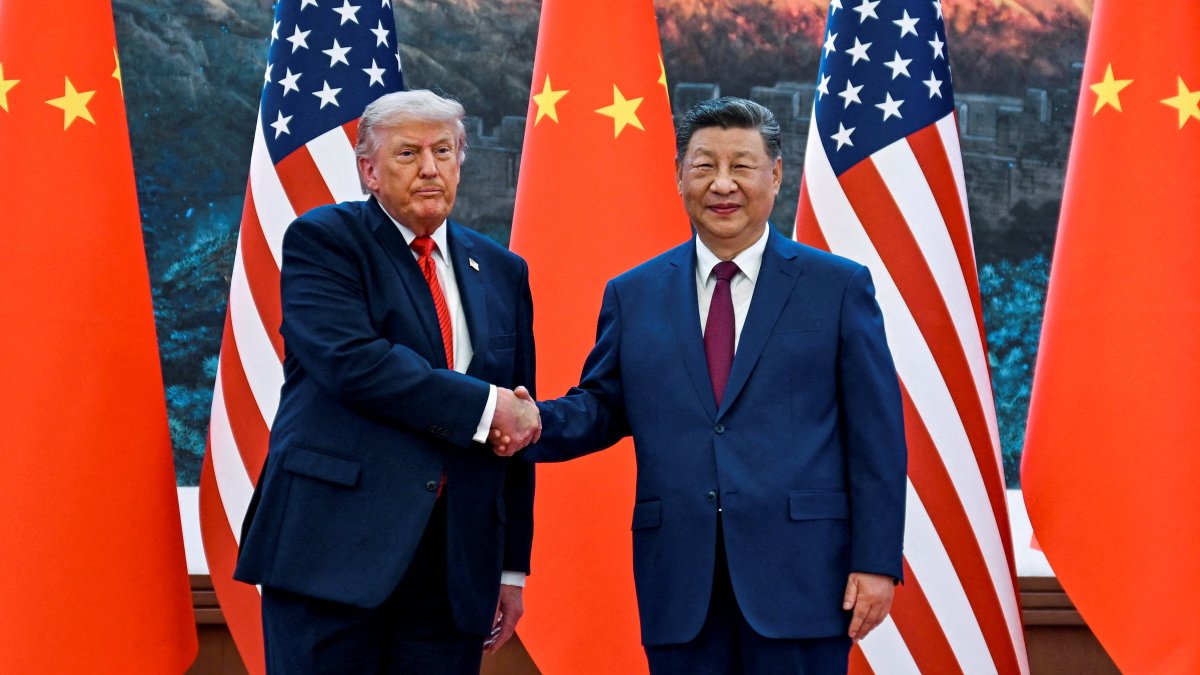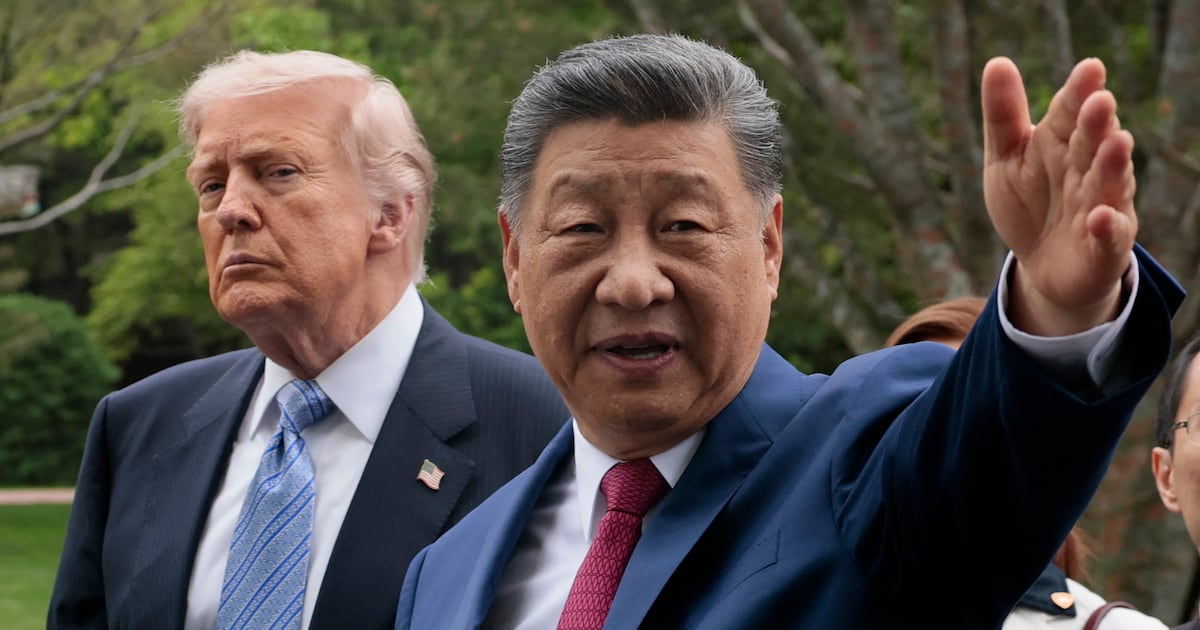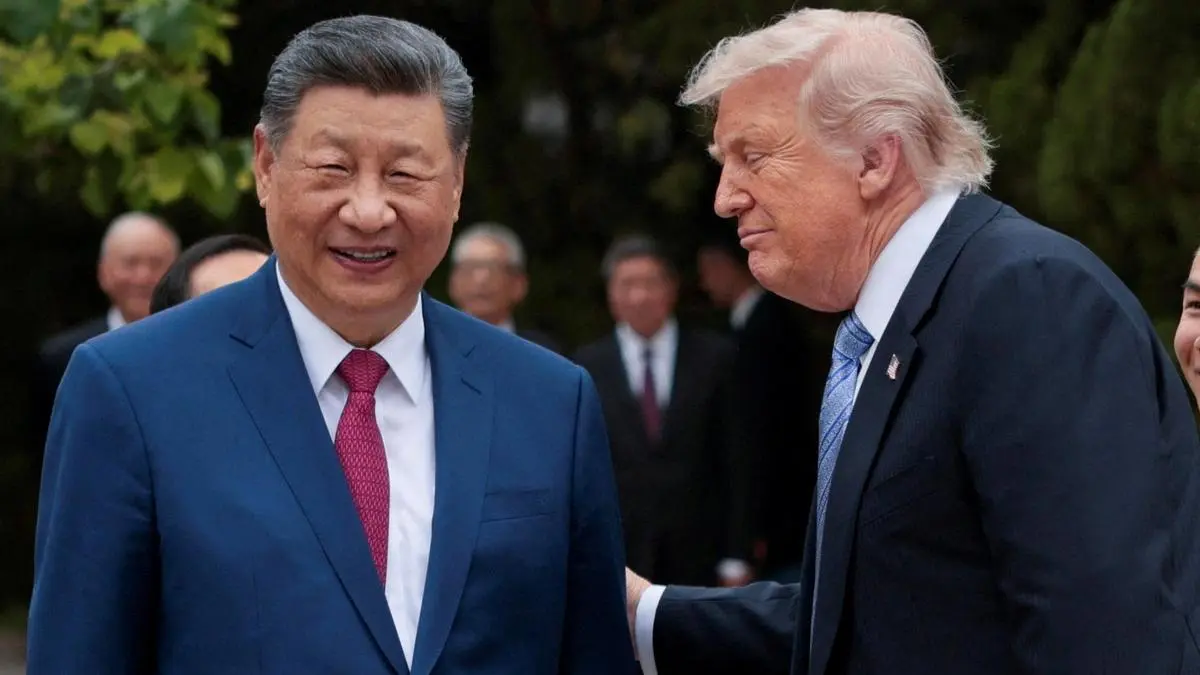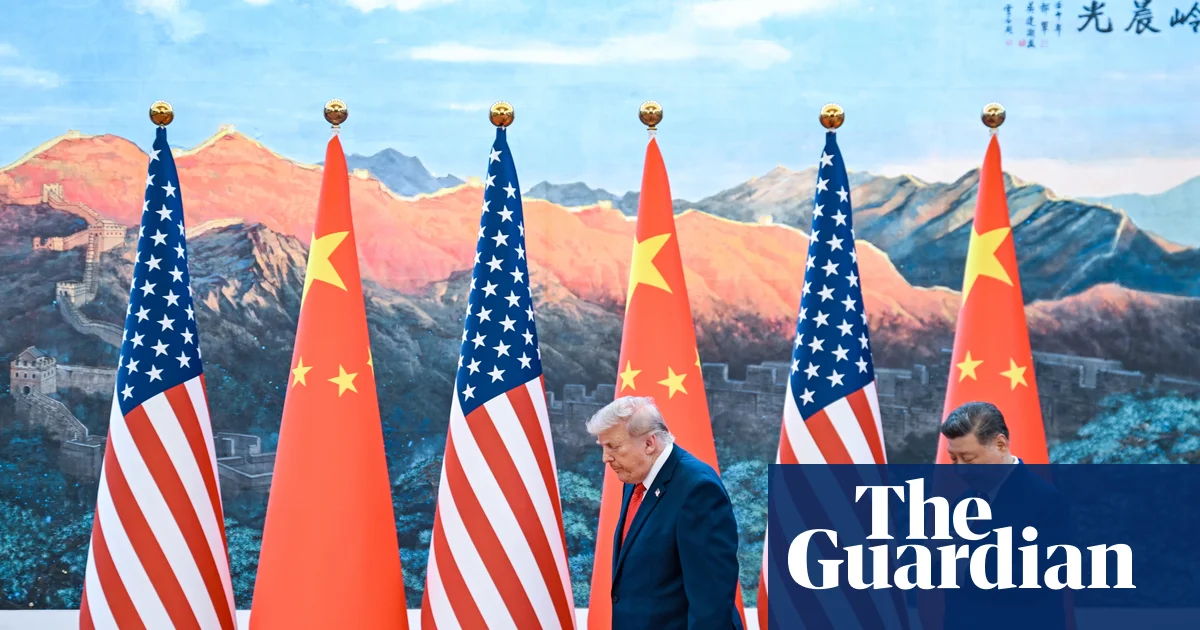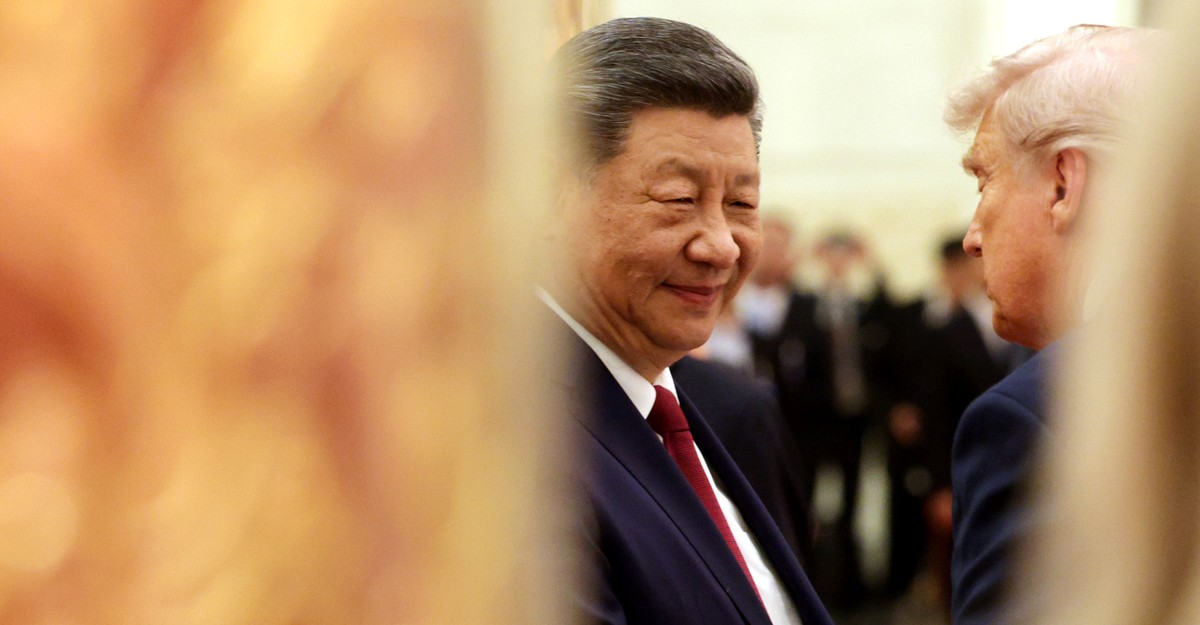
In Beijing, the president scrapped hardheaded diplomacy in favor of an imagined personal bond.
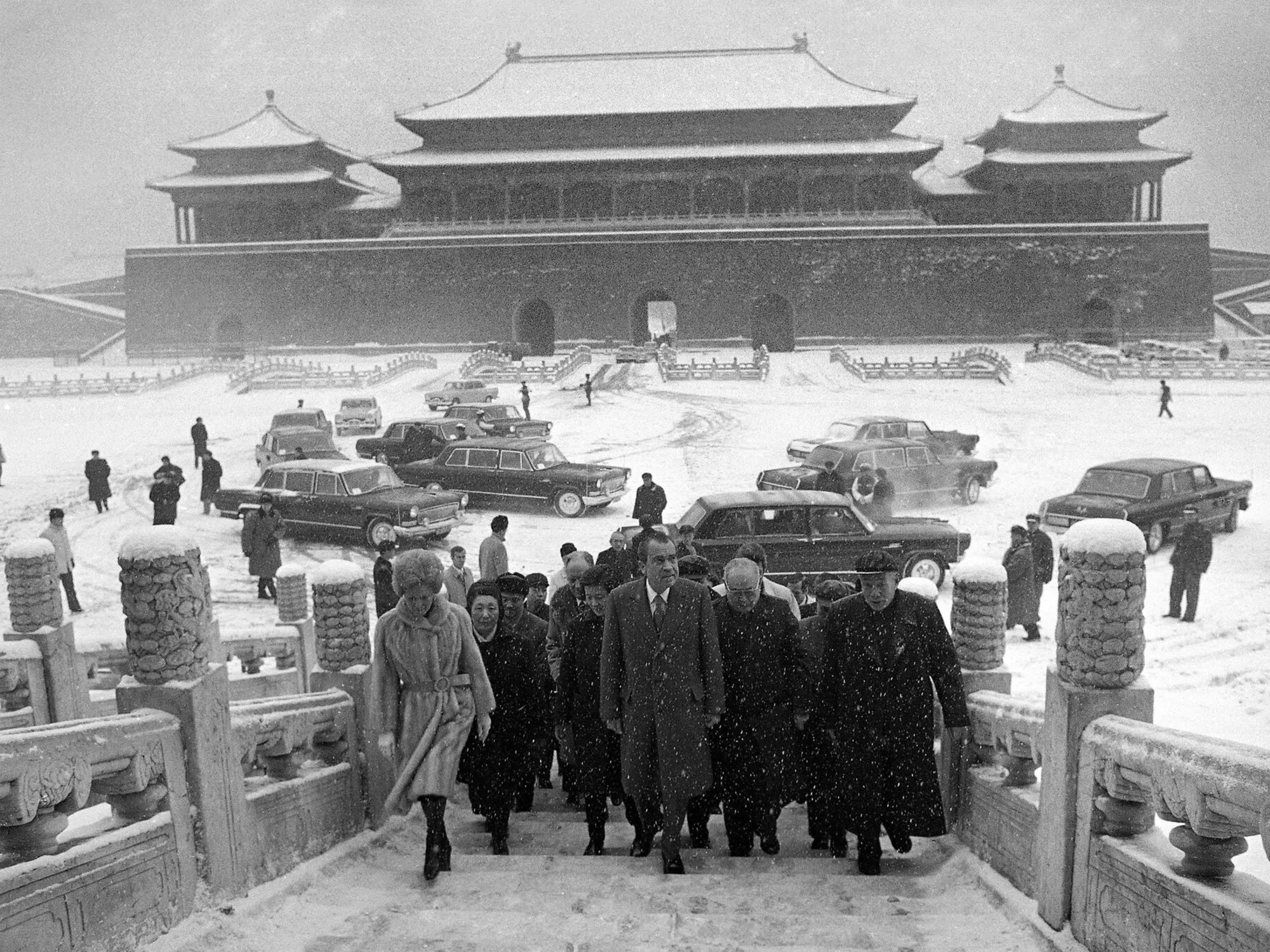
In 1971, Richard Nixon announced his plan to visit Beijing—marking a geopolitical turning point, as the trip would be the first for a U.S. president in 25 years. Senate Majority Leader Mike Mansfield offered an observation that has since become a Washington commonplace. “Only a Republican, perhaps only a Nixon,” he told U.S. News & World Report, “could have made this break and gotten away with it.”
This notion entered the political lexicon to denote a particular kind of calculation: that on certain issues, only a hard-liner has the credibility to pursue a softer line and survive politically.
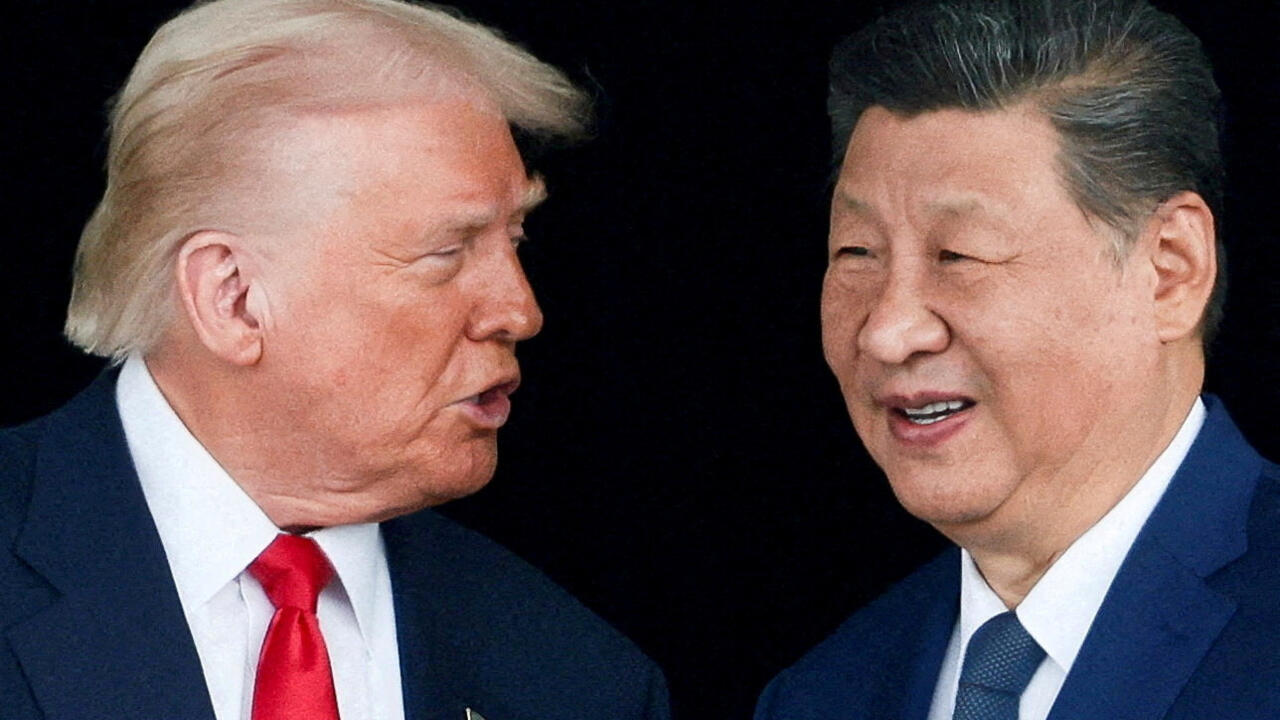
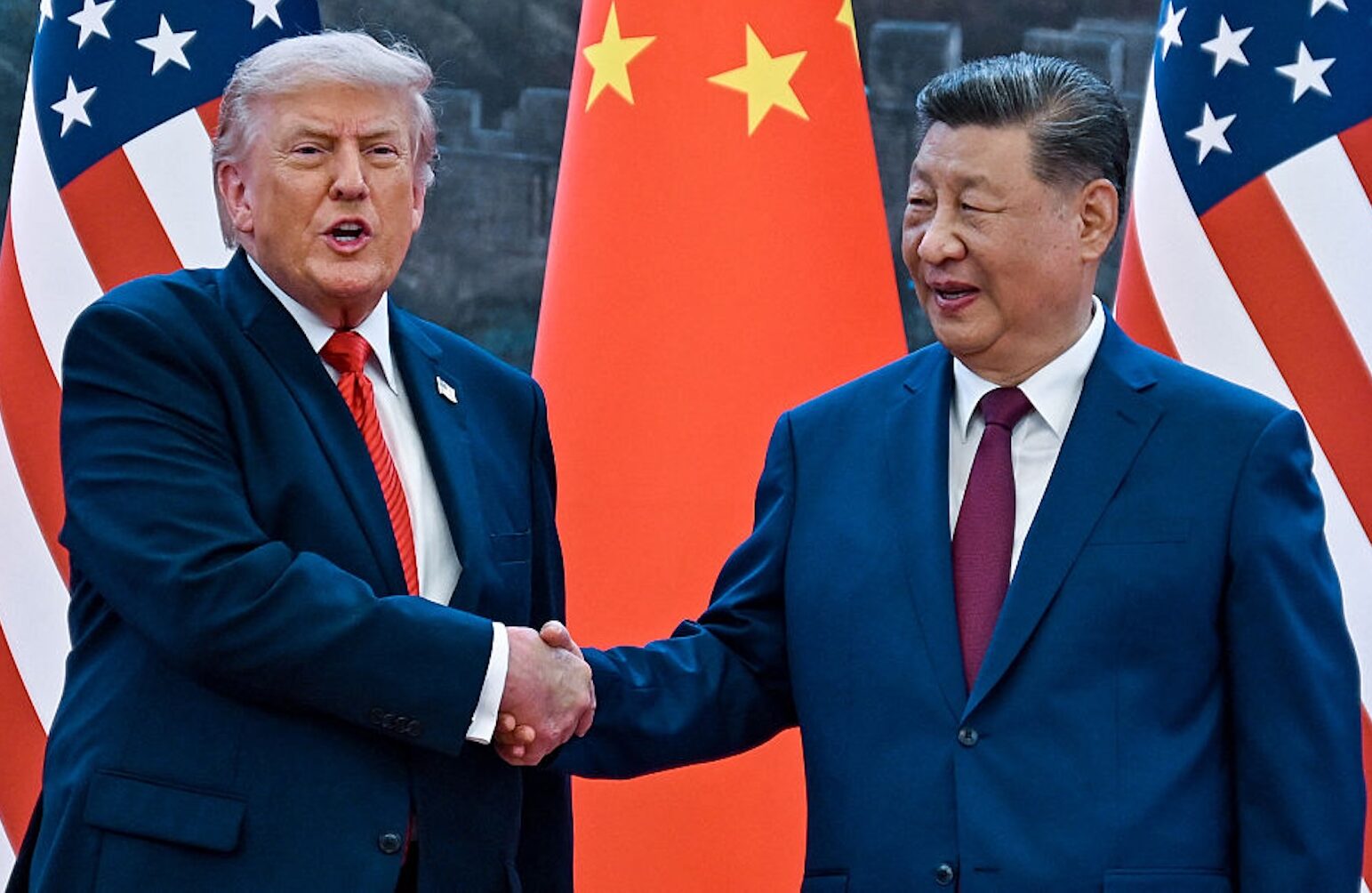
Last week in Beijing, Donald Trump had his Nixon moment. He scrapped a policy that combined hardheaded diplomacy with action to protect U.S. interests and check Chinese power. In its place, he embraced the notion that a personal bond with Chinese leader Xi Jinping can ensure stability.
Trump is getting away with this move politically. Geopolitically, he will not. His new stance imperils Americans and emboldens China, which makes a future crisis likelier than ever.