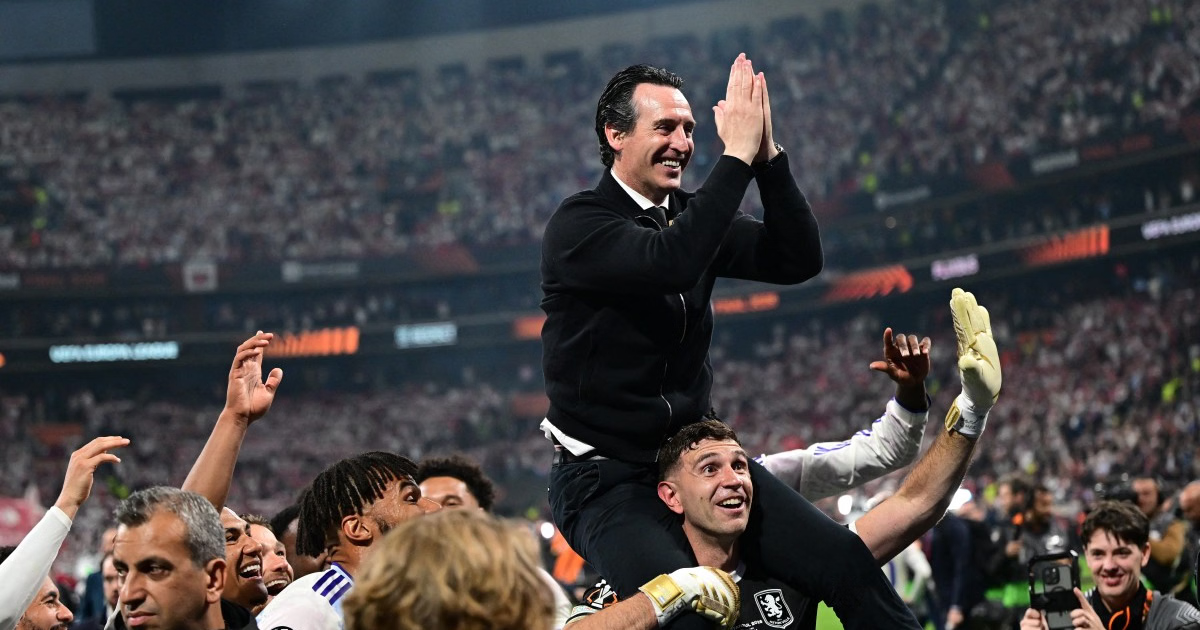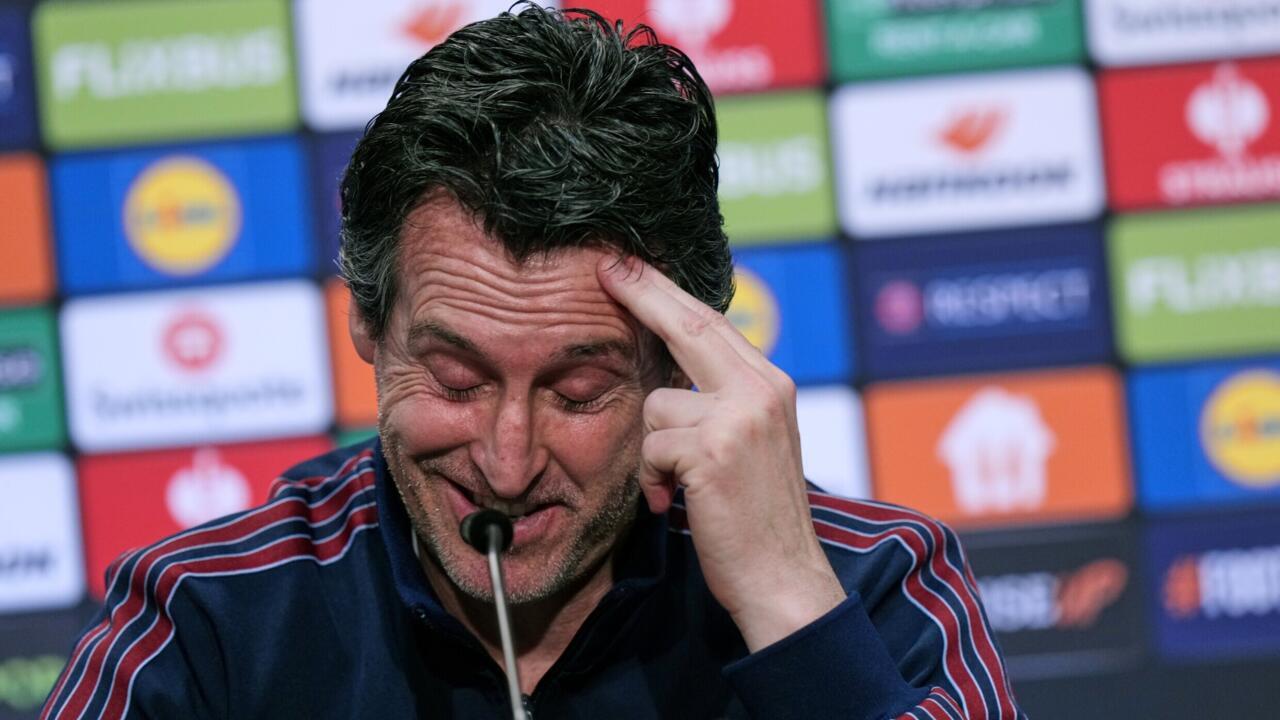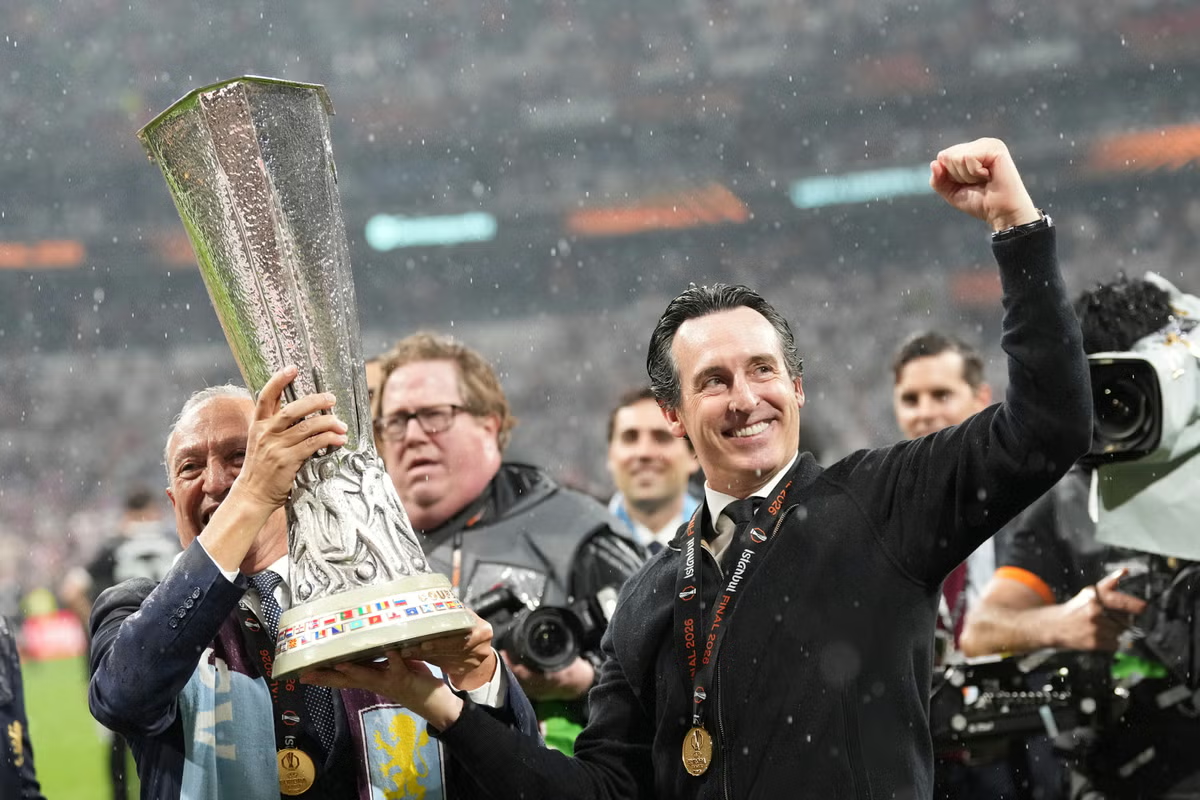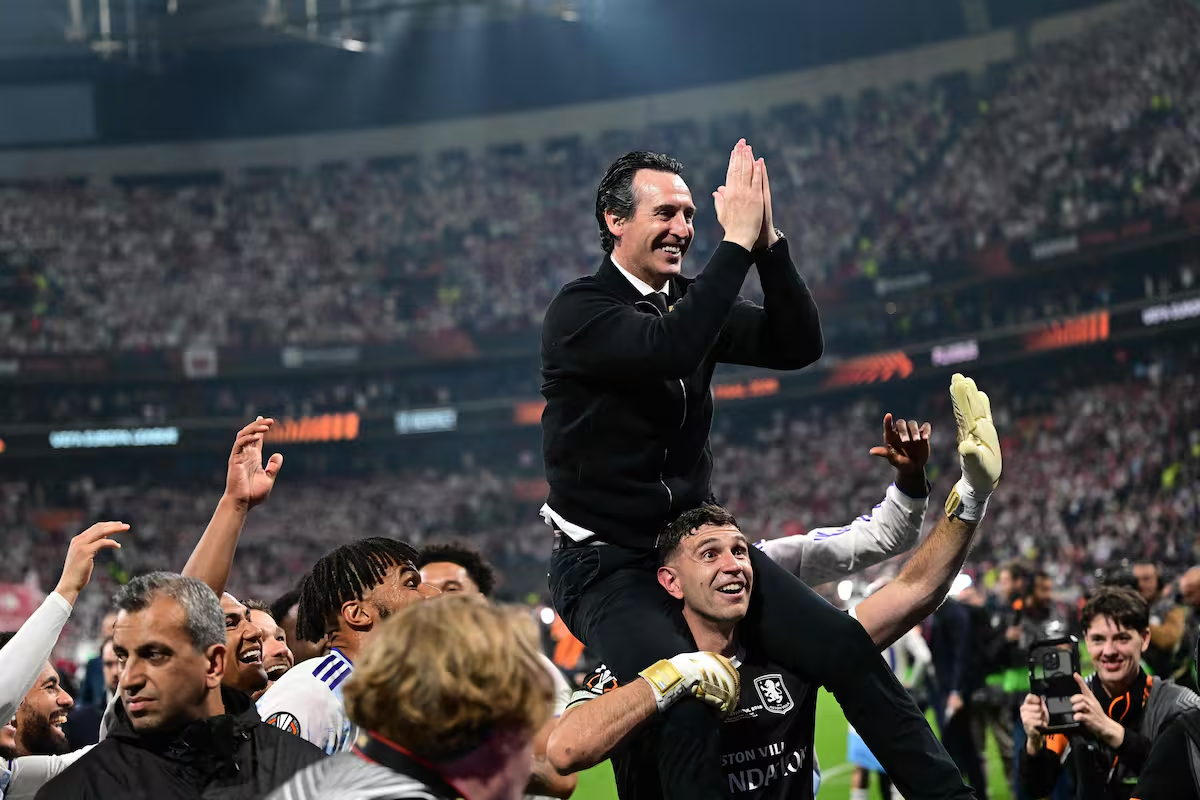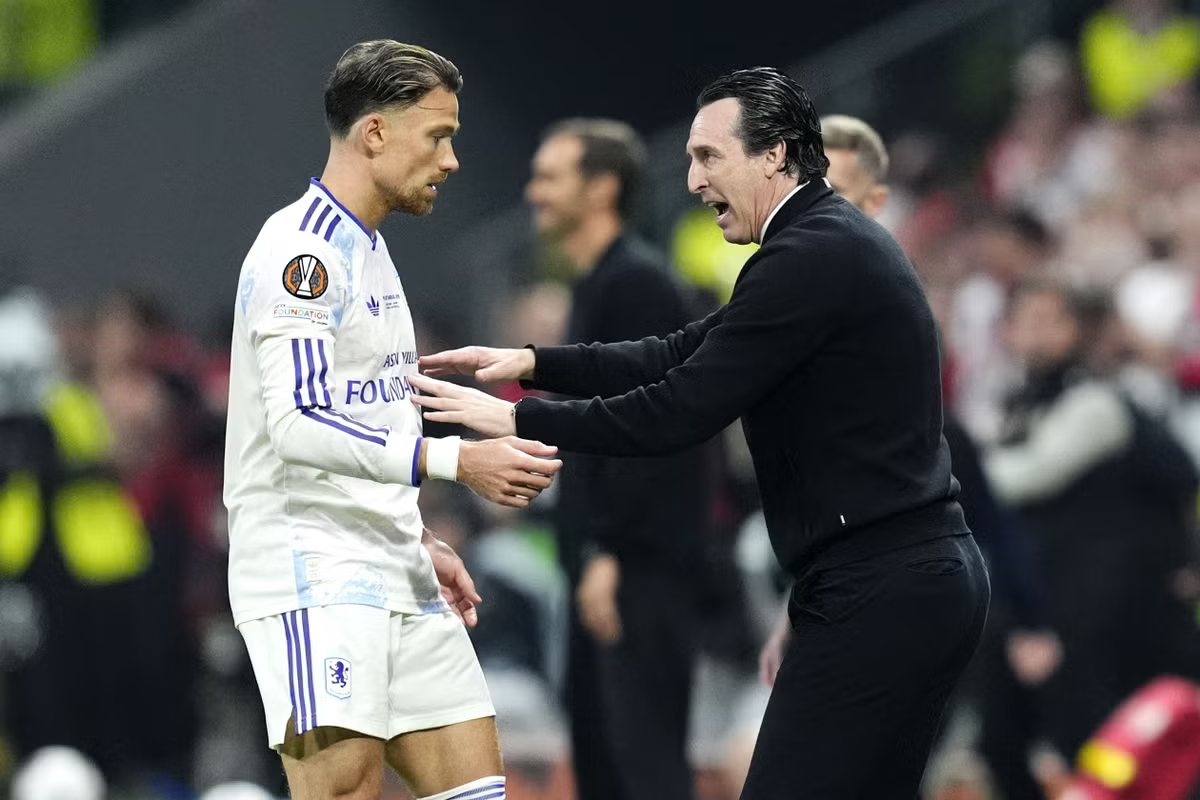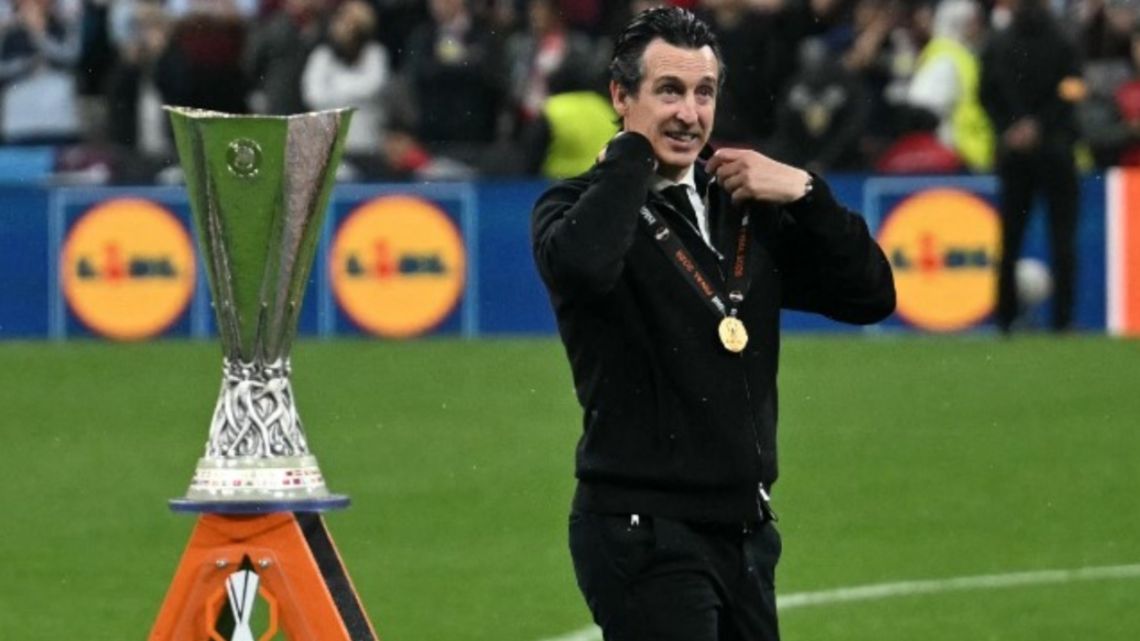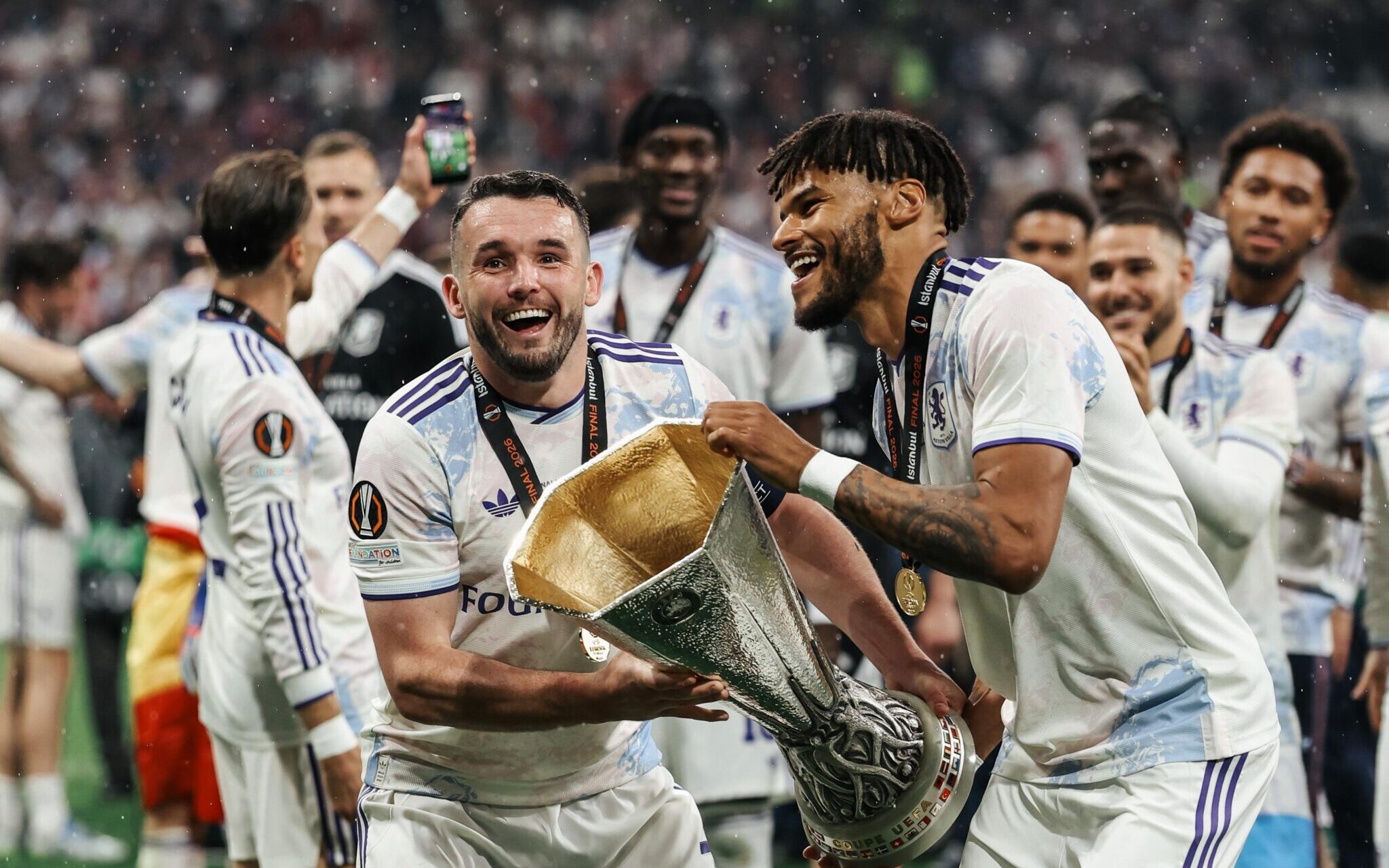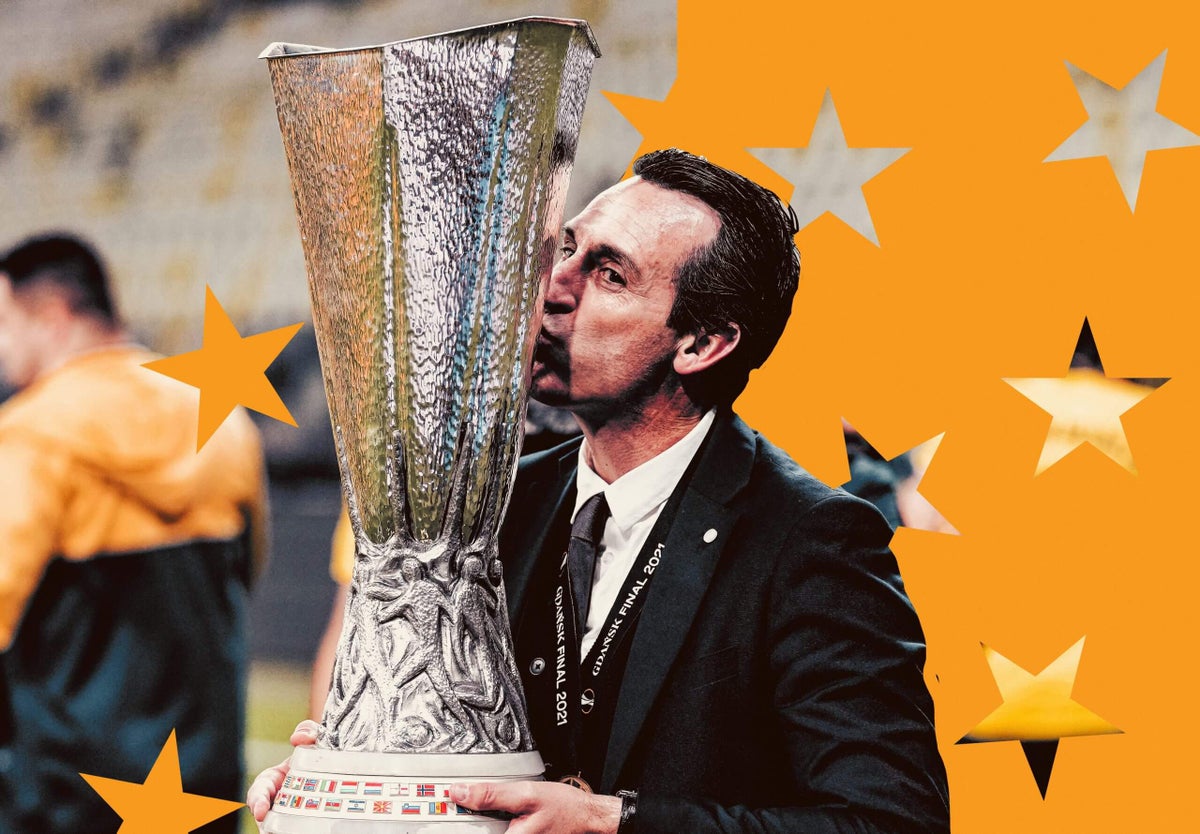
Aston Villa could not wish for a more experienced manager to lead them into their first European final in 44 years.Unai Emery is the Europa League’s pre-eminent coach. He has more wins, has reached more finals and delivered more titles than anyone else. Villa’s meeting with German side Freiburg on Wednesday will be his sixth final in the competition with a fourth different club, all having taken place since 2014, and he’s aiming to lift the trophy for a fifth time.The Athletic breaks down Emery’s previous five finals to see if they offer any pointers as to how Villa could prevail tonight in Istanbul.In Emery’s previous five Europa League finals, there have been 16 goals scored. Take away his first — a goalless draw between Sevilla and Benfica in 2014 decided by penalty shootout — and the rest have averaged four per game.The inference may be that Emery sets up with greater attacking licence, but that would belie the reality of each match. Analyse Emery’s starting approach and certain tendencies emerge. He is actually inclined to err on the cautious side, beginning tight — a tactic that brings us nicely to that first Europa League final.May 14, 2014; Turin — Sevilla 0-0 Benfica (won 4-2 on penalties)Emery deployed a variation of his favoured 4-2-3-1, with Sevilla’s full-backs, Coke and Alberto Moreno, curbing their usual high attacking positions in the final.The solid base came through a physical midfield — who would tussle with future Manchester United head coach Ruben Amorim, starting that night for Benfica — with Ivan Rakitic playing further forward as the No 10. Striker Carlos Bacca’s job was to occupy Benfica’s imposing centre-backs, Ezequiel Garay and captain Luisao.Sevilla’s wingers, Vitolo and Jose Antonio Reyes, would roll inside in possession which, given both teams had three men each in midfield, made central areas extremely congested.Ivan Rakitic, right, competes for possession with Benfica’s Andre Gomes (Jamie McDonald/Getty Images)As Emery intended, the first half was uneventful. Rodrigo had Benfica’s best chance, and failed to take it. As Emery would later allude to, had Benfica gone ahead, he would have felt the need to open up more, but at 0-0, he was content.It was a case of both sides cancelling each other out. Sevilla’s central defenders, Federico Fazio and Nicolas Pareja, were exceptional, though were considerably aided by a mid-to-low block in front of them that prevented either having to defend one-against-one. Typically, Rakitic, who would be sold to Barcelona after this final, provided the moments of quality in an attack that only mustered three shots on target in 120 minutes, compared to Benfica’s seven.Emery was happy to take the match deep; if need be, to penalties. In the end, Sevilla triumphed 4-2 in a shootout.“You could tell our players were suffering from fatigue and physical discomfort, but this team has learned how to suffer,” said Emery post-match. “We have learned how to stay strong, and so we were ready for that.”Unai Emery poses with his first Europa League trophy (Giusepe Cacace/AFP via Getty Images)May 27, 2015; Warsaw — Dnipro Dnipropetrovsk 2-3 SevillaOne year on, there were five changes to Sevilla’s starting 4-2-3-1 shape. Most notably, this included an all-changed back line and goalkeeper, with Daniel Carrico dropping from midfield into central defence.Aleix Vidal took Coke’s place at right-back, and had a similar remit stylistically. He would effectively serve as a right-winger in possession, with Reyes, now the captain, once more rolling inside.The early exchanges were intended to be reserved, though Emery was forced, for the first time, to change plans after only seven minutes as Nikola Kalinic put the Ukrainian side in front.Sevilla dominated possession and made nearly 200 more passes than their opponents, showing that Emery wanted short, safe passes when progressing upfield. It was also a niggly affair, with 40 combined fouls threatening to fracture Sevilla’s rhythm.It was therefore important they struck back swiftly, with midfielder Grzegorz Krychowiak duly punishing Dnipro’s failure to clear a free kick before the half-hour mark.Emery sensed momentum had shifted and recognised, as is an understated strength of his, that this was the time to relax the safety-first approach. Just three minutes later, Reyes received the ball in the inside right channel — Aleix Vidal was already outside him — and identified the run of Bacca, who had perfectly stayed between Dnipro’s centre-backs. The striker rounded the goalkeeper before finishing.Sevilla were in control in open play, only to be pegged back by Ruslan Rotan’s free kick before the break.In retrospect, Emery’s tactical change before the hour edged the final in his team’s favour.Coke — who, as you will learn, has a big say in Sevilla’s multiple Europa League successes — replaced Reyes. He went to right-back and Aleix Vidal was pushed upfield. Sevilla created a two-versus-two down Dnipro’s right, forcing their best player and left-winger, Yevhen Konoplyanka, to spend more time tracking back than threatening their box.
How Unai Emery came to dominate the Europa League
The Spaniard has won this trophy three times with Sevilla and once with Villarreal, and was a beaten finalist as Arsenal manager
2,040 words~9 min read