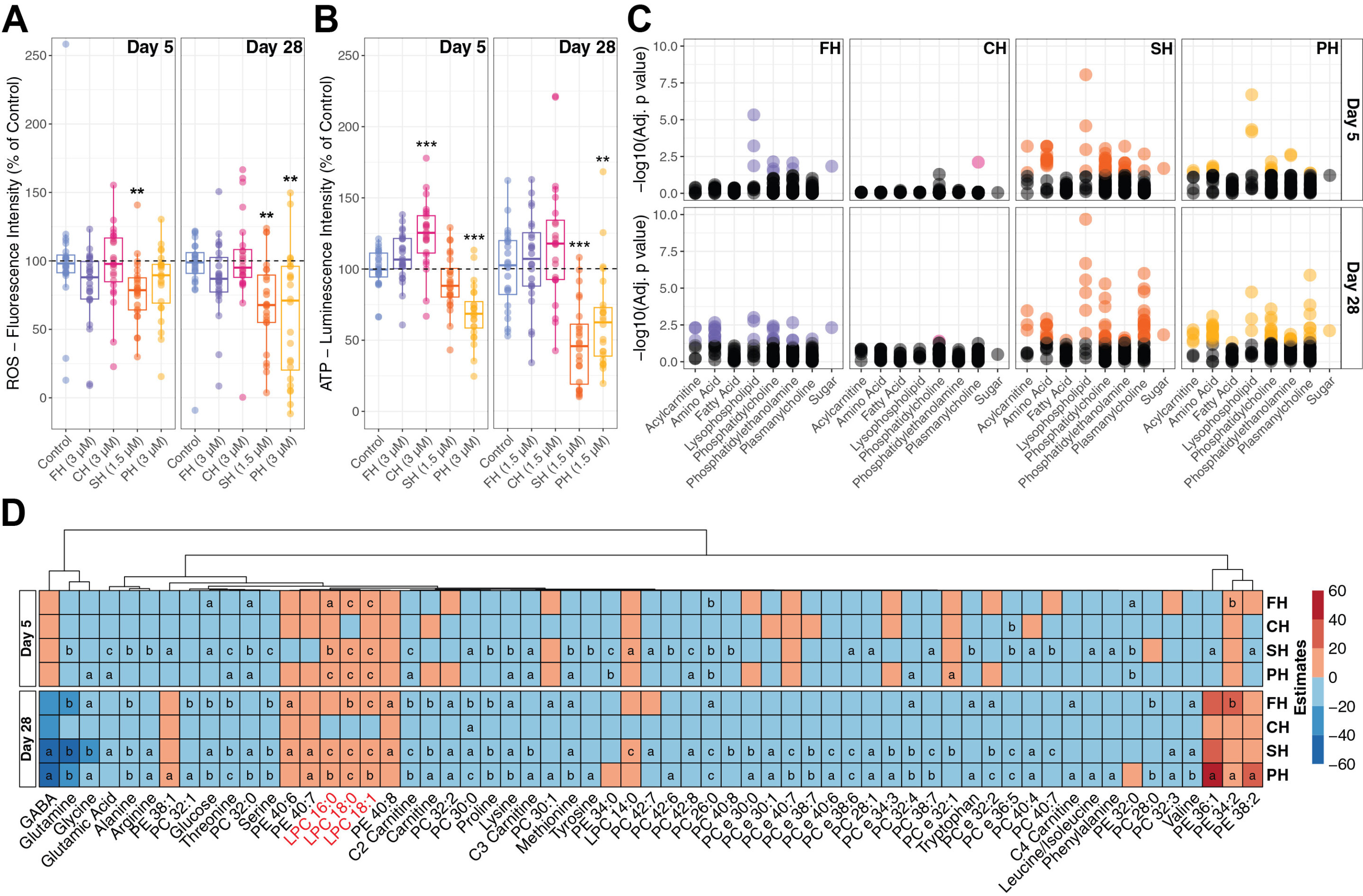
In-vitro assays and differential metabolomics following selective serotonin reuptake inhibitor (SSRI) exposure in differentiating neuroepithelial stem cells. Credit: eBioMedicine (2026). DOI: 10.1016/j.ebiom.2026.106291
A new study from Karolinska Institutet shows that different SSRI medications affect metabolic processes in developing nerve cells in distinct ways. Alterations in energy metabolism, oxidative stress and lipid profiles suggest that these drugs are not biologically equivalent. The findings provide new insights into biological mechanisms but do not show that SSRIs cause autism, ADHD or other neurodevelopmental disorders.
The study was conducted at the Center of Neurodevelopmental Disorders at Karolinska Institutet (KIND) in collaboration with researchers in Australia and has been published in eBioMedicine.
SSRI use during pregnancy
SSRIs are widely used to treat depression and anxiety, including during pregnancy. Treating mental health conditions is important for both maternal and child health, and current clinical guidelines recommend continued SSRI treatment when medically indicated. At the same time, previous studies following children exposed to SSRIs have shown mixed results. One reason is the difficulty of separating potential drug effects from the effects of underlying maternal mental health, as well as shared genetic and environmental factors.