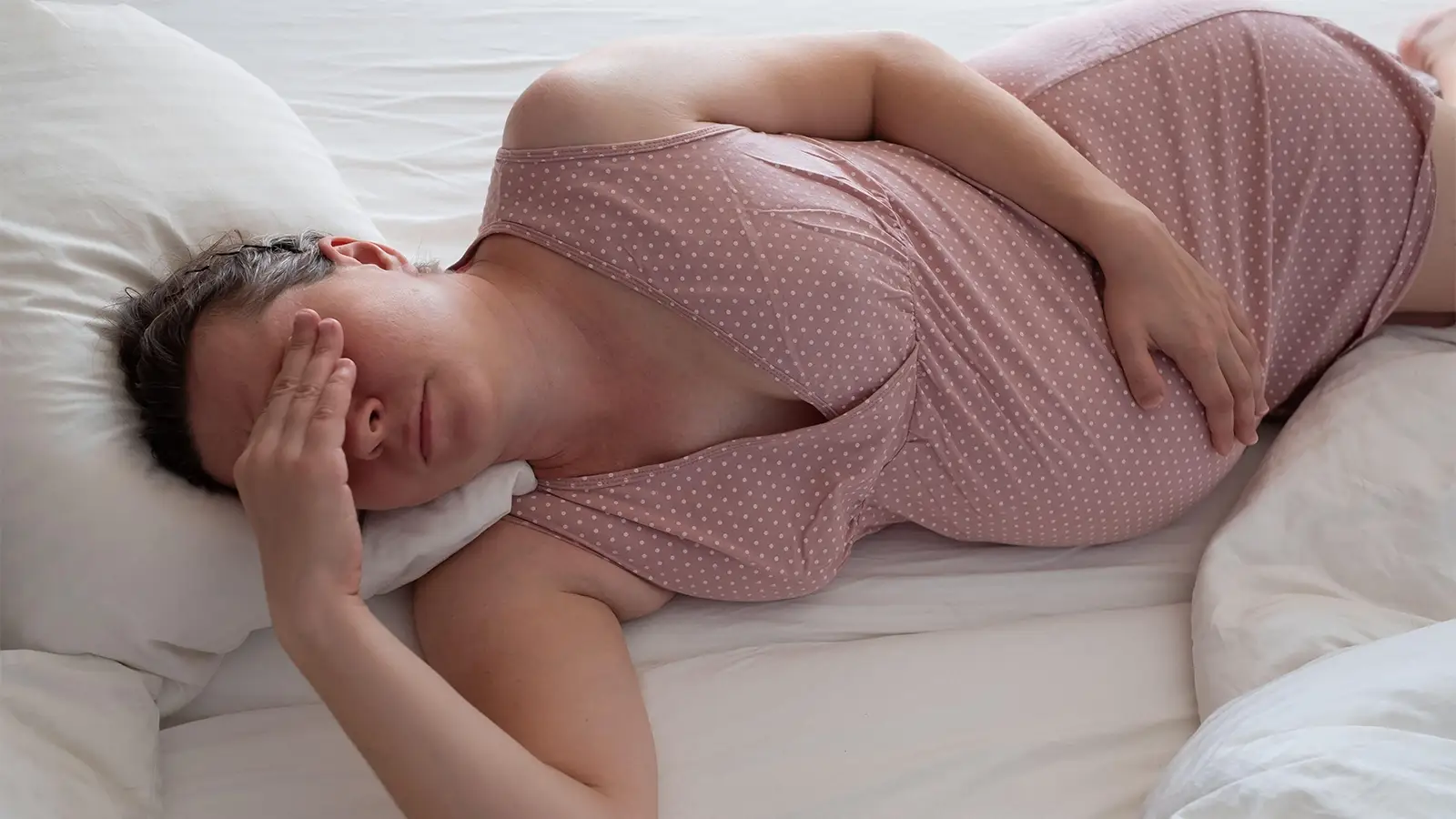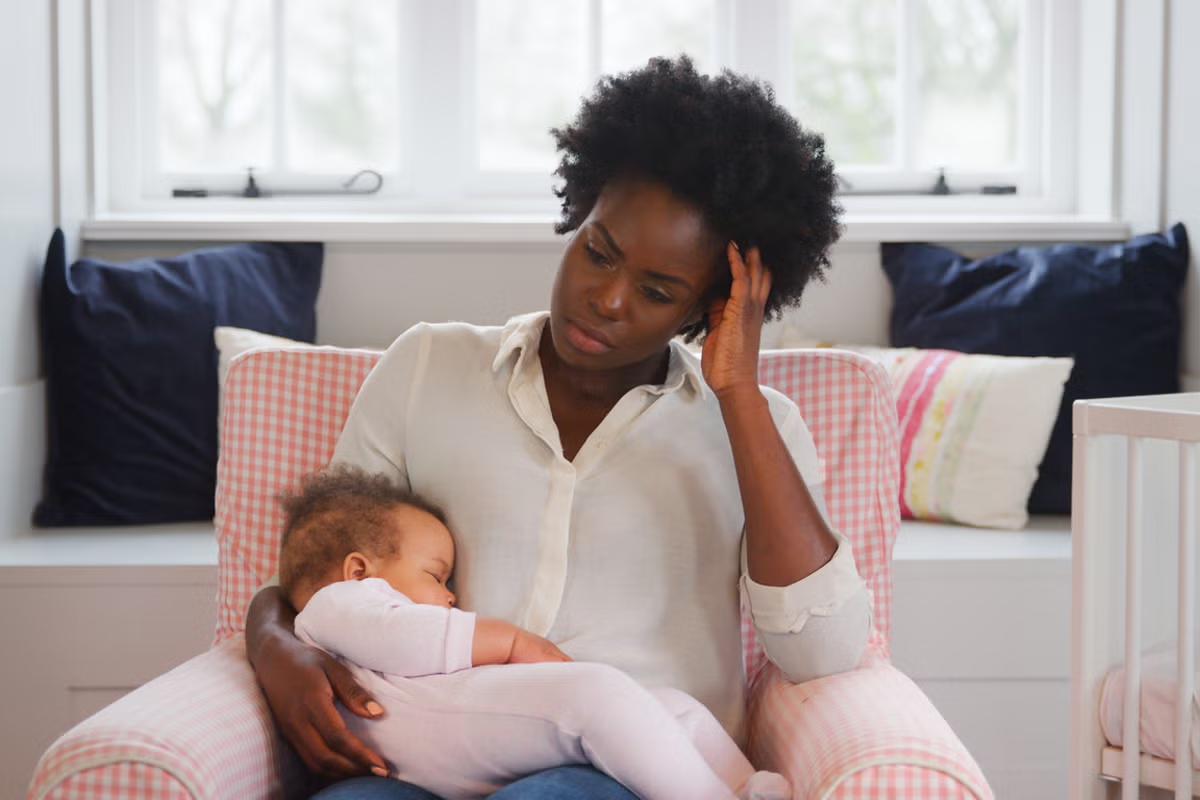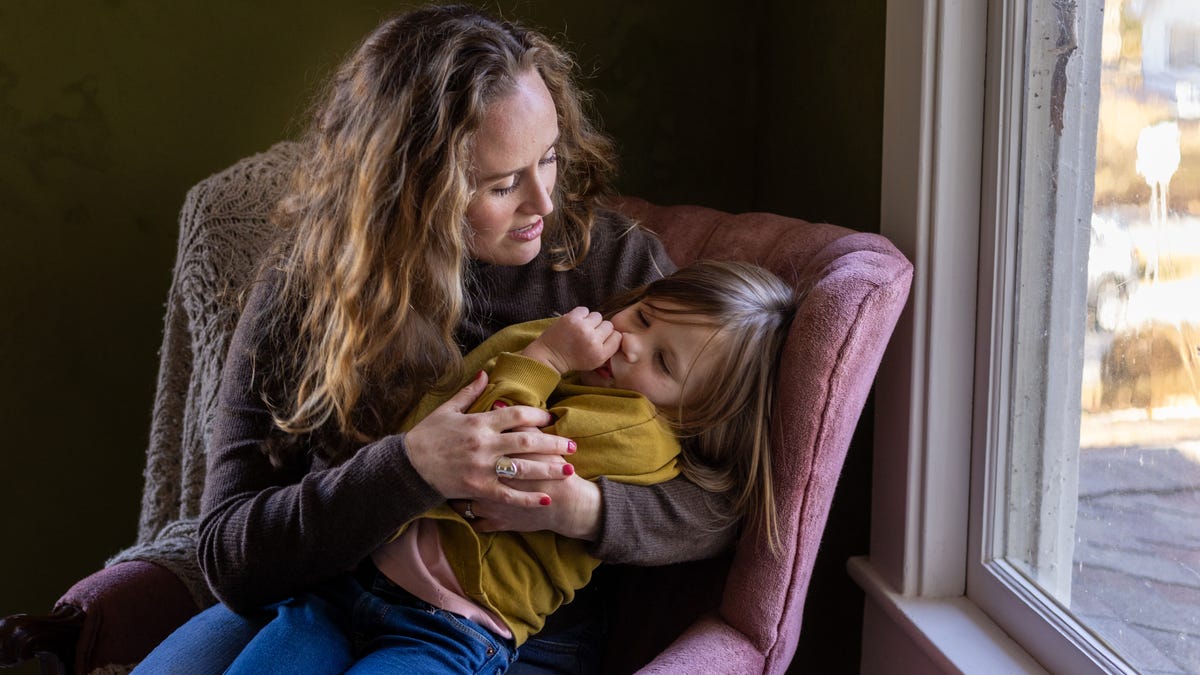
Before giving birth to her second child, Heidi DiLorenzo was anxious. She worried about her blood pressure, and the preeclampsia that prompted her to be hospitalized twice during the pregnancy. She worried that some terrible, unnamed harm would come to her 3-year-old daughter. She worried about her ability to love another baby as much as she loved her first.
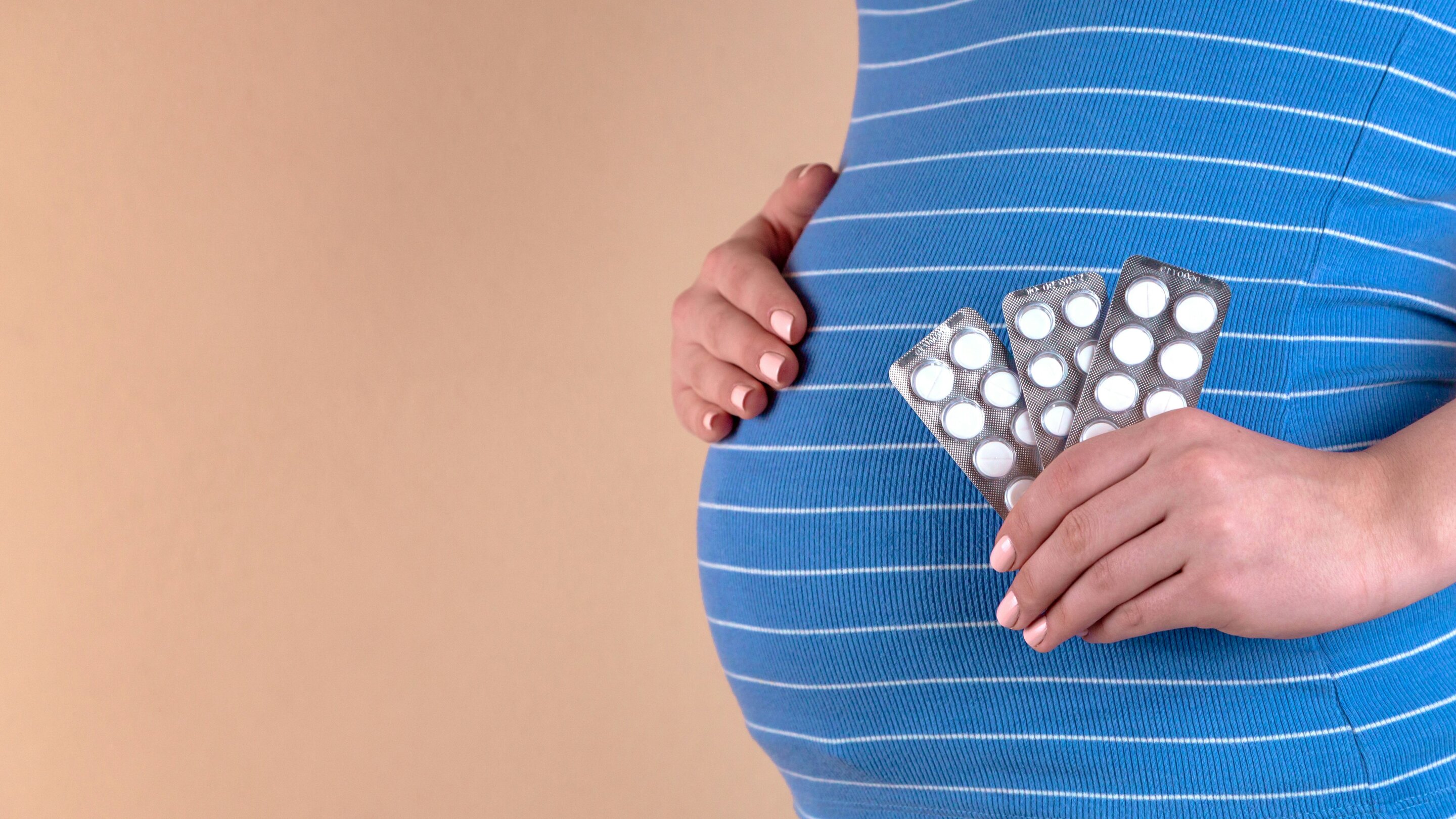
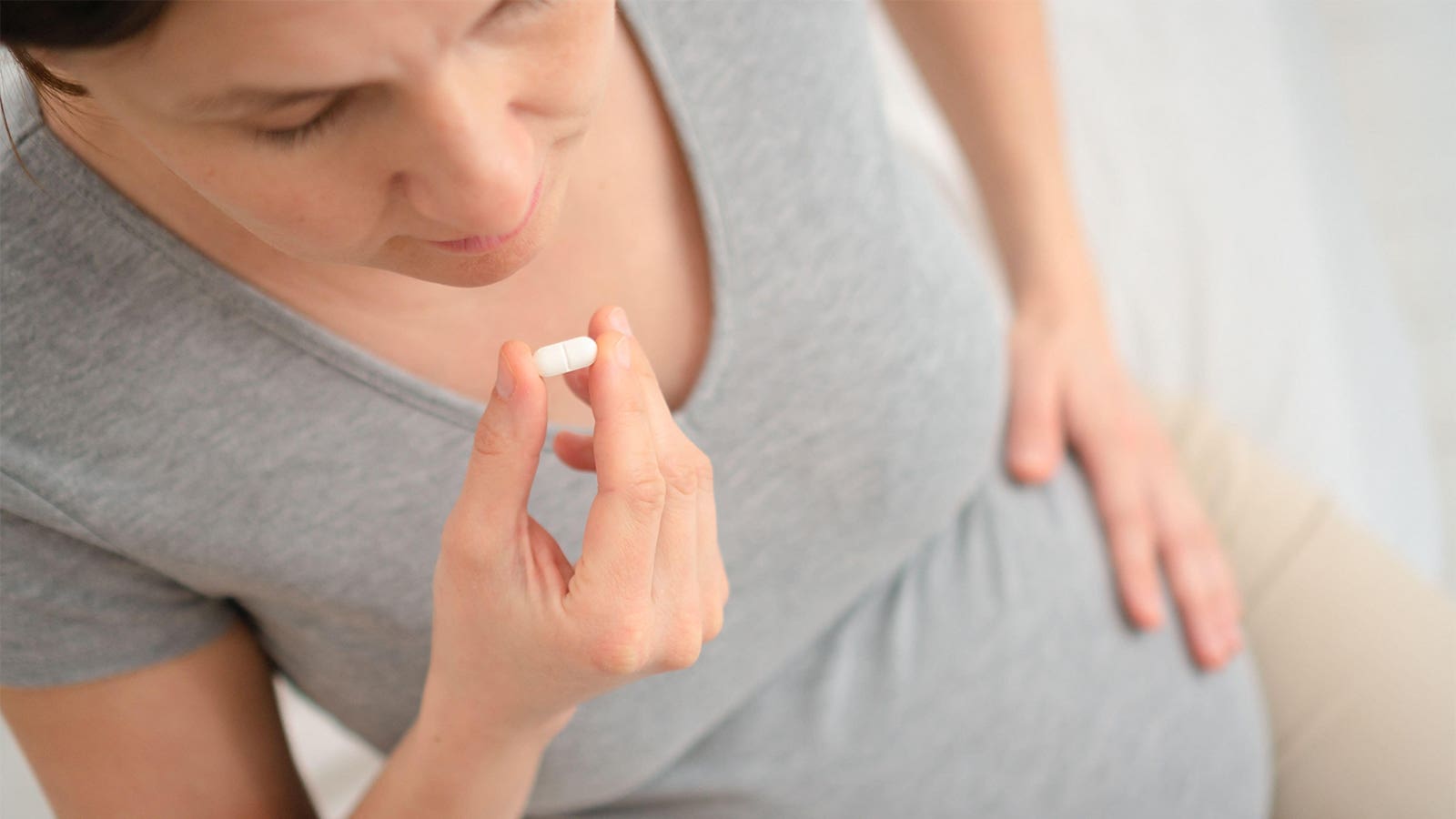
But DiLorenzo, an attorney in Birmingham, Alabama, did not worry about taking Zoloft. She had used the medication to treat anxiety before she had her first child, and she continued it throughout that pregnancy and this latest one.And since having her second daughter, in September, she credits an increased dosage with pulling her out of the “dark hole” of sadness she felt postpartum. “I wouldn’t be as good of a mom to my girls if I didn’t take it,” DiLorenzo said. “I wouldn’t have the energy.”
She is among the estimated 20% of women in the U.S. who have depression or anxiety during or after pregnancy. Yet only half of those mothers receive adequate treatment, according to Kay Roussos-Ross, who runs the perinatal mood disorders program at the University of Florida. And just 5% take a selective serotonin reuptake inhibitor, a class of medications commonly used to treat both conditions.