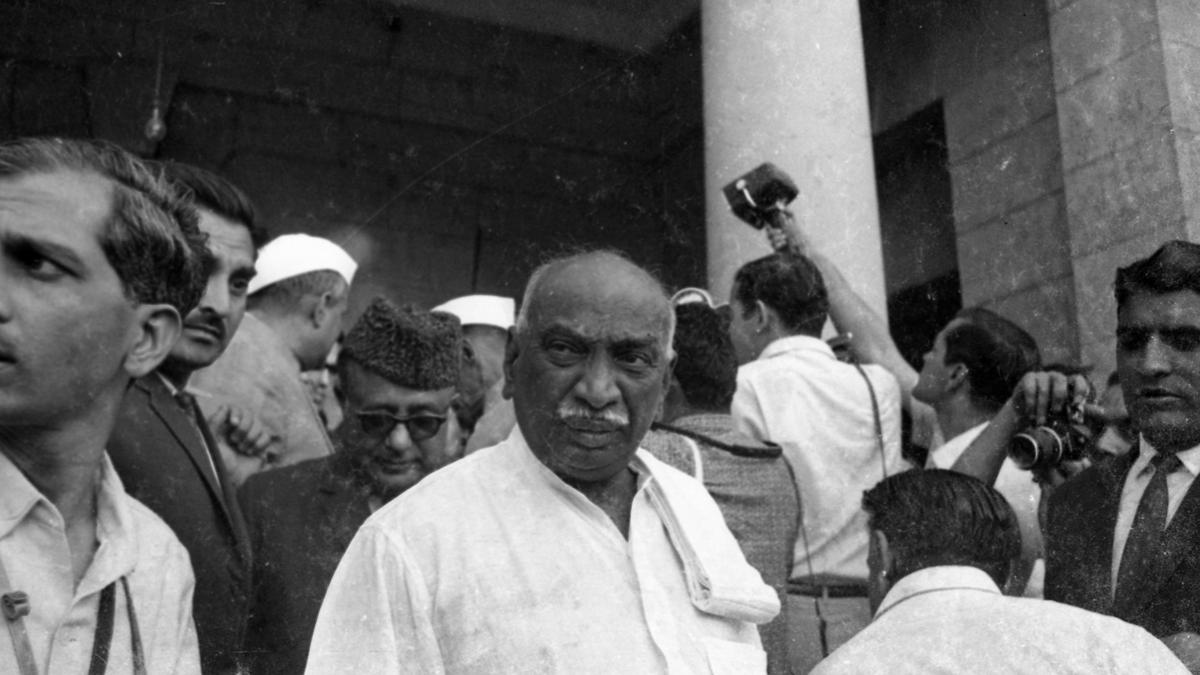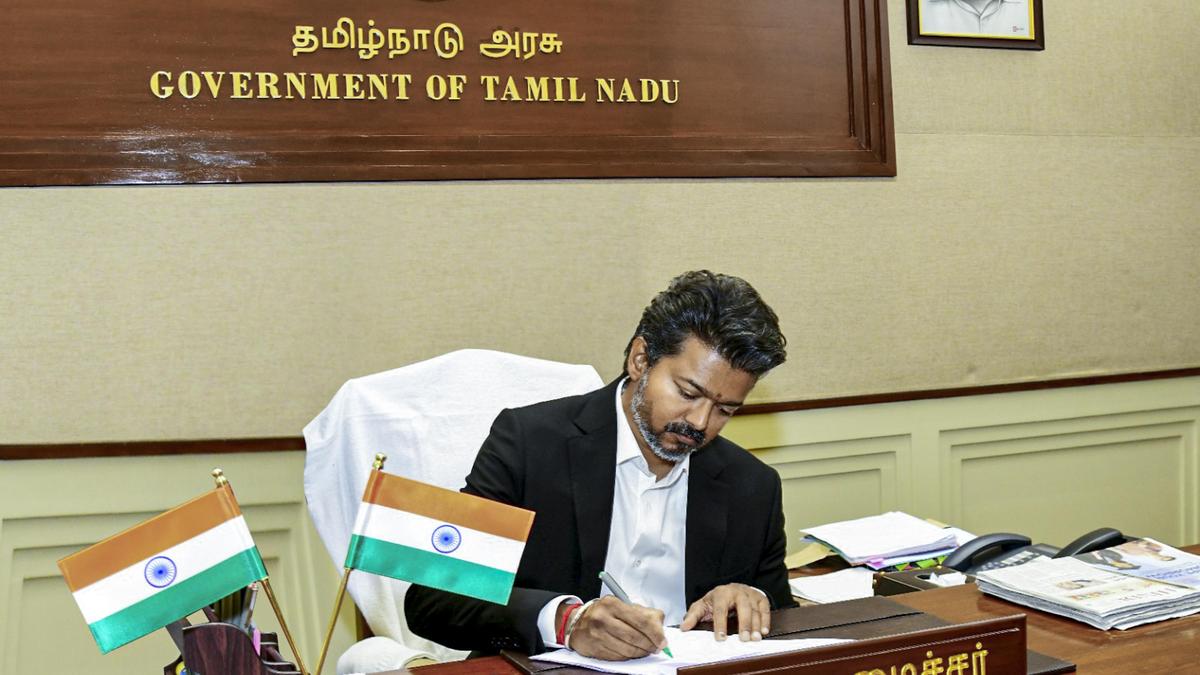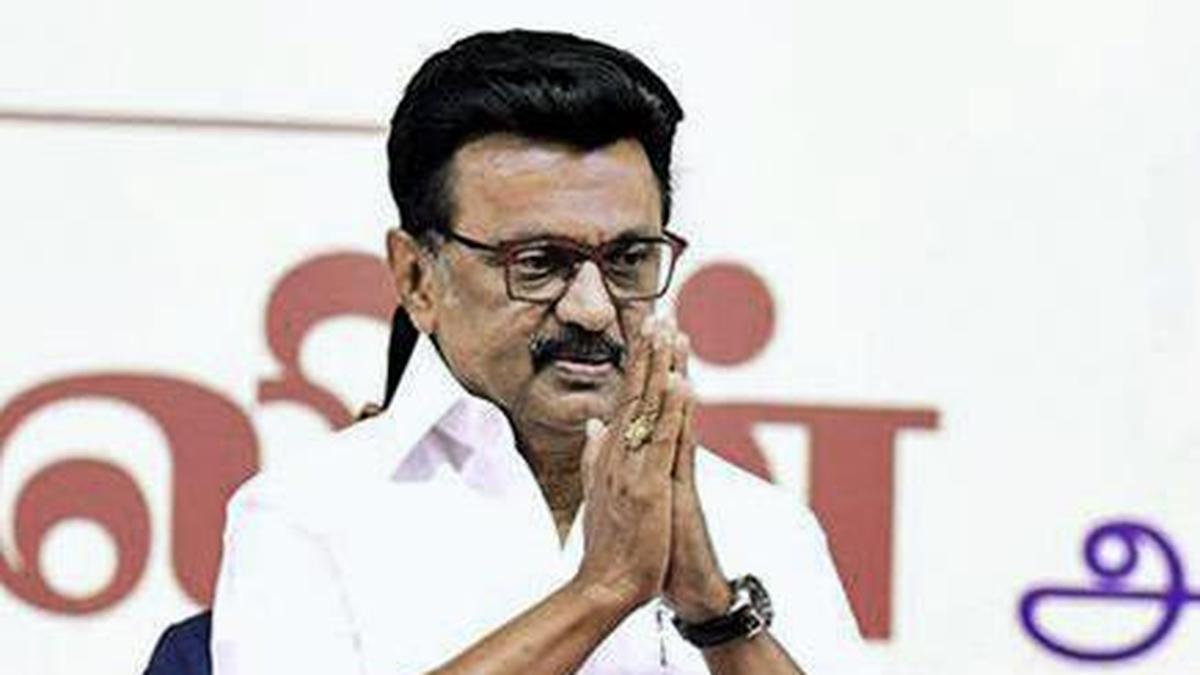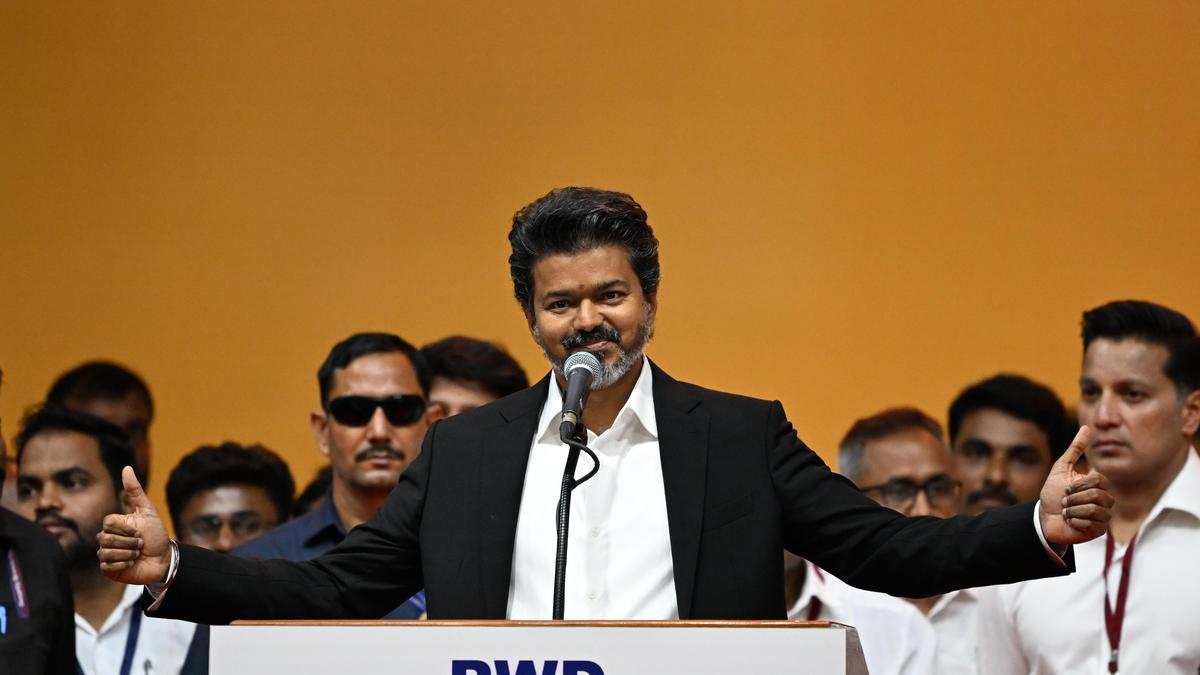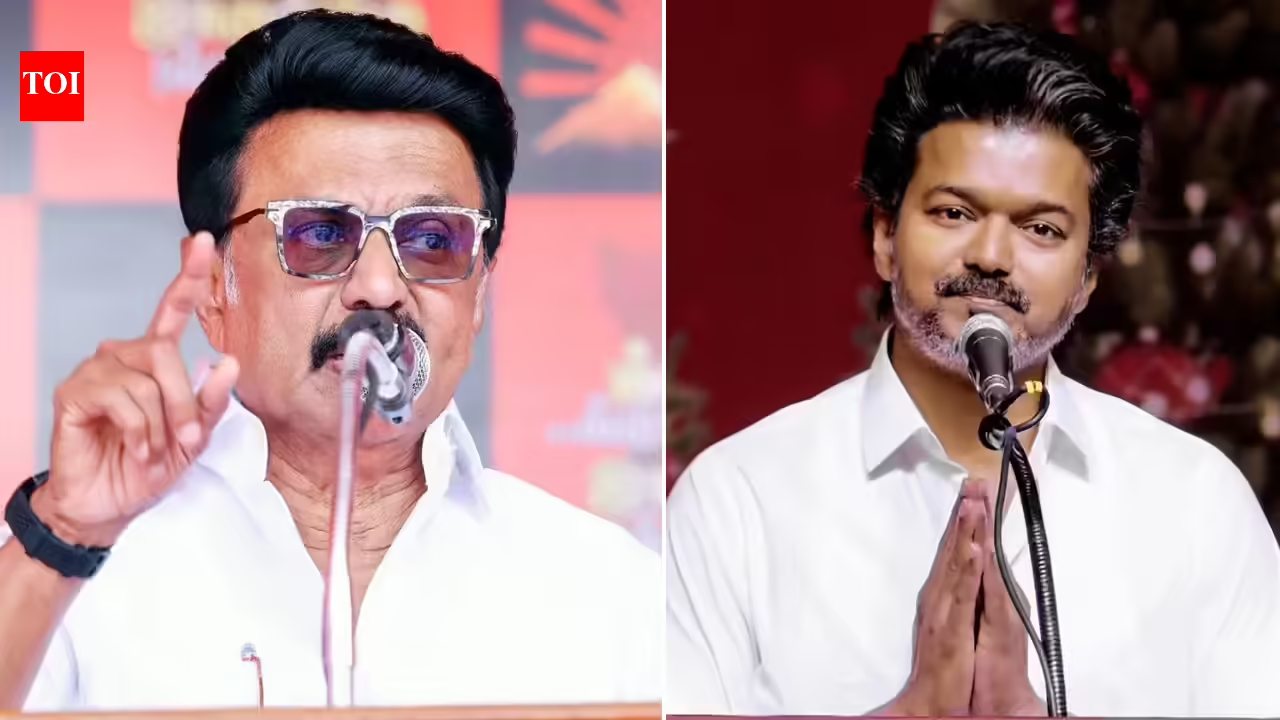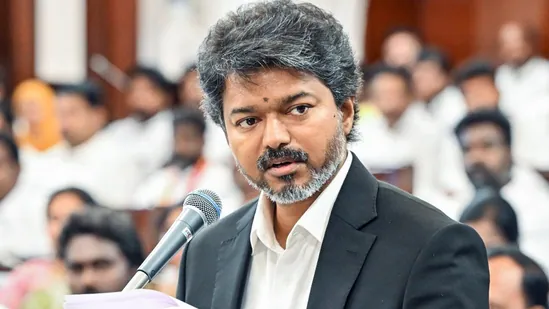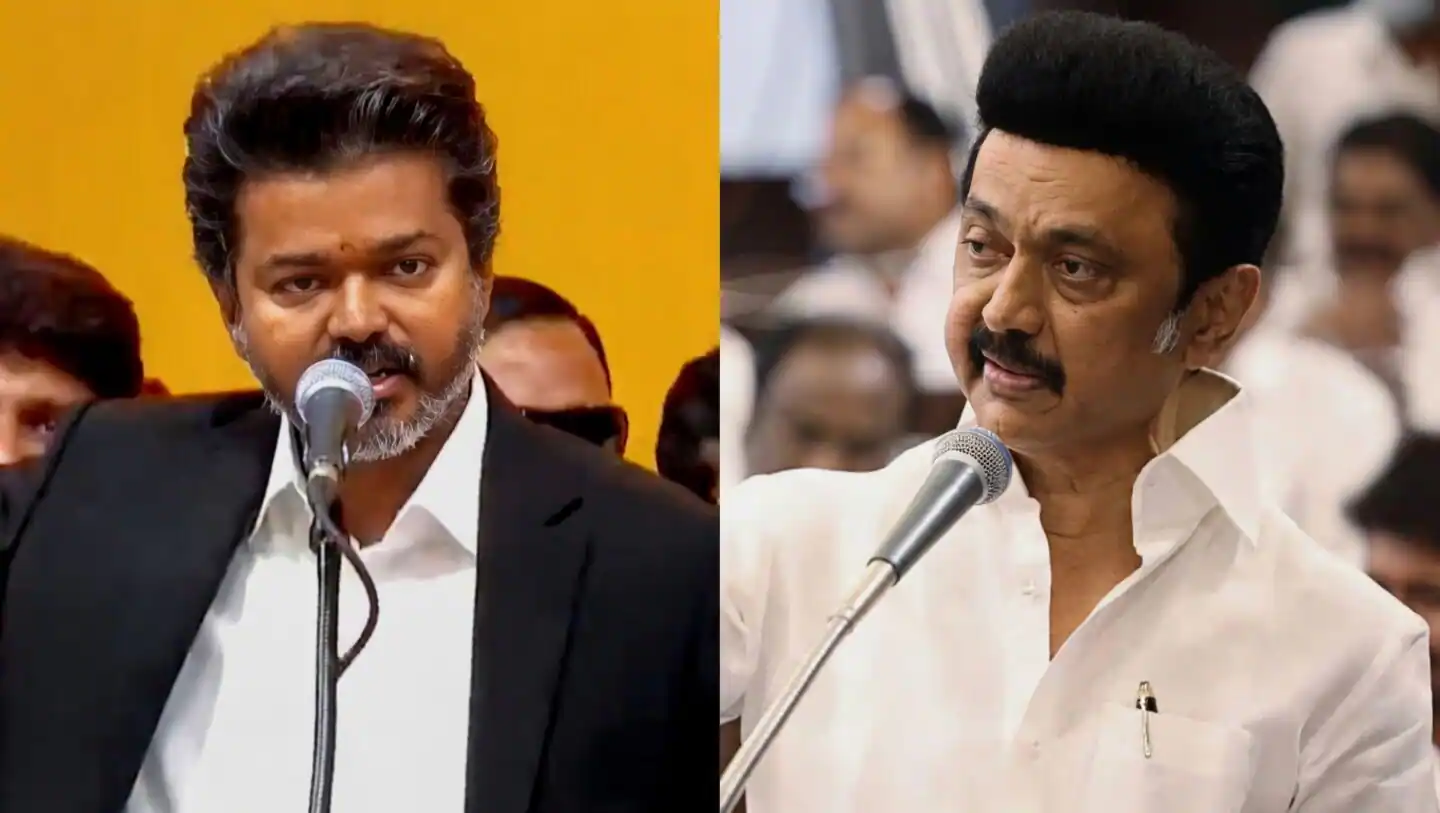
DMK president M.K. Stalin, while commenting recently on the victory of the Tamilaga Vettri Kazhagam (TVK) in the 2026 Tamil Nadu Assembly election, has called it a “new and attractive tsunami of illusion.” He also made it clear that by using the term “tsunami,” he did not it in the positive sense. “I only mean that it has caused great damage or damaged the interests of Tamil Nadu,” Mr. Stalin clarified.Though his observation has not attracted widespread public attention, it has not gone unnoticed among perceptive observers of Tamil Nadu politics, as several political personalities including serving Chief Ministers, while experiencing electoral reverses, reacted in different ways.The most oft-quoted reaction was that of M. Bhaktavatsalam: “I see a virus has spread all over Tamil Nad[u]. I pray God may save the people.” He made this remark in the wake of the 1967 Assembly elections wherein the ruling Congress lost power to the 18-year-old DMK. It was not that he made the statement out of any sense of bitterness. He did offer felicitations to the winners. Though he clarified later that his use of the term “virus” was, according to The Hindu of February 28, applicable to the shortcomings in ‘our own organisation and organisational approach,” the former Chief Minister’s description has been viewed by followers of the Dravida Kazhagam and the DMK as an “uncharitable remark.”Tamilaga Vettri Kazhagam | The star who stormed into politicsTen years later, it was the turn of the DMK, which was at the receiving end. Even though the party was removed from power in January 1976 through the imposition of President’s rule and the dissolution of the Assembly, its leader M. Karunanidhi had made a valiant effort to get back to power and the party went it alone in the Assembly election in June 1977. When the results were out, the AIADMK won hands down, by bagging 130 seats. It had a tie-up with the Communist Party of India (Marxist) and Forward Bloc, whereas the DMK secured 48 seats. Assuring the people that the DMK would function as a responsible Opposition, he expressed “satisfaction” over his party’s performance in view of “difficulties” it had faced in the last 18 months.Three years later, when the State went to the Assembly polls again after the dismissal of the AIADMK regime in February, the return of the DMK (along with the Congress) to power was widely anticipated. But, it was the AIADMK that came back to power. Karunanidhi attributed the success of his arch rival to three electoral promises – the provision of a rupee a day to all the unemployed, free supply of one kilo of rice to all the poor and waiver of all the loans taken by agriculturists. He added that one should be disheartened by the results as success and defeat were not uncommon in politics, according to The Hindu on June 3, 1980.Then came one more upset for Karunanidhi during the 1984 simultaneous elections to the Lok Sabha and the State Assembly. The DMK, which headed a coalition comprising the Janata party, Indian Union Muslim League and two Left parties, won 24 seats individually with its allies cornering 10 more seats. This defeat was much more crushing than the previous two. At that time, Karunanidhi wrote, as quoted by diplomat-turned-political writer R. Kannan, in his “The DMK Years”: “some votes decided Socrates’s fate by condemning him to death, but time had made the Greek philosopher immortal. The difference between the two fronts was only 31 lakh, he said, adding that if 16 lakh had chosen to vote the other way, the results would have been different.” The author, however, adds: “But, this was a counterfactual.”Also Read | Tamil Nadu government formation 2026: a timeline of eventsIn June 1991, when the DMK faced a drubbing in the Assembly election, Karunanidhi, who was ousted from power as Chief Minister five months earlier, statement was captured by this newspaper on June 23, 1991 as follows: although false propaganda and the sympathy wave relegated the real issues to the background in the just concluded elections, he considered his party’s defeat [as] his own and hence, he was resigning the Harbour Assembly seat.”Five years later, it was the turn of Jayalalithaa, who suffered a massive setback, as she herself had lost in the Bargur assembly constituency and her party had obtained only four seats. Accepting the verdict “with all humility,” she, while thanking those who had voted for her. said her party would continue to work for the welfare of the people. The AIADMK firmly believed in the doctrine, vox populi vox dei (the voice of the people is the voice of God), The Hindu quoted her, in a report on May 11, 1996.Also Read | Vijay, the second debutant Legislator, to be sworn in as T.N. CM since 1967 At that time, some newspapers had carried reports that Jayalalithaa would leave Tamil Nadu for good. Responding to the reports, she stated that “as a person involved in public life, I will continue to stay in Tamil Nadu and render service to the people. There is no need for me to go out of the State.”In 2001, when Jayalalithaa’s AIADMK made a spectacular comeback, the outgoing Chief Minister Karunanidhi said there was “no ideological issue” involved and that Jayalalitha, [who did not contest in the poll on account of her ineligibility for having been convicted in two cases of corruption], had exploited to the hilt the rejection of her nomination papers, this daily reported on May 14, 2001.Five years later, when her party lost power, Jayalalithaa said her organisation, with 61 seats in the Assembly, would function as “a strong Opposition party.” In 2011, when the DMK lost power and was relegated to the third position in the Assembly with 23 seats in the Assembly, the outgoing Chief Minister Karunanidhi said “people have given me good rest; my greetings.” Ten years later, Edappadi K. Palaniswami, while demitting office, conveyed his best wishes to his successor, Mr Stalin, who has just been succeeded by C. Joseph Vijay.
From ‘virus’ to ‘tsunami’: How outgoing Chief Ministers, leaders of Tamil Nadu viewed election results since 1967
A look at how Tamil Nadu's Chief Ministers have historically reacted to election results from 1967, reflecting political sentiments and challenges.
1,008 words~5 min read